







Advantages of Titanium
High Strength
Titanium alloy density is generally 4.51 g per cubic centimetre, only 60% of steel, so its specific strength is much higher than other metals.
High Heat Strength
Titanium alloy can operate at temperatures up to 500 C, while aluminum alloy is limited to around 200 C.
Corrosion Resistance
Strong resistance to corrosion from alkali, acid, salt and similar environments.
Low Temperature Performance
Titanium maintains its mechanical properties at low and ultra low temperatures.
Grades and Applications
Popular titanium alloys include Gr1 to Gr4, Gr5 and Gr9 among others. Titanium is commonly used in aircraft, automotive and motorcycle components, chemical equipment, medical equipment and hiking equipment.
We manufacture titanium parts using machining, milling, turning, drilling, laser cutting, EDM, stamping, sheet metal, casting, forging and more. Titanium is slower to machine than aluminum and needs rigid fixturing and correct tooling, so expect a higher piece price than an equivalent aluminum part.
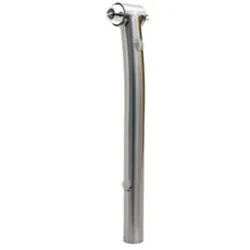
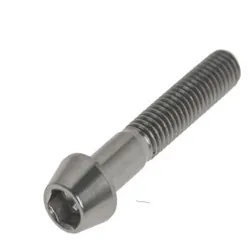
Titanium Parts We Machine
Titanium Parts FAQ
Which titanium grade is most common for machined parts?
Gr5, also known as Ti-6Al-4V, is the usual choice where strength matters. Commercially pure grades Gr1 to Gr4 are used where corrosion resistance and formability matter more.
Why is titanium more expensive to machine?
It work hardens, conducts heat poorly and is tough on tooling, so cutting speeds are lower and tool life is shorter. The material cost is only part of the difference.
Is titanium suitable for medical parts?
Titanium is commonly used in medical equipment, and it is one of the materials used in CNC medical work alongside stainless steel and medical grade plastics.
Related Pages
Quote My Titanium Part
Send the drawing with grade, tolerance and quantity for a titanium machining quotation.