
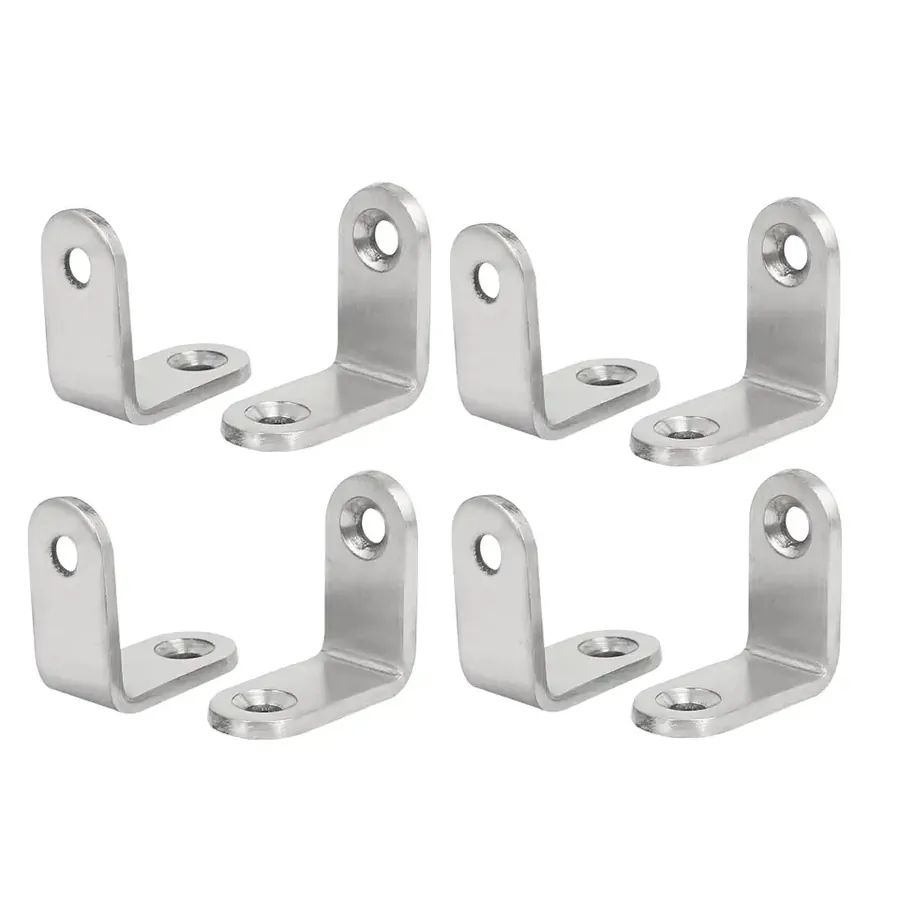
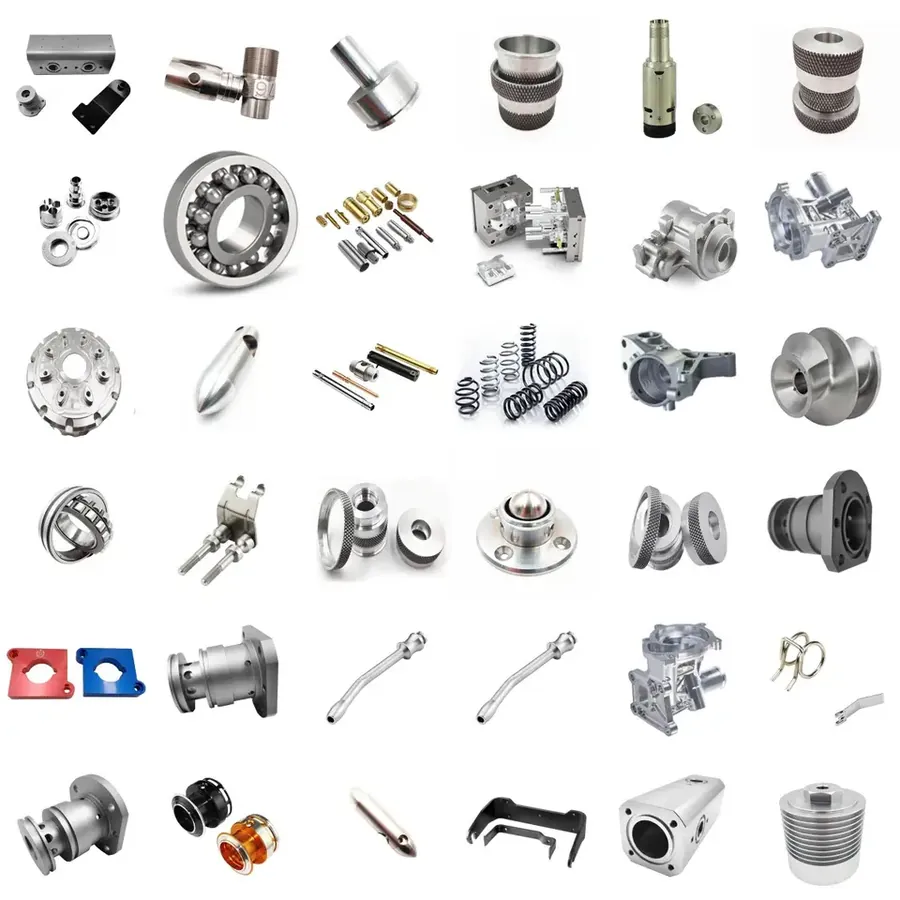
Custom Stainless Steel Parts
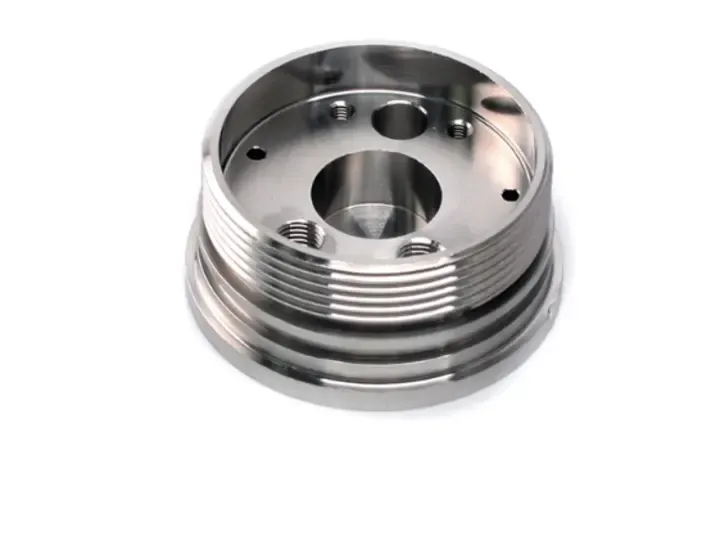
Stainless steel combines durability with malleability, and its resistance to rust and staining comes from the passive chromium oxide film that forms on its surface.
Understanding Stainless Steel
Stainless steel has been a cornerstone of manufacturing for over a century, appearing in everything from kitchen utensils to aerospace components. Its resistance to rust and staining is attributed to chromium: when exposed to oxygen, chromium forms a passive film of chromium oxide that prevents further surface corrosion and blocks corrosion from spreading into the internal structure of the metal.
What sets stainless steel apart is its adaptability. Depending on composition and treatment it can be made softer, harder or more resilient, which allows the metal to be tailored to a specific application rather than forced into one.
Types of Stainless Steel and Their Applications
| Type | Common Grades | Characteristics |
|---|---|---|
| Austenitic (200 and 300 series) | 1Cr18Ni9Ti (321), 0Cr18Ni9 (302), 00Cr17Ni14Mo2 (316L) | The most widely used type, with austenite microstructure formed by nickel. Excellent weldability for integration into larger structures, good plasticity for intricate shapes and superior deformation resistance under stress. |
| Ferritic (400 series) | 00Cr12, 1Cr17 (430), 00Cr17Mo, Cr25Mo3Ti and others | High chromium content with excellent thermal conductivity and better stability, though mechanical properties and process performance are inferior to austenitic grades. |
| Martensitic (400 series) | 1Cr13 (410), 2Cr13 (420), 3Cr13, 1Cr17Ni2 | High carbon content giving high hardness, with limited plasticity and weldability as the trade off. |
Custom Stainless Steel Parts FAQ
Which grade resists chlorides best?
316 and 316L, because molybdenum improves chloride resistance. Standard austenitic grades are sensitive to chloride containing solutions and prone to stress corrosion.
Can stainless steel parts be welded into an assembly?
Austenitic grades weld excellently. Martensitic grades have limited weldability, so if your part must be welded, tell us before the grade is chosen.
Which processes do you use for stainless parts?
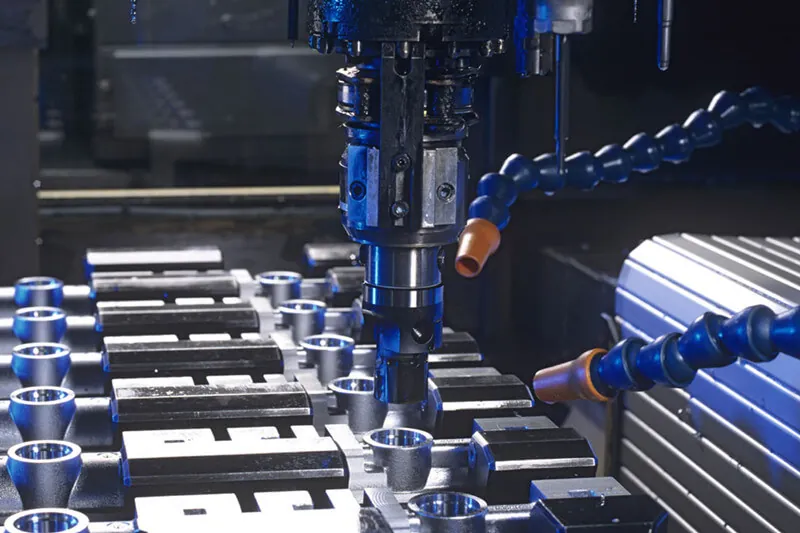
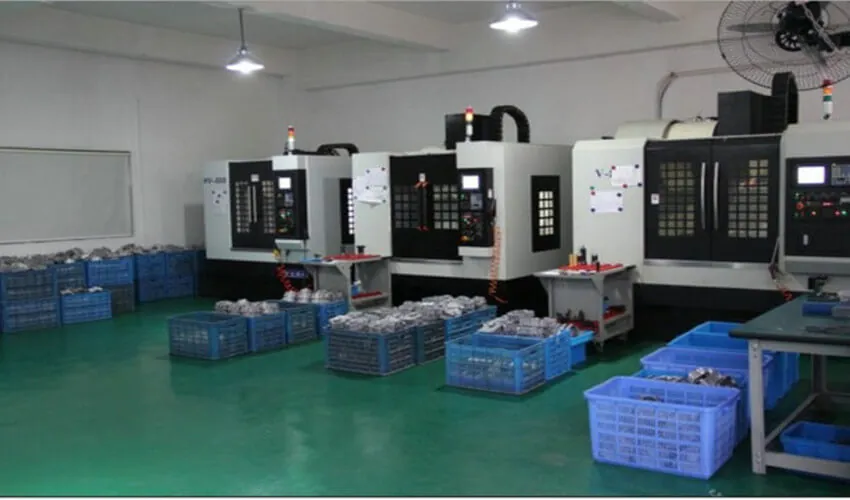
Machining, milling, turning, drilling, laser cutting, EDM, stamping, sheet metal and forging.
Related Pages
Quote My Stainless Steel Part
Tell us the working environment and we will confirm whether your chosen grade suits it.