
Low Volume CNC Machining
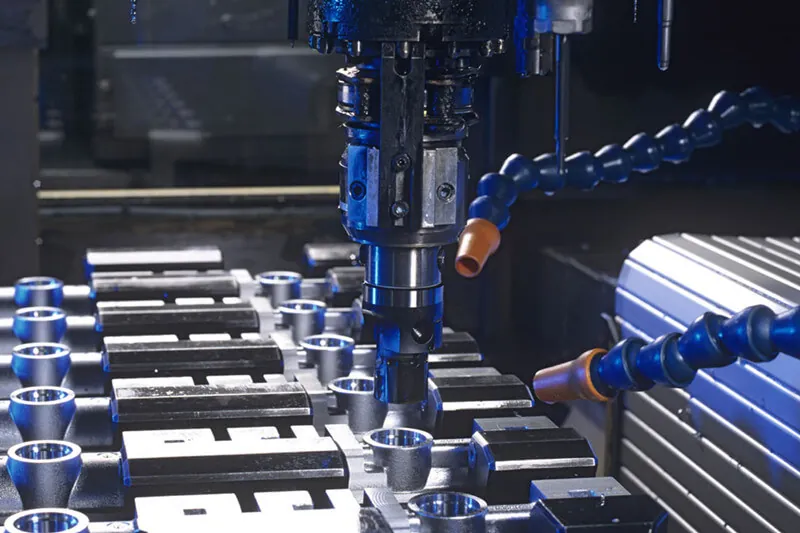
Low volume CNC machining offers precision, speed and adaptability, producing limited quantities without the constraints of traditional mass production.
Understanding Low Volume CNC Machining
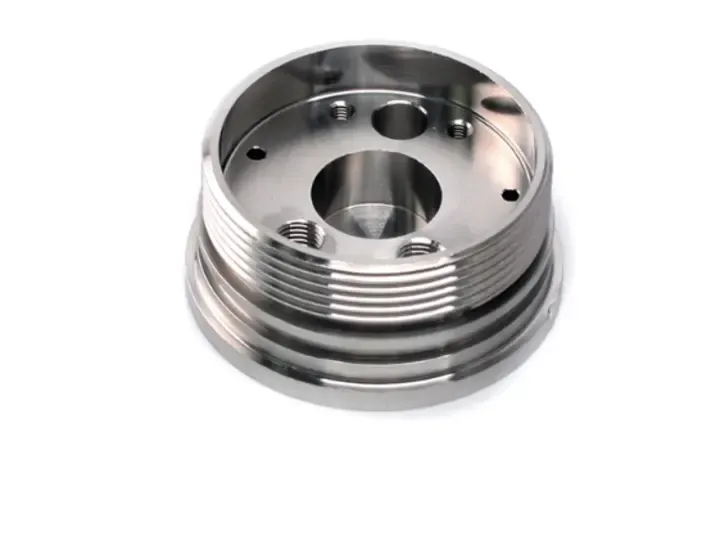
Low volume CNC machining refers to CNC production of parts in limited quantities, typically ranging from a handful to a few thousand pieces. It is distinct from mass production, where large numbers of identical components are manufactured.
The method sits between prototyping and full scale production. Prototyping creates one or very few pieces for testing and validation, while full scale production meets high demand. Low volume machining lets you produce and test a moderate number of parts before scaling up.
Advantages of Low Volume CNC Machining
Enhancing Manufacturing Flexibility
Unlike methods that need expensive moulds or tooling changes for design alterations, CNC machining allows easy adjustment, so design errors are identified and rectified without significant cost.
Speeding Up Time To Market
Faster turnaround means products launch without unnecessary delay, which matters when market trends and preferences shift quickly.
Improving Business Cash Flow
Reduced time to market means a quicker return on investment, freeing capital to reinvest in other ventures or innovations.
A Link In The Production Chain
Low volume machining bridges prototyping and mass production, so the final mass produced parts meet all specifications.
Low Volume CNC Machining FAQ
Is low volume the same as small batch?
The terms are often used interchangeably. Both describe CNC production of limited quantities rather than mass production.
When should I move to tooling?
When the design is stable and annual volume justifies the tooling cost. Send us your projected volumes and we will tell you where the crossover sits for your part.
Does quality differ between low volume and production runs?
No. The same inspection regime applies: first piece, in-process and final inspection.
Related Pages
Quote My Low Volume Run
Send the drawing with quantity per release and the number of releases per year.