
CNC Optics Industry Applications
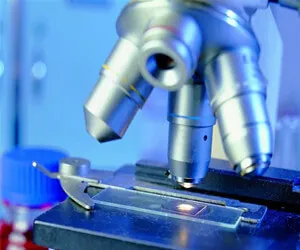
CNC optics is the convergence of precision engineering and optical science, ensuring unparalleled precision and consistency in optical component manufacturing.
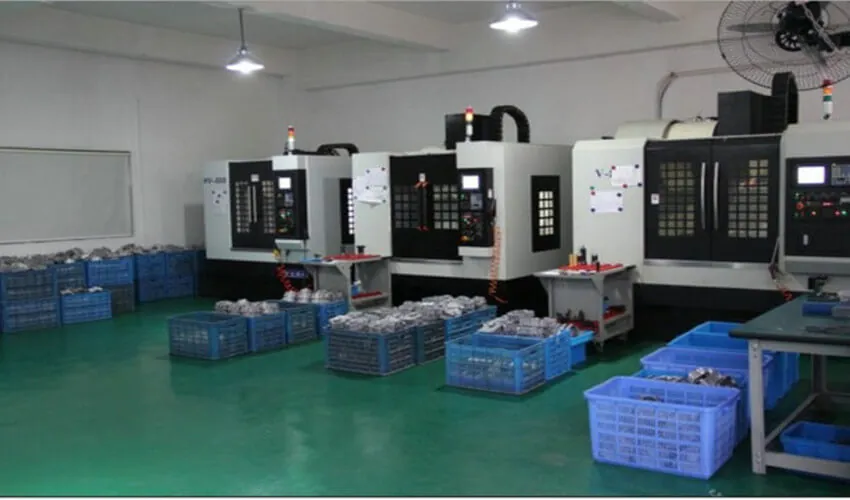
As demand for high quality, intricate optical components grows in healthcare, telecommunications and aerospace, CNC machining has become a cornerstone of optics manufacturing. Our precision machines, current testing equipment and skilled inspectors ensure your optical components meet specification and compliance standards.
Techniques and Applications Compared
| CNC Optics Technique | Primary Benefit | Application Example |
|---|---|---|
| Diamond Turning | Ultra smooth surfaces | Infrared optics and lenses |
| Precision Milling | Complex optical shapes | Aspheric lenses |
| Grinding and Polishing | High quality finish | Telescope mirrors |
| Ultrafast Laser Machining | Precision without heat damage | Micro optics and diffractive optics |
| Optical Coating | Enhanced optical properties | Anti reflective coatings |
What We Supply Into This Sector
Processes
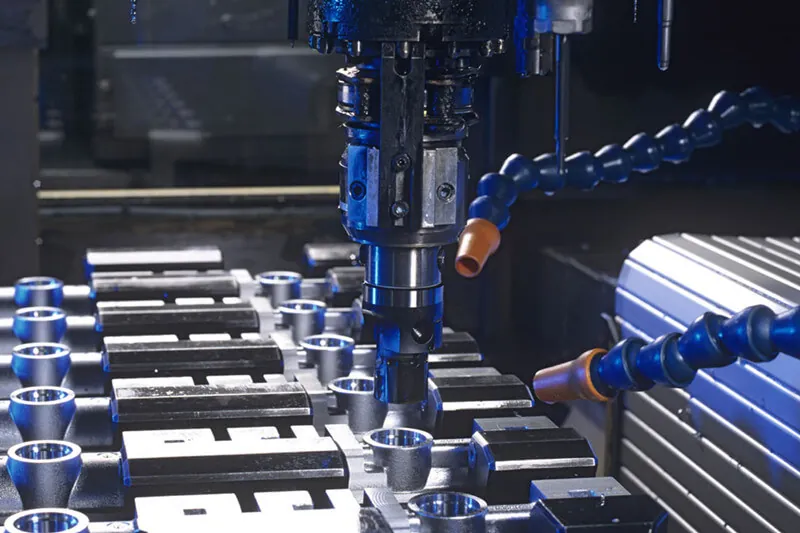
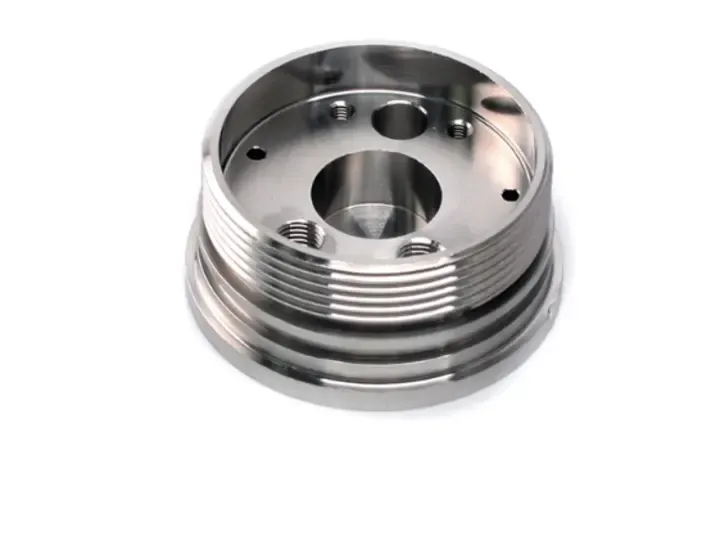
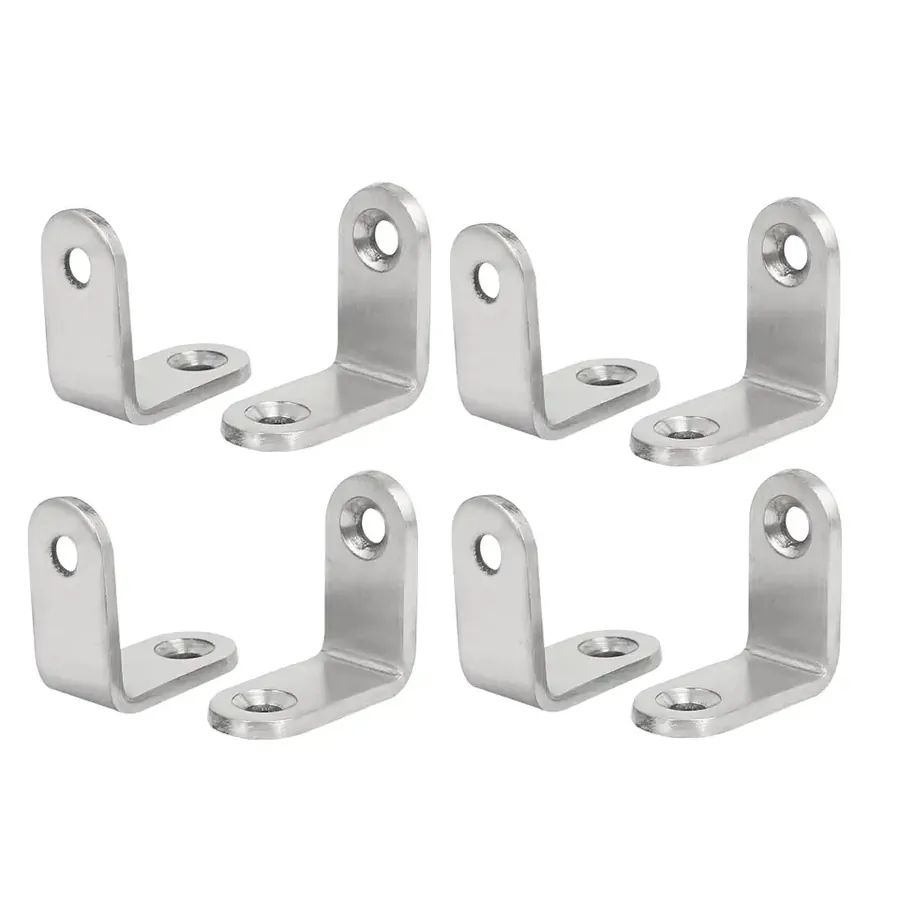
CNC machining, CNC milling, CNC turning, metal stamping and sheet metal fabrication, all under one roof.
Materials
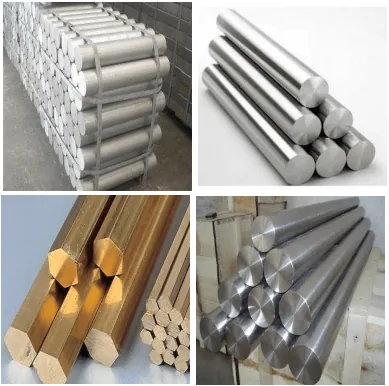
Aluminum, steel, stainless steel, titanium, brass, copper and engineering plastics, RoHS compliant on request.
Volumes
Prototype and limited production parts through to long production contracts, with samples before mass production.
Frequently Asked Questions
How does CNC ensure optical component quality?
It offers the precision that optical components require, because minute imperfections affect optical performance.
Can CNC produce complex optical shapes?
Yes. Techniques such as precision milling allow complex optical shapes including aspheric lenses.
What materials are common in CNC optics?
Glass, crystals and certain polymers, chosen for their optical properties.
Is CNC used in telescope lens production?
Yes, CNC produces telescope lenses so they gather light effectively and provide clear images.
Can CNC produce micro optics?
Yes, micro machining techniques allow the production of very small optical components.
Related Pages
Send Your Drawing For This Application
Tell us the assembly, the tolerance that matters and the annual quantity.