
Custom Mechanical Parts
Understanding the nuances of each manufacturing method is what makes the difference between a part that works and a part that merely fits.
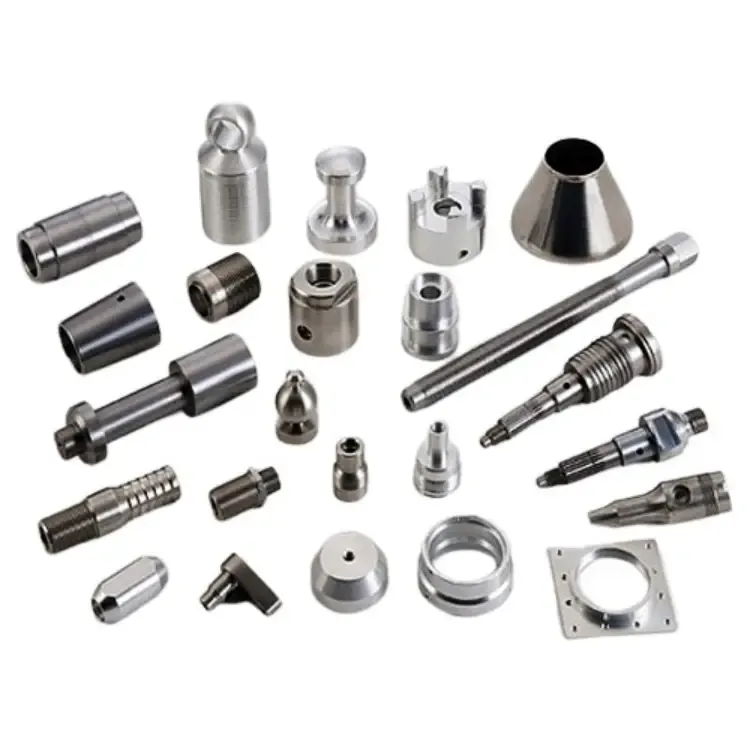
In mechanical engineering and manufacturing, custom parts play a central role. This guide covers the primary manufacturing techniques, applications, advantages and limitations across a range of custom mechanical parts, so you can decide which route suits your component before you request a quotation.
Custom Fasteners: Method Comparison
| Manufacturing Method | Application | Advantages | Limitations |
|---|---|---|---|
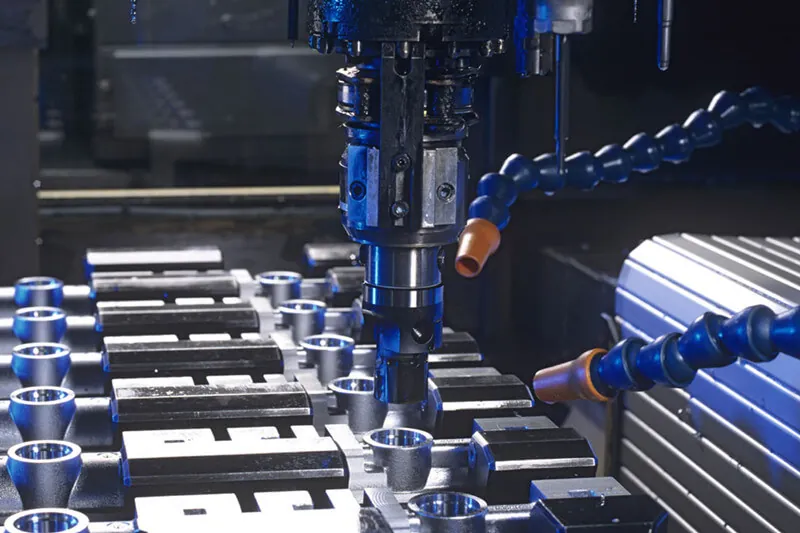
| CNC Machining | Joining components in various applications | High precision, suitable for complex designs | Higher cost for small batches |
| Cold or Hot Forging | Joining components in various applications | Enhanced strength, efficient for bulk production | Design limitations |
Part Families Covered
Custom Fasteners
Bolts, screws, nuts and specials produced by machining or forging depending on volume and strength requirement.
Custom Bolts
Specific thread patterns, lengths and head designs machined to your drawing.
Machined Housings and Enclosures
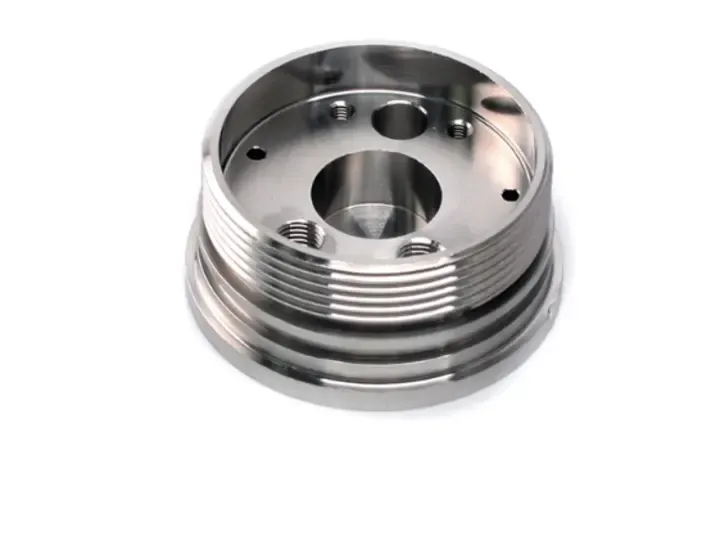
Milled bodies and covers where fit and sealing surfaces matter.
Rotating Components
Shafts, bushes and flywheel type components turned to concentricity requirements.
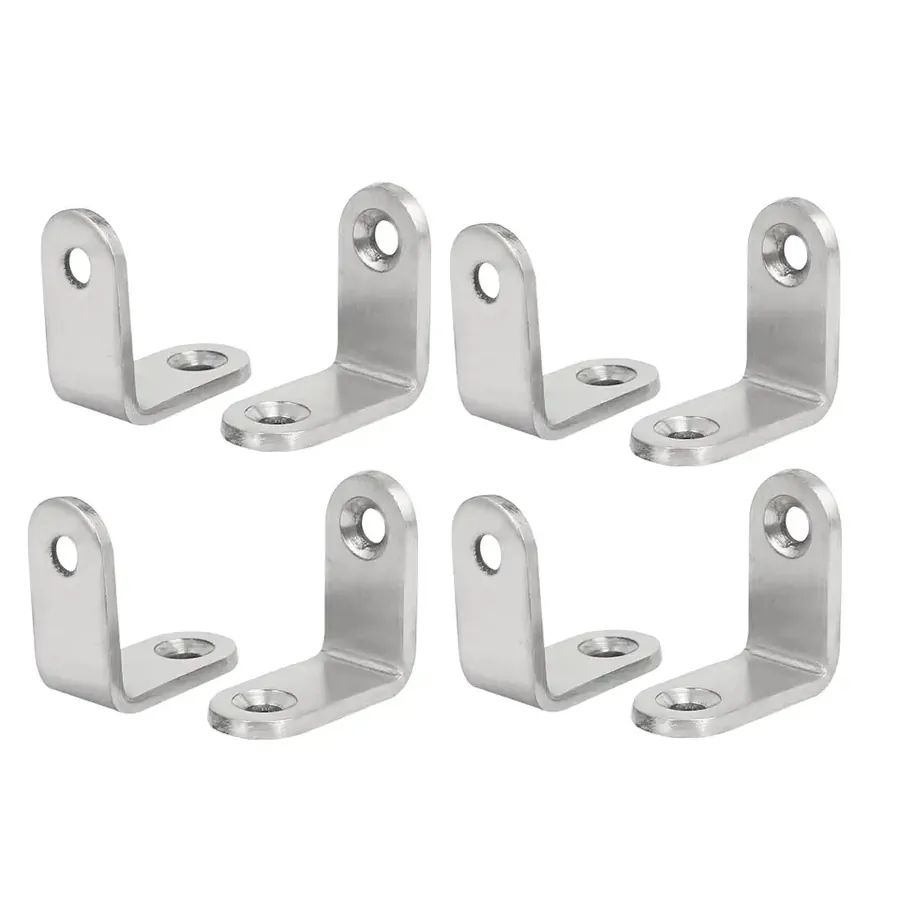
Brackets and Mounts
Machined, stamped or fabricated depending on quantity and geometry.
Assemblies
Multi part components assembled in house so you receive a finished unit.
Custom Mechanical Parts FAQ
Machining or forging for my fastener?
Machining for precision, complex designs and lower volumes. Forging for strength and bulk production, accepting the design limitations that come with it.
Can you make a part I cannot find as a standard item?
Yes, that is the point of custom work. Send a drawing, or a sample of the closest standard part with the changes marked.
Do you supply assembled units?
Yes, assembly is one of our listed processes alongside machining, stamping and sheet metal.
Related Pages
Discuss Your Mechanical Part
Send the drawing and we will recommend the manufacturing method honestly, including when it is not ours.