






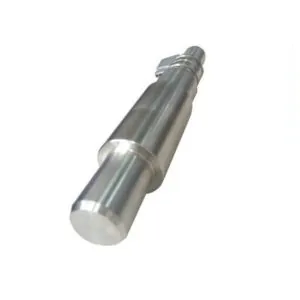
CNC Automation Applications
CNC automation represents the pinnacle of manufacturing efficiency and precision. As industries strive for higher productivity and consistent quality, integrating automation within CNC processes has become essential.
From reducing human error to increasing production speed, CNC automation is reshaping the manufacturing landscape. With 20 CNC machines at the ready we handle automation parts orders, whether complex or straightforward, and keep your production line operational by delivering the parts you need on time and as quoted.
Techniques and Applications Compared
| CNC Automation Technique | Primary Benefit | Application Example |
|---|---|---|
| Robotic Arms | Consistent production | Handling and positioning materials |
| Automated Tool Changers | Reduced manual intervention | Multi process machining tasks |
| Pallet Changers | Efficient material handling | Batch production runs |
| Machine Vision Systems | Quality assurance | Detecting manufacturing defects |
| Software Integration | Streamlined operations | CAD and CAM integration from design to production |
What We Supply Into This Sector
Processes
CNC machining, CNC milling, CNC turning, metal stamping and sheet metal fabrication, all under one roof.
Materials
Aluminum, steel, stainless steel, titanium, brass, copper and engineering plastics, RoHS compliant on request.
Volumes
Prototype and limited production parts through to long production contracts, with samples before mass production.
Frequently Asked Questions
What is the primary advantage of CNC automation?
It enhances precision, reduces human error and increases production efficiency.
How does CNC automation impact production costs?
Initial setup can be costly, but automation leads to significant long term savings through reduced waste, faster production and consistent quality.
Is CNC automation suitable for all manufacturing sectors?
It is beneficial for many, but suitability depends on production volume, complexity and specific industry needs.
How does automation contribute to worker safety?
By automating repetitive and potentially hazardous tasks, it reduces the risk of workplace injury.
Can automation adapt to design changes quickly?
Yes. With the right software, CNC machines can be reprogrammed swiftly to accommodate design alterations.
What role does software play?
Software integration such as CAD and CAM systems streamlines operations and allows a seamless transition from design to production.
Related Pages
Send Your Drawing For This Application
Tell us the assembly, the tolerance that matters and the annual quantity.