
CNC Automotive Parts
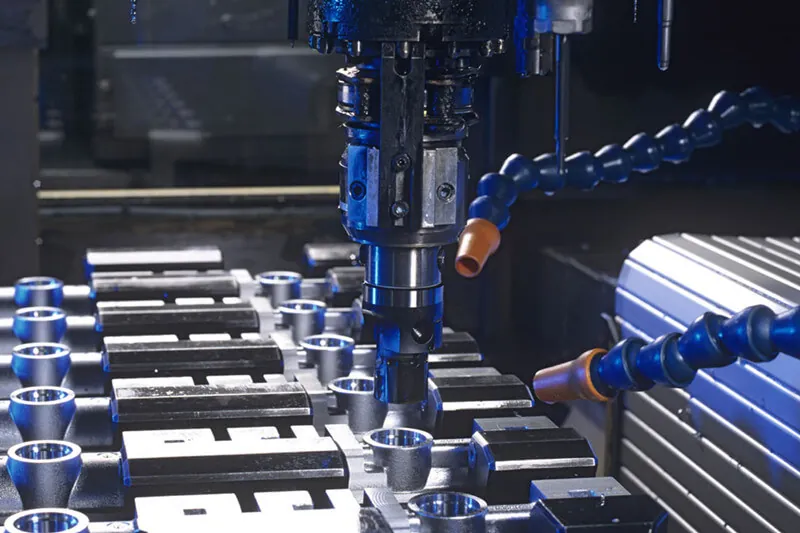
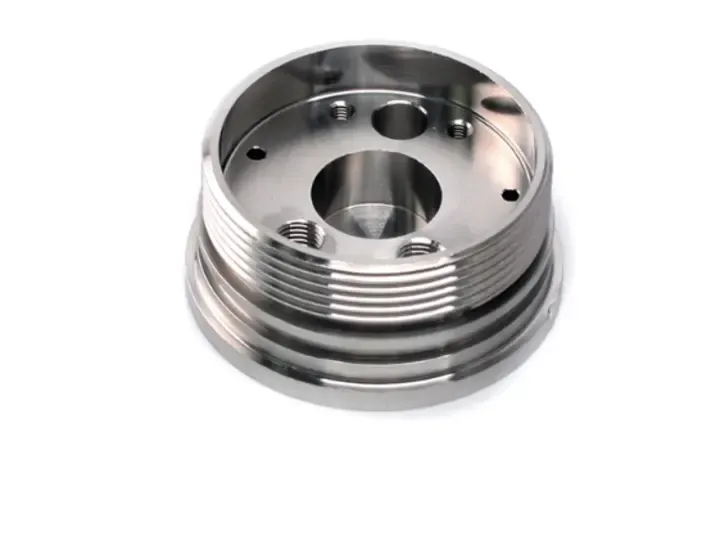
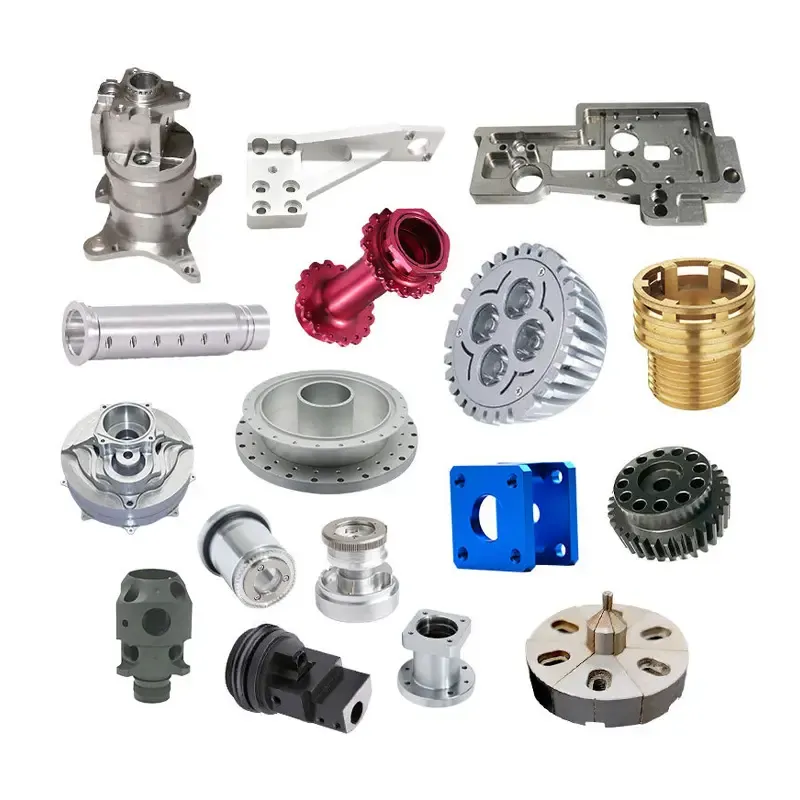
CNC automotive parts are at the heart of modern vehicle manufacturing. This guide covers the CNC methods behind them and how each component type is produced.
Selecting the right manufacturing partner matters as much as selecting the right process. Below is how each CNC method is applied in automotive part production, which is a useful reference when deciding how your own component should be made.
CNC Methods in the Automotive Industry
| CNC Method | Application in Automotive Parts |
|---|---|
| Milling | Complex parts such as engine components, gears and other intricate metal parts. |
| Turning | Shafts, threaded components and other parts that require rotational machining. |
| Drilling | Holes in parts, such as bolt placements in engine blocks or braking systems. |
| Grinding | A smooth finish on surfaces that require tight tolerances, such as camshafts or crankshafts. |
| Electrical Discharge Machining | Shaping hard metals and creating intricate shapes that are difficult with traditional machining. |
| Plunge and Ram EDM | Complex cavities and shapes in hardened steel. |
| Wire EDM | Intricate shapes and thin walled configurations without distortion. |
| Boring | Enlarging a hole or cylindrical cavity made by a previous process, or producing a tapered hole. |
These CNC methods are essential to the precision, efficiency and quality of automotive parts.
CNC Automotive Parts FAQ
Which method suits a camshaft or crankshaft surface?
Grinding, because those surfaces need both a smooth finish and tight tolerance that turning alone will not reach.
Why use wire EDM on automotive parts?
It cuts intricate shapes and thin walled sections without distorting them, which conventional cutting forces would.
Do you supply automotive tuning parts?
Yes. We specialise in prototype and short run manufacture of parts and assemblies, particularly in the automotive tuning field.
Related Pages
Quote My Automotive Component
Send the drawing with material, tolerance, finish and annual quantity.