
CNC Electronics Industry Applications
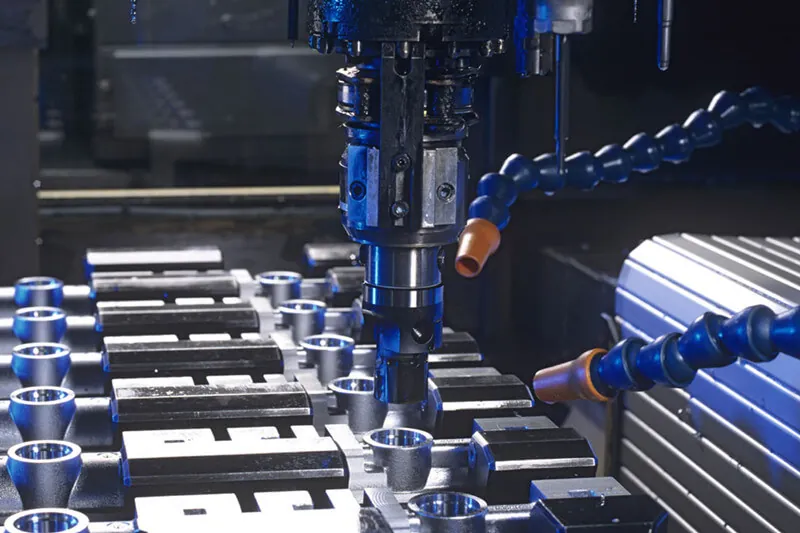
CNC electronics is the integration of precision machining with electronic components, producing intricate circuitry and parts as the industry demands miniaturisation and higher performance.
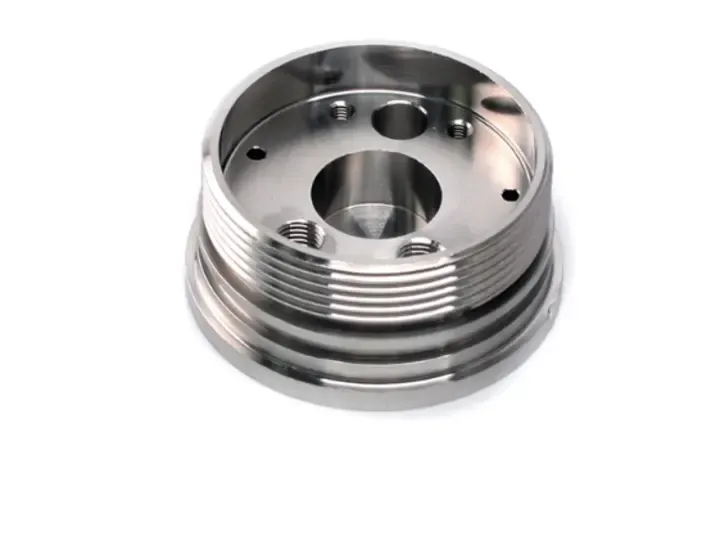
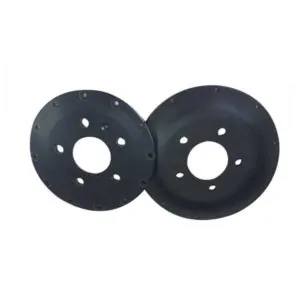
Whether it is heat sinks, mobile phone cases, cavity filters or more, we manage parts and assemblies from prototype through production, using whichever materials the application requires.
Techniques and Applications Compared
| CNC Electronics Technique | Primary Benefit | Application Example |
|---|---|---|
| PCB Milling | Accurate circuit board design | Prototype circuit boards |
| Micro Drilling | Precision hole placement | PCBs and semiconductor wafers |
| Laser Etching | Fine detail without physical contact | Integrated circuits and chip engraving |
| Precision Grinding | Ultra smooth surfaces | Optoelectronic components |
| 3D IC Machining | Multi layer component integration | Advanced microchips and memory stacks |
What We Supply Into This Sector
Processes
CNC machining, CNC milling, CNC turning, metal stamping and sheet metal fabrication, all under one roof.
Materials
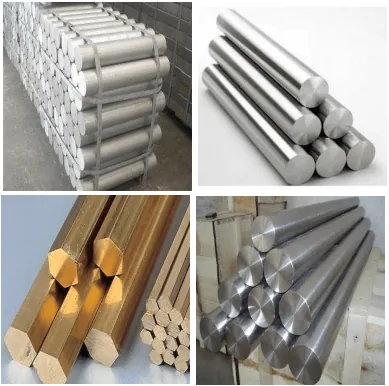
Aluminum, steel, stainless steel, titanium, brass, copper and engineering plastics, RoHS compliant on request.
Volumes
Prototype and limited production parts through to long production contracts, with samples before mass production.
Frequently Asked Questions
Why is CNC precision vital for electronics?
Given the miniaturisation trend in electronics, CNC precision is essential for micro and nano scale components.
How does CNC support rapid electronics prototyping?
PCB milling in particular allows quick prototype development, which speeds up electronics innovation.
Which CNC techniques are preferred for semiconductors?
Micro drilling and laser etching, because of their precision and delicacy.
Can CNC produce flexible electronic components?
Yes, CNC can be adapted to produce flexible components for applications such as wearable technology.
How does CNC benefit optoelectronics?
It ensures components such as lasers and LEDs are produced with high precision, which enhances their performance.
Related Pages
Send Your Drawing For This Application
Tell us the assembly, the tolerance that matters and the annual quantity.