
CNC Medical Industry Applications
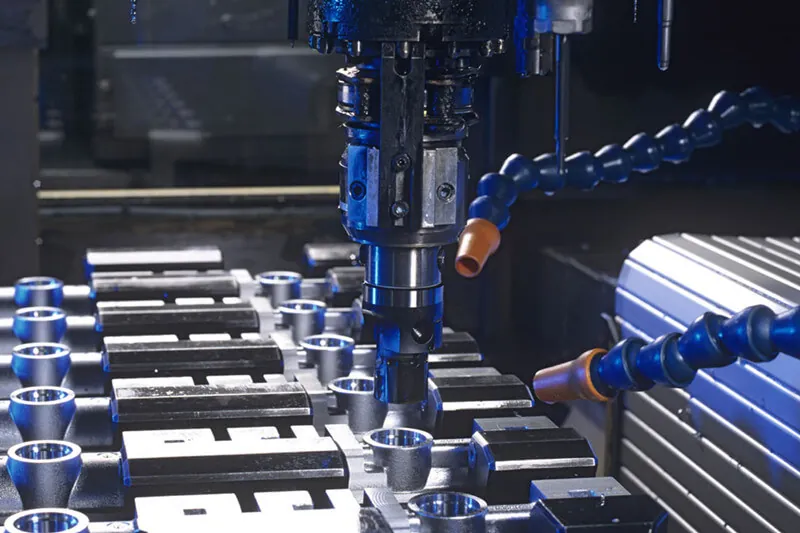
CNC medical applications combine advanced technology with healthcare, ensuring precision in the creation of medical tools and devices.
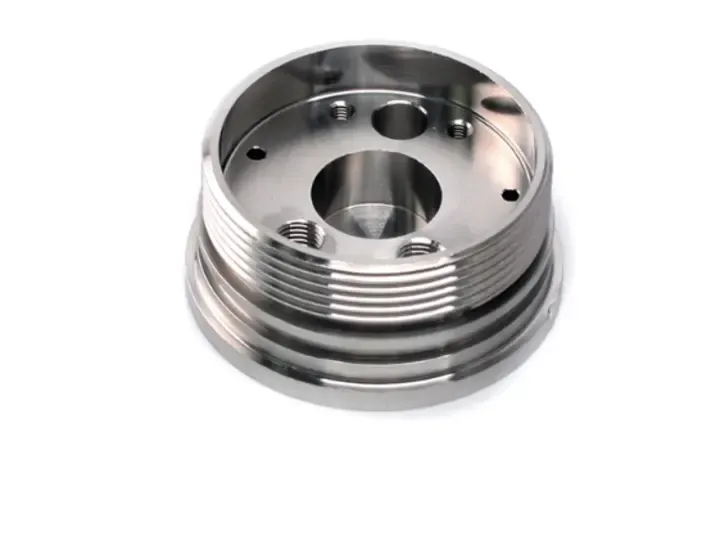
Having produced a variety of precision parts from surgical instruments to medical testing devices, we have established ourselves as a valued partner in the medical market. Titanium, stainless steel and medical grade plastics are the materials most commonly used because of their biocompatibility.
Techniques and Applications Compared
| CNC Medical Technique | Primary Benefit | Application Example |
|---|---|---|
| Precision Milling | Intricate component design | Surgical instruments |
| 5-Axis Machining | Complex geometries | Orthopedic implants |
| Micro Machining | Ultra fine details | Dental implants and micro needles |
| Laser Cutting and Engraving | Precision without physical contact | Stents and catheters |
| Swiss Turning | High precision cylindrical parts | Bone screws and pins |
What We Supply Into This Sector
Processes
CNC machining, CNC milling, CNC turning, metal stamping and sheet metal fabrication, all under one roof.
Materials
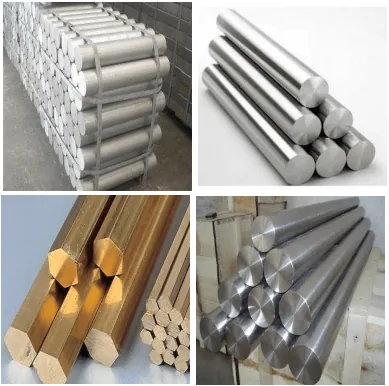
Aluminum, steel, stainless steel, titanium, brass, copper and engineering plastics, RoHS compliant on request.
Volumes
Prototype and limited production parts through to long production contracts, with samples before mass production.
Frequently Asked Questions
How does CNC machining enhance medical device quality?
It provides high precision and consistency, which is vital for devices that affect patient health.
Is CNC suitable for custom medical implants?
Yes. CNC allows tailored implants, which improves patient compatibility.
Can CNC produce sterile medical components?
CNC crafts the components, and they undergo subsequent sterilisation for medical use.
Which materials are predominantly used?
Titanium, stainless steel and medical grade plastics, because of their biocompatibility.
How does CNC support dental implant manufacturing?
Its precision allows dental implants to be created so they fit patients accurately.
Related Pages
Send Your Drawing For This Application
Tell us the assembly, the tolerance that matters and the annual quantity.