
Popular Types of Stainless Steel
| Type | Common Grades | Advantages | Limitations |
|---|---|---|---|
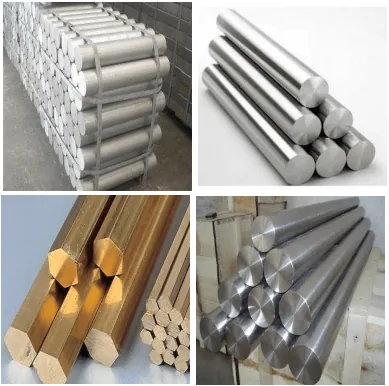
| Austenitic (200 and 300 series) | 1Cr18Ni9Ti (321), 0Cr18Ni9 (302), 00Cr17Ni14Mo2 (316L) | Excellent weldability, good plasticity, deformation resistance, stability and easy passivation | Sensitive to chloride containing solutions and prone to stress corrosion |
| Ferritic (400 series, chromium 11.5% to 32.0%) | 00Cr12, 1Cr17 (430), 00Cr17Mo, 00Cr30Mo2, Cr17, Cr17Mo2Ti, Cr25, Cr25Mo3Ti, Cr28 | High chromium content, excellent thermal conductivity and better stability | Inferior mechanical properties and process performance |
| Martensitic (400 series, chromium 11.5% to 18.0%) | 1Cr13 (410), 2Cr13 (420), 3Cr13, 1Cr17Ni2 | High carbon content resulting in high hardness | Limited plasticity and weldability |
Applications of Stainless Steel
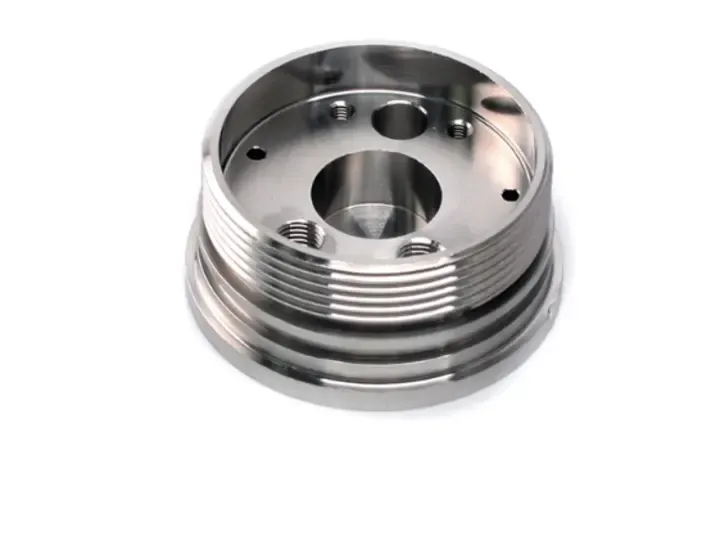
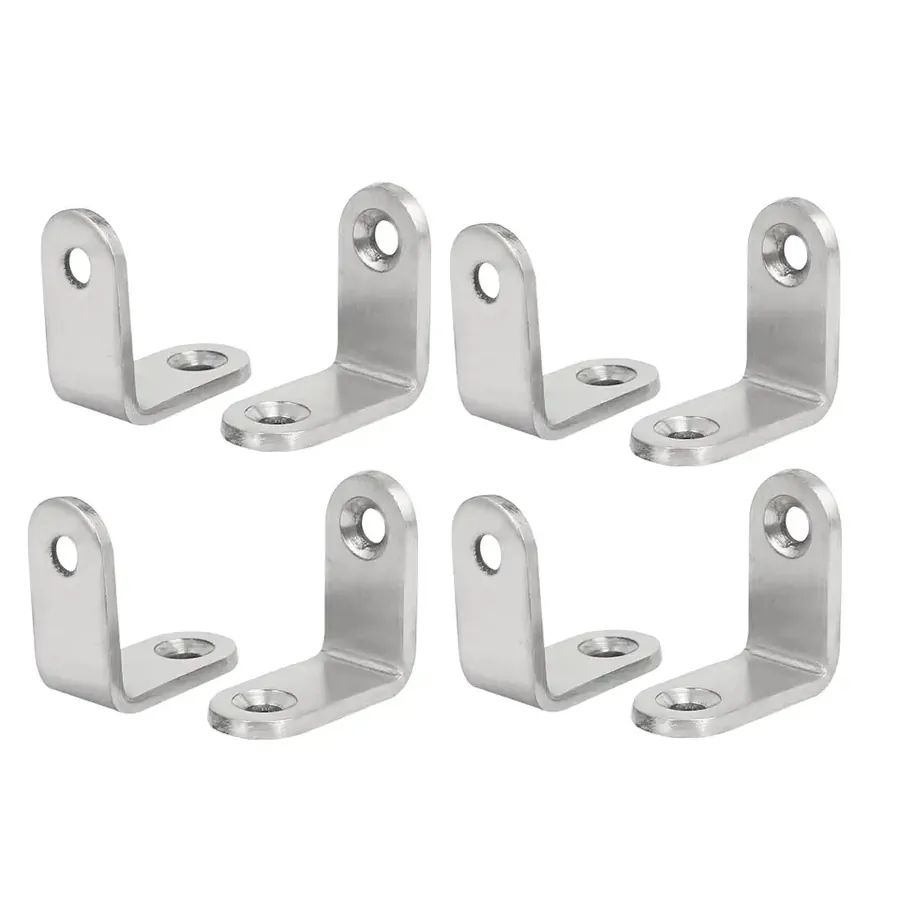
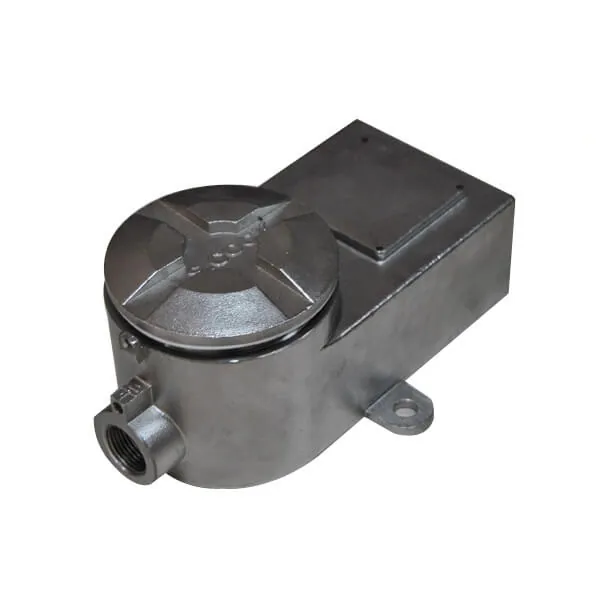
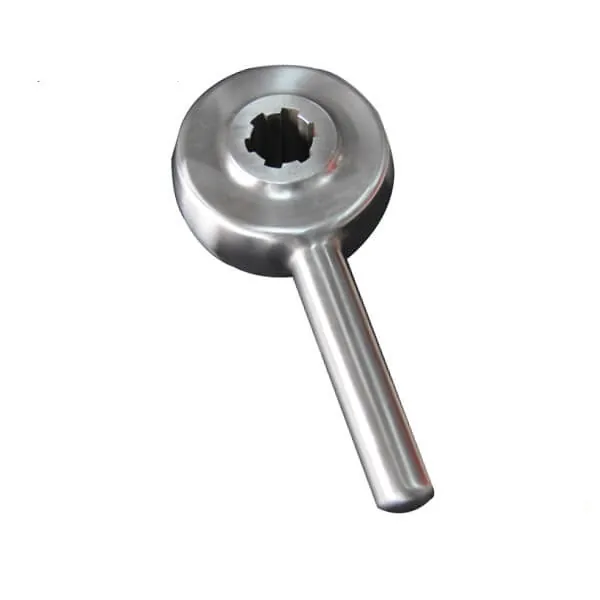
Custom stainless steel parts are used in containers, handles, marine parts, engine components, cooking utensils, medical devices, hospital instruments, lab equipment, pressure tanks, fasteners, automotive parts and architectural components.
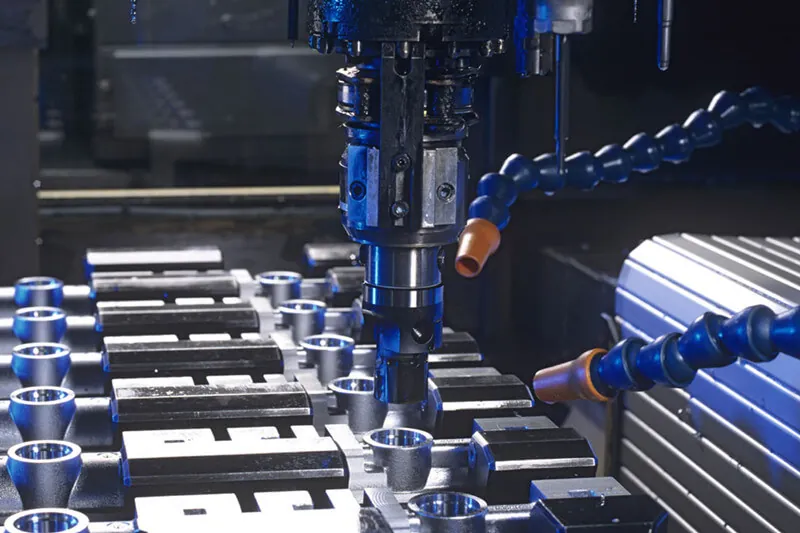
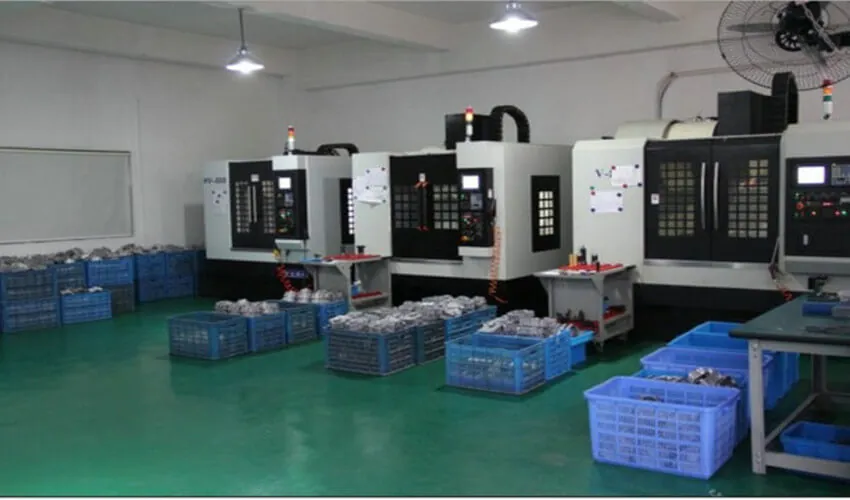
Our catalog grades include SUS303, SUS303Cu, SUS304, SUS304F, SUS316, SUS316L, SUS416, SUS430F, SUS440 and SUS420J2. Wuxi Lead Precision Machinery uses machining, milling, turning, drilling, laser cutting, EDM, stamping, sheet metal, forging and more to manufacture stainless steel parts.
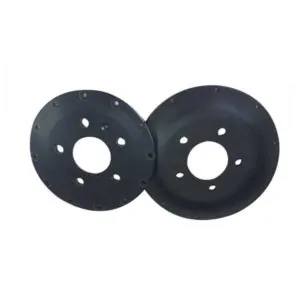
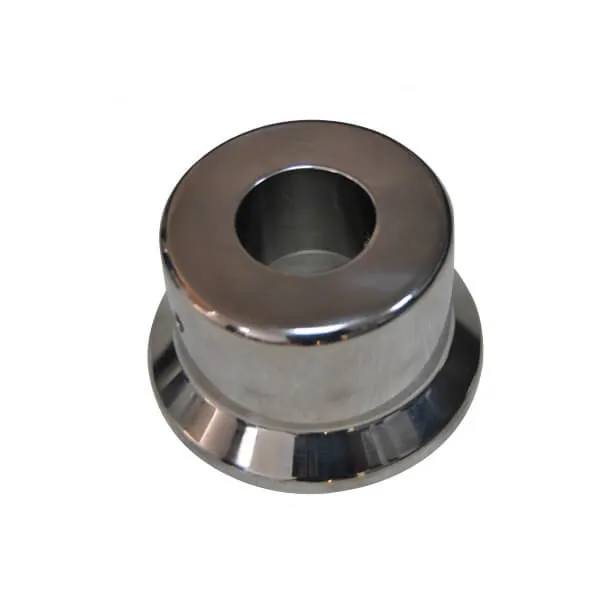
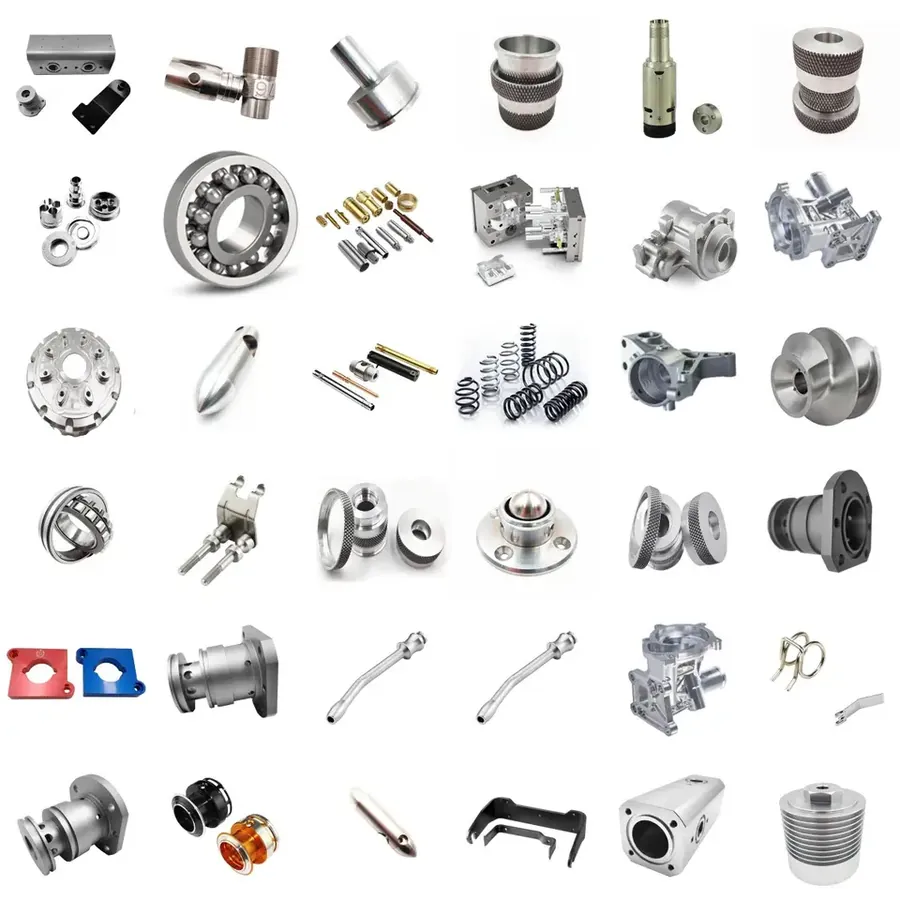
Stainless Steel Parts We Produce
Stainless Steel Parts FAQ
304 or 316, which should I use?
316 and 316L contain molybdenum and resist chlorides better, which matters in marine and chemical environments. 304 is cheaper and adequate for most general and food contact work.
Which stainless machines fastest?
Free machining grades such as SUS303 and SUS430F cut faster and cost less per part than 304 or 316, but they are less corrosion resistant, so the choice is a trade off.
Can stainless parts be passivated?
Austenitic grades passivate easily, which is one of their main advantages. Tell us if passivation is required with the order.
Why do you list the limitations of each type?
Because choosing a grade for its advantages while ignoring its weaknesses is how parts fail in service. Ferritic grades have inferior mechanical properties, martensitic grades have limited weldability, and austenitic grades are prone to stress corrosion in chlorides.
Related Pages
Quote My Stainless Steel Part
Send the drawing with the grade, tolerance and surface requirement.