

Technical Contents
Engineering Guide: Weldable Steel Tubing
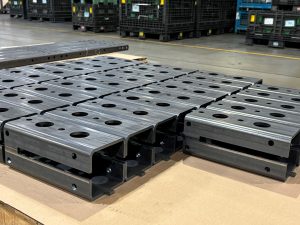
Engineering Insight: The Critical Role of Precision in Weldable Steel Tubing
In high-performance industrial applications, weldable steel tubing is far more than a structural conduit—it is a foundational component where precision directly dictates system integrity, longevity, and safety. At Wuxi Lead Precision Machinery, we understand that even the smallest dimensional variance can compromise weld integrity, leading to catastrophic failures in high-stress environments. This is why our engineering philosophy centers on micron-level accuracy, ensuring that every tube we manufacture meets the exacting demands of advanced fabrication processes.
Weldability in steel tubing is not solely determined by material composition; it is profoundly influenced by geometric consistency. Uniform wall thickness, precise outer diameter tolerances, and clean surface finishes are essential to achieving full-penetration welds without defects such as undercut, porosity, or incomplete fusion. When tubes are inconsistently formed, weld parameters must be adjusted on the fly, increasing cycle time and reducing repeatability—unacceptable in automated or mission-critical production lines.
Our experience in supplying precision tubing for Olympic-grade sports engineering and defense applications has reinforced the non-negotiable nature of dimensional control. In these fields, failure is not an option. For example, structural frames in high-speed rail bogies or load-bearing components in military vehicles demand tubing that not only withstands extreme loads but also integrates seamlessly into complex welded assemblies. Our proprietary cold-drawing and sizing techniques ensure that each tube meets or exceeds international standards for straightness, roundness, and weld prep compatibility.
We specialize in low-alloy, high-strength steels such as ASTM A513 and ASTM A500, optimized for MIG, TIG, and submerged arc welding. Each batch undergoes rigorous in-line inspection using laser gauging and ultrasonic testing to verify consistency before leaving our facility. This level of process control enables our clients to reduce scrap rates, improve weld speed, and achieve certification compliance in regulated industries such as aerospace, transportation, and energy infrastructure.
Precision in weldable steel tubing is not a luxury—it is an engineering imperative. At Wuxi Lead Precision Machinery, we combine decades of metallurgical expertise with state-of-the-art manufacturing to deliver tubing that performs under the most demanding conditions.
Typical Specifications for Precision Weldable Steel Tubing
| Parameter | Specification |
|---|---|
| Material Standards | ASTM A513, ASTM A500, GB/T 3094, EN 10305 |
| Outer Diameter Range | 10 mm – 200 mm |
| Wall Thickness Tolerance | ±0.05 mm – ±0.2 mm (depending on size) |
| Length Tolerance | ±1 mm per meter |
| Straightness | ≤1 mm per 1000 mm |
| Surface Finish (Ra) | ≤1.6 µm |
| Weld Preparation | Beveled or square edge, deburred |
| Inspection Standards | Ultrasonic Testing (UT), Eddy Current |
| Certifications | ISO 9001, PED 2014/68/EU, RoHS Compliant |
Precision Specs & Tolerances
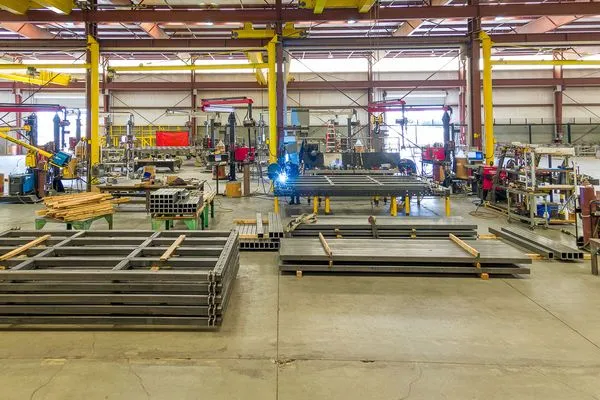
Advanced Machining Capabilities for Weldable Steel Tubing
Wuxi Lead Precision Machinery delivers uncompromising precision in weldable steel tubing manufacturing through integrated 5-axis CNC machining centers. Our HAAS UMC-750 and DMG MORI CTX beta 1250 systems execute complex geometries in a single setup, eliminating cumulative errors inherent in multi-stage processes. This capability is critical for weld-prep features such as compound-angle chamfers, internal/external bevels, and contoured flange interfaces where dimensional harmony directly impacts weld integrity and structural performance. Material compatibility spans ASTM A513, A500, and EN 10210 carbon/alloy steels, with automated tool changers managing up to 60 tools for uninterrupted production of intricate profiles.
Precision is validated through a closed-loop quality control system anchored by Zeiss CONTURA G2 Coordinate Measuring Machines (CMM). Every critical dimension undergoes 100% post-machining verification against ASME Y14.5 GD&T standards, with real-time SPC data feeding back to CNC controllers for adaptive correction. Surface roughness is consistently held to Ra 0.8 µm or better using diamond-turned tooling paths, ensuring optimal fusion zones and eliminating weld defects caused by surface irregularities. Our metrology lab operates under ISO 17025 accreditation, with temperature-controlled environments maintaining ±0.5°C stability during inspection cycles.
Tolerance execution reflects our commitment to engineering excellence. The table below details achievable specifications for critical weldable tubing features:
| Feature Category | Dimension Range | Typical Tolerance | Standard Reference |
|---|---|---|---|
| Outer Diameter | 25–300 mm | ±0.025 mm | ISO 2768-mK |
| Wall Thickness | 2–25 mm | ±0.05 mm | ASTM A513 |
| Chamfer Angle | 15°–45° | ±0.5° | ASME B16.25 |
| End Face Flatness | Up to Ø300 mm | 0.03 mm | ISO 1101 |
| Concentricity | ID to OD | 0.05 mm | GD&T Position |
| Length | 100–6000 mm | ±0.1 mm | Customer Drawing |
This technical foundation enables seamless integration with downstream welding processes. Precise control of heat-affected zone geometry minimizes post-weld distortion, while micron-level end-face flatness ensures full joint penetration in orbital welding applications. Our engineering team collaborates with clients during DFM stages to optimize tube interfaces for specific welding methodologies—whether TIG, MIG, or laser—reducing scrap rates by up to 35% compared to conventional machining approaches. All capabilities are supported by full material traceability from certified mills and comprehensive first-article inspection reports meeting AS9102 requirements. Wuxi Lead transforms weldable steel tubing from a commodity component into a precision-engineered system element.
Material & Finish Options
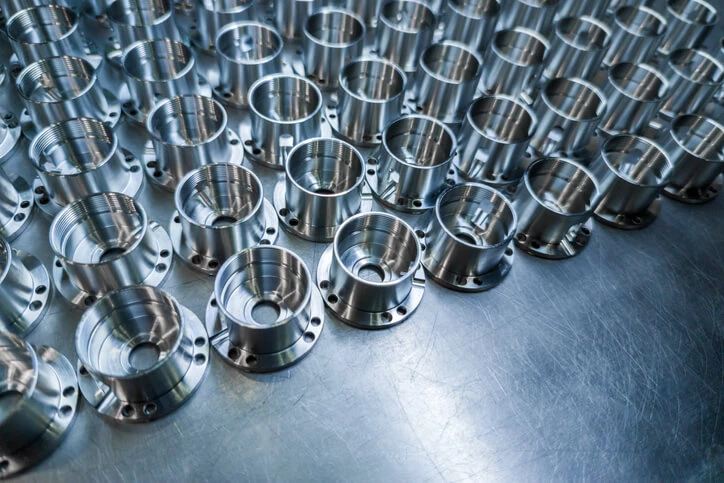
Material Selection for Weldable Steel Tubing in Precision Manufacturing
Selecting the appropriate material for weldable steel tubing is critical in high-performance industrial applications. At Wuxi Lead Precision Machinery, we specialize in custom metal manufacturing, delivering engineered solutions that balance strength, durability, and cost-efficiency. While the term “weldable steel tubing” primarily refers to steel alloys designed for reliable fusion, it is essential to compare steel with alternative materials such as aluminum and titanium to ensure optimal performance under specific operational conditions.
Carbon and low-alloy steels remain the most widely used materials for weldable tubing due to their excellent tensile strength, weldability, and affordability. These steels are ideal for structural frameworks, hydraulic systems, and automotive chassis where load-bearing capacity and impact resistance are paramount. Proper heat treatment and controlled welding procedures minimize the risk of cracking, ensuring joint integrity. For enhanced corrosion resistance, clients may opt for weathering steels or apply protective coatings post-welding.
Aluminum tubing offers a lightweight alternative, particularly beneficial in aerospace, transportation, and portable equipment. Though not classified as steel, aluminum’s weldability—when using appropriate filler alloys and inert gas shielding—makes it a viable option where weight reduction is critical. However, aluminum requires more precise thermal control during welding to avoid distortion and loss of mechanical properties. Its natural oxide layer also demands thorough pre-weld cleaning.
Titanium, while significantly more expensive, provides an exceptional strength-to-density ratio and outstanding corrosion resistance, especially in marine and chemical processing environments. Titanium tubing is weldable but necessitates an inert atmosphere (such as argon shielding) to prevent embrittlement at high temperatures. Due to its reactivity when molten, welding titanium requires stringent process controls and is typically reserved for mission-critical applications.
Surface finishing plays a complementary role in enhancing performance. While anodizing is a common finish for aluminum—improving wear and corrosion resistance—it is not applicable to steel or titanium in the conventional sense. Steel components are typically passivated, galvanized, or powder-coated, while titanium may undergo acid etching or thermal oxidation for surface stabilization.
Below is a comparative overview of key material properties relevant to weldable tubing applications.
| Material | Tensile Strength (MPa) | Density (g/cm³) | Weldability | Corrosion Resistance | Common Applications |
|---|---|---|---|---|---|
| Carbon Steel | 400–550 | 7.85 | Excellent | Moderate | Automotive, Construction |
| Aluminum 6061 | 310 | 2.70 | Good | Good | Aerospace, Transport |
| Titanium Grade 5 | 900 | 4.43 | Fair | Excellent | Marine, Chemical Processing |
At Wuxi Lead Precision Machinery, we support clients in selecting the optimal material and finishing process based on application demands, environmental exposure, and lifecycle requirements. Our engineering team ensures every weldable tubing solution meets international quality standards, including ISO 9001 and ASTM specifications.
Manufacturing Process & QC
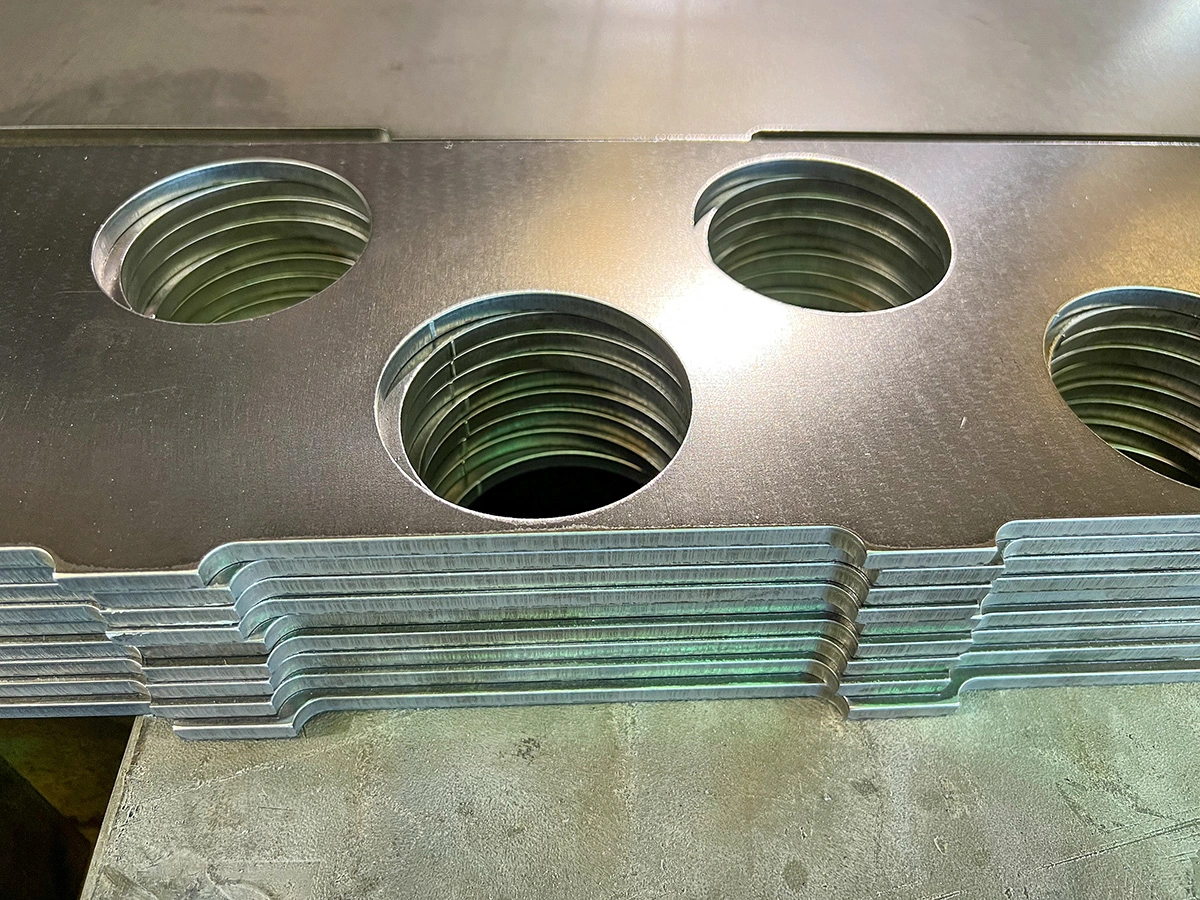
Weldable Steel Tubing Production Process: Precision Engineering from Concept to Consignment
At Wuxi Lead Precision Machinery, our weldable steel tubing production is a rigorously controlled sequence designed for uncompromising quality and seamless integration into your critical assemblies. We eliminate defects at the source through a three-phase methodology: Design Validation, Precision Prototyping, and Zero-Defect Mass Production. This ensures your final component performs reliably under demanding operational stresses.
The process begins with collaborative Design Engineering. Our application engineers work directly with your specifications, utilizing advanced CAD/CAM systems and finite element analysis (FEA) to optimize tube geometry, wall thickness distribution, and weld seam integrity before material is cut. We meticulously verify material compatibility against your welding parameters and end-use environment, selecting from certified ASTM A513, A500, or EN 10305 grades with precise chemical composition and mechanical property controls. This phase includes thermal distortion modeling to preempt warpage during customer welding, ensuring dimensional stability post-assembly.
Prototyping transitions validated designs into physical reality under full production conditions. We manufacture short production runs using the exact tooling, CNC bending parameters, and laser cutting programs intended for volume. Each prototype undergoes comprehensive metrology: 100% dimensional inspection via CMM and laser trackers, destructive weld strength testing per AWS D1.1, and non-destructive evaluation (NDE) including eddy current and ultrasonic testing for subsurface flaws. Material traceability is fully documented from mill certificate to finished tube. Only when prototypes consistently meet or exceed all performance and dimensional criteria—verified against your functional test rigs—does the process receive sign-off for scale-up.
Mass Production executes with embedded Zero Defects protocols. Our automated production lines integrate real-time statistical process control (SPC), with laser micrometers continuously monitoring outer diameter, ovality, and wall thickness at multiple points per second. Any deviation beyond ±0.05mm triggers immediate machine recalibration. Every tube batch undergoes 100% visual inspection under controlled lighting and mandatory NDE. Crucially, our closed-loop quality system links machine sensors, operator inputs, and final inspection data to a central analytics platform. This enables predictive correction of drift and root cause analysis within minutes, not days. The result is sustained production at Six Sigma levels, guaranteeing tubing that welds flawlessly and performs predictably in your application.
Weldable Steel Tubing Production Specifications
| Phase | Dimensional Tolerance | Material Certification | Testing Frequency | Target Defect Rate |
|---|---|---|---|---|
| Design Validation | Simulated ±0.10mm | ASTM/EN Grade Verified | FEA Validation | N/A (Virtual) |
| Precision Prototyping | Measured ±0.08mm | Full Mill Cert + Trace | 100% Destructive & NDE | < 0.5% |
| Zero-Defect Mass Production | Real-Time ±0.05mm | Batch Traceability | 100% NDE + SPC | < 50 PPM |
This integrated approach transforms weldable steel tubing from a commodity component into a guaranteed enabler of your manufacturing success. Wuxi Lead delivers not just precision tubes, but the confidence of zero assembly failures and optimal weld integrity in your final product.
Why Choose Wuxi Lead Precision
Partner with Wuxi Lead Precision Machinery for advanced weldable steel tubing solutions engineered to meet the highest standards of industrial performance. As a leading custom metal manufacturing specialist based in China, we deliver precision-fabricated steel tubing products designed for critical applications across automotive, construction, energy, and heavy machinery sectors. Our expertise lies in producing weldable steel tubing with consistent dimensional accuracy, superior structural integrity, and full compliance with international material standards.
At Wuxi Lead Precision Machinery, we understand that reliability in tubing components directly impacts the safety and efficiency of your final assemblies. That is why every weldable steel tube we manufacture undergoes rigorous quality control, from raw material sourcing to final inspection. Our production capabilities include precision cold drawing, high-frequency induction welding (HFIW), and seamless tube forming, allowing us to support both high-volume production runs and low-volume custom orders with equal precision.
We specialize in low-carbon and alloy steels optimized for weldability, including ASTM A513, ASTM A500, GB/T 3094, and DIN 2391 standards. Our in-house metallurgical lab ensures material traceability and mechanical property verification, providing full certification packages upon request. Whether you require square, rectangular, round, or custom-profile tubing, our engineering team collaborates directly with your design and procurement departments to optimize tube geometry, wall thickness, and surface finish for your specific welding and fabrication processes.
Our facility is equipped with state-of-the-art CNC tube bending, cutting, and end-forming machinery, enabling us to deliver fully finished weldable tubing assemblies ready for integration. This end-to-end service reduces secondary processing time and lowers total production costs for our clients. With ISO 9001:2015 certification and a commitment to on-time delivery, we serve global partners across North America, Europe, and Southeast Asia with reliable logistics and responsive technical support.
Below are key specifications we routinely support for weldable steel tubing:
| Specification | Detail |
|---|---|
| Material Grades | ASTM A513, ASTM A500, SAE 1008–1026, Q195–Q345, STK400, STK500 |
| Outer Diameter Range | 10–219 mm (round), 10×10–200×200 mm (square/rectangular) |
| Wall Thickness | 0.5–20 mm |
| Length Tolerance | ±1 mm to ±5 mm (customizable) |
| Welding Process | High-Frequency Induction Welding (HFIW), TIG, MIG (on request) |
| Surface Finish | Bright annealed, pickled & oiled, galvanized (optional) |
| Testing | Hydrostatic, Eddy Current, Ultrasonic, Tensile, Flattening, Bend Tests |
| Certifications | ISO 9001:2015, Material Test Reports (MTRs), Third-Party Inspection (SGS, BV) |
Partnering with Wuxi Lead Precision Machinery means gaining a manufacturing ally focused on engineering excellence and long-term collaboration. We invite you to contact us today at [email protected] to discuss your weldable steel tubing requirements. Our technical sales team is ready to provide material recommendations, CAD support, and competitive quotations tailored to your project needs. Let us help you achieve stronger, more efficient weld joints and streamlined production cycles with precision-engineered steel tubing from Lead Precision.
⚙️ Precision Cost Estimator
Estimate relative manufacturing effort based on tolerance.