

Technical Contents
Engineering Guide: Urethane Injection Molding
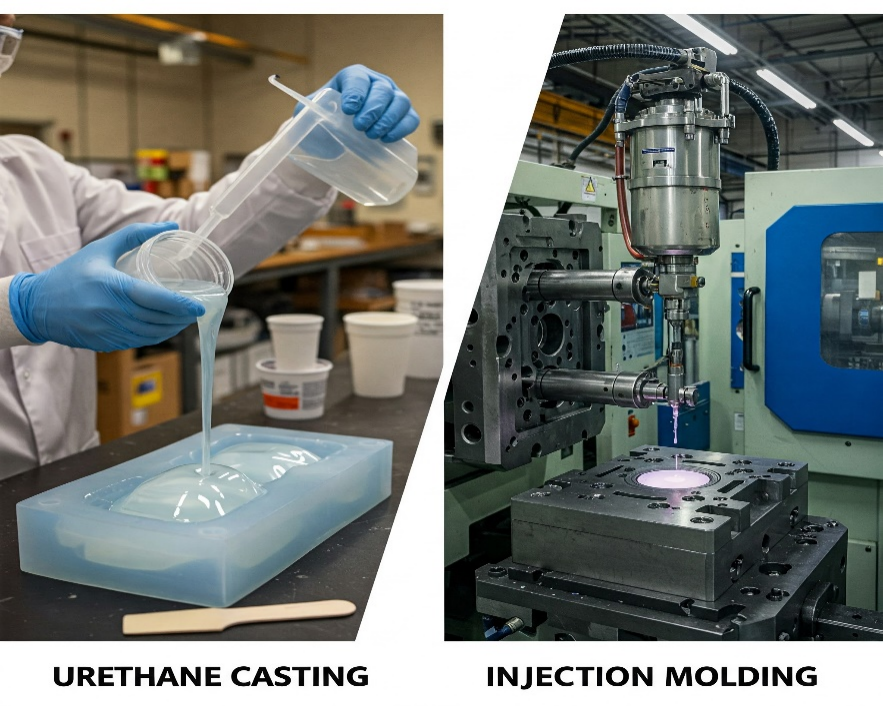
Engineering Insight: The Critical Role of Precision in Urethane Injection Molding
In the realm of advanced custom metal manufacturing, urethane injection molding stands as a pivotal process for producing high-integrity, durable components across aerospace, defense, medical, and industrial sectors. While often grouped with broader polymer processing techniques, urethane injection molding demands a level of engineering precision that rivals even the most exacting metal fabrication standards. At Wuxi Lead Precision Machinery, we recognize that the success of this process hinges not only on material selection and mold design but on micron-level accuracy in every phase—from tooling to injection control.
Urethane, known for its exceptional resilience, abrasion resistance, and load-bearing capacity, behaves differently than thermoplastics during injection. Its reactive chemistry, viscosity profile, and curing kinetics require tightly controlled temperature, pressure, and metering systems. Even minor deviations in mold cavity dimensions or injection timing can result in part warpage, incomplete fills, or inconsistent physical properties. This is where precision engineering becomes non-negotiable. At Lead Precision, our urethane molding systems are engineered with closed-loop control systems, high-resolution sensors, and CNC-machined steel molds that ensure repeatability within ±0.02 mm.
Our expertise in precision extends beyond equipment design. With over 15 years of experience serving Tier 1 suppliers in military and Olympic-grade applications, we have developed a deep understanding of mission-critical tolerances. For example, components used in defense-grade vehicle suspension systems or track components for Olympic bobsleds require not only structural integrity but also perfect symmetry and balance—attributes directly influenced by molding precision. These projects have reinforced our commitment to zero-defect manufacturing and have shaped the standards we apply to every urethane molding solution we deliver.
We integrate finite element analysis (FEA) and mold flow simulation into our design phase, allowing us to predict material behavior and optimize gate locations, venting, and cooling channels. This proactive approach minimizes trial-and-error and accelerates time-to-production, particularly for complex geometries or multi-cavity tools.
The following table outlines key specifications that define the performance of our urethane injection molding systems:
| Parameter | Specification |
|---|---|
| Clamping Force Range | 50–1,200 tons |
| Injection Pressure | Up to 2,500 psi |
| Shot Size Accuracy | ±0.5% of full scale |
| Temperature Control | ±1°C across heating zones |
| Mold Tolerance | ±0.02 mm (CNC-machined steel) |
| Cycle Time Adjustment Range | 10–120 seconds (programmable) |
| Material Compatibility | Polyurethanes (aliphatic & aromatic), silicones, LSR |
| Control System | Siemens PLC with HMI interface |
At Wuxi Lead Precision Machinery, we do not treat urethane injection molding as a standalone process, but as an extension of precision metal manufacturing. Our machines are built in-house using aerospace-grade components, ensuring long-term stability and alignment. When performance, reliability, and exactness are paramount, our engineering philosophy—forged through military and elite industrial applications—delivers results without compromise.
Precision Specs & Tolerances
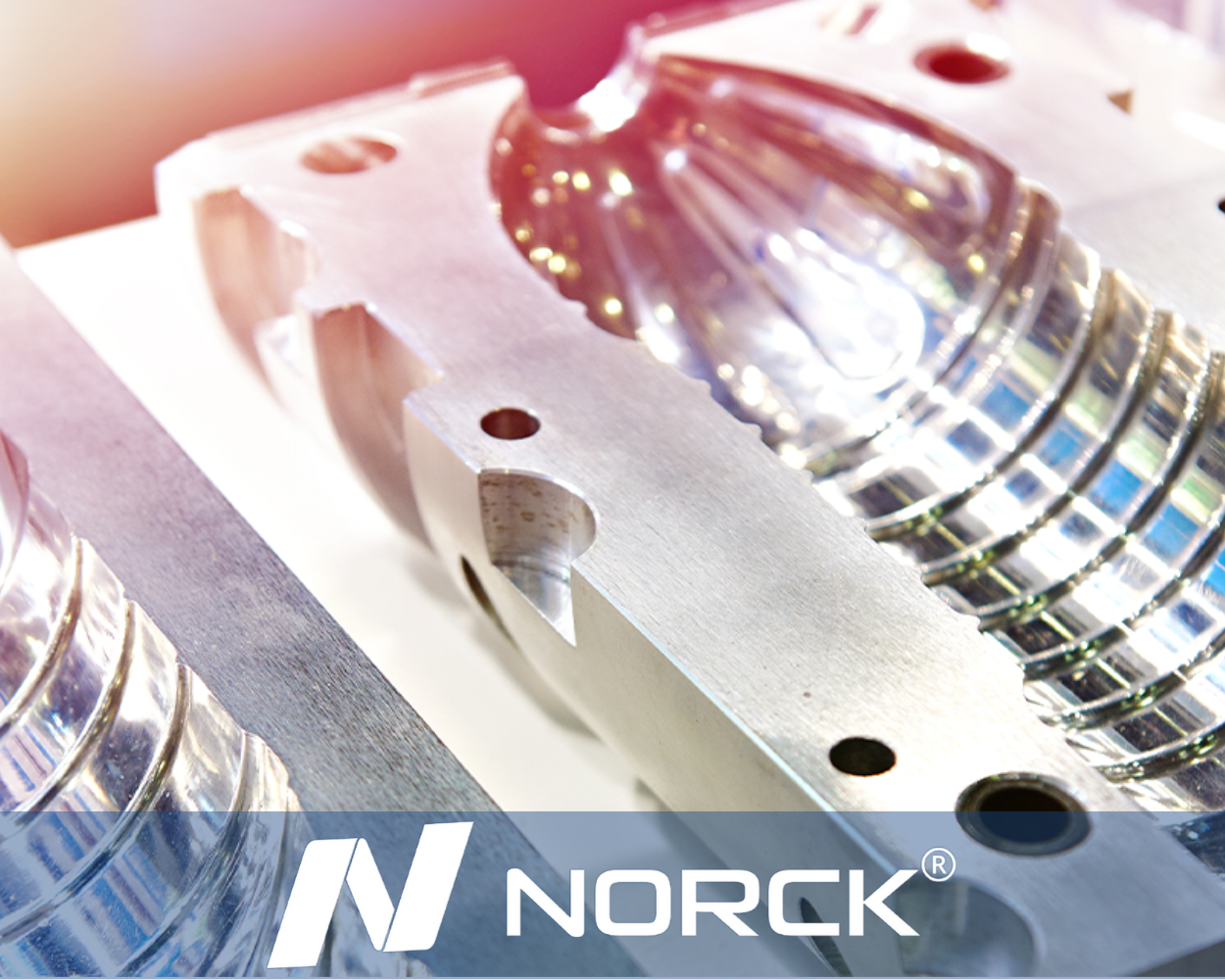
Technical Capabilities: Precision Metal Tooling for Urethane Injection Molding
Wuxi Lead Precision Machinery delivers mission-critical metal tooling for high-integrity urethane injection molding applications. Our expertise lies in fabricating complex, dimensionally stable molds and fixtures from aerospace-grade aluminum and tool steels, engineered to withstand repetitive urethane curing cycles while maintaining micron-level accuracy. Unlike standard plastic injection tooling, urethane molding demands exceptional thermal management and surface integrity to prevent part warpage or surface defects—requirements met through our integrated 5-axis CNC machining and rigorous quality control protocols.
Our HAAS UMC-750 5-axis universal machining centers form the backbone of production, enabling single-setup machining of intricate mold cavities, cores, and shut-offs. This eliminates cumulative alignment errors inherent in 3-axis processes, critical for multi-cavity molds requiring perfect part-to-part consistency. Advanced high-speed machining techniques ensure mirror-finish surfaces down to Ra 0.4μm without secondary polishing, directly reducing urethane adhesion and cycle times. All tool paths are validated via Mastercam simulation to prevent collisions and optimize material removal rates for hardened P20 or NAK80 steels.
Quality assurance is non-negotiable. Every mold undergoes 100% CMM inspection using our Zeiss CONTURA G2 coordinate measuring machine, programmed to trace all critical GD&T callouts per ASME Y14.5. We validate cavity contours, vent depths, ejector pin locations, and cooling channel geometry against nominal CAD data, generating full inspection reports with deviation heatmaps. This process confirms conformity to the tightest tolerances demanded by medical, aerospace, and optical urethane components, where even 0.01mm deviations compromise part functionality.
The following table details our standard technical specifications for urethane molding tooling:
| Parameter | Capability | Standard Tolerance | Notes |
|---|---|---|---|
| Material Options | 7075-T6 Aluminum, P20, H13, NAK80 | — | Pre-hardened to 30-36 HRC for steel |
| Max. Work Envelope | 800 x 600 x 500 mm | — | 5-axis travel limits |
| Critical Feature Tolerance | ±0.005 mm (±0.0002″) | ±0.003 mm | For cavity/core matching surfaces |
| Surface Finish (As-Machined) | Ra 0.4 μm (16 μin) | Ra 0.2 μm | Per ISO 1302, no polishing required |
| Positional Accuracy | ±0.008 mm (±0.0003″) | ±0.005 mm | Verified via CMM on datum features |
| Feature Repeatability | ±0.008 mm over 10 cycles | ±0.005 mm | Measured on production-intent samples |
We prioritize design-for-manufacturability collaboration from the RFQ stage, providing DFM feedback to optimize mold geometry for both machining efficiency and urethane flow dynamics. Our process reduces lead times by 25% compared to conventional tooling suppliers through concurrent engineering—where toolpath generation begins during material procurement. For applications requiring zero-defect validation, we offer first-article inspection to PPAP Level 3 with full SPC data. This technical rigor ensures your urethane molding operation achieves maximum yield, minimal scrap, and repeatable part conformance—proven across 200+ successful mold builds for Tier 1 industrial clients. Contact our engineering team to discuss tolerance-critical requirements for your next urethane molding project.
Material & Finish Options
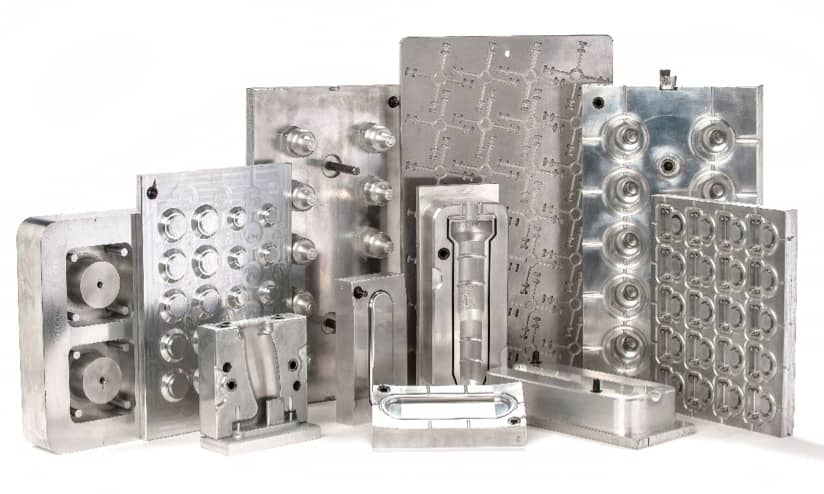
Material Selection for Urethane Injection Molding Tooling
In urethane injection molding, the performance and longevity of tooling depend heavily on precise material selection. At Wuxi Lead Precision Machinery, we specialize in custom metal manufacturing for high-integrity molds used in low- to mid-volume production runs. The choice between aluminum, steel, and titanium hinges on production volume, part complexity, thermal management needs, and cost efficiency. Each material offers distinct mechanical properties and compatibility with post-processing finishes such as anodizing, which enhances surface durability and corrosion resistance.
Aluminum is widely used for prototype and short-run tooling due to its excellent machinability, lightweight nature, and superior thermal conductivity. These characteristics enable faster cycle times and efficient heat dissipation during the urethane curing process. Grades such as 6061-T6 and 7075-T6 are commonly selected for their balance of strength and workability. When paired with hard anodizing (Type III), aluminum molds achieve a wear-resistant surface with improved lifespan, making them suitable for up to 10,000 cycles depending on part geometry.
Steel, particularly tool steels like H13 and P20, is the preferred choice for high-volume applications requiring extended durability and dimensional stability. Steel molds withstand higher clamping forces and resist deformation under prolonged use. While steel has lower thermal conductivity than aluminum, its hardness and resistance to wear make it ideal for complex geometries and abrasive urethane formulations. Surface treatments such as nitriding or chrome plating are often applied, though anodizing is not applicable to steel substrates.
Titanium is less common but offers exceptional strength-to-density ratio and outstanding corrosion resistance, particularly in aggressive chemical environments. Its use in urethane molding tooling is typically reserved for specialized aerospace or medical applications where weight savings and biocompatibility are critical. Titanium’s high cost and challenging machinability limit its adoption to niche cases, but its performance under extreme conditions justifies its selection when required.
The following table summarizes key mechanical and thermal properties of these materials as they relate to urethane injection molding:
| Material | Tensile Strength (MPa) | Thermal Conductivity (W/m·K) | Hardness (HB) | Typical Mold Life (Cycles) | Anodizing Compatible |
|---|---|---|---|---|---|
| Aluminum 6061-T6 | 310 | 167 | 95 | 1,000 – 10,000 | Yes (Hard Anodize) |
| Steel H13 | 1,700 | 36 | 250 | 50,000+ | No |
| Steel P20 | 900 | 30 | 280 | 100,000+ | No |
| Titanium Gr5 | 900 | 7.2 | 330 | 20,000 – 50,000 | Yes (Specialized) |
At Wuxi Lead Precision Machinery, we support clients in selecting the optimal material and surface treatment based on production goals, environmental exposure, and part specifications. Our precision CNC manufacturing ensures tight tolerances and superior surface finish, maximizing mold performance across all material types.
Manufacturing Process & QC
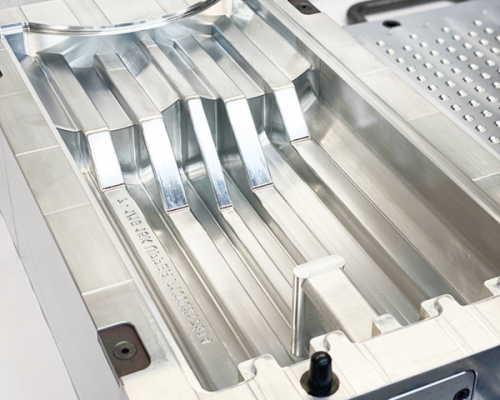
Urethane Injection Molding: Precision Execution from Concept to Volume
Urethane injection molding demands rigorous process control to achieve zero-defect outcomes for mission-critical components in aerospace, medical, and automotive sectors. At Wuxi Lead Precision Machinery, we integrate advanced engineering with closed-loop quality systems across three disciplined phases.
Design Phase: Engineering for Flawless Manufacturability
Our process begins with collaborative design analysis. Engineers utilize 3D CAD and mold flow simulation software to optimize part geometry, gate placement, and material selection. We conduct comprehensive Design for Manufacturing (DFM) reviews to eliminate potential defects like voids, sink marks, or warpage at the source. Material compatibility with urethane chemistries (e.g., polyurethanes, silicones) is validated against thermal, chemical, and stress requirements. Client specifications are translated into actionable manufacturing parameters, ensuring every design element supports defect prevention before tooling commences.
Prototyping Phase: Validating Process Integrity
Rapid prototyping using production-intent steel molds generates functional samples for rigorous validation. Each prototype undergoes Statistical Process Control (SPC) monitoring of critical parameters including temperature, pressure, and cure time. First-article inspections measure all geometric dimensions against GD&T callouts using CMM and optical comparators. Material properties—tensile strength, elongation, durometer—are tested per ASTM/ISO standards. This phase confirms process stability and identifies micro-adjustments needed for zero-defect replication. Only after dimensional and material conformity is certified does the project advance.
Mass Production: Sustained Zero-Defect Execution
Volume production leverages fully automated, climate-controlled cells with real-time sensor networks. Every cycle is monitored for deviations in injection pressure, material viscosity, and cooling rates. In-process inspections occur at defined intervals using automated vision systems, while traceability systems log material lot numbers, machine parameters, and operator IDs for full part genealogy. Our ISO 13485 and IATF 16949-certified facility enforces VDA 6.3-compliant audits, ensuring continuous adherence to tolerances. The result is consistent production of complex urethane parts with zero escapes to customers.
Critical Process Specifications
| Parameter | Production Range | Tolerance Control | Verification Method |
|——————–|———————–|——————-|—————————|
| Material Temperature | 35°C – 80°C | ±1.5°C | Dual-zone RTD sensors |
| Injection Pressure | 50 – 150 bar | ±2 bar | Hydraulic pressure transducers |
| Cure Time | 30 sec – 10 min | ±0.5 sec | PLC cycle timers |
| Dimensional Accuracy| Up to 500mm | ±0.02mm | CMM with 5µm repeatability|
This structured approach—grounded in predictive engineering, empirical validation, and closed-loop manufacturing—ensures urethane components meet the most stringent performance demands. Wuxi Lead’s commitment to zero defects translates to reduced client risk, lower total cost of ownership, and accelerated time-to-market for high-value applications. Partner with us to transform precision urethane requirements into flawless reality.
Why Choose Wuxi Lead Precision
Partner with Wuxi Lead Precision Machinery for Advanced Urethane Injection Molding Solutions
In the competitive landscape of custom metal manufacturing, precision, reliability, and innovation define success. At Wuxi Lead Precision Machinery, we specialize in integrating urethane injection molding with high-tolerance metal components to deliver engineered solutions that meet the most demanding industrial requirements. Our expertise spans aerospace, medical devices, automotive systems, and industrial automation, where performance under stress and long-term durability are non-negotiable.
Urethane injection molding is more than a production technique—it’s a strategic advantage when executed with precision. Our in-house capabilities combine advanced mold design, material science expertise, and automated processing to produce parts with exceptional consistency, tight tolerances, and superior physical properties. Whether you require low-volume prototypes or high-volume production runs, our facility in Wuxi, China, is equipped to scale efficiently while maintaining strict quality control under ISO 9001 standards.
What sets us apart is our integrated approach. We do not treat urethane molding as a standalone process. Instead, we engineer complete metal-elastomer systems where urethane components are precisely bonded or overmolded onto custom-machined metal substrates. This synergy enhances performance in applications requiring vibration damping, sealing integrity, electrical insulation, or impact resistance.
Our engineering team collaborates directly with clients from concept through to full-scale production. We support material selection—offering a full range of urethanes from aliphatic polyurethanes for UV stability to aromatic formulations for maximum abrasion resistance—and validate designs through mold flow analysis and prototype testing. With CNC machining, stamping, and molding under one roof, we ensure dimensional accuracy and repeatability across every batch.
For global clients, we provide comprehensive documentation, including PPAP, FAIR, and material certifications, ensuring compliance with international regulatory frameworks. Our logistics network enables on-time delivery to North America, Europe, and Southeast Asia, backed by responsive customer service and technical support.
Partnering with Wuxi Lead Precision Machinery means gaining a manufacturing ally committed to engineering excellence and long-term collaboration. We don’t just produce parts—we deliver performance-driven solutions tailored to your operational demands.
To begin your next urethane injection molding project with precision and confidence, contact us today at [email protected]. Our engineering team is ready to review your designs, discuss material options, and develop a production strategy that aligns with your quality and timeline requirements.
Key Technical Capabilities
| Parameter | Specification |
|---|---|
| Clamping Force Range | 60–400 tons |
| Shot Weight Capacity | Up to 1,200 grams |
| Tolerance Control | ±0.05 mm for molded-to-metal interfaces |
| Material Compatibility | Polyester, Polyether, Aliphatic & Aromatic Urethanes (Shore A 40–95) |
| Overmolding Accuracy | ±0.1 mm alignment with metal inserts |
| Production Volume Flexibility | 100 to 500,000+ units annually |
| Quality Standards | ISO 9001:2015, RoHS, REACH compliant |
| Lead Time (Prototype) | 15–25 days from design approval |
⚙️ Precision Cost Estimator
Estimate relative manufacturing effort based on tolerance.