

Technical Contents
Engineering Guide: Thin Brass Sheet Metal
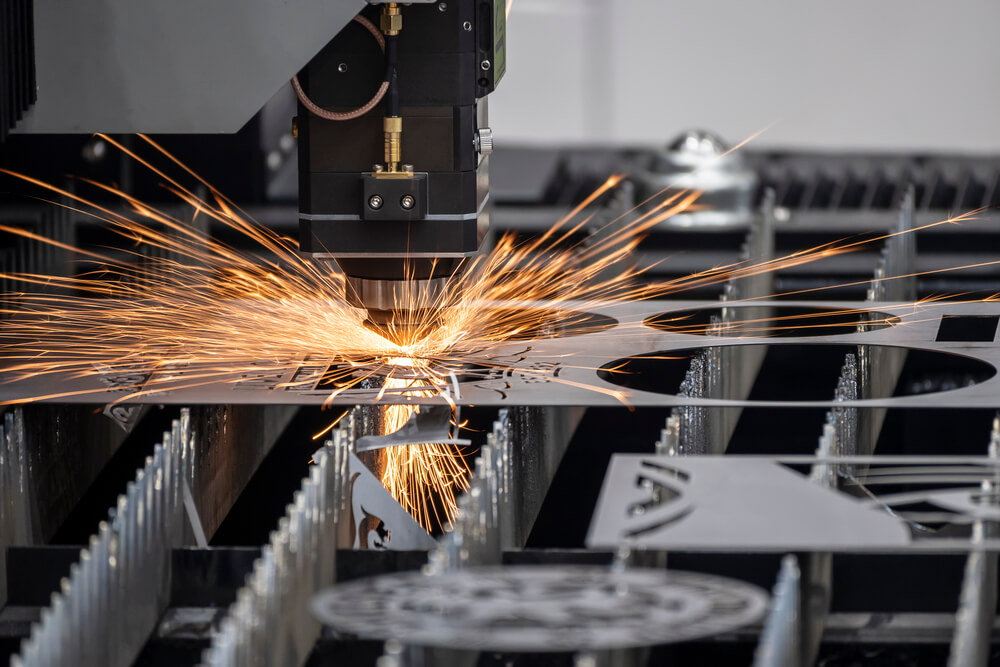
Engineering Insight: The Critical Role of Precision in Thin Brass Sheet Metal Fabrication
In the realm of high-precision sheet metal fabrication, thin brass sheet metal presents unique engineering challenges that demand exceptional control, advanced tooling, and deep technical expertise. Brass, an alloy primarily of copper and zinc, offers excellent electrical conductivity, corrosion resistance, and aesthetic appeal—making it ideal for applications in aerospace, medical devices, precision instrumentation, and high-end architectural components. However, when processed in thin gauges—typically ranging from 0.05 mm to 0.5 mm—brass becomes highly susceptible to deformation, warping, and tool wear, necessitating a level of precision that only specialized manufacturing facilities can deliver.
At Wuxi Lead Precision Machinery, we have engineered solutions for some of the most demanding industries, including defense and Olympic-grade equipment manufacturing. Our experience in producing components for military communication systems and precision sensors for Olympic timing devices underscores our capability to maintain tolerances within ±0.01 mm—even in the most delicate brass fabrications. This level of accuracy is not merely a technical achievement; it is a prerequisite for functional reliability in mission-critical applications.
One of the primary challenges in thin brass fabrication is maintaining dimensional stability during cutting, bending, and forming. Due to its relatively low tensile strength compared to steel and high ductility, brass tends to gall and adhere to tooling, leading to surface imperfections and inconsistent results. To counteract this, we employ CNC-controlled laser cutting with optimized beam parameters and non-contact tooling setups that minimize mechanical stress. Our press brakes utilize custom-ground forming tools with polished surfaces to reduce friction, ensuring clean bends without micro-cracking or springback deviation.
Furthermore, thermal management is critical. Excessive heat during processing can alter the grain structure of thin brass, compromising both mechanical and electrical properties. Our fabrication protocols include real-time temperature monitoring and pulsed laser strategies to dissipate heat effectively, preserving material integrity.
Surface finish and burr control are equally vital, especially in applications where brass components interface with sensitive electronics or require plating. Our deburring and finishing processes are fully automated and calibrated to achieve Ra values below 0.4 µm, ensuring compatibility with downstream assembly and coating operations.
Wuxi Lead Precision Machinery combines decades of metallurgical insight with state-of-the-art equipment to deliver thin brass components that meet the highest standards of performance and consistency. Our work for elite industrial clients reflects not just technical capability, but a commitment to engineering excellence.
| Specification | Detail |
|---|---|
| Material | C26000, C26800, C27200 Brass Alloys |
| Thickness Range | 0.05 mm – 0.5 mm |
| Tolerance | ±0.01 mm (typical) |
| Surface Roughness (Ra) | ≤ 0.4 µm (post-finishing) |
| Cutting Method | Fiber Laser (non-contact) |
| Forming Tools | Polished, custom-ground tooling |
| Quality Standards | ISO 9001:2015, MIL-STD-883 (select programs) |
Precision Specs & Tolerances
Precision Machining Capabilities for Thin Brass Sheet Metal
Wuxi Lead Precision Machinery delivers exceptional fabrication for thin brass sheet metal components, addressing the unique challenges of this material with advanced engineering solutions. Brass, particularly in gauges below 0.5mm, presents significant hurdles including deformation during handling, tool deflection, burr formation, and thermal sensitivity. Our dedicated processes mitigate these risks through controlled environments, specialized toolpath strategies, and proprietary fixturing designed explicitly for thin-section brass work. This ensures dimensional stability and surface integrity critical for high-reliability applications in electronics, medical devices, and precision instrumentation.
Central to our capability is a fleet of state-of-the-art 5-axis CNC milling and turning centers. These machines enable complex geometries and tight tolerances on thin brass sheets without secondary operations, minimizing part handling and potential distortion. Integrated high-speed spindles with precise RPM control optimize cutting parameters to prevent work hardening and burring, while vacuum and low-pressure mechanical clamping systems secure the material without marring. Our programming leverages advanced CAM software for adaptive toolpaths that maintain constant chip load, reducing vibration and heat generation that can warp delicate brass features. Material waste is minimized through efficient nesting algorithms and near-net-shape processing.
Rigorous quality control is embedded throughout production. Every critical thin brass component undergoes comprehensive inspection using calibrated Coordinate Measuring Machines (CMM). These systems provide full 3D geometric verification against CAD models, capturing deviations in form, position, and profile with micron-level accuracy. Statistical Process Control (SPC) data is continuously monitored to ensure process stability and immediate corrective action if trends emerge. Surface roughness is validated using profilometers, and first-article inspections include metallurgical verification to confirm material properties remain unaffected by machining. This multi-stage QC protocol guarantees conformance to the most stringent aerospace, medical, and semiconductor industry standards.
The following table details achievable tolerance specifications for thin brass sheet metal fabrication under controlled production conditions:
| Parameter | Typical Capability | Maximum Capability | Conditions |
|---|---|---|---|
| Thickness Range | 0.05mm – 1.0mm | 0.03mm – 2.0mm | Annealed C26000/C36000 brass |
| Feature Size (Min) | ±0.025mm | ±0.010mm | Holes, slots, contours |
| Flatness | 0.05mm/m | 0.025mm/m | Unstressed state, <0.5mm thick |
| Positional Accuracy | ±0.015mm | ±0.008mm | Critical datums, multi-axis |
| Surface Roughness (Ra) | 0.8µm | 0.4µm | Machined surfaces, no plating |
Our technical team collaborates closely with clients during the design phase to optimize manufacturability, recommending feature adjustments that enhance yield without compromising function. This proactive engineering support, combined with our 5-axis precision and metrology-grade verification, ensures thin brass components meet the exacting demands of next-generation high-value assemblies. Partner with Wuxi Lead for brass fabrication where micron-level accuracy and material integrity are non-negotiable.
Material & Finish Options
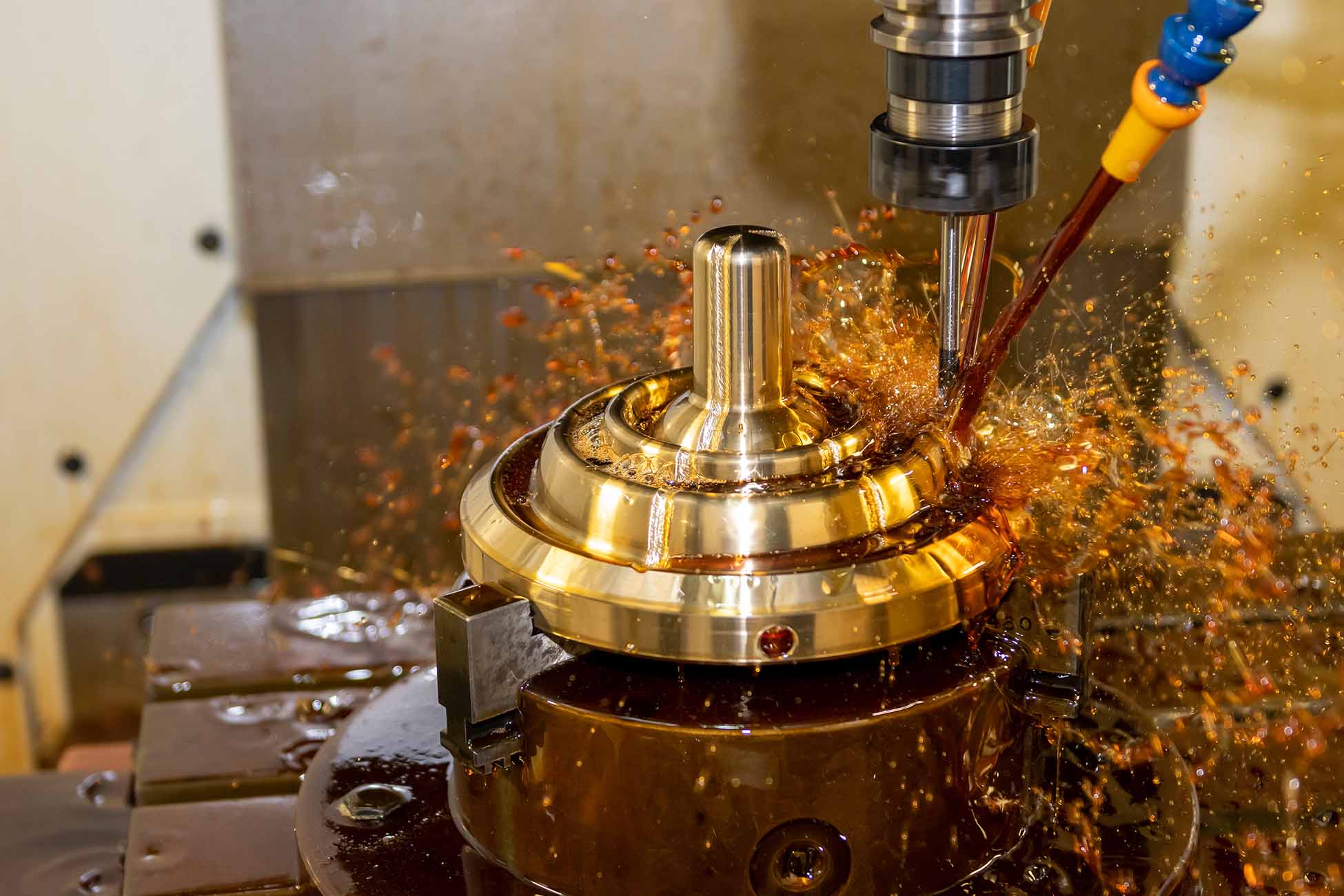
Material Selection for Precision Sheet Metal Fabrication
When selecting materials for high-performance sheet metal applications, particularly in industrial and advanced manufacturing environments, understanding the mechanical, thermal, and chemical properties of available metals is critical. At Wuxi Lead Precision Machinery, we specialize in the precision fabrication of thin sheet metal components, with a focus on materials such as aluminum, stainless steel, and titanium. Each material offers distinct advantages depending on the application’s requirements for strength, weight, corrosion resistance, and thermal stability.
Aluminum is a premier choice for lightweight structural components requiring excellent thermal and electrical conductivity. Its low density combined with high strength-to-weight ratio makes it ideal for aerospace, electronics, and transportation applications. The 5052 and 6061 aluminum alloys are commonly used in thin sheet form due to their good formability and weldability. Additionally, aluminum readily accepts surface treatments such as anodizing, which enhances wear resistance and provides a durable, non-conductive finish. Type II and Type III anodizing are frequently applied to aluminum parts to improve surface hardness and corrosion protection, especially in harsh environments.
Stainless steel, particularly grades 304 and 316, offers superior strength and outstanding resistance to oxidation and corrosion. These properties make stainless steel suitable for medical devices, food processing equipment, and marine applications. While heavier than aluminum, stainless steel maintains its integrity under high stress and elevated temperatures, making it a reliable option for structural and load-bearing components. Thin stainless steel sheets can be precisely laser cut, bent, and welded using advanced CNC techniques to achieve tight tolerances.
Titanium, though more costly, delivers exceptional performance in extreme conditions. With a strength-to-density ratio surpassing both steel and aluminum, titanium is frequently used in aerospace, defense, and high-end automotive industries. Grade 2 and Grade 5 (Ti-6Al-4V) titanium sheets are commonly fabricated for critical components exposed to high temperatures and corrosive media. Titanium’s biocompatibility also makes it a preferred material in medical implant devices and surgical instruments.
Surface finishing plays a significant role in the functional and aesthetic performance of fabricated parts. Anodizing is primarily used for aluminum components, providing enhanced surface durability, electrical insulation, and the ability to incorporate color coding for identification. Other finishes such as passivation (for stainless steel) and polishing are also available based on application needs.
The following table summarizes key mechanical and fabrication properties of commonly used materials in thin sheet metal fabrication.
| Material | Common Alloys | Thickness Range (mm) | Tensile Strength (MPa) | Corrosion Resistance | Typical Surface Finish |
|---|---|---|---|---|---|
| Aluminum | 5052, 6061 | 0.2 – 3.0 | 190 – 310 | Good | Anodized, Mill Finish |
| Stainless Steel | 304, 316 | 0.3 – 4.0 | 505 – 690 | Excellent | Passivated, Brushed, Polished |
| Titanium | Grade 2, Ti-6Al-4V | 0.5 – 3.0 | 345 – 900 | Exceptional | Polished, Bead Blasted |
Selecting the right material involves balancing performance requirements with cost and manufacturability. At Wuxi Lead Precision Machinery, we support clients in making informed decisions through material testing, prototyping, and expert engineering consultation.
Manufacturing Process & QC
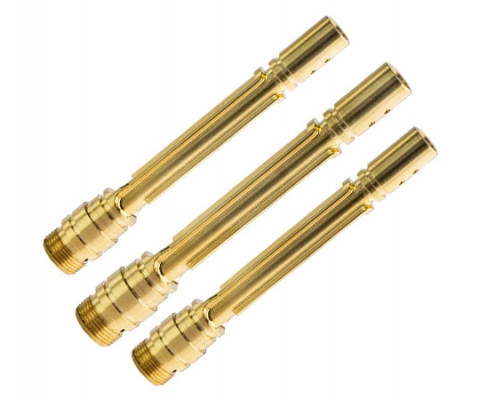
Precision Brass Sheet Fabrication: Zero-Defect Production Process
At Wuxi Lead Precision Machinery, manufacturing components from thin brass sheet metal demands an uncompromising, integrated process. Brass, while offering excellent conductivity and corrosion resistance, presents unique challenges in thin gauges due to its susceptibility to work hardening, thermal distortion, and surface marring. Our rigorously defined workflow – Design, Prototyping, Mass Production – is engineered specifically for zero-defect outcomes in high-value applications like aerospace connectors, medical device housings, and precision electronics.
The foundation is meticulous Design for Manufacturability (DFM) analysis. Our engineering team collaborates closely with clients during the CAD phase, scrutinizing every bend radius, hole placement, and feature density against the physical limits of thin brass. We enforce minimum bend radii specific to the alloy and thickness to prevent cracking, optimize nest patterns for laser cutting to minimize heat-affected zones, and specify critical tolerances achievable only with our controlled processes. Material grain direction is factored into flat pattern development to mitigate springback variability. This proactive engineering eliminates inherent flaws before metal is cut.
Prototyping is not merely validation; it is the calibration phase for mass production. Using the exact production-grade brass alloy and thickness specified, we fabricate initial units on our high-precision fiber laser cutting systems and CNC press brakes. Each prototype undergoes exhaustive metrology: Coordinate Measuring Machines (CMM) verify dimensional accuracy to ±0.025mm, optical comparators inspect micro-features and edge quality, and surface roughness testers confirm Ra values. Crucially, we perform in-process checks during bending to measure springback and refine compensation algorithms. Any deviation triggers immediate DFM loop closure, ensuring the production program is perfected.
Mass production executes the validated process under stringent statistical process control (SPC). Material traceability from certified mills is maintained. Laser cutting parameters are dynamically monitored for consistent kerf width and edge quality. CNC bending sequences utilize real-time feedback from angle sensors and robotic coining to achieve exact bend angles, counteracting brass’s variable springback. Every operation occurs in a climate-controlled environment to minimize thermal drift. Crucially, 100% automated optical inspection (AOI) checks critical dimensions and surface defects post-fabrication, integrated with SPC charts tracking key parameters. Non-conforming units are isolated before proceeding; the process halts automatically if trends approach tolerance limits. This closed-loop system guarantees conformance.
Our commitment to zero defects is quantifiable through the precise control of critical brass fabrication parameters:
| Parameter | Typical Range (Thin Brass) | Wuxi Lead Control Standard | Measurement Method |
|---|---|---|---|
| Thickness Tolerance | ±0.02mm to ±0.05mm | ±0.015mm (Material Cert) | Micrometer, Laser Gauge |
| Flatness | ≤ 0.1mm per 100mm | ≤ 0.05mm per 100mm | CMM, Granite Surface Plate |
| Bend Angle Tolerance | ±0.5° | ±0.25° | High-Precision Angle Gauge, CMM |
| Surface Roughness (Ra) | 0.8µm – 1.6µm | ≤ 0.4µm (Critical Areas) | Surface Roughness Tester |
| Dimensional Tolerance | ISO 2768-mK | ISO 2768-fK / Client Spec | CMM, Optical Comparator |
This integrated approach, combining deep material science understanding with advanced process control and relentless verification, transforms the inherent challenges of thin brass sheet into a reliable, defect-free manufacturing capability for the most demanding global industries. Wuxi Lead delivers precision you can measure, consistently.
Why Choose Wuxi Lead Precision
Partner with Wuxi Lead Precision Machinery for Unmatched Expertise in Thin Brass Sheet Metal Fabrication
When precision, consistency, and performance define your product requirements, partnering with a specialist in thin brass sheet metal fabrication is not just an advantage—it’s a necessity. At Wuxi Lead Precision Machinery, we bring over 15 years of advanced manufacturing experience to deliver high-tolerance, repeatable results for industries where quality cannot be compromised. From aerospace connectors to medical device components and high-end consumer electronics, our mastery of thin brass sheet processing ensures your designs are translated into flawless physical parts.
Brass, with its excellent electrical conductivity, corrosion resistance, and machinability, presents unique challenges when processed in thin gauges—typically below 0.5 mm. At Lead Precision, we have engineered our entire workflow around the specific demands of thin brass sheets. Our state-of-the-art laser cutting systems, coupled with precision stamping and micro-bending technologies, are calibrated to minimize deformation, burring, and warping. We employ in-process monitoring and automated material handling to maintain flatness and dimensional stability throughout production.
Our facility in Wuxi, Jiangsu Province, operates under strict ISO 9001:2015 quality standards, with full traceability from raw material sourcing to final inspection. We work with a range of brass alloys including C26000 (cartridge brass), C36000 (free-cutting brass), and specialty beryllium-copper blends, supporting custom tempers and surface finishes such as nickel plating, passivation, and matte polishing. Whether your project requires low-volume prototyping or high-volume serial production, our agile manufacturing cells can scale efficiently without sacrificing accuracy.
We understand that in high-end B2B manufacturing, lead time and technical collaboration are as critical as precision. Our engineering team offers Design for Manufacturability (DFM) reviews, material selection guidance, and rapid prototyping services to accelerate your time-to-market. Clients benefit from real-time project tracking, comprehensive quality reports, and direct access to our technical account managers.
Choose a partner who treats your specifications as engineering imperatives, not just production orders. At Wuxi Lead Precision Machinery, we don’t just fabricate thin brass components—we engineer reliability into every micron.
For technical inquiries or to initiate a project review, contact us at [email protected]. Our team responds within 12 business hours to all qualified requests.
Technical Specifications for Thin Brass Sheet Metal Fabrication
| Parameter | Capability Range | Tolerance / Notes |
|---|---|---|
| Material Thickness | 0.05 mm – 0.5 mm | Optimized for sub-0.3 mm processing |
| Minimum Feature Size | 0.2 mm | Laser cutting and micro-stamping |
| Positional Accuracy | ±0.01 mm | Closed-loop servo control systems |
| Bend Radius (Minimum) | 0.15 mm | Tool-specific; depends on alloy and temper |
| Surface Roughness (Ra) | As low as 0.2 µm | Achieved via precision polishing and leveling |
| Alloy Compatibility | C26000, C36000, C46400, BeCu (C17200) | Custom alloys available upon request |
| Max Blank Size | 600 mm × 400 mm | Expandable with segmented processing |
| Secondary Operations | Plating, heat treatment, cleaning, marking | In-house and partner-certified services |
⚙️ Precision Cost Estimator
Estimate relative manufacturing effort based on tolerance.