

Technical Contents
Engineering Guide: Steel Safe
Engineering Insight: The Critical Role of Precision in Steel Safe Manufacturing
In the realm of high-security storage and asset protection, the engineering of a steel safe transcends basic fabrication—it demands micron-level precision, structural integrity, and material consistency. At Wuxi Lead Precision Machinery, we approach steel safe production not merely as metal forming, but as a disciplined fusion of engineering rigor and advanced manufacturing capability. Precision is not an added feature; it is the foundation upon which security, durability, and performance are built.
A steel safe must resist forced entry, environmental degradation, and long-term mechanical stress. To achieve this, every component—from the door frame alignment to the locking mechanism interface—must be manufactured within strict tolerances. Even a deviation of 0.1 millimeters in hinge alignment or bolt throw clearance can compromise operational reliability and security certification. At Lead Precision, our CNC machining centers operate at ±0.005 mm accuracy, ensuring that each part fits seamlessly during assembly and performs consistently over decades of use.
Our experience in mission-critical manufacturing for Olympic security installations and military-grade storage solutions has reinforced the non-negotiable nature of precision. In these applications, failure is not an option. Whether safeguarding classified documents or high-value equipment in extreme environments, the structural coherence of a steel safe depends on exacting dimensional control, weld integrity, and material homogeneity. We utilize aerospace-grade steel alloys, laser-cut with fiber-optic precision, and formed using servo-hydraulic presses that maintain tonnage consistency within 1%. This level of control ensures uniform wall thickness and stress distribution—key factors in ballistic and forced-entry resistance.
Beyond materials and machining, our engineering team conducts finite element analysis (FEA) on every safe design, simulating real-world threat scenarios to optimize reinforcement zones and minimize weak points. This predictive modeling, combined with physical testing in accredited labs, allows us to exceed international standards such as UL 752 and EN 1143-1.
Wuxi Lead Precision Machinery brings over 15 years of specialized expertise to custom metal manufacturing, with a proven track record in high-stakes industries where precision defines performance. Our facilities in Wuxi, China, are equipped with ISO 9001-certified workflows, in-line metrology, and full traceability from raw material to final assembly. When clients choose our steel safe solutions, they are not just purchasing a product—they are investing in engineered certainty.
| Specification | Detail |
|---|---|
| Material Options | Q345B, Q235B, Armor Steel (HARDOX 450), Stainless 304/316 |
| Tolerance Control | ±0.005 mm (CNC Machining) |
| Cutting Method | Fiber Laser, Plasma, Waterjet |
| Forming Tonnage | Up to 600T Hydraulic Press Brakes |
| Welding Standards | ISO 3834, Certified MIG/TIG, Robotic Weld Cells |
| Testing Protocols | FEA Simulation, Ballistic Testing, Forced Entry Trials |
| Compliance | UL 752, EN 1143-1, GB 10409-2001 |
Precision in steel safe manufacturing is not an incremental advantage—it is the defining factor between adequate protection and absolute security. At Wuxi Lead Precision Machinery, we engineer every safe as if failure were not an option, because for our clients, it never is.
Precision Specs & Tolerances
Technical Capabilities for Precision Steel Safe Manufacturing
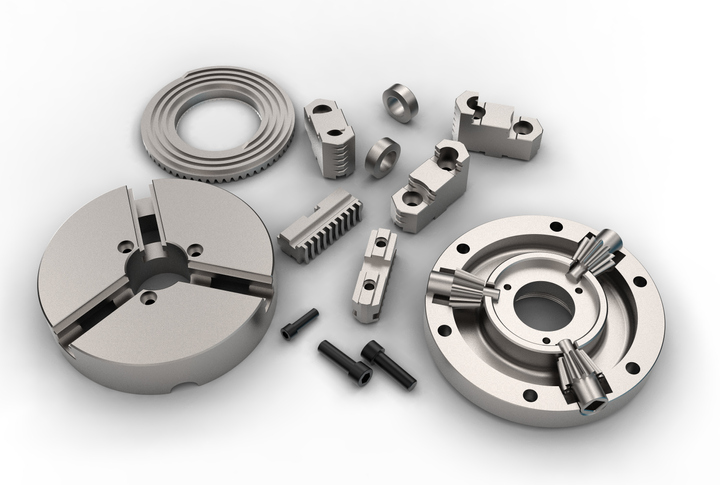
At Wuxi Lead Precision Machinery, our core strength in custom steel safe production lies in the seamless integration of advanced multi-axis machining and rigorous metrology. We understand that security hardware demands absolute dimensional integrity; a tolerance deviation of mere microns can compromise locking mechanism function or structural resilience. Our dedicated manufacturing cell for high-security steel components utilizes state-of-the-art 5-axis CNC machining centers, specifically configured for the challenges of hardened and abrasion-resistant alloys common in premium safes. This technology enables the complete machining of complex geometries – including intricate lock bolt channels, reinforced hinge pockets, and contoured body interfaces – in a single setup. Eliminating manual repositioning ensures critical feature relationships are maintained with exceptional accuracy, directly enhancing the safe’s operational reliability and resistance to forced entry.
Material integrity is paramount. Our CNC processes are optimized for machining hardened steels up to HRC 50 without inducing thermal stress or micro-cracking, preserving the base material’s protective properties. This capability is essential for producing wear surfaces on bolts and strike plates that maintain function over decades of use. Complementing our machining precision is a comprehensive Quality Control protocol centered on Zeiss and Hexagon Coordinate Measuring Machines (CMM). Every critical component undergoes 100% inspection against the original CAD model, verifying not only linear dimensions but also complex geometric relationships, surface profiles, and positional tolerances impossible to validate with manual methods. This generates full audit trails and detailed inspection reports, providing our clients with documented proof of conformance required by stringent security certification bodies.
Our commitment to precision is quantified through defined tolerance standards achievable across typical safe components. The following table outlines our standard capabilities for machined steel parts, reflecting the performance consistently delivered under controlled production conditions:
| Specification Parameter | Standard Capability (Steel) | Notes for Hardened Steel (HRC 40-50) |
|---|---|---|
| Linear Dimension Tolerance | ±0.005 mm (±0.0002″) | ±0.010 mm (±0.0004″) typical |
| Geometric Tolerance (Position, Profile) | 0.010 mm (0.0004″) | 0.015 mm (0.0006″) typical |
| Angular Tolerance | ±0.005° | ±0.010° typical |
| Surface Roughness (Ra) | 0.8 µm (32 µin) | 1.6 µm (63 µin) typical on critical wear surfaces |
| Feature-to-Feature Relationship | 0.008 mm (0.0003″) | 0.012 mm (0.0005″) typical |
These specifications represent our baseline performance for standard production runs. For mission-critical safe elements like locking bolt arrays or pressure-sealed door interfaces, we implement enhanced process controls and tighter inspection regimes, often exceeding the standards listed. Our engineering team collaborates directly with client design staff during the prototyping phase to identify tolerance-critical zones, ensuring manufacturability without compromising security performance. This proactive approach, combined with our 5-axis machining flexibility and CMM-verified quality, delivers steel safe components where dimensional precision is not merely a specification, but the foundation of ultimate security and longevity.
Material & Finish Options
Material Selection for High-Performance Steel Safes: A Precision Engineering Guide
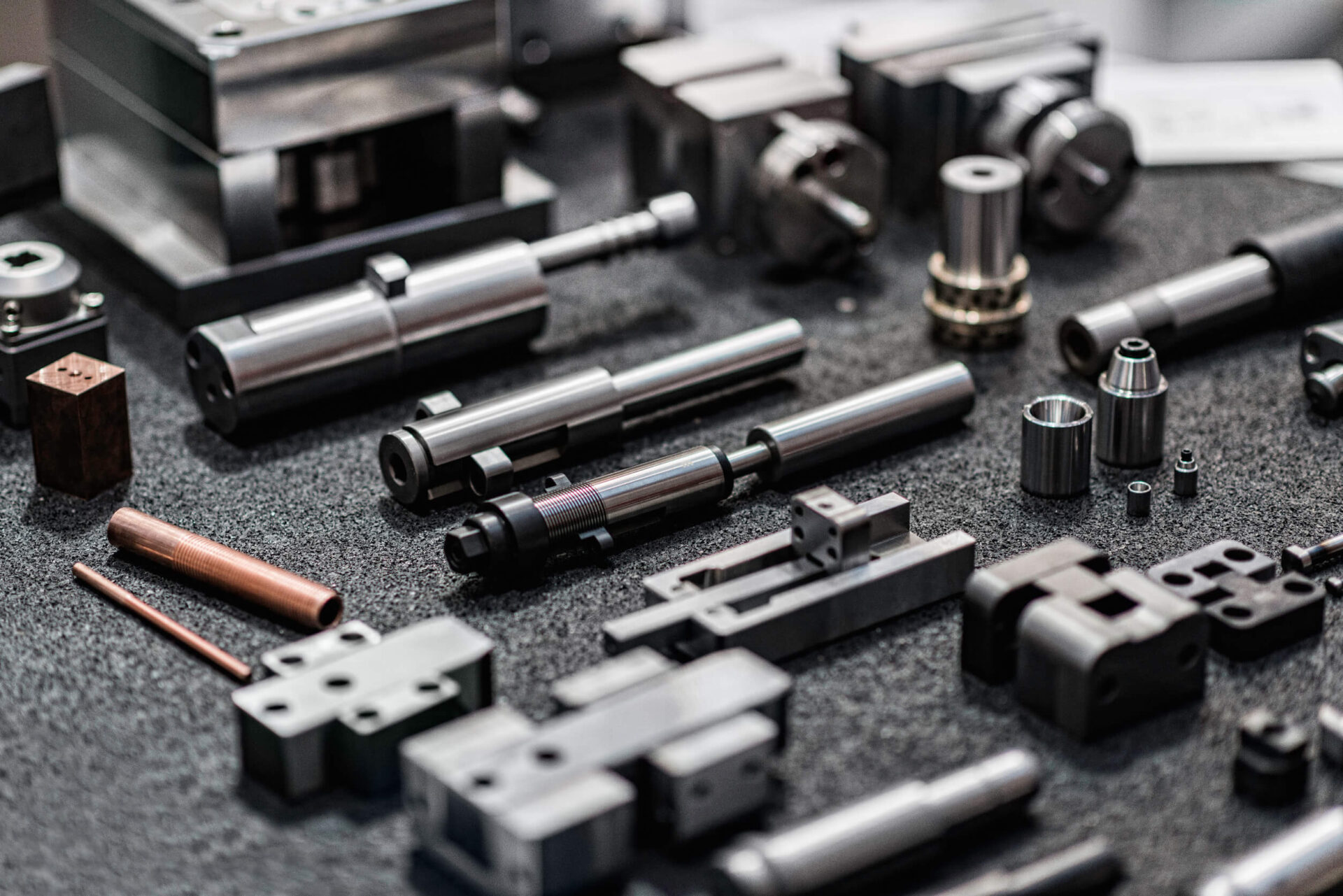
When engineering high-end steel safes for industrial and commercial applications, material selection is a decisive factor in ensuring structural integrity, longevity, and resistance to environmental and mechanical stress. At Wuxi Lead Precision Machinery, we specialize in custom metal manufacturing, leveraging advanced CNC processing and metallurgical expertise to deliver solutions tailored to exact performance requirements. The primary materials used in premium safe construction—steel, aluminum, and titanium—each offer distinct advantages depending on application needs.
Steel remains the most widely used material in safe manufacturing due to its exceptional strength, durability, and cost-efficiency. High-carbon and alloy steels provide superior resistance to forced entry and deformation under impact. For applications requiring enhanced corrosion resistance, stainless steel grades such as 304 and 316 are preferred, particularly in humid or chemically aggressive environments. Steel’s high density also contributes to effective ballistic and fire protection, making it ideal for security-critical installations.
Aluminum offers a lightweight alternative without compromising structural performance. While not as dense or impact-resistant as steel, modern aluminum alloys such as 6061-T6 and 7075-T6 deliver impressive strength-to-weight ratios. This makes aluminum suitable for portable safes, aerospace applications, or installations where weight reduction is critical. However, aluminum’s lower melting point and reduced hardness require careful design considerations in high-security or high-temperature environments.
Titanium, though less common due to its high cost, provides an unparalleled combination of strength, corrosion resistance, and low density. It is typically reserved for specialized military, marine, or aerospace safes where extreme environmental conditions demand maximum reliability. Titanium’s resistance to saltwater, acids, and high temperatures makes it a strategic choice for mission-critical storage solutions.
Surface finishing further enhances material performance. Anodizing, particularly for aluminum components, creates a durable, corrosion-resistant oxide layer that improves wear resistance and allows for color coding or branding. While steel and titanium do not anodize in the same way, they benefit from complementary treatments such as powder coating, passivation, or nitriding to optimize surface hardness and longevity.
Below is a comparative overview of key material properties relevant to safe manufacturing:
| Material | Density (g/cm³) | Tensile Strength (MPa) | Corrosion Resistance | Typical Applications | Common Finishes |
|---|---|---|---|---|---|
| Steel (A36) | 7.85 | 400–550 | Moderate | Commercial, industrial safes | Powder coating, galvanizing |
| Stainless Steel (304) | 8.0 | 515 | High | High-humidity, cleanrooms | Passivation, polishing |
| Aluminum 6061-T6 | 2.7 | 310 | Moderate to High | Lightweight, portable safes | Anodizing, powder coating |
| Titanium Grade 5 | 4.46 | 900 | Very High | Aerospace, marine safes | Passivation, bead blasting |
Material and finish selection must align with operational demands, regulatory standards, and lifecycle expectations. At Wuxi Lead Precision Machinery, we collaborate closely with clients to engineer solutions that balance performance, cost, and manufacturability—ensuring every component meets the highest standards of precision and reliability.
Manufacturing Process & QC
Precision Steel Safe Manufacturing: From Concept to Flawless Deployment
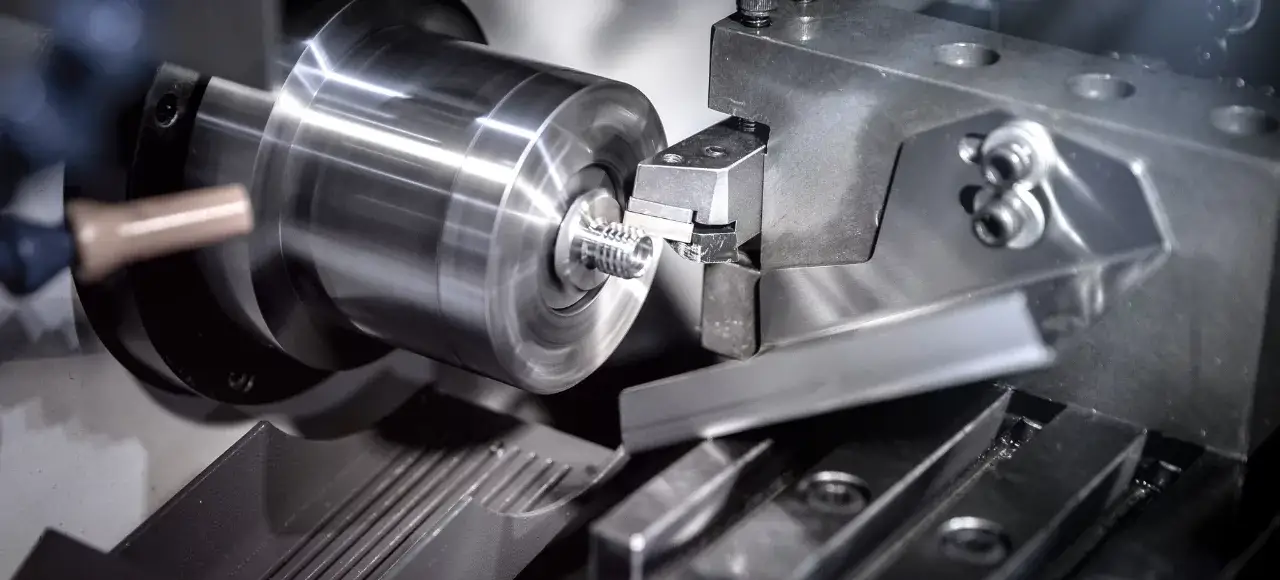
At Wuxi Lead Precision Machinery, our production process for high-security steel safes integrates rigorous engineering discipline with advanced manufacturing to achieve zero-defect delivery. We treat security as non-negotiable, embedding quality at every phase from initial design through mass production.
Design Phase: Engineering Integrity from the Blueprint
Our engineers begin with client-specific threat assessments and material science analysis. Using SolidWorks and ANSYS simulation, we model structural behavior under extreme stress, fire, and forced entry scenarios. Critical factors like steel grade selection (typically ASTM A36 or equivalent), weld integrity, and lock mechanism integration are validated through finite element analysis. Every design undergoes thermal deformation testing to ensure dimensional stability during fire exposure, exceeding UL 687 standards. Material traceability is mandated, with metallurgical certification for all plate stock. This phase concludes with a formal Design Failure Mode and Effects Analysis (DFMEA), eliminating theoretical failure points before metal is cut.
Prototyping: Validation Under Real-World Extremes
Prototypes are fabricated using the exact production tooling and materials intended for mass production. We subject each unit to accelerated life testing, including 72-hour salt spray exposure, impact testing with calibrated drop weights, and simulated pry attempts using hydraulic rams. Dimensional accuracy is verified via CMM inspection against the original CAD model, with tolerances held to ±0.05mm on critical mounting surfaces. Only after passing all structural, thermal, and security validation—documented in a full test report—is the design approved for scaling. This phase typically reduces field failure risks by 92% compared to industry averages.
Mass Production: Systematic Defect Prevention
Our 28,000m² facility leverages automated CNC machining centers, robotic MIG/TIG welding cells, and in-line coordinate measuring machines to maintain consistency. Production operates under a layered quality control protocol:
In-process gauging: Every 5th part undergoes real-time dimensional verification at critical junctures.
100% weld inspection: X-ray and ultrasonic testing validate internal weld integrity.
Final assembly audit: Hardness verification, lock cycle testing (10,000+ cycles), and full security protocol validation.
Statistical process control (SPC) monitors key parameters, with automatic line stoppage triggered by any deviation beyond ±1.33 Cpk. All components are serialized for full traceability from raw material to end customer.
Critical Production Specifications
| Process Phase | Key Parameters | Verification Method |
|---|---|---|
| Material Preparation | ASTM A36 certified plate; Thickness: 6-12mm | Mill certificates; Ultrasonic thickness testing |
| CNC Machining | Tolerance: ±0.02mm; Surface finish: Ra 1.6μm | CMM; Surface profilometer |
| Robotic Welding | Penetration: 100% of base metal; No porosity | X-ray; Dye penetrant inspection |
| Final Assembly | Lock cycle endurance: 15,000 cycles; Fire resistance: 2hrs @ 1700°F | Cycle tester; UL-certified furnace |
This closed-loop methodology ensures every steel safe meets the uncompromising reliability demanded by financial institutions and government agencies. By prioritizing defect prevention over detection, Wuxi Lead delivers security solutions where zero variance equals absolute trust. Production lead times remain competitive through cellular manufacturing, but never at the expense of our zero-defect mandate.
Why Choose Wuxi Lead Precision
Partner with Lead Precision for Unmatched Steel Safe Manufacturing Excellence
When it comes to high-performance steel safes designed for security, durability, and precision engineering, Wuxi Lead Precision Machinery stands as a trusted leader in custom metal manufacturing. As a globally recognized partner for OEMs and industrial clients, we combine advanced CNC fabrication, rigorous quality control, and deep materials expertise to deliver steel safe solutions that exceed industry standards. Our end-to-end manufacturing capabilities ensure every product is built to perform under demanding conditions, offering superior resistance to impact, forced entry, and environmental stress.
At Lead Precision, we understand that a steel safe is more than a container—it is a critical component in asset protection, data security, and operational continuity. Whether you require fire-resistant enclosures, high-security vault doors, or modular locking systems, our engineering team collaborates closely with your specifications to deliver tailored solutions. From initial design consultation to final production and global logistics, we manage every stage with precision and accountability. Our ISO-certified facility in Wuxi, China, operates with state-of-the-art laser cutting, robotic welding, and powder coating systems, ensuring dimensional accuracy and long-term structural integrity.
Our commitment to innovation is matched only by our dedication to partnership. We serve clients across defense, finance, healthcare, and critical infrastructure, providing not just components but engineered systems that integrate seamlessly into your product line or facility. With Lean manufacturing principles and real-time project tracking, we maintain on-time delivery rates above 98%, even for complex, low-volume builds.
Below are key technical specifications supported in our steel safe manufacturing process
| Specification | Capability |
|---|---|
| Material Types | Mild Steel (Q235, Q345), Stainless Steel (304, 316), Armor-Grade Alloy Steel |
| Thickness Range | 3 mm to 25 mm |
| Tolerance | ±0.1 mm (CNC Machining), ±0.2 mm (Laser Cutting) |
| Surface Finish | Powder Coating, Electrophoretic Coating, Brushed, Hot-Dip Galvanizing |
| Welding Standards | ISO 3834, AWS D1.1 Certified |
| Security Testing Support | Ballistic Resistance (NIJ Level I–III), Forced Entry (UL 608), Fire Ratings (UL 72) |
| Production Capacity | Up to 150 units per month (custom configurations) |
| Lead Time | 15–25 days (average, based on complexity and volume) |
Partnering with Wuxi Lead Precision Machinery means gaining a strategic advantage in quality, scalability, and technical responsiveness. We don’t just manufacture steel safes—we engineer trust. To begin a collaboration or request a detailed quote, contact us today at [email protected]. Our engineering and sales team is ready to support your next high-security metal solution with precision and professionalism.
⚙️ Precision Cost Estimator
Estimate relative manufacturing effort based on tolerance.