

Technical Contents
Engineering Guide: Steel Metal Fabrication Services
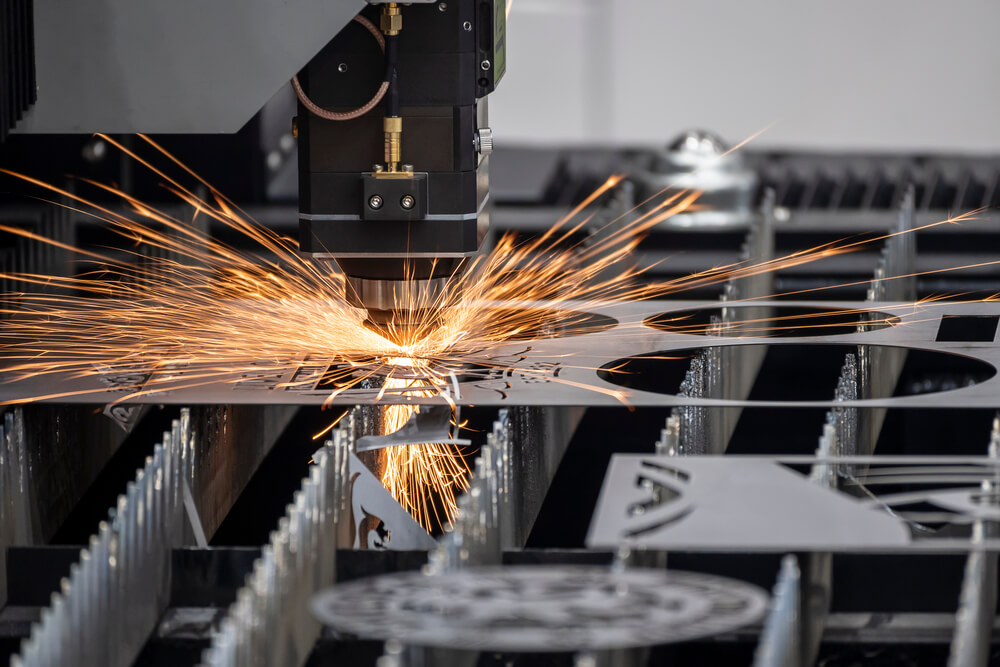
Engineering Insight: Precision as the Non-Negotiable Foundation of Steel Fabrication
In high-stakes steel metal fabrication services, precision transcends mere specification; it is the fundamental determinant of structural integrity, functional performance, and long-term asset value. Sub-millimeter deviations in critical components can cascade into catastrophic assembly failures, accelerated wear, compromised safety margins, and significant cost overruns during integration. For industries like aerospace, defense, and advanced energy infrastructure, where loads, stresses, and environmental conditions are extreme, tolerances are not targets but absolute requirements. The cost of imprecision extends far beyond scrap material – it encompasses delayed project timelines, reputational damage, and potential liability. Achieving consistent micron-level accuracy demands more than advanced machinery; it requires an integrated engineering philosophy spanning material science understanding, process control, metrology rigor, and deep manufacturing expertise.
Wuxi Lead Precision Machinery operates at this exacting threshold. Our engineering approach begins with material certification and thermal management protocols to mitigate inherent steel variability. We deploy state-of-the-art CNC laser cutting, press braking, and robotic welding systems, all operating within controlled environmental chambers to eliminate thermal drift. However, technology alone is insufficient. Our process is underpinned by Six Sigma methodologies and AS9100-certified quality management, ensuring every bend, cut, and weld adheres to the most stringent international standards. This systematic control is validated through continuous in-process inspection using calibrated CMMs and laser trackers, guaranteeing dimensional stability from raw plate to finished assembly.
This commitment to uncompromising precision is proven in mission-critical applications. Lead Precision has successfully delivered complex structural components for Olympic venue construction, where architectural tolerances directly impacted seismic safety and aesthetic integrity under immense public scrutiny. Furthermore, our facility is qualified to produce precision steel sub-assemblies for advanced military platforms, meeting the rigorous MIL-STD-810 and DFARS requirements where failure is not an option. These projects demanded not only technical capability but also the disciplined execution and documentation rigor expected in defense and large-scale public infrastructure.
The following table outlines core precision capabilities central to our steel fabrication services:
| Process | Typical Tolerance Range | Key Control Parameters | Max Material Thickness |
|---|---|---|---|
| Fiber Laser Cutting | ±0.05 mm | Beam focus, assist gas pressure, speed | 25 mm Carbon Steel |
| CNC Press Brake Form | ±0.1° / ±0.1 mm | Tooling calibration, backgauge repeatability | 12 mm |
| Robotic MIG Welding | ±0.2 mm distortion | Heat input control, fixture rigidity | 15 mm |
| Post-Weld Machining | ±0.02 mm | Thermal stress relief, multi-axis probing | N/A |
Investing in precision steel fabrication is an investment in operational certainty. For global OEMs and tier-one suppliers, partnering with a provider like Wuxi Lead Precision Machinery ensures that steel components perform as designed, every time, mitigating risk and securing project success from blueprint to installation. Our documented history in Olympic and defense sectors stands as testament to this capability.
Precision Specs & Tolerances
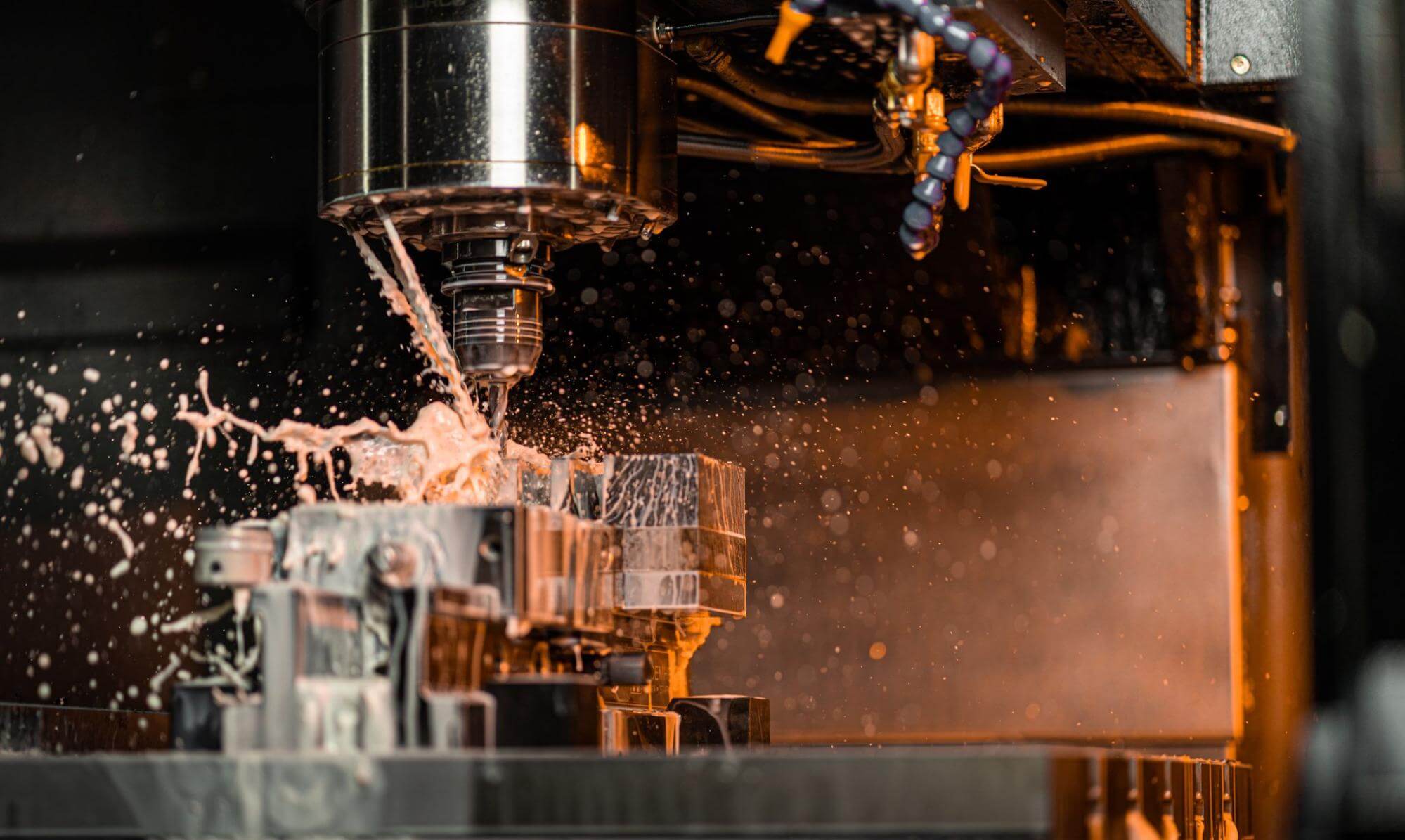
Wuxi Lead Precision Machinery delivers advanced steel metal fabrication services tailored for high-precision industrial applications. Our technical capabilities are engineered to support complex, mission-critical components across aerospace, automotive, energy, and medical device sectors. At the core of our production floor lies a fully integrated suite of 5-axis CNC machining centers, enabling us to execute intricate geometries with exceptional accuracy and repeatability. These multi-axis systems allow simultaneous movement across five planes, significantly reducing setup time and part handling while maintaining tight alignment and surface integrity. This capability is particularly vital for fabricated steel components requiring complex contours, deep cavities, or asymmetric features that cannot be achieved using conventional 3-axis methods.
Our sheet metal fabrication processes are supported by automated laser cutting, precision press braking, and high-speed punching systems, all synchronized with digital workflow management. This ensures consistent quality from raw material to finished part. We work extensively with various grades of carbon steel, stainless steel, and alloy steels, accommodating thicknesses from 0.5 mm to 25 mm with clean edge finishes and minimal distortion. Advanced nesting software optimizes material utilization, reducing waste and improving cost-efficiency without compromising structural performance.
Quality control is embedded throughout every stage of production. All critical dimensions and geometric features are verified using a Coordinate Measuring Machine (CMM) with sub-micron resolution, ensuring full compliance with ISO 10360 standards. Our CMM inspection regime supports First Article Inspection (FAI) reports, Production Part Approval Process (PPAP) documentation, and full traceability for batch-controlled components. In addition to dimensional verification, we conduct material certification, surface roughness analysis, and form tolerance validation to meet stringent industry requirements.
The following table outlines the standard tolerances we maintain across key fabrication processes:
| Process | Typical Tolerance | Notes |
|---|---|---|
| 5-Axis CNC Machining | ±0.005 mm | For complex 3D contours and tight-fit interfaces |
| Laser Cutting (Steel) | ±0.1 mm | Up to 25 mm thickness; kerf compensated |
| Press Brake Forming | ±0.2° angular, ±0.1 mm linear | With real-time backgauging and crowning compensation |
| Hole Positioning | ±0.05 mm | Relative to datum; CNC-tapped or reamed |
| Surface Finish (Machined) | Ra 0.8 – 3.2 µm | Adjustable per specification |
| Flatness | 0.1 mm per 100 mm | Verified via CMM and granite surface plate |
These specifications reflect our commitment to precision, repeatability, and compliance with international quality benchmarks. By combining state-of-the-art 5-axis CNC technology with rigorous CMM-based inspection protocols, Wuxi Lead Precision Machinery ensures that every fabricated steel component meets the highest standards of performance and reliability. Our technical team collaborates closely with engineering partners to validate designs for manufacturability, offering DFM feedback that optimizes both precision and production efficiency.
Material & Finish Options
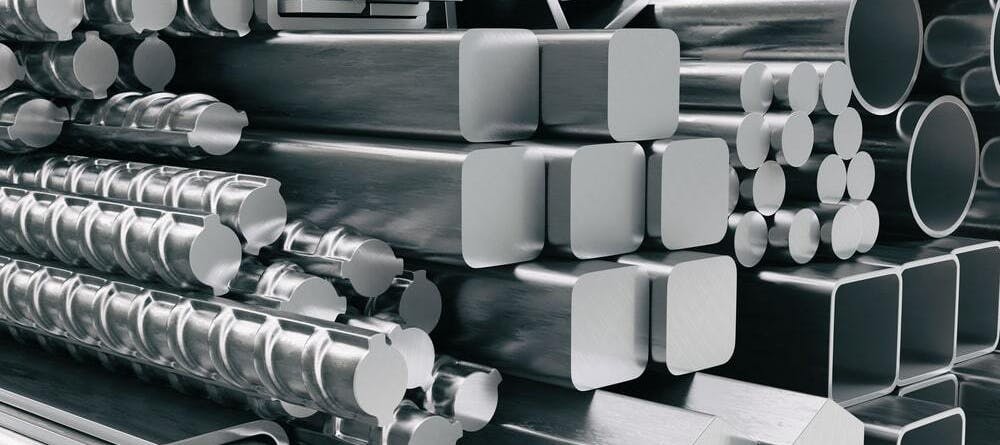
Strategic Material Selection for Precision Sheet Metal Fabrication
Material choice fundamentally impacts performance, cost, and longevity in sheet metal fabrication. Selecting the optimal alloy and finish requires aligning material properties with the specific functional, environmental, and regulatory demands of the end application. At Wuxi Lead Precision Machinery, our engineering team prioritizes this critical decision point to ensure your components meet exacting standards from prototype through volume production. Understanding the core characteristics of Aluminum, Steel, and Titanium is essential for informed sourcing.
Aluminum alloys, particularly 5052-H32 and 6061-T6, dominate applications requiring an exceptional strength-to-weight ratio, excellent corrosion resistance, and good machinability. These properties make aluminum ideal for aerospace components, electronic enclosures, and transportation parts where weight savings are paramount. Its natural oxide layer provides inherent protection, though enhanced surface treatments are often applied. Carbon steel, including grades like ASTM A36 and AISI 1018, offers superior strength, stiffness, and cost-effectiveness for structural frames, machinery bases, and general industrial equipment. While susceptible to rust, its weldability and formability are excellent. For extreme environments demanding maximum strength, temperature resistance, and unparalleled corrosion immunity, aerospace-grade Titanium (e.g., Grade 2, Grade 5) is the premium solution, commonly found in critical medical implants, chemical processing equipment, and high-performance aerospace systems, despite higher material and processing costs.
Surface finishing, especially Anodizing for aluminum, is not merely cosmetic but a critical performance enhancer. Anodizing creates a durable, non-conductive, corrosion-resistant oxide layer integral to the metal substrate. Hard Anodizing (Type III) significantly increases surface hardness and wear resistance for parts subject to abrasion, while decorative Anodizing (Type II) offers color options and moderate protection. Proper specification of anodizing thickness and sealing is vital for meeting functional requirements in harsh operational settings.
The following table summarizes key comparative properties for common fabrication materials:
| Material | Typical Density (g/cm³) | Tensile Strength Range (MPa) | Key Corrosion Resistance | Primary Fabrication Advantages | Common Applications |
|---|---|---|---|---|---|
| Aluminum 6061-T6 | 2.7 | 310 – 345 | Very Good (Atmospheric) | Lightweight, Excellent Machinability | Enclosures, Aerospace Brackets, Frames |
| Carbon Steel 1018 | 7.87 | 400 – 500 | Poor (Requires Coating) | High Strength, Cost-Effective, Weldable | Structural Frames, Machinery Bases |
| Stainless 304 | 8.0 | 505 – 860 | Excellent | Corrosion Resistance, Hygienic | Food Processing, Chemical Equipment |
| Titanium Gr 5 | 4.43 | 860 – 1000 | Exceptional | High Strength/Weight, Temp Resistance | Medical Implants, Aerospace Critical |
Wuxi Lead Precision Machinery leverages deep metallurgical expertise and advanced CNC fabrication capabilities to transform these materials into precision components. We guide clients through the complexities of material and finish selection, ensuring the final product achieves the necessary performance, durability, and compliance within your project constraints. Partner with us for fabrication where material science meets manufacturing excellence.
Manufacturing Process & QC
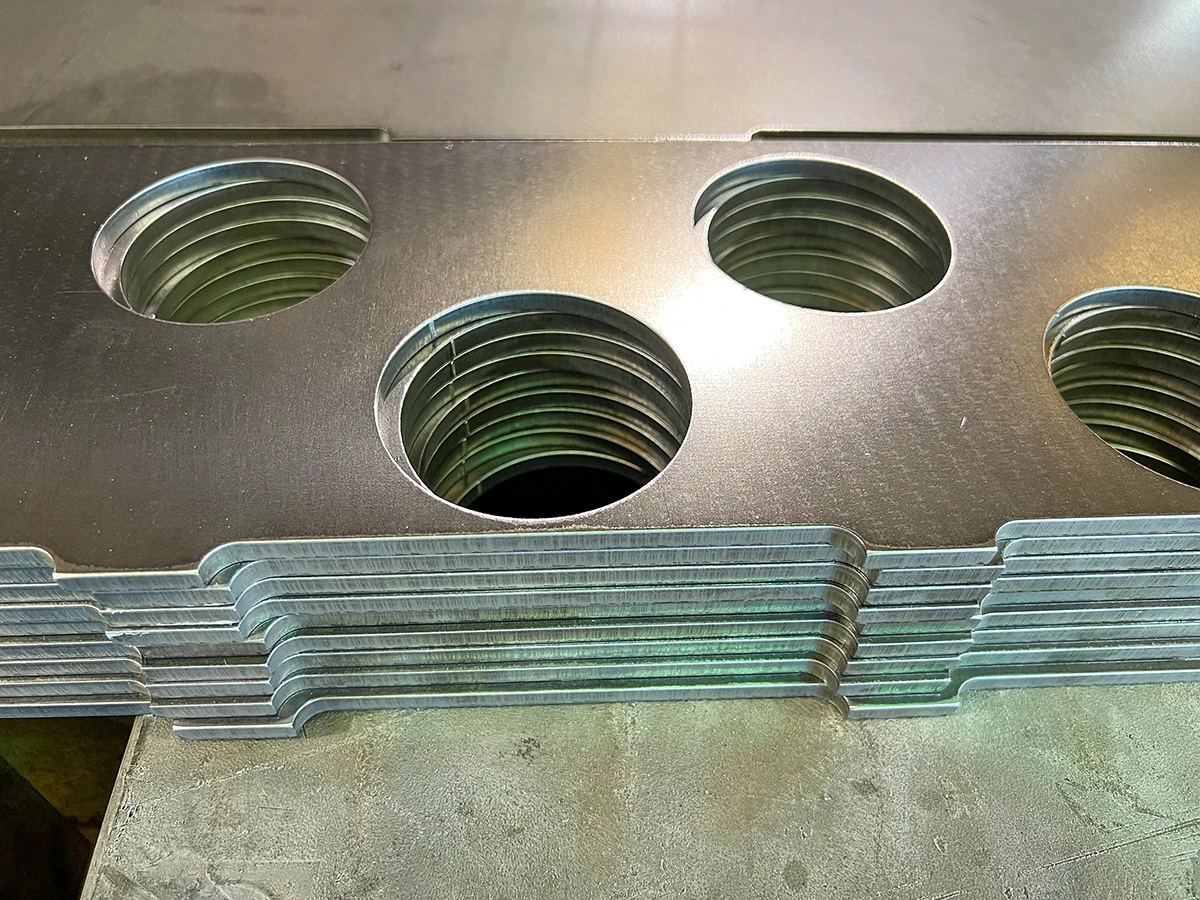
Design: Precision Engineering at the Foundation
At Wuxi Lead Precision Machinery, the steel metal fabrication process begins with meticulous design engineering, where functionality, manufacturability, and structural integrity converge. Our engineering team collaborates closely with clients to interpret technical drawings, 3D CAD models, and performance requirements. Utilizing advanced software such as SolidWorks, AutoCAD, and Autodesk Inventor, we conduct comprehensive design analysis, including tolerance stack-up, material stress simulation, and thermal deformation modeling. This ensures that every component is optimized for both performance and production efficiency. Design for Manufacturability (DFM) reviews are conducted in-house to eliminate potential fabrication issues before any material is cut, reducing waste and accelerating time-to-market.
Prototyping: Validating Accuracy and Fit
Once the design is finalized, we proceed to prototyping—a critical phase in achieving zero defects. Our prototyping process leverages precision laser cutting, CNC punching, and automated bending technologies to produce functional samples that mirror final production quality. Each prototype undergoes rigorous inspection using coordinate measuring machines (CMM), optical comparators, and laser scanning to verify dimensional accuracy within ±0.05 mm. We perform fit, form, and function testing, including weld integrity checks and surface finish evaluation, to ensure compliance with international standards such as ISO 9001 and ASME Y14.5. Client feedback is integrated at this stage, allowing for rapid iteration and final design approval before mass production begins.
Mass Production: Consistency Through Automation and Control
With prototype validation complete, we transition to high-volume manufacturing under a fully controlled production environment. Our automated production lines integrate fiber laser cutting, robotic bending cells, and automated welding stations to ensure repeatability and throughput. Each stage of fabrication—cutting, forming, welding, surface treatment, and assembly—is monitored in real time using IoT-enabled sensors and statistical process control (SPC) systems. In-process inspections are conducted at defined intervals, and final products undergo 100% visual and dimensional inspection. Non-conforming parts are immediately quarantined, and root cause analysis is performed to prevent recurrence.
To uphold our zero-defect commitment, Wuxi Lead implements a closed-loop quality management system that tracks every component from raw material to shipment. Material certifications, process parameters, and inspection records are digitally archived for full traceability.
Key Production Specifications
| Parameter | Specification |
|---|---|
| Material Thickness Range | 0.5 mm – 25 mm |
| Cutting Tolerance | ±0.1 mm |
| Bending Tolerance | ±0.2° / ±0.5 mm |
| Welding Standards | ISO 5817 (B, C, D), AWS D1.1 |
| Surface Roughness (Ra) | Up to 0.8 µm (machined), 3.2 µm (as-welded) |
| Inspection Equipment | CMM, Laser Scanner, Hardness Tester |
| Production Capacity | Up to 50,000 units/month |
| Quality Certification | ISO 9001:2015, ISO 14001, IATF 16949 |
Through seamless integration of design intelligence, prototype validation, and tightly controlled mass production, Wuxi Lead Precision Machinery delivers steel metal fabrication services that meet the highest standards of precision, reliability, and zero-defect performance.
Why Choose Wuxi Lead Precision
Elevate Your Supply Chain with Certified Precision Manufacturing
Wuxi Lead Precision Machinery stands as your definitive partner for mission-critical steel metal fabrication services. With over fifteen years of specialized expertise in high-tolerance sheet metal production, we deliver engineered solutions that meet the uncompromising demands of aerospace, medical device, and advanced industrial sectors. Our integrated facility in Wuxi, China, operates under ISO 9001:2015 and IATF 16949 quality management systems, ensuring every component adheres to global regulatory standards. We eliminate supply chain volatility through vertically integrated processes—from precision laser cutting and CNC bending to robotic welding and finishing—providing single-source accountability for complex assemblies. Our commitment extends beyond production; we implement statistically validated process control and real-time SPC monitoring to guarantee dimensional repeatability down to ±0.05mm, directly mitigating your risk of field failures and costly rework.
Our technical capabilities are engineered for your most demanding applications. The table below details our core production parameters for steel fabrication:
| Process | Material Range | Thickness Capacity | Tolerance Range | Max Work Envelope |
|---|---|---|---|---|
| Fiber Laser Cutting | Mild Steel, Stainless | 0.5mm – 25mm | ±0.1mm | 4000mm x 2000mm |
| CNC Press Brake | All Sheet Steel Alloys | 0.8mm – 6.0mm | ±0.1° angular | 3000mm length |
| Robotic MIG/TIG Weld | Carbon/SS up to 316L | 1.0mm – 10mm | ±0.5mm linear | 2500mm x 1500mm |
| Precision Forming | CRCA, Galvanized | 0.6mm – 4.0mm | ±0.05mm feature | 1800mm x 1200mm |
Partnering with Lead Precision means accessing more than manufacturing capacity—it means strategic engineering collaboration. Our APQP and PPAP-certified team engages during your design phase to optimize manufacturability, reduce material waste, and accelerate time-to-market without sacrificing integrity. We maintain rigorous first-article inspection protocols using calibrated CMMs and vision systems, providing comprehensive dimensional reports traceable to NIST standards. For global OEMs, our export-compliant documentation and containerized logistics management ensure seamless integration into your worldwide operations, with on-time delivery performance exceeding 98.7% over the past three fiscal years.
Initiate your precision manufacturing partnership by contacting our engineering sales team directly. Email [email protected] with your project specifications, including material requirements, geometric complexity, and annual volume projections. We will respond within four business hours with a tailored capability assessment and preliminary timeline analysis. For urgent RFQs, reference project code LEAD-CTA-2024 to expedite technical review. Let us demonstrate how our process discipline and metallurgical expertise can transform your steel fabrication challenges into competitive advantage. Your next-generation product deserves manufacturing excellence—engineered, validated, and delivered without compromise. Contact us today to begin the engineer-to-engineer dialogue that defines exceptional supply chain performance.
⚙️ Precision Cost Estimator
Estimate relative manufacturing effort based on tolerance.