
Technical Contents
Engineering Guide: Standard Sheet Metal Works
Engineering Insight Precision as the Non-Negotiable Foundation of Standard Sheet Metal Works
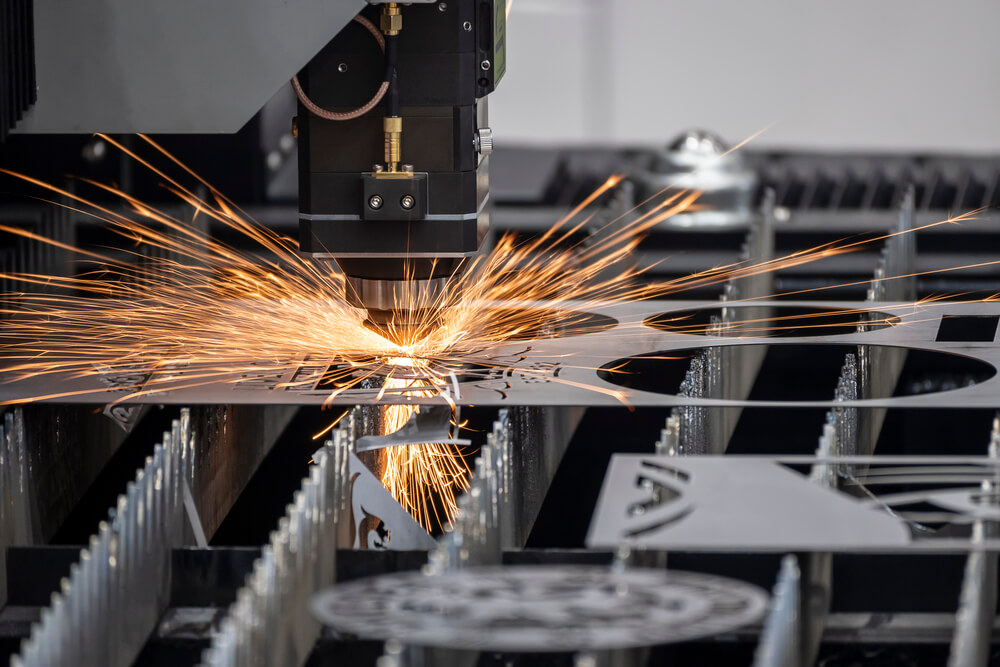
In high-volume sheet metal fabrication, the term standard often implies routine execution. However, true standardization demands exceptional precision at every process stage. Dimensional accuracy is not merely a quality metric; it is the critical factor determining final product functionality, assembly efficiency, and overall project profitability. Tolerances exceeding ±0.1mm in bending or cutting initiate cascading failures: misaligned weldments, compromised structural integrity, rejected sub-assemblies, and costly rework. These deviations directly erode margins and delay time-to-market. Precision engineering ensures raw material utilization is optimized, secondary operations integrate seamlessly, and end products consistently meet exacting functional and aesthetic requirements. For industries where reliability is paramount—transportation, energy infrastructure, or medical equipment—even minor deviations can trigger catastrophic system failures or regulatory non-compliance. Standard sheet metal works must therefore be executed against rigorously controlled parameters, transforming perceived commodity production into a value-driven engineering discipline.
Wuxi Lead Precision Machinery operates at this precision frontier daily. Our CNC fabrication cells are calibrated and monitored to sustain tolerances often exceeding ISO 2768 medium standards, specifically for clients where failure is not an option. This capability was rigorously proven through our contribution to critical infrastructure components for the Beijing Winter Olympics. Structural elements demanding perfect geometric alignment under extreme thermal cycling were manufactured to sub-0.05mm positional accuracy across large panels. Similarly, our military-grade enclosures for electronic warfare systems require absolute repeatability in hole patterns and bend radii to ensure electromagnetic shielding integrity and rapid field assembly. These projects exemplify how disciplined process control—spanning laser cutting, precision bending, and robotic welding—converts standard sheet metal processes into mission-critical solutions. Our facility’s certification to ISO 9001 and AS9100 underscores this commitment to measurable, auditable precision.
The table below outlines key parameters where our precision focus delivers tangible client advantages in standard sheet metal production:
| Process Parameter | Industry Standard Range | Wuxi Lead Precision Standard | Impact on Client Value |
|---|---|---|---|
| Laser Cutting Tolerance | ±0.2mm – ±0.5mm | ±0.1mm (up to 6mm steel) | Reduced scrap, perfect mating surfaces |
| Press Brake Bend Angle | ±1° | ±0.5° | Eliminates shimming, accelerates assembly |
| Hole Positional Accuracy | ±0.3mm | ±0.15mm | Ensures bolt-through assembly, no rework |
| Flatness Tolerance | 0.5mm per 300mm | 0.2mm per 300mm | Critical for sealing surfaces, aesthetics |
| Material Yield | 85% – 90% | 92%+ | Direct material cost reduction |
This disciplined approach transforms sheet metal from a basic component into a strategic asset. When dimensional drift is eliminated, your supply chain gains predictability, your assembly lines achieve higher throughput, and your end products deliver the reliability your customers demand. Precision isn’t an optional upgrade in standard fabrication—it is the baseline for operational excellence and sustained competitiveness. Partner with an engineering team that treats every bend, cut, and weld as a commitment to your success.
Precision Specs & Tolerances
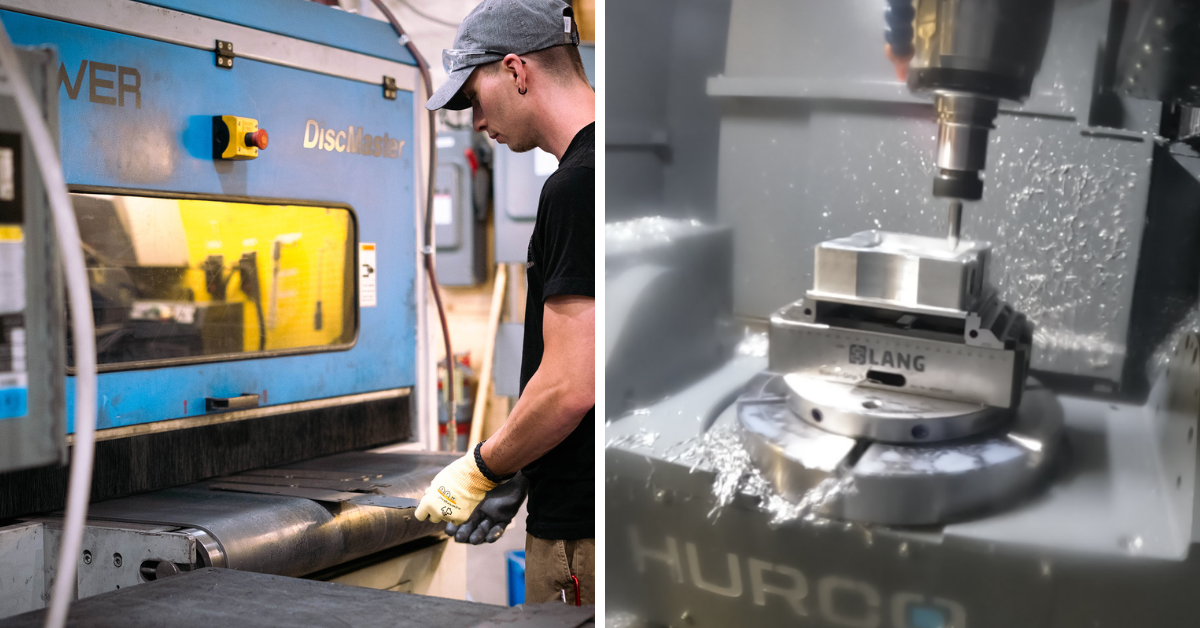
Wuxi Lead Precision Machinery delivers advanced sheet metal fabrication services engineered for precision, repeatability, and performance in high-end industrial applications. Our technical capabilities are built around a foundation of modern CNC technology, skilled engineering oversight, and rigorous quality assurance protocols. Central to our production workflow is the integration of 5-axis CNC machining systems, which enable complex forming, cutting, and drilling operations on a wide range of sheet metal materials including stainless steel, aluminum, carbon steel, and specialty alloys.
The adoption of 5-axis CNC technology allows us to execute multi-directional machining in a single setup, significantly reducing cycle times while enhancing dimensional accuracy. This capability is particularly advantageous for components requiring intricate geometries, tight tolerances, and superior surface finishes. Our machines are operated by certified technicians who utilize advanced CAM software to optimize tool paths and ensure efficient material utilization without compromising structural integrity.
Complementing our machining strength is a fully integrated quality control system anchored by Coordinate Measuring Machine (CMM) inspection. Every critical component undergoes comprehensive metrological validation to verify conformance to design specifications. The CMM system provides high-resolution, 3D measurement data, enabling real-time feedback and traceability across production batches. This level of inspection ensures compliance with international standards such as ISO 9001 and supports industries where failure is not an option—such as aerospace, medical devices, and advanced automation.
Our facility maintains strict environmental and operational controls to ensure machine stability and measurement accuracy. Temperature-regulated inspection rooms, calibrated tooling, and preventive maintenance schedules are standard practice. In addition, we employ first-article inspection (FAI) and in-process checks to identify and correct deviations early in the manufacturing sequence.
The following table outlines the standard technical tolerances we consistently achieve across our sheet metal fabrication processes:
| Parameter | Standard Tolerance | Notes |
|---|---|---|
| Linear Dimensions (up to 500 mm) | ±0.05 mm | Measured via CMM or high-precision calipers |
| Linear Dimensions (500–1000 mm) | ±0.10 mm | Adjusted for material expansion/contraction |
| Hole Diameter Tolerance | ±0.03 mm | CNC-drilled or reamed features |
| Positional Tolerance (Holes) | ±0.05 mm | Relative to datum; verified by CMM |
| Angular Tolerance | ±0.1° | For formed or machined angles |
| Surface Flatness (per 100 mm) | 0.05 mm | Measured with precision granite table |
| Sheet Thickness Range | 0.5 – 10 mm | Carbon steel, stainless, aluminum |
| Minimum Bend Radius | 1 × material thickness | Material-dependent; optimized for crack prevention |
These capabilities reflect Wuxi Lead Precision Machinery’s commitment to delivering sheet metal components that meet the exacting demands of global OEMs and high-tech industries. By combining 5-axis CNC processing with systematic quality verification, we ensure every part is manufactured to the highest standard of precision and reliability.
Material & Finish Options
Material Selection for Precision Sheet Metal Fabrication
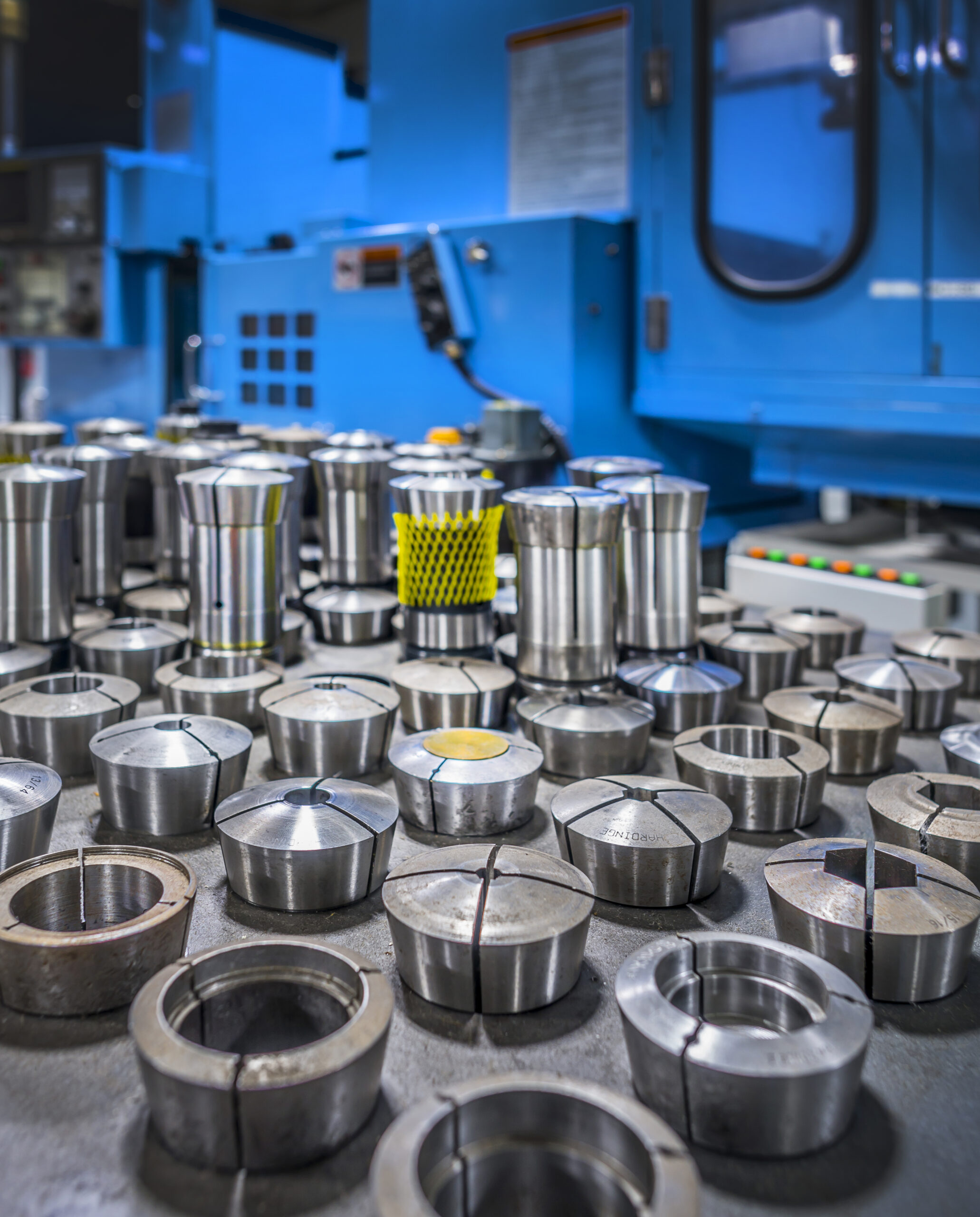
Selecting appropriate materials is fundamental to achieving optimal performance, cost efficiency, and longevity in sheet metal components. At Wuxi Lead Precision Machinery, we prioritize material science expertise to align your project requirements with the ideal substrate. Key considerations include mechanical strength, environmental resistance, weight constraints, weldability, and post-processing compatibility. Aluminum, steel, and titanium represent the core alloys for demanding applications, each offering distinct advantages.
Aluminum alloys, particularly 5052 and 6061, dominate aerospace, electronics enclosures, and transportation due to their exceptional strength-to-weight ratio and natural corrosion resistance. They exhibit excellent formability and thermal conductivity, making them ideal for heat sinks and lightweight structural frames. Mild steel (e.g., ASTM A36) remains the cost-effective workhorse for industrial enclosures, chassis, and brackets where ultimate strength and weldability are paramount. Its magnetic properties and ease of painting suit general fabrication, though protective finishes are essential in corrosive environments. For extreme conditions demanding maximum strength, heat resistance, and biocompatibility, titanium Grade 2 emerges as the premium solution. Its unparalleled corrosion resistance in saline or chemical settings justifies its use in medical implants, marine hardware, and critical aerospace components despite higher material and machining costs.
The following table summarizes critical properties to guide initial material screening:
| Property | Aluminum 6061-T6 | Mild Steel A36 | Titanium Grade 2 |
|---|---|---|---|
| Density (g/cm³) | 2.7 | 7.8 | 4.5 |
| Tensile Strength (MPa) | 310 | 400-550 | 440 |
| Corrosion Resistance | Excellent | Fair (painted) | Exceptional |
| Typical Applications | Enclosures, Frames | Brackets, Chassis | Medical, Aerospace |
Surface finishing significantly enhances functionality and aesthetics, with anodizing being indispensable for aluminum. Type II (sulfuric acid) anodizing provides durable, decorative oxide layers in various colors, improving wear and corrosion resistance for consumer and industrial parts. For mission-critical components requiring maximum hardness and electrical insulation, Type III (hardcoat) anodizing delivers thicker, denser coatings suitable for hydraulic systems or military hardware. Proper pre-treatment and process control are non-negotiable to prevent coating defects—Wuxi Lead’s ISO-certified finishing lines ensure micron-level consistency and adhesion.
Material choice directly impacts manufacturability and total cost of ownership. While titanium offers unmatched performance, its machining complexity necessitates specialized tooling and slower feed rates. Aluminum’s machinability allows faster production cycles, but thin gauges require careful handling to avoid distortion. Steel provides the broadest range of cost-effective fabrication options but demands rigorous finishing for outdoor use. Partnering with an experienced fabricator like Wuxi Lead ensures material selection is validated through DFM analysis and prototyping. Our engineers collaborate early in your design phase to balance performance targets with production realities, leveraging our 15+ years of precision sheet metal expertise. Contact us to discuss material certifications, testing protocols, or custom finishing solutions for your next project.
Manufacturing Process & QC
Design Phase: Precision Engineering from Concept to CAD
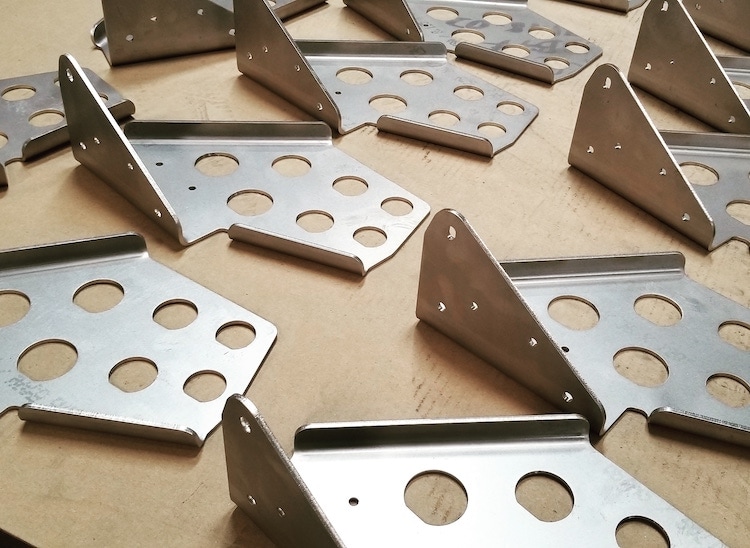
At Wuxi Lead Precision Machinery, the foundation of flawless sheet metal fabrication begins with rigorous design engineering. Our process integrates customer specifications with advanced CAD/CAM software to develop dimensionally accurate 3D models. Engineers conduct comprehensive design for manufacturability (DFM) analysis to identify potential structural, material, or assembly issues before production. This proactive approach ensures compatibility with downstream processes such as laser cutting, bending, and welding. Material selection—typically ranging from mild steel and stainless steel to aluminum and galvanized alloys—is optimized based on environmental exposure, mechanical requirements, and cost-efficiency. All design files are validated through internal review protocols and shared with clients for final approval, ensuring alignment on tolerances, finishes, and functional performance.
Prototyping: Validating Design Integrity
Following design approval, a functional prototype is produced under controlled conditions to verify form, fit, and function. Utilizing the same high-precision equipment designated for mass production—such as CNC laser cutters, automatic bending centers, and robotic welding cells—we eliminate process variation between prototype and final output. Each prototype undergoes dimensional inspection via coordinate measuring machines (CMM) and is subjected to functional testing where applicable. Feedback from client evaluation is incorporated into final design adjustments, ensuring all geometric and performance criteria are met. This stage is critical in mitigating risk, reducing time-to-market, and confirming process stability prior to scaling.
Mass Production: Zero Defects Through Process Control
Our mass production phase is engineered for consistency, efficiency, and uncompromising quality. Wuxi Lead implements a closed-loop manufacturing system monitored by real-time data acquisition across all workstations. Each operation—from blanking to final assembly—is governed by standardized work instructions and operator checklists aligned with ISO 9001 quality management standards. In-process inspections are conducted at defined intervals, and statistical process control (SPC) methodologies are applied to detect and correct deviations before they affect output. Automated vision systems and first-article inspection reports provide additional layers of verification.
Final products undergo 100% visual and dimensional inspection against approved samples and technical drawings. Surface finishes, weld integrity, and coating adhesion are rigorously tested in accordance with international standards. Non-conforming parts are quarantined and analyzed through root cause correction protocols to prevent recurrence. This disciplined approach enables us to achieve a zero-defect manufacturing objective, ensuring every component meets the highest benchmarks of reliability and precision.
Typical Sheet Metal Fabrication Specifications
| Parameter | Standard Capability | Tolerance Range | Materials Supported |
|---|---|---|---|
| Sheet Thickness | 0.5 mm – 10 mm | ±0.1 mm (cutting) | Mild Steel, Stainless Steel (304, 316), Aluminum (5052, 6061), Galvanized Steel |
| Laser Cutting | Up to 4000 mm × 2000 mm | ±0.05 mm | All conductive metals |
| CNC Bending | Up to 1000 mm length per bend | ±0.2° angular tolerance | Pre-cut blanks with deburred edges |
| Welding Processes | TIG, MIG, Spot Welding | Per ISO 15614-1 | All compatible alloys |
| Surface Finishes | Powder Coating, Anodizing, Passivation, Sandblasting | Ra ≤ 1.6 µm (machined) | Custom RAL/ Pantone color matching |
| Production Volume | Prototypes to 500,000 units/year | Lead Time: 7–21 days | JIT delivery available |
Why Choose Wuxi Lead Precision
Elevate Your Sheet Metal Fabrication Through Strategic Partnership
In high-stakes manufacturing sectors like aerospace, medical technology, and advanced automation, the integrity of every bracket, enclosure, and structural component directly impacts system performance and safety. Standard sheet metal works demand more than basic cutting and bending; they require unwavering precision, material science expertise, and process rigor that only a certified engineering partner can deliver. At Wuxi Lead Precision Machinery, we treat each project as a critical link in your value chain. Our ISO 9001 and AS9100-certified facility in Wuxi, China, operates under stringent aerospace-grade quality protocols, ensuring your components meet exacting dimensional and functional requirements—zero compromises.
Our technical capabilities are engineered for complexity and consistency. Below are core specifications defining our standard sheet metal fabrication capacity:
| Parameter | Specification |
|---|---|
| Material Range | Aluminum (1xxx-7xxx), Stainless Steel (304/316), Cold Rolled Steel, Brass |
| Thickness Range | 0.5 mm – 6.0 mm |
| Tolerance Control | ±0.05 mm (bending), ±0.1 mm (forming) |
| Max Part Size | 3000 mm × 1500 mm |
| Key Equipment | Amada CNC Press Brakes, Trumpf Lasers, Salvagnini P4 Panel Bender |
This foundation enables us to solve persistent industry pain points: unpredictable lead times due to fragmented supplier networks, inconsistent quality in high-mix production, and geometric complexity that exceeds standard shop capabilities. We integrate design-for-manufacturability (DFM) analysis at the quoting stage, reducing rework by 30% and accelerating time-to-assembly. Our real-time SPC monitoring during production ensures batch uniformity, while dedicated project managers provide transparent communication from CAD review to shipment—no time zone barriers, no language gaps.
When you partner with Lead Precision, you gain a single-source solution for mission-critical sheet metal. We handle low-volume prototypes with the same rigor as high-volume production runs, leveraging automated material handling and in-process CMM verification to maintain throughput without sacrificing accuracy. This operational discipline translates to lower total cost of ownership for your supply chain: reduced scrap, minimized assembly delays, and certified compliance with global standards.
Initiate your precision project with an engineering-first partner. Contact our technical sales team at Contact [email protected] to discuss your component requirements, material specifications, and delivery timelines. Include your CAD files or sketches for a rapid DFM assessment and competitive quotation. For urgent RFQs, reference project code SPM-2024 to prioritize engineering review. Let us demonstrate how precision sheet metal fabrication becomes your operational advantage—not a supply chain risk. Wuxi Lead Precision Machinery: Where dimensional stability meets manufacturing excellence.
⚙️ Precision Cost Estimator
Estimate relative manufacturing effort based on tolerance.