

Technical Contents
Engineering Guide: Stainless Steel Printing
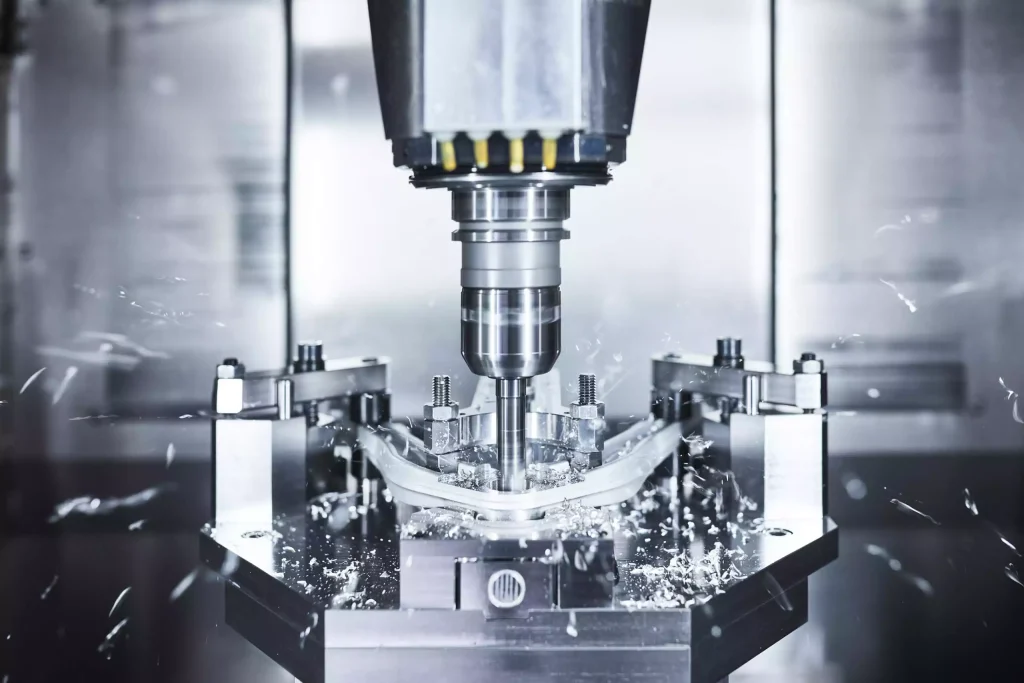
Engineering Insight: Precision Imperatives in Stainless Steel Additive Manufacturing
Stainless steel additive manufacturing transcends conventional fabrication, demanding absolute precision at every process stage. Material properties like thermal conductivity, coefficient of thermal expansion, and sintering dynamics introduce inherent challenges. Microstructural inconsistencies or dimensional deviations exceeding 50 microns can compromise fatigue resistance, corrosion performance, and structural integrity—critical failures in aerospace, medical implants, or defense systems. At Wuxi Lead Precision Machinery, we treat precision not as a target but as a non-negotiable engineering baseline. Our approach integrates real-time melt pool monitoring, closed-loop thermal management, and post-build metrology validation to ensure each component meets micron-level tolerances under ASTM F75 or ISO 22068 standards.
Material science dictates that 316L or 17-4PH stainless steel prints require exact control of laser energy density, inert gas purity, and cooling rates. Variations as small as 5 J/mm³ alter grain morphology, directly impacting yield strength and ductility. Lead Precision’s proprietary calibration protocols—refined over 12,000+ production builds—stabilize these variables across 420mm x 420mm x 420mm build volumes. This rigor enabled us to deliver mission-critical components for the Beijing Winter Olympics venue infrastructure and classified military systems where failure was never an option. Our engineers treat every build as a validation of material science principles, not just machine operation.
Key Stainless Steel Printing Specifications at Lead Precision
| Parameter | Capability | Industry Standard Reference |
|---|---|---|
| Layer Resolution | 20–50 microns | ASTM F3301 |
| Dimensional Accuracy | ±0.05 mm per 100 mm | ISO 2768-m |
| Surface Roughness (As-Built) | Ra 8–12 µm | ISO 4287 |
| Post-Processing Options | HIP, CNC Machining, Electropolishing | ASTM F562, ASTM B912 |
| Material Certifications | 316L, 17-4PH, 304L (Mill Test Reports) | AMS 5643, ASTM A276 |
Precision extends beyond the build chamber. Residual stress mitigation requires strategic support structures and stress-relief annealing calibrated to each alloy’s phase transformation kinetics. Our in-house metallurgy lab conducts ASTM E8 tensile tests and ASTM G48 pitting corrosion assays on every production batch—data shared transparently with clients. This end-to-end accountability stems from high-stakes projects where Olympic timing systems demanded zero drift at -30°C, and naval components operated under 500MPa cyclic loads.
For B2B manufacturers, tolerating ±0.2mm deviations risks systemic failure in fluid dynamics or load-bearing assemblies. At Lead Precision, we engineer stainless steel prints as certified performance assets, not mere prototypes. Contact our applications team to discuss how our Olympic-proven precision protocols can secure your next high-integrity project.
Precision Specs & Tolerances
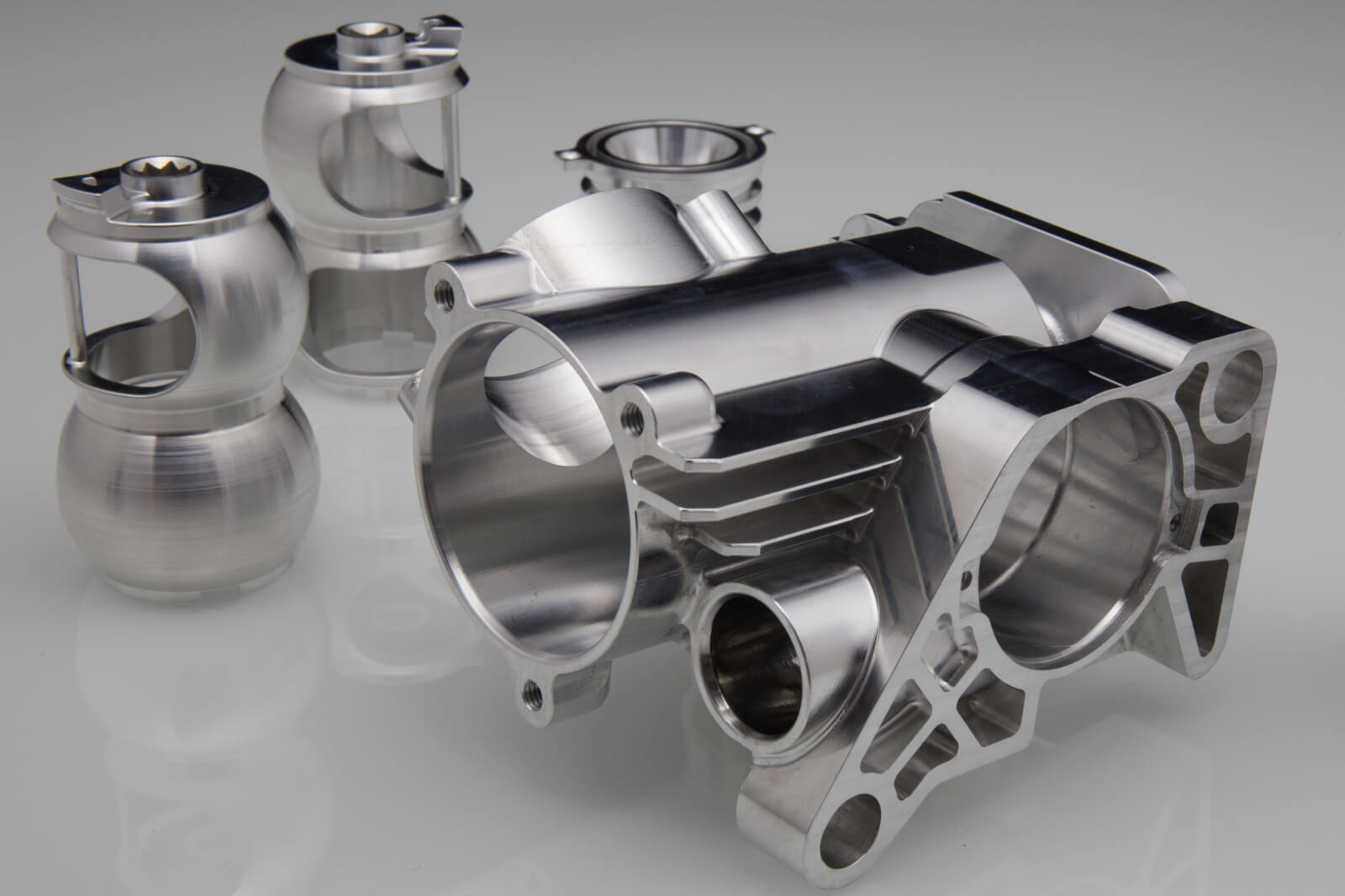
Wuxi Lead Precision Machinery delivers advanced manufacturing solutions for high-intensity industrial applications, specializing in custom metal components with an emphasis on precision-stamped and machined stainless steel parts. Our technical capabilities are anchored in state-of-the-art 5-axis CNC machining centers, enabling complex geometries, tight tolerances, and superior surface finishes required in aerospace, medical, energy, and high-end automation sectors. These multi-axis systems allow simultaneous cutting from five different directions, minimizing setup changes and ensuring exceptional part accuracy and repeatability across both prototyping and high-volume production runs.
All stainless steel printing and machining operations are supported by a fully integrated digital workflow, from CAD/CAM design to final inspection. Our engineers utilize advanced simulation software to optimize toolpaths, reduce cycle times, and prevent material deformation—critical when working with corrosion-resistant alloys such as 304, 316, 17-4 PH, and other martensitic or austenitic grades. This ensures dimensional stability and structural integrity, even in components subjected to extreme thermal and mechanical stress.
Quality control is embedded at every stage of production. Each stainless steel component undergoes rigorous post-machining inspection using Zeiss and Hexagon Coordinate Measuring Machines (CMM), capable of micron-level verification. These systems provide full 3D geometric dimensioning and tolerance (GD&T) analysis, ensuring compliance with ASME Y14.5 and ISO 1101 standards. In addition to CMM inspection, we employ optical comparators, surface roughness testers, and metallurgical analysis to validate material composition and microstructure.
Our facility maintains ISO 9001:2015 and IATF 16949 certifications, reflecting our commitment to process control, traceability, and continuous improvement. All inspection data is documented and archived for full production lot traceability, meeting the stringent documentation requirements of regulated industries.
The following table outlines the standard technical specifications and tolerances achievable across our 5-axis CNC stainless steel manufacturing processes:
| Parameter | Standard Capability | High-Precision Capability |
|---|---|---|
| Positional Tolerance | ±0.025 mm | ±0.010 mm |
| Feature-to-Feature Tolerance | ±0.020 mm | ±0.008 mm |
| Surface Roughness (Ra) | 1.6 µm | 0.4 µm (polished finish) |
| Angular Tolerance | ±0.1° | ±0.05° |
| Maximum Part Size | 1200 x 800 x 600 mm | 800 x 500 x 400 mm |
| Minimum Wall Thickness | 0.8 mm | 0.5 mm (with support) |
| Hole Diameter Tolerance | H7 (ISO) | H6 (ISO) |
| CMM Measurement Accuracy | ±2.5 + L/300 µm | ±1.8 + L/400 µm |
Wuxi Lead Precision Machinery combines engineering expertise with cutting-edge equipment to deliver stainless steel components that meet the most demanding performance criteria. Our technical capabilities are designed to support innovation, reduce assembly complexity, and enhance product lifecycle performance in mission-critical applications.
Material & Finish Options
Material Selection for High-Performance Metal Printing
Material choice fundamentally dictates the functional success and economic viability of your printed metal components. At Wuxi Lead Precision Machinery, we emphasize that optimal selection requires aligning material properties with the part’s operational environment, mechanical demands, and lifecycle requirements. Generic recommendations are insufficient; precision engineering demands precision material science. For stainless steel printing, understanding its place alongside alternatives like aluminum and titanium is critical for informed decision-making.
Stainless steel alloys, particularly 316L and 17-4 PH, dominate applications demanding exceptional corrosion resistance combined with high strength and moderate temperature tolerance. 316L excels in marine, chemical, and medical environments due to its molybdenum content, while 17-4 PH offers superior strength through heat treatment, ideal for aerospace fittings and tooling. However, stainless steel printing presents challenges including potential thermal distortion and the absolute requirement for post-process stress relief to ensure dimensional stability and fatigue performance. Aluminum alloys like 6061 and 7075 provide the best strength-to-weight ratio, crucial for aerospace and automotive weight savings. They print with excellent thermal conductivity but lack the inherent corrosion resistance of stainless steel, necessitating protective finishes. Titanium Grade 5 (Ti-6Al-4V) is the pinnacle for extreme strength-to-weight, biocompatibility, and corrosion resistance in aerospace and medical implants, though its high cost and complex printing parameters require significant expertise.
Surface finishing is inseparable from material selection. Anodizing is exclusively applicable to aluminum, creating a hard, corrosion-resistant oxide layer that can be dyed for identification. It is not feasible for stainless steel or titanium. Stainless steel components typically undergo passivation to enhance natural corrosion resistance or electropolishing for improved surface finish and micro-cleanliness, especially in medical applications. Titanium often requires specialized treatments like acid etching for biocompatibility or grit blasting for adhesion in subsequent processes.
Consider the following key specifications when evaluating primary metal printing options:
| Material | Key Alloys | Max Continuous Temp (°C) | Tensile Strength (MPa) | Relative Cost Factor | Best Application Focus |
|---|---|---|---|---|---|
| Stainless Steel | 316L, 17-4 PH | 500-600 | 550-1300 | Medium | Corrosive env., high strength, medical |
| Aluminum | 6061, 7075 | 150-200 | 310-570 | Low | Lightweight structures, heat sinks |
| Titanium | Ti-6Al-4V | 600 | 900-1100 | High | Aerospace, medical implants, extreme env. |
Selecting the right material involves navigating complex trade-offs between performance, manufacturability, and cost. Wuxi Lead Precision Machinery leverages deep metallurgical expertise and advanced printing capabilities to guide you through this critical phase. We analyze your specific functional requirements, environmental exposure, and lifecycle expectations to recommend the optimal material and finishing strategy, ensuring your printed components deliver maximum value and reliability. Partner with us to transform material selection from a challenge into a competitive advantage.
Manufacturing Process & QC
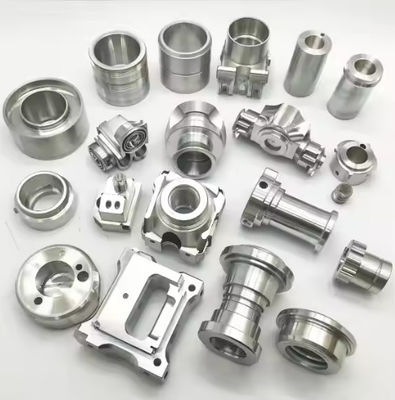
The production process for stainless steel printing at Wuxi Lead Precision Machinery is engineered for precision, repeatability, and zero-defect outcomes. Every stage—from initial design through prototyping to full-scale manufacturing—is governed by strict quality protocols and advanced digital workflows, ensuring that each component meets exacting industrial standards.
Design begins with a collaborative engineering review, where our technical team works directly with client specifications to optimize geometry, material selection, and print parameters. Utilizing 3D CAD modeling and finite element analysis (FEA), we simulate structural performance and thermal behavior to preempt potential failure points. This digital validation phase ensures manufacturability and functional integrity before any physical production begins. Our design engineers adhere to ISO 13485 and AS9100 standards, particularly critical in aerospace, medical, and high-performance industrial applications.
Prototyping follows design finalization, employing laser powder bed fusion (LPBF) technology with premium-grade 316L or 304L stainless steel. Each prototype is printed in-house using calibrated additive systems with inert argon environments to prevent oxidation and ensure metallurgical consistency. Post-print, prototypes undergo stress relief annealing, precision machining, and surface finishing as required. Dimensional inspection is performed using coordinate measuring machines (CMM), while mechanical testing verifies tensile strength, hardness, and corrosion resistance. This stage not only validates form and fit but also qualifies the process for serial production.
Mass production leverages automated build chains, real-time melt pool monitoring, and closed-loop powder management to maintain batch-to-batch uniformity. Each print job is supported by a full digital twin, enabling traceability down to the layer level. In-process inspections detect anomalies immediately, triggering corrective actions before defects propagate. After printing, components proceed through a defined post-processing sequence including support removal, heat treatment, surface polishing or blasting, and final metrology. Every part is 100% inspected against GD&T callouts, with full material certification and test reports provided.
Our zero-defect philosophy is enforced through Statistical Process Control (SPC), First Article Inspection (FAI), and continuous operator training. Non-conformances are analyzed using root cause corrective action (RCCA) methodologies, ensuring systemic resolution. This disciplined approach has enabled Wuxi Lead to achieve PPM rates below 50 across high-volume contracts.
Key process specifications are summarized below:
| Parameter | Specification |
|---|---|
| Material Options | 316L, 304L Stainless Steel (gas-atomized) |
| Layer Thickness | 20–50 μm |
| Build Envelope | Up to 250 × 250 × 300 mm |
| Dimensional Accuracy | ±0.05 mm (typical) |
| Surface Roughness (as-printed) | Ra 10–15 μm |
| Post-Processing Options | CNC Machining, Passivation, Electropolishing |
| Quality Standards | ISO 9001, ISO 13485, AS9100 |
| Inspection Tools | CMM, X-ray, Dye Penetrant, Hardness Testing |
From concept to delivery, Wuxi Lead Precision Machinery ensures that stainless steel printing is not only a manufacturing solution but a guaranteed performance outcome.
Why Choose Wuxi Lead Precision
Partner with Lead Precision for Uncompromised Stainless Steel Manufacturing Excellence
In the demanding landscape of precision metal components, stainless steel printing demands more than standard fabrication. It requires metallurgical expertise, advanced CNC capabilities, and unwavering process control to achieve the corrosion resistance, structural integrity, and micron-level tolerances your critical applications demand. At Wuxi Lead Precision Machinery, we operate at the intersection of material science and ultra-precision engineering. With ISO 9001:2015 certification and over 15 years of specialized experience in custom stainless steel production, we transform complex designs into mission-critical parts trusted by aerospace, medical device, and semiconductor leaders globally.
Generic suppliers often fail to address the unique challenges of stainless steel—work hardening during machining, thermal distortion risks, or inconsistent surface finishes that compromise performance. We solve these through proprietary process protocols and dedicated metallurgical oversight. Our facility integrates multi-axis CNC milling, Swiss turning, and laser micromachining with in-house material validation. Every batch undergoes rigorous chemical composition analysis and mechanical testing, ensuring compliance with ASTM, AMS, and customer-specific material standards. This systematic approach eliminates supply chain vulnerabilities, guaranteeing parts perform identically batch after batch.
Our technical capabilities are engineered for your most stringent requirements. The table below outlines core specifications for stainless steel components:
| Parameter | Capability Range | Standard Compliance |
|---|---|---|
| Material Grades | 304, 304L, 316, 316L, 17-4PH, 440C | ASTM A276, AMS 5643 |
| Tolerance Control | ±0.005 mm (micron-level) | ISO 2768-mK |
| Surface Finish | Ra 0.8 μm to mirror polish (Ra 0.05) | ASTM A967, passivation |
| Max Part Size | Ø 350 mm x 600 mm length | Custom fixturing available |
| Certifications | Material traceability, PPAP, FAI | Full documentation suite |
Beyond technical execution, we function as your strategic extension. Our engineering team collaborates during DFM stages to optimize manufacturability—reducing lead times by up to 30% while enhancing part reliability. We manage everything from vacuum heat treatment to precision cleaning, eliminating third-party handoffs that introduce quality risks. Global clients rely on our 72-hour rapid quoting, JIT delivery scheduling, and real-time production tracking via secure client portals.
The cost of substandard stainless steel components extends far beyond initial procurement—downtime, recalls, and reputational damage are unacceptable in your industry. Partner with an OEM manufacturer built for zero-defect outcomes. Send your CAD files and technical specifications to Contact [email protected]. Our application engineers will provide a detailed capability assessment and production timeline within one business day. For urgent projects, reference code SSP-2024 in your email to prioritize review. Let Wuxi Lead Precision Machinery deliver the precision-engineered stainless steel solutions your innovation requires—on spec, on time, every time.
⚙️ Precision Cost Estimator
Estimate relative manufacturing effort based on tolerance.