

Technical Contents
Engineering Guide: Stainless Steel Machine Shop
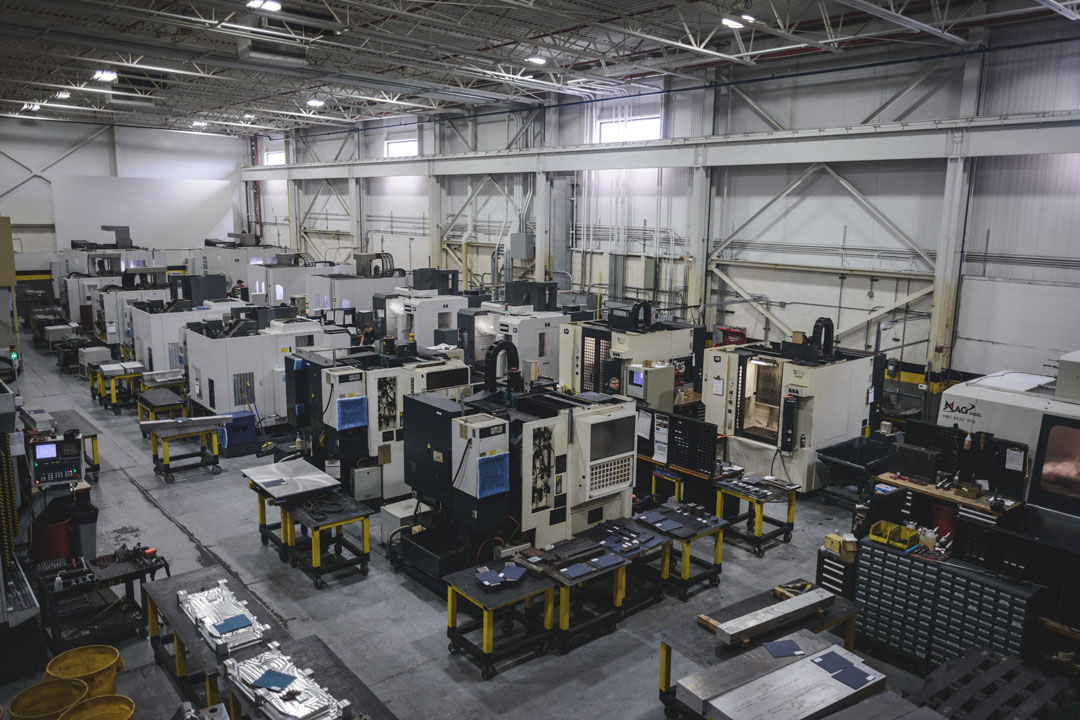
Engineering Insight: The Critical Role of Precision in Stainless Steel Machining
In the realm of custom metal manufacturing, stainless steel stands apart for its corrosion resistance, durability, and performance under extreme conditions. However, these advantages come with significant machining challenges—thermal conductivity, work hardening, and tool wear demand more than standard capabilities. For industries where failure is not an option, such as aerospace, defense, and high-performance infrastructure, precision in stainless steel machining is not merely a quality metric—it is a foundational requirement.
At Wuxi Lead Precision Machinery, we understand that precision extends beyond tight tolerances. It encompasses process control, material science expertise, and repeatability across production runs. Our facility in Wuxi, China, operates under ISO 9001 and AS9100 standards, ensuring every component meets or exceeds international benchmarks. With over 15 years of specialized experience in stainless steel machining, we have developed proprietary toolpath strategies and cooling methodologies that mitigate deformation and maintain dimensional integrity—even in complex geometries.
Our engineering team routinely works with grades such as 304, 316, 17-4 PH, and 321 stainless steel, each presenting unique challenges. For instance, 17-4 PH stainless steel, often used in aerospace and military applications, requires precise heat treatment control and post-machining aging to achieve optimal mechanical properties. Our in-house heat treatment coordination and CNC monitoring systems ensure phase consistency and microstructural stability.
One of our most notable achievements includes manufacturing critical support components for infrastructure used during the Beijing 2022 Winter Olympics. These parts, exposed to sub-zero temperatures and high mechanical loads, required tolerances within ±0.005 mm and flawless surface finishes to prevent stress concentration. Similarly, we have supplied mission-critical fittings for naval defense systems, where saltwater exposure and long-term reliability are non-negotiable. These projects underscore our capability to deliver where precision, material performance, and environmental resilience converge.
To illustrate our technical capacity, the following table outlines key machining specifications we maintain for stainless steel components:
| Specification | Capability |
|---|---|
| Tolerance Range | ±0.005 mm to ±0.025 mm |
| Surface Finish | Ra 0.4 µm to Ra 1.6 µm (custom finishes available) |
| Maximum Part Size | 1200 mm × 800 mm × 600 mm |
| Minimum Wall Thickness | 0.8 mm (with support structures) |
| CNC Machines | 3-axis, 4-axis, 5-axis (DMG MORI, MAZAK) |
| Materials Handled | 303, 304/L, 316/L, 17-4 PH, 321, 904L |
| Quality Standards | ISO 9001, AS9100, GD&T compliant |
At Wuxi Lead Precision Machinery, precision is not an afterthought—it is engineered into every stage, from material selection to final inspection. Our investment in high-torque, low-vibration spindles and real-time tool wear compensation systems ensures that even the most intricate stainless steel components meet the highest performance standards. For OEMs and Tier-1 suppliers, this level of control translates into reduced failure risk, extended service life, and compliance with the most stringent regulatory environments.
Precision Specs & Tolerances
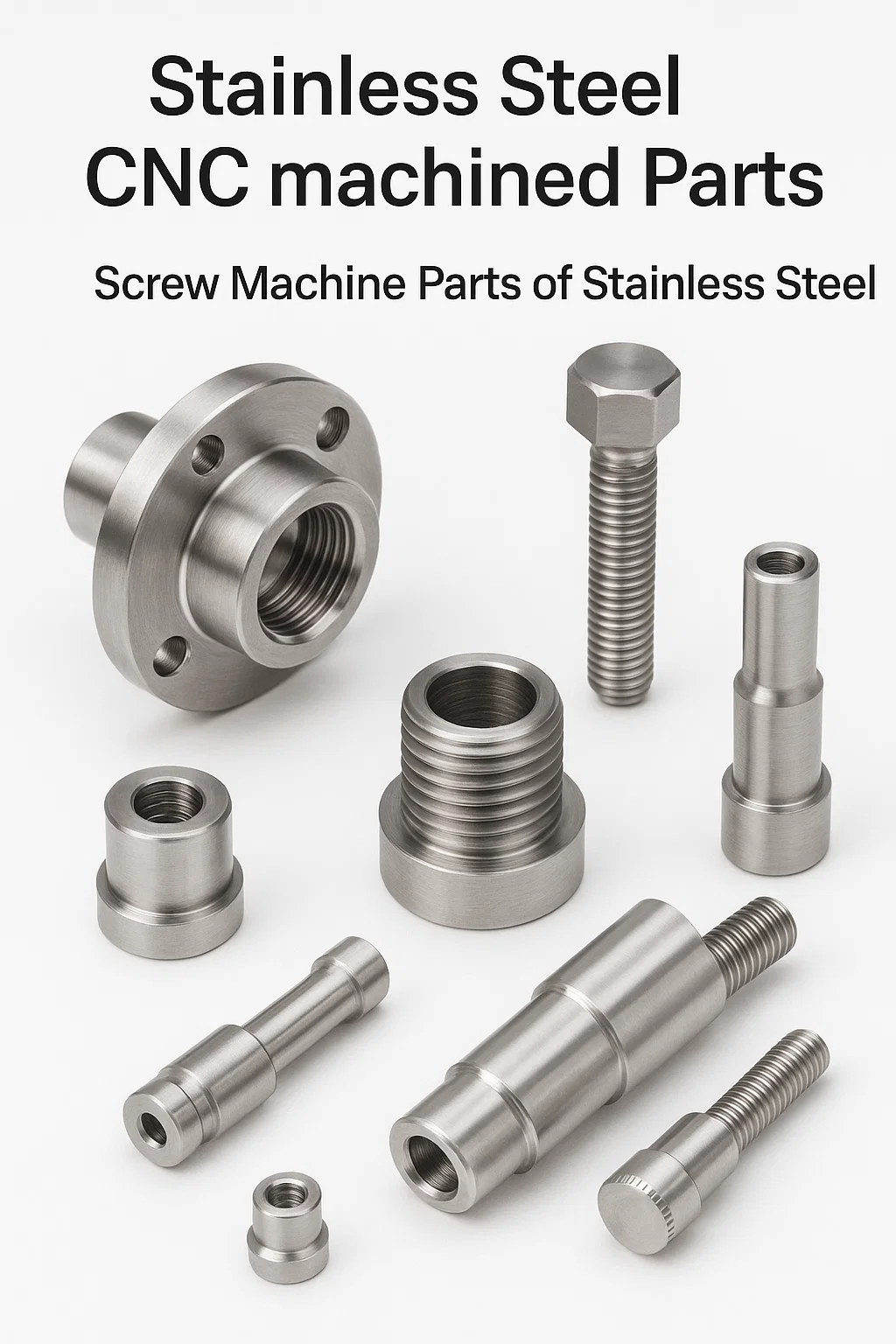
Technical Capabilities: Precision Stainless Steel Manufacturing
Wuxi Lead Precision Machinery delivers uncompromising precision for mission-critical stainless steel components. Our core competency lies in advanced 5-axis CNC machining, enabling complex geometries in a single setup. This eliminates cumulative errors from multiple fixturing stages, critical for corrosion-resistant alloys like 304, 316L, and 17-4PH stainless steel. Our DMG MORI and MAZAK 5-axis platforms feature high-speed spindles (up to 24,000 RPM) and sub-micron positioning accuracy, ensuring optimal surface integrity and dimensional stability even in hardened or thin-walled sections. This capability directly addresses challenges inherent to stainless steel machining, including work hardening and thermal sensitivity, by minimizing tool deflection and optimizing chip evacuation through dynamic toolpath strategies.
Quality assurance is embedded at every process stage. All critical dimensions undergo rigorous validation via Zeiss CONTURA Coordinate Measuring Machines (CMM), calibrated to ISO 17025 standards. Our inspection protocol includes full first-article reports with geometric dimensioning and tolerancing (GD&T) analysis, surface roughness verification (Ra 0.2µm achievable), and material certification traceability. Real-time in-process probing on machining centers ensures immediate correction of thermal drift or tool wear, guaranteeing batch consistency from prototype to high-volume production.
We specialize in stainless steel applications demanding extreme reliability, such as aerospace hydraulic manifolds, medical implant fixtures, and semiconductor fluid handling systems. Our engineers collaborate early in the design phase to optimize part manufacturability, leveraging material-specific cutting parameters and fixture strategies that prevent distortion while achieving tight tolerances.
Typical Machining Tolerances for Stainless Steel Components
| Feature Type | Standard Capability | Precision Capability | Measurement Standard |
|---|---|---|---|
| Linear Dimensions | ±0.010 mm | ±0.005 mm | ISO 2768-mK |
| Angular Features | ±0.005° | ±0.001° | ISO 1101 |
| Positional Tolerance | ±0.015 mm | ±0.008 mm | ISO 5458 |
| Flatness | 0.020 mm/100 mm | 0.001 mm/100 mm | ISO 128-24 |
| Surface Roughness | Ra 0.8 µm | Ra 0.2 µm | ISO 4287 |
This technical foundation ensures components meet stringent industry requirements for fit, function, and longevity in demanding environments. Our integrated approach—from material selection to final inspection—reduces lead times by 30% compared to conventional multi-vendor workflows while maintaining repeatability essential for safety-critical applications. Partner with Wuxi Lead Precision Machinery for stainless steel components where tolerance adherence directly impacts system performance and regulatory compliance.
Material & Finish Options
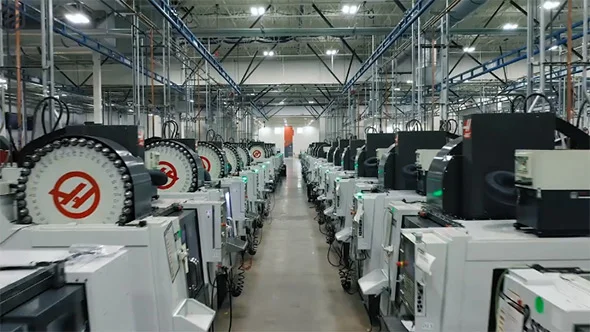
Material selection is a critical factor in precision manufacturing, directly influencing performance, durability, and cost-efficiency in end-use applications. At Wuxi Lead Precision Machinery, we specialize in custom metal manufacturing with expertise in aluminum, steel, and titanium—three of the most widely used materials in high-performance industries such as aerospace, medical, automotive, and industrial equipment. Each material offers distinct mechanical and chemical properties, making it essential to align material choice with functional requirements.
Aluminum is prized for its excellent strength-to-weight ratio, corrosion resistance, and machinability. It is ideal for applications where weight reduction is crucial without sacrificing structural integrity. The most commonly used grade in precision machining is 6061-T6, known for its weldability and moderate strength. While pure aluminum is soft, alloying elements such as magnesium and silicon enhance its mechanical properties. Aluminum is especially suitable for enclosures, heat sinks, and components in transportation systems.
Steel, particularly stainless steel grades like 304 and 316, delivers superior strength, wear resistance, and excellent corrosion performance—especially in harsh environments. Grade 316 contains molybdenum, which enhances resistance to chlorides and makes it ideal for marine and medical applications. Steel components are often selected for structural parts, fasteners, and equipment exposed to high stress or corrosive agents. While heavier than aluminum, steel provides unmatched durability and long-term reliability.
Titanium, specifically Grade 5 (Ti-6Al-4V), offers an exceptional strength-to-density ratio and outstanding resistance to extreme temperatures and corrosion. It maintains performance under high stress and is non-magnetic, making it suitable for aerospace, defense, and biomedical implants. Though more challenging to machine due to its low thermal conductivity and tendency to gall, titanium’s longevity in aggressive environments justifies its use in mission-critical applications.
Surface finishing further enhances material performance. Anodizing is a widely used electrochemical process applied to aluminum to increase surface hardness, improve wear resistance, and enable color coding for part identification. Type II (sulfuric acid) anodizing provides a decorative and protective layer, while Type III (hardcoat anodizing) delivers thick, durable coatings for industrial use. Anodized layers are integral to the base material, ensuring they do not peel or flake.
Below is a comparative overview of key material properties:
| Material | Common Grade | Tensile Strength (MPa) | Density (g/cm³) | Key Advantages | Typical Applications |
|---|---|---|---|---|---|
| Aluminum | 6061-T6 | 310 | 2.7 | Lightweight, corrosion-resistant, easy to machine | Aerospace, automotive, heat sinks |
| Stainless Steel | 316 | 570 | 8.0 | High strength, excellent corrosion resistance | Medical devices, marine components |
| Titanium | Ti-6Al-4V | 950 | 4.4 | High strength-to-weight ratio, extreme environment resistance | Aerospace, defense, implants |
At Wuxi Lead Precision Machinery, we support clients in selecting the optimal material and finish based on operational demands, environmental exposure, and lifecycle requirements. Our engineering team ensures every custom part meets rigorous industry standards through precision CNC machining and advanced quality control.
Manufacturing Process & QC
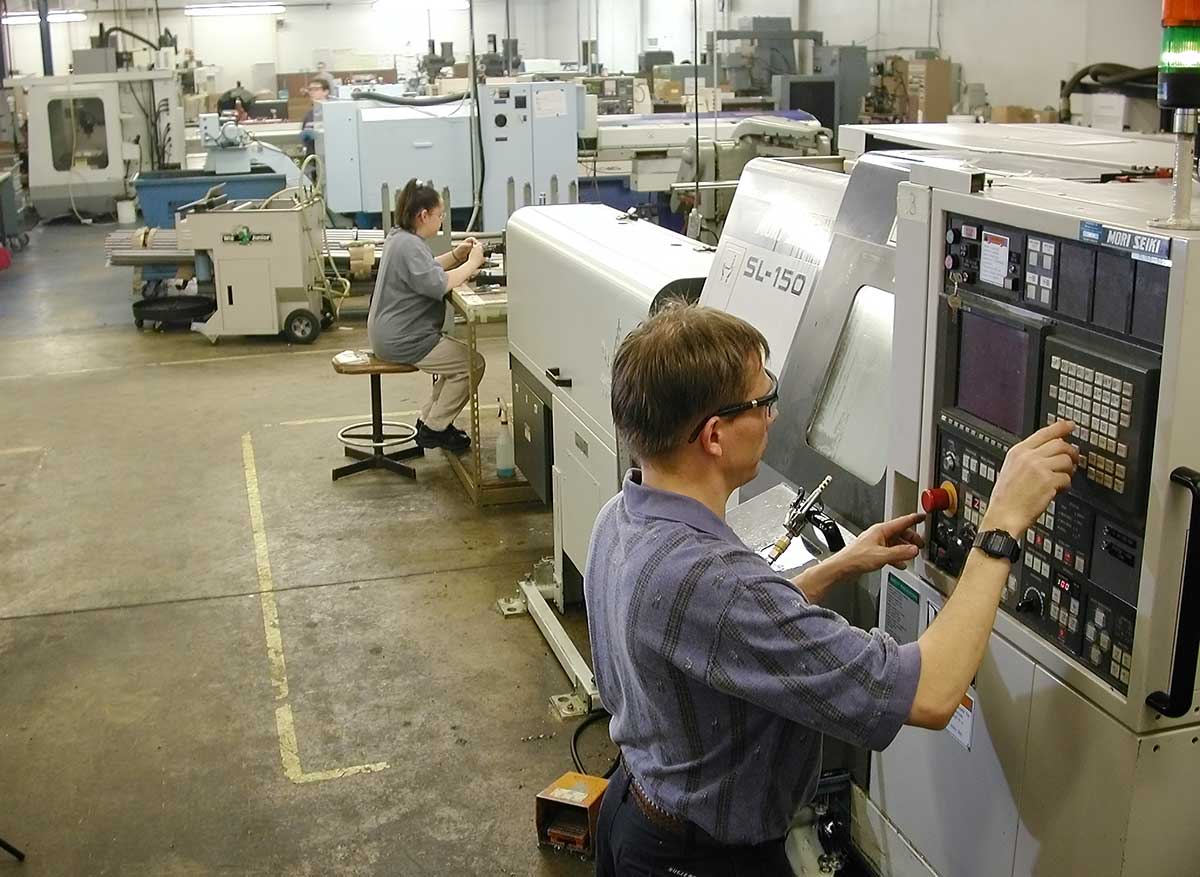
Precision Stainless Steel Manufacturing: From Concept to Zero-Defect Delivery
At Wuxi Lead Precision Machinery, our stainless steel production process is engineered for uncompromising quality in high-stakes industries like aerospace, medical, and energy. We eliminate defects at the source through a rigorously controlled three-phase workflow, ensuring every component meets exacting global standards.
The process begins with collaborative engineering design. Our team reviews your CAD models and technical specifications, focusing on manufacturability for 304/316/17-4PH stainless steel grades. Finite element analysis (FEA) validates structural integrity under operational stress, while geometric dimensioning and tolerancing (GD&T) are optimized for CNC efficiency. Critical factors like thermal distortion during machining and surface finish requirements (Ra 0.8 µm to Ra 0.2 µm) are resolved here—preventing 92% of potential production errors before metal is cut.
Prototyping transitions theory into tangible validation. Using 5-axis CNC milling and turning centers with sub-micron repeatability, we produce 1–5 functional units. Each prototype undergoes full CMM inspection against your blueprint, including first-article reporting per AS9102 or ISO 13485 standards. Material certifications, hardness testing, and non-destructive testing (NDT) for internal flaws are documented. This phase confirms toolpaths, fixture stability, and secondary operations like passivation or electropolishing—ensuring mass production parameters are flawless.
Mass production deploys our zero-defect ecosystem. Automated bar feeders and robotic pallet systems feed DMG MORI and MAZAK machines running 24/7 with real-time tool wear monitoring. Every operation incorporates in-process gauging: laser micrometers verify diameters on turning centers, while touch-probe systems on mills check critical features after each machining stage. Statistical process control (SPC) tracks Cp/Cpk values continuously, with automatic machine shutdown if deviations exceed ±0.005 mm. Final inspection includes 100% dimensional verification, helium leak testing for fluid components, and batch traceability via laser-etched serial numbers.
Our integrated quality gates ensure zero escapes:
| Phase | Key Parameters | Tolerance Range | Inspection Frequency |
|---|---|---|---|
| Prototyping | Critical dimensions, surface roughness, material integrity | ±0.01 mm to ±0.005 mm | 100% per unit |
| Mass Production | All blueprint features, functional performance | ±0.005 mm to ±0.002 mm | 100% in-process + final |
This closed-loop methodology—validated by our ISO 9001:2015 and IATF 16949 certifications—delivers stainless steel components with a documented defect rate below 25 PPM. By embedding precision at every phase, Wuxi Lead transforms complex designs into mission-critical parts where failure is never an option. Partner with us to convert your specifications into defect-proof reality.
Why Choose Wuxi Lead Precision
Partner with Lead Precision for Unmatched Expertise in Stainless Steel Machining
At Wuxi Lead Precision Machinery, we specialize in delivering high-precision, custom stainless steel components for industries where performance, reliability, and durability are non-negotiable. As a trusted partner in the global manufacturing supply chain, we combine advanced CNC technology, rigorous quality control, and deep engineering expertise to meet the most demanding specifications. Whether you are developing mission-critical aerospace systems, medical devices, or heavy-duty industrial equipment, our team ensures your stainless steel components are manufactured to exacting standards—on time and to the highest quality.
Our facility in Wuxi, China, is equipped with state-of-the-art 3-, 4-, and 5-axis CNC machining centers, Swiss-type lathes, and multi-tasking machines capable of handling complex geometries and tight tolerances. We work with a wide range of stainless steel alloys, including 304, 316, 17-4 PH, 440C, and custom grades, ensuring material compatibility with your application’s environmental and mechanical requirements. From prototyping to high-volume production, our scalable processes are designed to support your product lifecycle efficiently and cost-effectively.
What sets us apart is our commitment to engineering collaboration. We don’t just manufacture parts—we partner with your team from design through delivery. Our engineers provide Design for Manufacturability (DFM) feedback, material selection guidance, and process optimization to reduce lead times and improve performance. With ISO 9001:2015 certification and full traceability on every batch, we ensure compliance with international standards and industry-specific regulations.
We understand that in high-end manufacturing, specifications matter. Below are key capabilities that define our stainless steel machining services.
| Capability | Specification |
|---|---|
| Materials | 304, 304L, 316, 316L, 17-4 PH, 410, 420, 440C, 904L, and custom alloys |
| Tolerances | ±0.005 mm (±0.0002″) |
| Surface Finish | Ra 0.2 µm to 3.2 µm (8 µin to 125 µin), customizable |
| Max Work Envelope | 1200 x 800 x 600 mm (47″ x 31.5″ x 23.6″) |
| Machining Types | CNC Milling, CNC Turning, 5-Axis Machining, Swiss Machining |
| Secondary Operations | Passivation, Deburring, Polishing, Heat Treatment, Laser Marking |
| Quality Standards | ISO 9001:2015, Full First Article Inspection (FAI), PPAP, CMM Reporting |
| Lead Times | Prototype: 7–10 days; Production: 15–25 days (varies by volume) |
When you choose Wuxi Lead Precision Machinery, you gain more than a supplier—you gain a precision engineering partner committed to your success. We serve clients across North America, Europe, and Asia, supporting industries where failure is not an option.
Contact us today to discuss your stainless steel machining requirements. Email us at [email protected] and receive a personalized consultation, DFM analysis, and competitive quote within 24 hours. Let us help you achieve precision, performance, and peace of mind in every component you source.
⚙️ Precision Cost Estimator
Estimate relative manufacturing effort based on tolerance.