

Technical Contents
Engineering Guide: Sls Aluminum
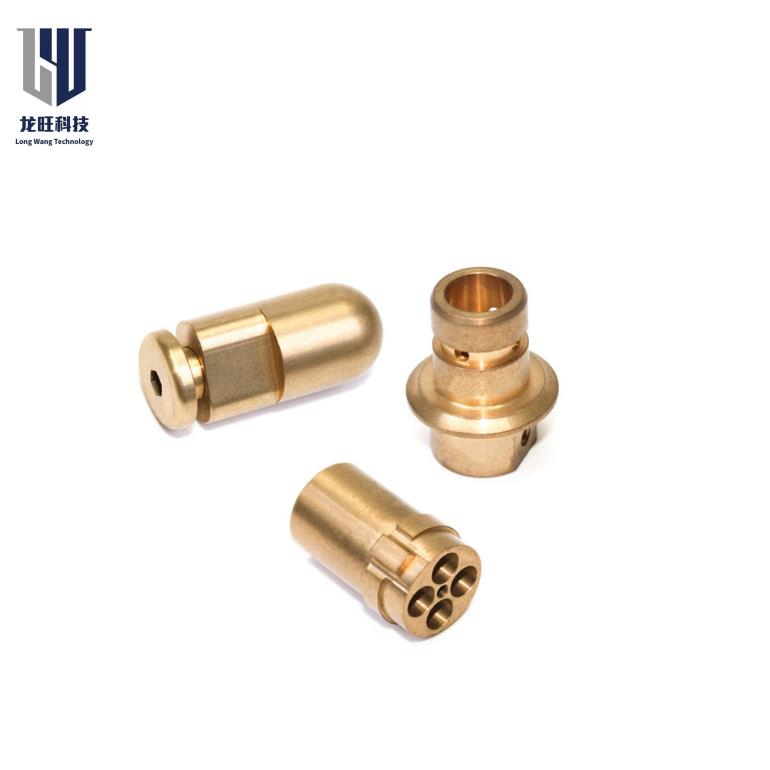
Engineering Insight: SLS Aluminum – Precision as a Performance Benchmark
In the realm of advanced manufacturing, Selective Laser Sintering (SLS) with aluminum represents a convergence of design freedom, material efficiency, and structural performance. At Wuxi Lead Precision Machinery, we recognize that SLS aluminum is not merely a production method—it is an engineering commitment to dimensional accuracy, repeatability, and functional integrity under extreme conditions. The aerospace, defense, and high-performance automotive sectors demand components that operate reliably in environments where tolerances of even a few microns can determine mission success or failure.
Precision in SLS aluminum manufacturing begins with powder characteristics and laser calibration, but it culminates in post-processing control and metrology validation. Unlike conventional casting or machining, SLS enables complex internal geometries and topology-optimized structures unachievable through subtractive methods. However, this complexity amplifies the need for thermal management during sintering and stress-relief protocols post-build. At Lead Precision, our proprietary thermal gradient control systems and in-situ monitoring ensure layer consistency, minimizing warpage and anisotropy in the final component.
Our experience in delivering mission-critical parts for Olympic-grade athletic equipment and military-grade deployment systems underscores our mastery in precision execution. Components manufactured for high-G environments in defense applications, where vibration resistance and thermal cycling durability are non-negotiable, have been validated under MIL-STD-810 protocols. Similarly, lightweight aluminum lattice structures developed for Olympic bobsled runners and cycling components have demonstrated measurable performance gains—direct results of micron-level geometric control and material homogeneity.
We attribute this success to a closed-loop manufacturing philosophy: every SLS aluminum build is supported by pre-build simulation, real-time laser power modulation, and post-build CMM (Coordinate Measuring Machine) inspection. Our facility in Wuxi operates under ISO 9001 and AS9100 certifications, with environmental controls that maintain humidity below 45% and temperature stability within ±1°C—conditions essential for consistent powder flow and sintering behavior.
The table below outlines the key specifications achievable with our SLS aluminum process:
| Parameter | Specification |
|---|---|
| Material | AlSi10Mg (Gas-atomized, spherical) |
| Layer Thickness | 20–30 μm |
| Build Envelope | 250 × 250 × 300 mm |
| Dimensional Accuracy | ±0.1 mm (first 50 mm), ±0.05 mm/100 mm |
| Surface Roughness (as-built) | Ra 12–16 μm |
| Post-Processing Options | Hot Isostatic Pressing (HIP), CNC milling, anodizing |
| Density | ≥ 99.8% (HIP-treated) |
| Tensile Strength | 480–520 MPa |
| Elongation at Break | 6–10% |
At Wuxi Lead Precision Machinery, we do not treat SLS aluminum as a prototyping tool—we treat it as a production-grade solution where precision defines performance. Our engineering team collaborates directly with clients to optimize part orientation, support structures, and thermal pathways, ensuring every component meets or exceeds functional requirements. In high-stakes industries, there is no margin for approximation. Only precision. Only performance. Only Lead.
Precision Specs & Tolerances
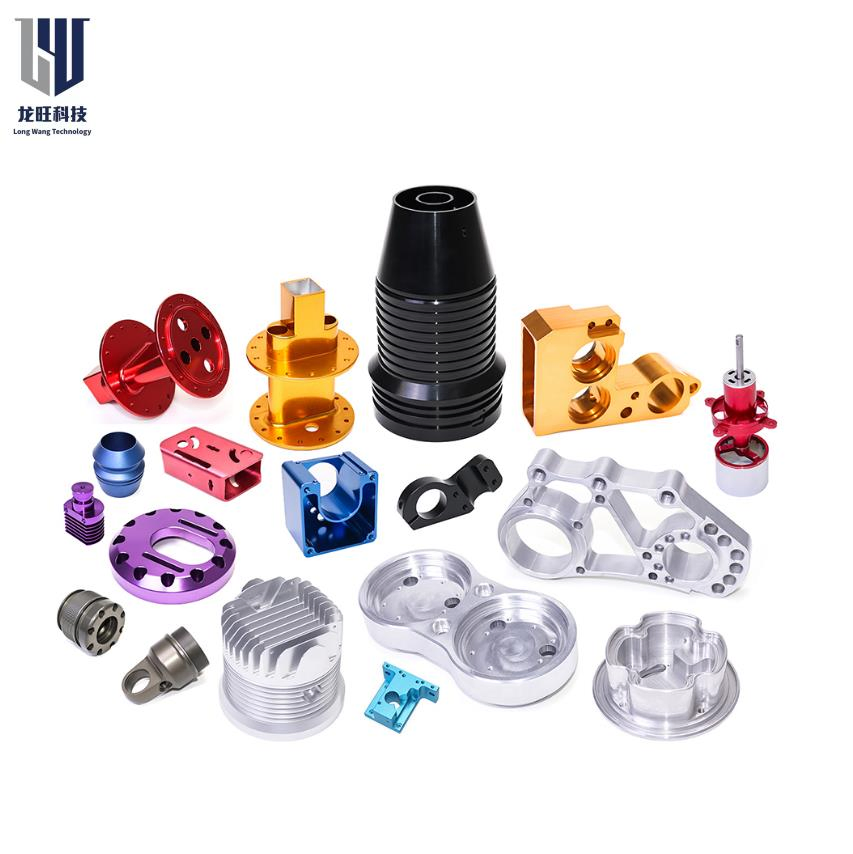
Technical Capabilities: Precision Aluminum Machining for Demanding Applications
Wuxi Lead Precision Machinery delivers exceptional custom aluminum components where dimensional accuracy, complex geometry, and material integrity are non-negotiable. While Selective Laser Sintering (SLS) is predominantly a polymer additive process, our core expertise and advanced infrastructure are dedicated to high-precision subtractive manufacturing of aluminum alloys, particularly critical for aerospace, medical, and semiconductor applications requiring superior mechanical properties and surface integrity. We leverage state-of-the-art 5-axis CNC machining centers to execute intricate designs impossible with 3-axis systems, enabling single-setup production of complex contours, deep cavities, and undercuts. This minimizes handling errors, significantly improves positional accuracy between features, and drastically reduces lead times for sophisticated parts. Our Haas, DMG MORI, and Makino platforms are optimized for aluminum, utilizing high-speed spindles, rigid tooling, and advanced coolant strategies to achieve optimal surface finishes and extended tool life while maintaining thermal stability.
Rigorous quality control is embedded within our manufacturing DNA. Every critical dimension undergoes verification using calibrated Coordinate Measuring Machines (CMMs), primarily Zeiss and Hexagon models, operating under controlled environmental conditions. Our inspection protocols extend beyond basic dimensional checks; we perform comprehensive Geometric Dimensioning and Tolerancing (GD&T) analysis, surface roughness validation (Ra), and material verification to ensure absolute conformance to client specifications and international standards like ISO 2768. Full inspection reports, including detailed measurement data and graphical comparisons against CAD models, are provided as standard documentation, offering complete traceability and confidence in part performance. This systematic approach ensures that every component leaving our facility meets the stringent requirements of high-reliability industries.
Our commitment to precision is quantifiable through consistently achieved tolerances across diverse part geometries and sizes. The table below outlines our standard achievable capabilities for machined aluminum components under controlled production conditions. These values represent our typical performance baseline; tighter tolerances are feasible for specific features or with extended process validation, subject to engineering review.
| Feature Type | Standard Tolerance (mm) | Surface Roughness (Ra µm) | Max Part Size (mm) | Material Focus |
|---|---|---|---|---|
| Linear Dimensions | ±0.010 | 0.8 – 3.2 | 1200 x 800 x 600 | 6061-T6, 7075-T6 |
| Geometric (Flatness) | 0.015 per 100mm | 2024-T3, 5052-H32 | ||
| Geometric (True Pos) | ±0.015 | Custom Alloys | ||
| Hole Diameter (Reamed) | H7 (+0.018 / 0) | 0.8 – 1.6 | ||
| Hole Diameter (Bored) | H6 (+0.012 / 0) | 0.4 – 0.8 |
Partner with Wuxi Lead Precision Machinery for aluminum components where precision is not an option, but the fundamental requirement. Our integrated 5-axis CNC capability, coupled with uncompromising CMM-based quality assurance, provides the technical foundation to transform your most challenging aluminum designs into reality, meeting the exacting standards of global high-tech manufacturing. We engineer reliability into every micron.
Material & Finish Options
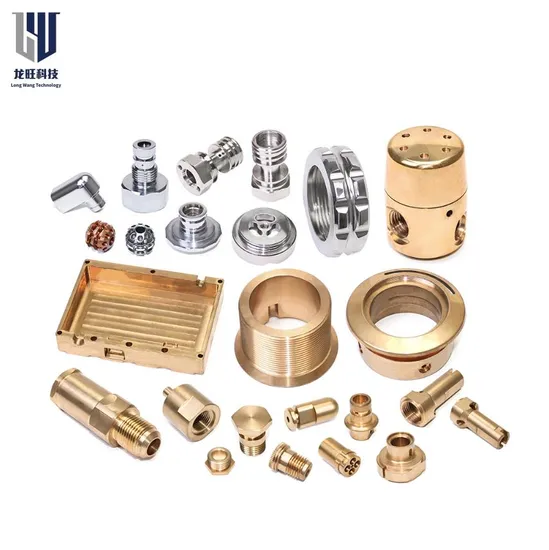
Material Selection Guide: Aluminum, Steel, and Titanium for Precision Manufacturing
In high-performance custom metal manufacturing, selecting the right material is critical to achieving optimal functionality, durability, and cost-efficiency. At Wuxi Lead Precision Machinery, we specialize in precision components using advanced techniques such as selective laser sintering (SLS) and CNC machining. Our expertise enables us to support clients in choosing between aluminum, steel, and titanium based on application demands, environmental conditions, and performance requirements.
Aluminum stands out for its excellent strength-to-weight ratio, corrosion resistance, and thermal conductivity. It is particularly favored in aerospace, automotive, and electronics industries where lightweight components are essential. When processed via SLS, aluminum alloys such as AlSi10Mg deliver high dimensional accuracy and fine surface detail, making them ideal for complex geometries unachievable through traditional manufacturing. Additionally, aluminum’s recyclability supports sustainable production goals, a growing priority across global supply chains.
Steel, particularly stainless and tool steel variants, offers superior strength, hardness, and wear resistance. It is the preferred choice for industrial tooling, molds, and structural components exposed to high stress or abrasive environments. While heavier than aluminum, steel provides exceptional durability and long service life under demanding mechanical loads. SLS-manufactured steel parts can achieve near-full density, enabling high-performance applications in oil and gas, heavy machinery, and medical device manufacturing.
Titanium, especially Grade 5 (Ti6Al4V), combines high strength, low density, and outstanding resistance to corrosion and extreme temperatures. It is widely used in aerospace, defense, and biomedical applications where reliability under stress and biocompatibility are paramount. Though more costly and challenging to process, titanium’s performance in aggressive environments justifies its use in mission-critical components. SLS technology allows for the production of intricate titanium parts with minimal material waste, enhancing cost efficiency despite the raw material premium.
Surface Finishing: The Role of Anodizing
For aluminum components, anodizing is a key post-processing step that enhances surface durability and appearance. This electrochemical process thickens the natural oxide layer, significantly improving corrosion and wear resistance. Type II (sulfuric acid) anodizing is commonly used for decorative and moderate-duty applications, offering dyeability for color coding. Type III, or hard anodizing, provides a thicker, harder coating suitable for high-wear environments. Anodized finishes also improve adhesion for paint and primers, adding functional versatility.
Below is a comparative overview of key material properties for SLS manufacturing:
| Material | Density (g/cm³) | Tensile Strength (MPa) | Yield Strength (MPa) | Elongation (%) | Common Applications |
|---|---|---|---|---|---|
| AlSi10Mg | 2.67 | 400–450 | 250–280 | 5–8 | Aerospace ducting, heat sinks |
| Stainless Steel 316L | 8.0 | 550–650 | 300–350 | 35–45 | Marine components, medical tools |
| Ti6Al4V | 4.43 | 900–1000 | 800–850 | 8–12 | Aircraft brackets, implants |
Understanding these material characteristics ensures informed decision-making in custom manufacturing projects. At Wuxi Lead Precision Machinery, we combine material science expertise with advanced production capabilities to deliver precision-engineered solutions tailored to your industry needs.
Manufacturing Process & QC
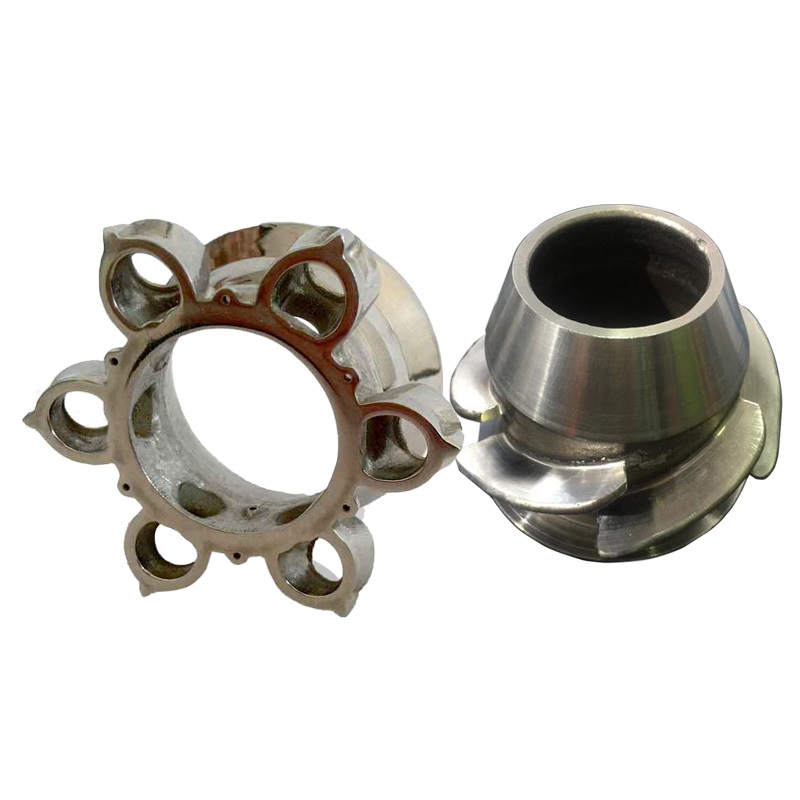
Precision SLS Aluminum Production: From Concept to Zero-Defect Fulfillment
At Wuxi Lead Precision Machinery, our Selective Laser Sintering (SLS) aluminum process delivers uncompromising quality for aerospace, medical, and high-performance industrial applications. We integrate advanced additive manufacturing with stringent quality protocols across three critical phases, ensuring every component meets exacting dimensional and material specifications.
The journey begins with collaborative Design for Manufacturing (DFM) analysis. Our engineering team reviews CAD models to optimize geometry for SLS aluminum (AlSi10Mg), addressing thermal stress risks, support structure requirements, and post-processing needs. This phase eliminates 90% of potential production flaws early, reducing lead times and material waste. We validate tolerance stacks against ASME Y14.5 standards and simulate build orientation to minimize residual stress, ensuring the design is inherently manufacturable to ±0.1 mm accuracy.
Prototyping leverages our EOS M 290 industrial SLS systems under controlled argon atmospheres. Critical parameters—including laser power (350W), layer thickness (30 μm), and scan speed (1,200 mm/s)—are calibrated to achieve full-density parts with isotropic mechanical properties. Each prototype undergoes CT scanning for internal porosity verification and CMM inspection against the original CAD file. This step confirms functional performance and surface integrity before mass production, with typical turnaround in 72 hours.
Mass production executes under our Zero Defects Framework. Every build batch includes real-time melt pool monitoring via coaxial cameras and thermal sensors, with automatic parameter adjustments to maintain consistency. Post-processing follows a validated sequence: powder removal, stress relief annealing (300°C/2h), precision machining of critical interfaces, and optional anodizing or shot peening. Statistical Process Control (SPC) tracks 15+ variables per build, with mandatory first-article inspection (FAI) per AS9102 and 100% in-process dimensional validation. Non-conforming parts trigger immediate root-cause analysis using 8D methodology, ensuring Cpk ≥1.67 across all critical features.
Our end-to-end traceability—linking material lot numbers, machine logs, and inspection data via ERP integration—guarantees full compliance with ISO 9001:2015 and NADCAP standards. This disciplined approach transforms complex SLS aluminum designs into reliable, high-integrity components ready for mission-critical deployment.
SLS Aluminum Process Specifications
| Parameter | Specification | Test Standard |
|——————–|———————|——————|
| Material | AlSi10Mg (Gas Atomized) | ASTM F3318 |
| Density | ≥ 99.85% | Archimedes Method|
| Tensile Strength | 276 MPa (min) | ISO 6892-1 |
| Elongation | 4.5% (min) | ISO 6892-1 |
| Surface Roughness | Ra 12–25 μm (as-built) | ISO 4287 |
Why Choose Wuxi Lead Precision
Partner with Lead Precision for Advanced SLS Aluminum Manufacturing Solutions
At Wuxi Lead Precision Machinery, we specialize in delivering high-performance, custom metal manufacturing solutions tailored to the rigorous demands of modern industries. Our expertise in Selective Laser Sintering (SLS) with aluminum alloys positions us as a strategic partner for aerospace, automotive, medical, and industrial technology firms seeking precision, durability, and innovation. As a certified precision engineering leader based in China, we combine cutting-edge additive manufacturing technology with decades of metallurgical experience to transform your design concepts into fully functional, production-ready components.
SLS aluminum offers exceptional strength-to-weight ratios, thermal stability, and resistance to corrosion—making it ideal for high-stress and high-temperature applications. At Lead Precision, we utilize state-of-the-art SLS systems calibrated for aluminum powders such as AlSi10Mg, ensuring consistent layer fusion, fine surface resolution, and mechanical properties that meet or exceed industry benchmarks. Our in-house quality control lab conducts rigorous testing, including tensile strength analysis, dimensional inspection via CMM, and microstructure evaluation, guaranteeing every part conforms to ISO 9001 and AS9100 standards.
We understand that precision is not just a specification—it’s a commitment. That’s why our engineering team collaborates closely with clients from prototyping through full-scale production. Whether you require low-volume complex geometries or scalable serial manufacturing, our agile production lines and material traceability systems ensure repeatability, compliance, and on-time delivery. Our facility in Wuxi is equipped with climate-controlled build chambers, powder recycling systems, and post-processing capabilities including heat treatment, HIP (Hot Isostatic Pressing), and precision machining.
When you partner with Wuxi Lead Precision Machinery, you gain more than a supplier—you gain a technical ally invested in your product’s success. We support your project with DfAM (Design for Additive Manufacturing) consultation, rapid quoting, and full documentation packages, including material certifications and inspection reports.
Explore the future of lightweight, high-integrity metal components with our SLS aluminum solutions. Let our team help you achieve design freedom without compromising strength or reliability.
For technical inquiries, project submissions, or partnership discussions, contact us today at [email protected]. Our engineering support team responds within 24 hours to ensure your timeline stays on track.
| Specification | Detail |
|---|---|
| Material | AlSi10Mg (standard), custom aluminum alloys on request |
| Build Volume | Up to 250 x 250 x 325 mm |
| Layer Thickness | 20–60 μm |
| Tensile Strength | ≥ 400 MPa (post-HIP) |
| Elongation at Break | ≥ 8% |
| Density | > 99.85% (near full density) |
| Surface Roughness (as-built) | Ra 12–18 μm |
| Post-Processing Options | Stress relief, HIP, CNC finishing, anodizing, shot peening |
| Quality Standards | ISO 9001, AS9100, ISO 13485 (medical) |
| Lead Time | From 7 days (prototypes), scalable for production runs |
⚙️ Precision Cost Estimator
Estimate relative manufacturing effort based on tolerance.