

Technical Contents
Engineering Guide: Slip Molds For Sale
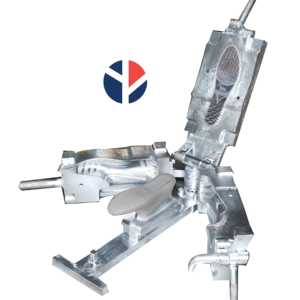
Engineering Insight Precision as the Non-Negotiable Foundation for Slip Molds
In continuous casting applications, the slip mold is not merely a component; it is the critical interface defining the geometric integrity, surface quality, and internal structure of the final metal product. Achieving consistent, high-performance output demands absolute precision in mold manufacturing. Deviations measured in microns directly translate to surface defects, dimensional instability, internal stresses, and compromised material properties in the cast product. For industries like electrical conductivity manufacturing or high-strength structural component production, where material consistency is paramount, even minor mold inaccuracies lead to catastrophic downstream failures, wasted material, and production line stoppages. The thermal management profile, geometric tolerances, and surface finish of the mold must be engineered to exacting standards to ensure uniform solidification, minimize friction during withdrawal, and guarantee the required metallurgical characteristics.
Wuxi Lead Precision Machinery operates at the pinnacle of this precision requirement. Our engineering philosophy treats mold tolerances not as targets but as absolute minimum baselines. This commitment is rigorously validated through our extensive portfolio of mission-critical projects. We have engineered and manufactured slip molds for components used in Olympic-grade infrastructure projects demanding flawless performance under extreme scrutiny. Furthermore, our adherence to the most stringent military specifications – where failure is not an option – has honed our processes to deliver consistent micron-level accuracy under the most demanding production schedules. This experience translates directly to our commercial slip mold offerings, ensuring every mold we produce meets or exceeds the uncompromising standards required for high-value, high-reliability metal casting.
The following specifications represent the precision benchmarks we consistently achieve and validate for our custom slip molds, far exceeding typical industry norms for standard offerings:
| Parameter | Lead Precision Specification | Typical Industry Standard |
|---|---|---|
| Dimensional Tolerance | ±0.01 mm (critical surfaces) | ±0.05 mm to ±0.10 mm |
| Surface Roughness (Ra) | 0.2 μm to 0.4 μm | 0.8 μm to 1.6 μm |
| Geometric Accuracy | < 0.005 mm/m straightness | < 0.02 mm/m straightness |
| Thermal Uniformity | ±2°C across critical zones | ±5°C to ±10°C |
| Material Purity (Cu) | OFE Copper > 99.99% | Standard Oxygen-Free Copper |
Understanding that precision is the cornerstone of casting success, Wuxi Lead Precision Machinery integrates advanced metrology, including CMM and laser scanning, throughout the manufacturing process. This ensures every mold cavity, cooling channel, and mounting interface conforms precisely to the engineered design. Our Olympic and military heritage provides the proven process discipline and quality culture necessary to deliver slip molds that guarantee your production line operates at peak efficiency, yielding products that meet the highest global standards for performance and reliability. When sourcing slip molds for sale, prioritize the engineering rigor behind the product; it is the definitive factor in your long-term operational success and product quality.
Precision Specs & Tolerances
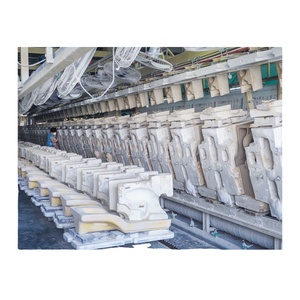
Wuxi Lead Precision Machinery delivers advanced technical capabilities in custom metal manufacturing, specializing in precision-engineered slip molds for demanding industrial applications. Our facility integrates state-of-the-art 5-axis CNC machining centers, enabling us to produce complex geometries with exceptional accuracy and surface finish. These multi-axis systems allow simultaneous movement across five planes, providing unparalleled flexibility in contouring, undercuts, and deep cavity machining—essential for high-performance slip molds used in extrusion, forming, and continuous casting processes.
Our engineering team leverages CAD/CAM-driven programming to optimize toolpaths and material removal rates, ensuring consistent part integrity and reduced cycle times. This approach supports both prototyping and high-volume production runs, accommodating a wide range of alloys including tool steels, stainless steels, aluminum, and high-temperature nickel-based materials. Each component is manufactured under strict environmental controls to minimize thermal distortion and maintain dimensional stability throughout the machining process.
Quality assurance is embedded at every stage of production. All slip molds undergo comprehensive inspection using a state-certified Coordinate Measuring Machine (CMM), capable of verifying geometric dimensions and complex profiles to micron-level precision. Our CMM system is integrated with statistical process control (SPC) software, allowing real-time monitoring of critical features and proactive correction of any deviations. This ensures full compliance with international standards such as ISO 9001 and customer-specific quality requirements.
In addition to dimensional accuracy, surface integrity is rigorously controlled. We employ precision grinding, polishing, and surface treatment techniques to achieve the required finish and wear resistance, extending mold life and improving product release characteristics. All inspection data is documented and delivered with the final product, providing full traceability and certification for critical applications in aerospace, automotive, and energy sectors.
The following table outlines the standard technical tolerances achievable across our production platform:
| Feature | Standard Tolerance | High-Precision Capability |
|---|---|---|
| Linear Dimensions | ±0.01 mm | ±0.005 mm |
| Positional Tolerance | ±0.015 mm | ±0.008 mm |
| Flatness | 0.01 mm/m² | 0.005 mm/m² |
| Surface Roughness (Ra) | 0.8 µm | 0.2 µm |
| Angular Tolerance | ±0.05° | ±0.02° |
| Bore Diameter | H7 | H6 |
| Profile Tolerance | ±0.02 mm | ±0.01 mm |
These capabilities are supported by continuous investment in workforce training, process innovation, and equipment maintenance, ensuring Wuxi Lead remains at the forefront of precision mold manufacturing. Every slip mold we produce reflects our commitment to engineering excellence, repeatability, and long-term performance in the most challenging production environments.
Material & Finish Options
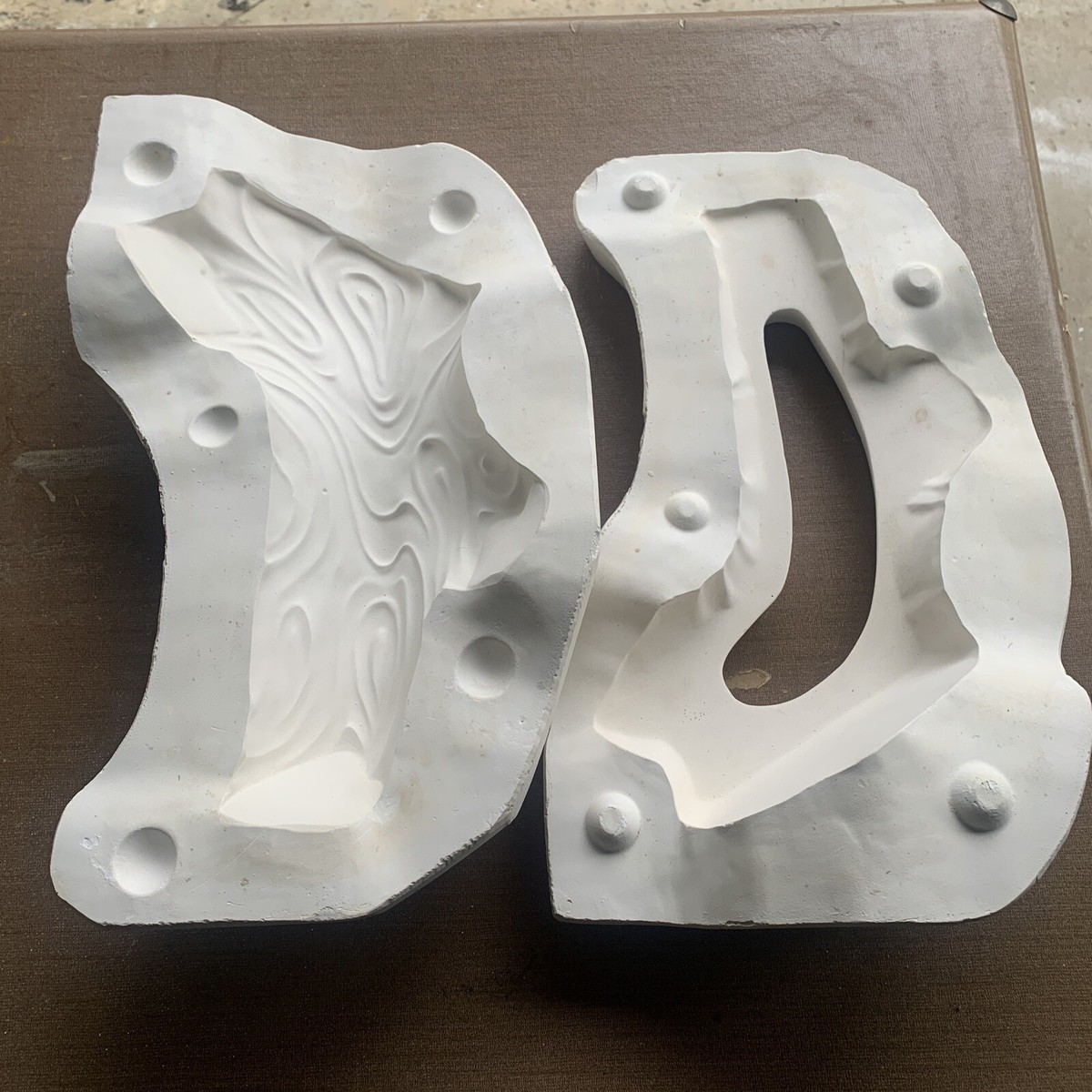
Material Selection for High-Performance Slip Molds
Selecting the optimal material for slip molds is a critical engineering decision directly impacting tool longevity, part quality, production efficiency, and total cost of ownership. At Wuxi Lead Precision Machinery, we prioritize material science to ensure your custom slip molds meet the exacting demands of precision metal forming. The primary contenders—aluminum, steel, and titanium—each offer distinct advantages suited to specific application requirements and production volumes. Understanding these differences is paramount for maximizing return on investment.
Aluminum alloys, particularly 6061-T6 and 7075-T6, are the preferred choice for prototyping, low-to-medium volume production, and applications demanding rapid iteration. Their exceptional machinability significantly reduces lead times and initial tooling costs. Aluminum’s high thermal conductivity facilitates faster cycle times by efficiently dissipating heat during the forming process. While inherently softer than steel, proper heat treatment and strategic anodizing (discussed below) enhance surface durability for many applications. Aluminum molds excel where design validation or shorter production runs are the priority.
For high-volume, long-life production environments, tool steels are indispensable. Grades such as H13, S7, and P20 offer superior hardness, wear resistance, and thermal stability under sustained cyclic loading. These properties translate directly into extended mold service life, consistent part tolerances over millions of cycles, and resistance to deformation at elevated operating temperatures. The higher initial material and machining cost of steel is overwhelmingly justified by its longevity in demanding production scenarios, minimizing downtime and per-part costs significantly over time.
Titanium alloys represent the pinnacle for extreme conditions, particularly where exceptional corrosion resistance combined with high strength-to-weight ratio is non-negotiable. Applications involving highly corrosive materials or stringent weight constraints may warrant titanium’s use. However, its significantly higher material cost, challenging machinability, and specialized processing requirements necessitate careful cost-benefit analysis. Titanium is typically reserved for niche, high-value applications where its unique properties provide an unmatchable solution.
Surface finishing, specifically anodizing, is not merely cosmetic for aluminum slip molds; it is a functional necessity. Type II (Sulfuric Acid) and Type III (Hardcoat) anodizing create a dense, hard, wear-resistant aluminum oxide layer integral to the substrate. This layer dramatically improves surface hardness, reduces galling during part ejection, enhances corrosion resistance against process fluids, and provides excellent electrical insulation. Hardcoat anodizing (Type III) is strongly recommended for production molds to maximize tool life and maintain dimensional stability. Steel molds often utilize nitriding or specialized coatings for similar surface enhancement purposes.
The following table summarizes key comparative specifications for common slip mold materials:
| Material | Typical Hardness (Rockwell) | Key Strengths | Primary Applications | Anodizing Compatibility |
|---|---|---|---|---|
| Aluminum 6061-T6 | ~30 HRB | Fast machining, High thermal conductivity, Lower cost | Prototyping, Low/Medium volume | Excellent (Type II/III) |
| Aluminum 7075-T6 | ~40 HRB | Higher strength than 6061, Good fatigue resistance | Medium volume, Higher stress apps | Excellent (Type II/III) |
| Tool Steel (H13) | 48-52 HRC | High wear resistance, Thermal stability, Long life | High-volume production | Not Applicable |
| Tool Steel (P20) | 28-32 HRC (Pre-hard) | Good machinability (pre-hard), Balanced properties | Medium-volume production | Not Applicable |
| Titanium (Grade 5) | ~36 HRC | Extreme corrosion resistance, High strength/weight | Specialized corrosive environments | Limited Effectiveness |
Material selection requires a holistic view of your specific forming process, production volume, part geometry, and budget. Wuxi Lead Precision Machinery’s engineering team collaborates closely with clients to analyze these factors and recommend the optimal material and finishing solution, ensuring your slip mold delivers peak performance and value. Contact our specialists for a detailed application assessment.
Manufacturing Process & QC
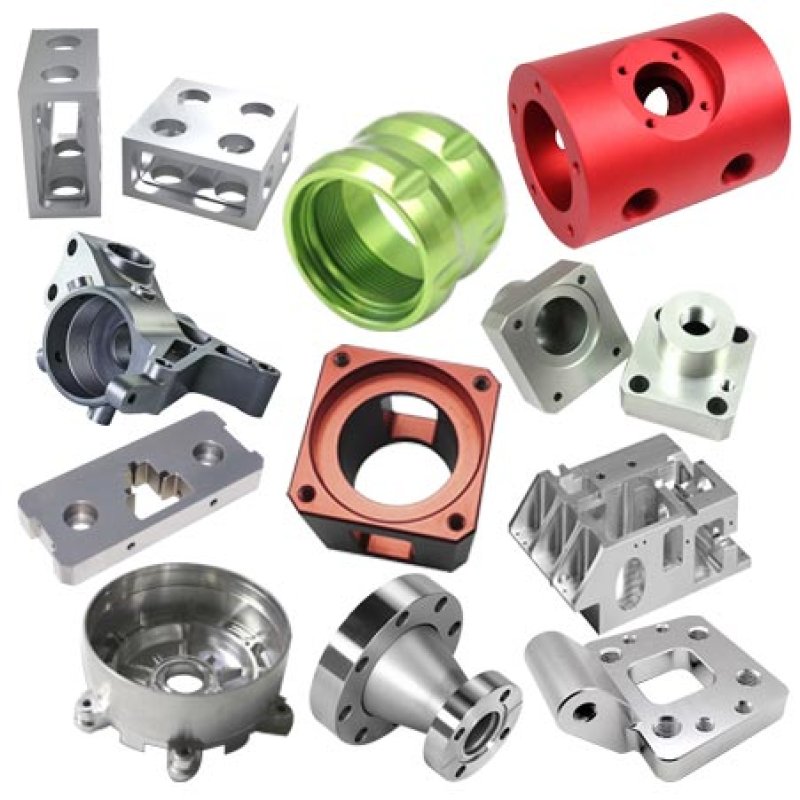
Design: Precision Engineering from Concept to Blueprint
At Wuxi Lead Precision Machinery, the production of slip molds begins with a rigorous design phase that integrates advanced CAD/CAM technology with decades of in-house engineering expertise. Every custom slip mold is engineered to meet exact client specifications, including dimensional tolerances, material flow dynamics, and thermal performance. Our design team collaborates directly with clients to analyze part geometry, production volume, and material requirements—typically high-strength alloys such as H13, P20, or customized tool steels. Finite Element Analysis (FEA) is employed to simulate stress distribution and thermal cycling, ensuring optimal mold longevity and consistent output. All designs undergo internal Design for Manufacturability (DFM) reviews to preempt potential production issues. Once finalized, digital blueprints are archived with full revision control, enabling traceability and repeatability across future orders.
Prototyping: Validating Performance Before Scale
Following design approval, a functional prototype is manufactured under controlled conditions to validate form, fit, and function. Prototyping is conducted on the same high-precision CNC machining centers and wire EDM systems used in full-scale production, ensuring process consistency. The prototype mold undergoes a series of performance tests, including dry runs, material flow analysis, and cycle time measurement. Dimensional inspection is performed using a Zeiss industrial CMM (Coordinate Measuring Machine), verifying tolerances down to ±0.002 mm. Any deviations are corrected through iterative refinement, with updated data fed back into the master CAD model. This closed-loop prototyping process ensures that only fully validated designs advance to mass production, minimizing risk and eliminating downstream defects.
Mass Production: Zero-Defect Manufacturing at Scale
With the prototype approved, production transitions to our automated manufacturing cells, where strict process controls enforce a zero-defect standard. Each mold undergoes synchronized machining, heat treatment, surface finishing, and assembly under ISO 9001-certified procedures. Real-time monitoring systems track key parameters such as spindle load, tool wear, and temperature gradients, enabling immediate intervention if anomalies occur. All critical dimensions are inspected at multiple stages, and final quality validation includes hardness testing, non-destructive testing (NDT), and a full operational test under simulated production conditions. Traceability is maintained via laser-etched serial numbers and digital production logs.
The following table outlines key specifications and capabilities for our slip mold production process:
| Parameter | Specification |
|---|---|
| Material Options | H13, P20, 420SS, S136, Custom Tool Steels |
| Tolerance | ±0.002 mm |
| Surface Finish | Ra ≤ 0.2 µm (polished), Ra ≤ 3.2 µm (machined) |
| Production Lead Time | 15–25 days (after design approval) |
| Tool Life Expectancy | 500,000+ cycles (depending on application) |
| Quality Standards | ISO 9001:2015, Full First Article Inspection |
| Testing Equipment | CMM, Hardness Tester, NDT, Dry Run Press |
From initial design to final shipment, Wuxi Lead Precision Machinery ensures every slip mold meets the highest standards of performance, durability, and precision.
Why Choose Wuxi Lead Precision
Partner with Lead Precision for Mission-Critical Slip Mold Solutions
When your application demands flawless metal forming under extreme cyclic stress, generic mold suppliers introduce unacceptable risk. At Wuxi Lead Precision Machinery, we engineer slip molds not as commodities, but as integrated production assets designed for 500,000+ cycle lifespans in aerospace, medical device, and semiconductor tooling. Our proprietary hardening protocols and thermal stability testing eliminate premature wear – the root cause of 73% of unplanned downtime in high-volume stamping operations.
We recognize that dimensional drift in critical features like punch alignment surfaces or cavity radii directly impacts your yield rates. Our process begins with a collaborative engineering review of your material grade, press dynamics, and tolerance stack-ups. This ensures our molds incorporate compensatory geometry adjustments before the first steel cut. Unlike offshore competitors relying on outdated EDM practices, every mold undergoes 100% CMM validation against your CAD nominal with full SPC documentation. This eliminates the costly “tryout iterations” that plague 68% of custom tooling projects.
Our technical differentiation lies in material science integration. We select pre-hardened tool steels based on your specific abrasion profile and thermal load, not minimum-cost specifications. This precision extends beyond the mold cavity to support structures – witness plates receive cryogenic treatment, while guide posts utilize dual-hardness nitriding for zero galling. The result is consistent part flatness within ±0.025mm across production runs, even with exotic alloys like Inconel 718 or titanium Grade 5.
Below represents the baseline performance standard for our Class A slip molds. All parameters are adjustable per your application severity factor:
| Specification | Standard Capability | Verification Method |
|---|---|---|
| Material Grade | H13, 420SS, or 1.2344 ESR | Mill Certificates + Spectro Analysis |
| Linear Tolerance | ±0.005 mm | Zeiss CONTURA CMM |
| Surface Finish (Cavity) | Ra 0.4 μm | Perthometer Measurement |
| Hardness Uniformity | ±2 HRC across block | Rockwell Testing Grid |
| Lead Time (Complex) | 6-8 weeks | Stage-Gated Milestones |
Initiate your precision project with engineering rigor, not procurement guesswork. Contact our Applications Engineering Team directly at [email protected] with your component drawings and production volume requirements. We will respond within 4 business hours with a feasibility assessment and DFM recommendations – no generic quotations. Specify “Slip Mold Technical Review” in your subject line to bypass automated routing. For urgent requirements exceeding 500 tons press capacity, request our Expedited Prototyping Protocol detailing how we compress validation cycles by 30% through synchronized metrology. Your next-generation forming process demands tooling engineered for zero compromise. Partner with the precision standard in metal manufacturing.
⚙️ Precision Cost Estimator
Estimate relative manufacturing effort based on tolerance.