

Technical Contents
Engineering Guide: Sintered Stainless Steel
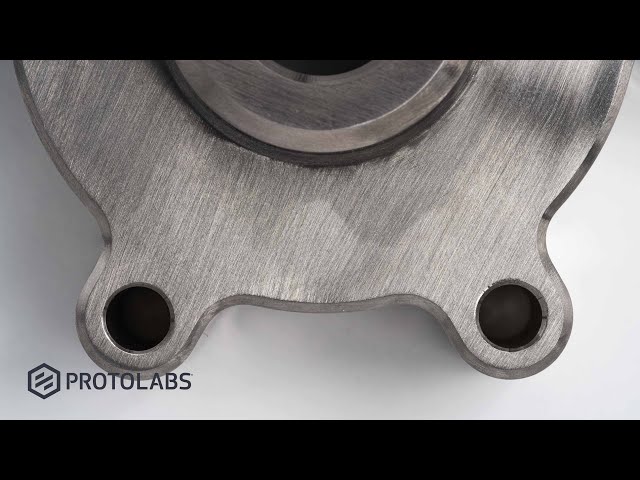
Engineering Insight: Precision Imperatives in Sintered Stainless Steel Manufacturing
Sintered stainless steel offers compelling advantages for high-performance applications demanding corrosion resistance, complex geometries, and material integrity. However, its manufacturing process introduces unique precision challenges distinct from wrought or cast alternatives. The inherent dimensional changes during sintering – primarily shrinkage – are non-linear and material-specific, making predictive control paramount. Achieving tight tolerances requires not just advanced equipment, but deep metallurgical understanding and process calibration. Minor variations in powder composition, compaction pressure, or sintering atmosphere directly impact final part dimensions and mechanical properties. For critical components in aerospace, medical implants, or fluid control systems, uncontrolled shrinkage or warpage translates directly to functional failure or costly scrap. Precision here is not merely desirable; it is the non-negotiable foundation of part reliability and performance.
Mastering sintered stainless steel demands a closed-loop approach integrating powder science, compaction dynamics, thermal profile management, and post-sintering metrology. Our engineering team at Wuxi Lead Precision Machinery focuses intensely on predictive modeling. We analyze each component’s geometry to anticipate anisotropic shrinkage, applying sophisticated compensation algorithms to the initial tooling and green part design. This proactive adjustment, validated through rigorous first-article inspection against 3D CAD models, ensures the sintered net-shape part meets stringent dimensional requirements. Secondary operations like precision CNC grinding or micro-machining are then minimized, often held to tolerances below ±0.05mm, preserving the inherent material structure and surface integrity critical for high-stress or biocompatible applications.
Our commitment to precision is proven through demanding real-world validation. We engineered sintered stainless steel components for Olympic-grade timing system sensors, where micron-level dimensional stability under varying thermal loads was essential for accuracy. Similarly, defense-grade filtration elements produced for military applications required absolute consistency in pore structure and flow characteristics, achieved only through our controlled sintering protocols and stringent in-process inspection. These projects underscore our capability to deliver sintered stainless steel parts where failure is not an option.
The following table outlines critical precision parameters we consistently achieve for sintered stainless steel components, reflecting our process control standards:
| Specification Parameter | Typical Capability Range | Key Standard Reference |
|---|---|---|
| Dimensional Tolerance (Critical Features) | ±0.05 mm to ±0.15 mm | ISO 2768-mK / Customer Specific |
| Surface Roughness (Ra) | 0.8 µm to 3.2 µm | ISO 1302 |
| Density (Relative) | 95% to 98% of Theoretical | ASTM B962 |
| Minimum Feature Size | 0.3 mm | Process Dependent |
Achieving such specifications requires moving beyond standard sintering practices. It necessitates treating the entire process – from powder selection to final certification – as an integrated precision engineering system. At Wuxi Lead Precision Machinery, our decades of specialized experience, particularly in mission-critical sectors, provide the proven methodology to transform the complexities of sintered stainless steel into reliable, high-precision components for your most demanding applications. Precision is engineered into every step, not measured at the end.
Precision Specs & Tolerances
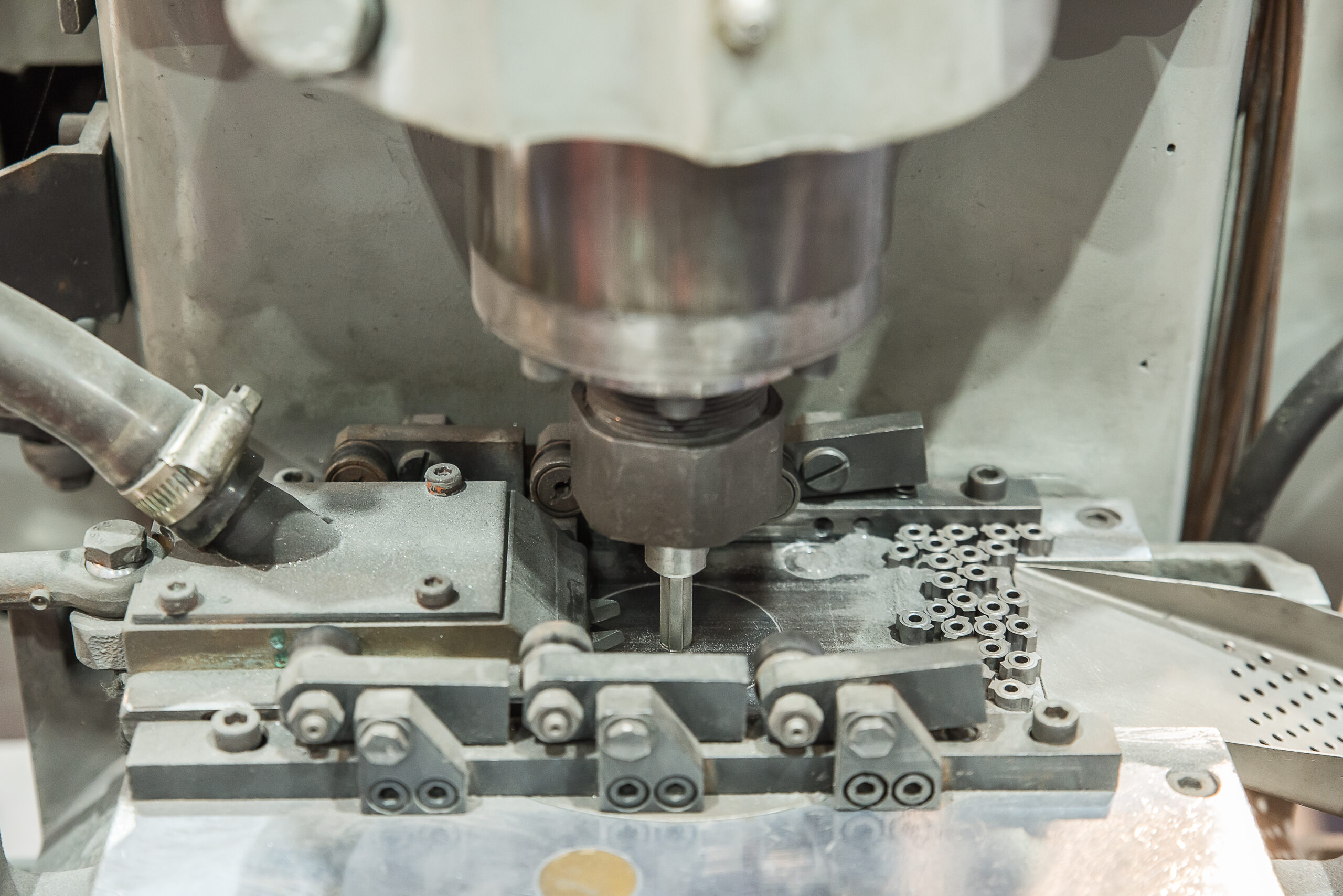
Wuxi Lead Precision Machinery delivers advanced manufacturing solutions for high-performance materials, including sintered stainless steel—a material increasingly specified in aerospace, medical, and semiconductor applications due to its exceptional strength-to-density ratio, corrosion resistance, and thermal stability. Our technical capabilities are engineered to meet the exacting demands of modern precision engineering, combining state-of-the-art 5-axis CNC machining with rigorous quality assurance protocols to produce complex, net-shape components with repeatable accuracy.
Sintered stainless steel presents unique challenges in machining due to its porous microstructure and variable hardness. Conventional methods often result in tool wear, surface irregularities, or dimensional inaccuracies. At Wuxi Lead, we overcome these challenges using high-rigidity 5-axis CNC centers equipped with adaptive toolpath strategies and high-precision spindles. These systems allow simultaneous multi-axis motion, enabling the machining of intricate geometries—such as undercuts, compound curves, and internal features—in a single setup. This reduces cumulative error, improves surface finish, and enhances part consistency, which is critical when working with sintered materials that require minimal post-processing.
Our 5-axis platforms are supported by advanced CAM software that optimizes cutting parameters based on material density, porosity distribution, and thermal behavior. This ensures stable, chatter-free machining and extends tool life, even when removing minimal stock from near-net-shape sintered blanks. All operations are conducted in a climate-controlled environment to minimize thermal drift, further enhancing dimensional stability.
Quality control is integral to our process. Every sintered stainless steel component undergoes comprehensive inspection using a Zeiss DuraMax Bridge-type Coordinate Measuring Machine (CMM). This allows for full 3D verification of geometric dimensions and tolerances (GD&T), surface profiles, and positional accuracy. Our CMM routines are fully programmable and traceable, ensuring compliance with ISO 10360 standards and customer-specific inspection requirements. Data from each inspection is documented and archived for full production traceability.
The following table outlines our standard machining capabilities and achievable tolerances for sintered stainless steel components:
| Parameter | Typical Capability |
|---|---|
| Material | Sintered Stainless Steel (316L, 17-4 PH, 304L) |
| Maximum Work Envelope (XYZ) | 800 mm × 600 mm × 500 mm |
| Positional Accuracy | ±0.005 mm |
| Linear Tolerance | ±0.01 mm (per 100 mm) |
| Geometric Tolerance (GD&T) | ±0.015 mm |
| Surface Roughness (Ra) | 0.8 μm (typical), down to 0.4 μm |
| Minimum Feature Size | 0.5 mm (internal radii) |
| Wall Thickness Tolerance | ±0.02 mm (for walls ≥ 1.0 mm) |
| Inspection Equipment | Zeiss CMM, optical comparators, surface profilometers |
Wuxi Lead Precision Machinery is committed to delivering sintered stainless steel components that meet the highest standards of precision and reliability. Our integrated approach—combining advanced CNC technology, material expertise, and metrology-grade inspection—ensures that every part conforms to specification and performs in the most demanding environments.
Material & Finish Options
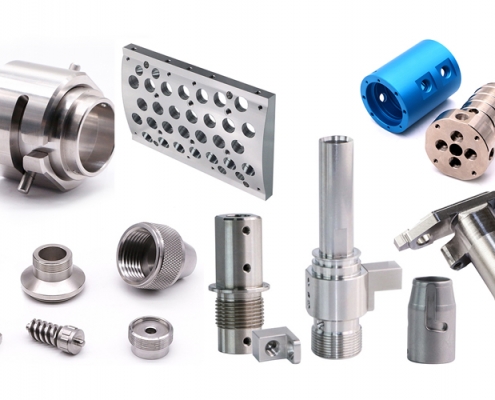
Material Selection: Sintered Stainless Steel for Precision-Critical Applications
Selecting the optimal material is foundational for high-performance custom components. While aluminum offers lightweight advantages and titanium provides exceptional strength-to-weight ratios, sintered stainless steel emerges as the superior choice when corrosion resistance, dimensional stability, and complex geometry are paramount. At Wuxi Lead Precision Machinery, we specialize in leveraging the unique properties of sintered stainless steel for demanding industrial applications where failure is not an option. This material, formed through powder metallurgy and high-temperature sintering, achieves near-net-shape complexity unattainable with traditional wrought alloys, minimizing waste and secondary machining. Its homogeneous structure delivers consistent mechanical properties and superior corrosion resistance compared to cast equivalents, particularly in harsh chemical or marine environments. For applications requiring high strength, wear resistance, and biocompatibility – such as fluid handling systems, medical implants, or aerospace actuators – sintered stainless steel provides a compelling performance advantage over alternatives.
Understanding the comparative landscape is essential. The following table details key properties relevant to precision manufacturing decisions:
| Material | Density (g/cm³) | Tensile Strength (MPa) | Max Continuous Temp (°C) | Key Advantages | Primary Limitations |
|---|---|---|---|---|---|
| Sintered Stainless Steel | 7.5 – 7.8 | 500 – 700 | 800 | Excellent corrosion resistance, complex geometries, high strength, biocompatible | Higher raw material cost than carbon steel |
| Aluminum Alloys | 2.7 – 2.8 | 200 – 500 | 150 | Lightweight, good thermal conductivity, cost-effective | Lower strength, poor wear resistance |
| Titanium Alloys | 4.4 – 4.5 | 900 – 1100 | 600 | Exceptional strength-to-weight, corrosion resistant | Very high cost, difficult to machine |
Surface finish selection must align with the base material’s characteristics and functional requirements. Anodizing, while highly effective for enhancing aluminum’s wear and corrosion resistance, is not applicable to stainless steel, sintered or wrought. Applying anodizing to stainless steel yields no significant benefit and can compromise surface integrity. For sintered stainless steel components, appropriate finishing processes include electropolishing for superior corrosion resistance and ultra-smooth surfaces critical in sanitary or high-purity applications, passivation to maximize inherent corrosion resistance by removing free iron, and precision grinding or honing for critical dimensional tolerances and bearing surfaces. Our advanced CNC capabilities ensure these finishes are applied with micron-level accuracy, directly impacting component longevity and performance in your assembly.
Choosing sintered stainless steel represents a strategic investment in reliability and performance for mission-critical parts. Its ability to integrate complex internal features, maintain structural integrity under stress, and withstand corrosive attack often outweighs initial material cost considerations when total lifecycle value is assessed. Wuxi Lead Precision Machinery possesses deep expertise in the CNC machining and finishing of sintered stainless steel, enabling us to transform your most challenging designs into high-integrity production components. Consult our engineering team early in your design phase to optimize material selection and leverage our precision manufacturing capabilities for superior outcomes.
Manufacturing Process & QC
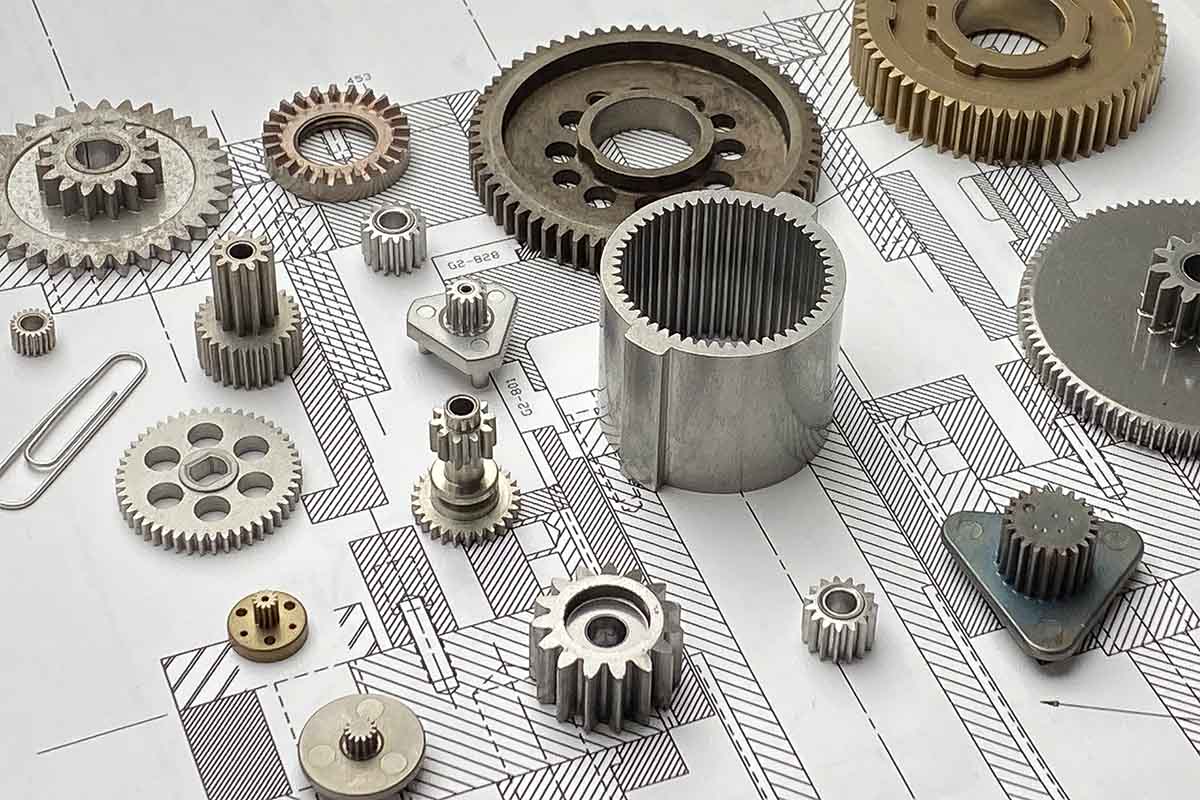
Wuxi Lead Precision Machinery delivers uncompromising quality in the custom manufacturing of sintered stainless steel components, engineered for high-performance industrial applications. Our production process is a tightly controlled sequence integrating precision design, rigorous prototyping, and scalable mass production—each phase governed by a zero-defect philosophy.
The process begins with collaborative design engineering. Our team works closely with clients to translate technical requirements into optimized 3D models, factoring in material behavior during sintering, dimensional tolerances, and functional performance. Advanced simulation tools predict shrinkage, density distribution, and stress points, ensuring the design is not only manufacturable but also robust under operational loads. Design for manufacturability (DFM) reviews are conducted to eliminate potential flaws before any physical part is made.
Prototyping follows, utilizing our in-house powder metallurgy and CNC-assisted forming capabilities. A small batch of samples is produced using the exact sintering cycle and raw material grade intended for full production. These prototypes undergo comprehensive metrological inspection, microstructural analysis, and mechanical testing—including tensile strength, hardness, and porosity evaluation. Every parameter is validated against the client’s specifications. This stage is not merely a formality; it is a critical gate in our quality assurance system. Only after full client approval and internal QA sign-off does the project advance.
Mass production leverages automated compaction presses, controlled atmosphere sintering furnaces, and real-time process monitoring. Each lot is traceable, with raw material certifications, process logs, and inspection records maintained throughout. In-process checks occur at every critical control point: green density verification, sintering profile validation, and final dimensional inspection using coordinate measuring machines (CMM). Statistical process control (SPC) ensures consistency, while any deviation triggers immediate corrective action—preventing non-conforming parts from progressing.
Our zero-defect mandate is embedded in every operation. From design validation to final packaging, Wuxi Lead applies ISO 9001-certified procedures, advanced failure mode analysis (FMEA), and 100% inspection protocols where required. This disciplined approach ensures that sintered stainless steel components meet the highest standards of reliability, particularly in aerospace, medical, and automotive sectors.
Key production specifications for sintered stainless steel components are detailed below:
| Parameter | Specification Range |
|---|---|
| Material Grades | 316L, 304L, 17-4PH, 410L, Custom Alloys |
| Density | 6.8 – 7.8 g/cm³ (up to 98% theoretical) |
| Tolerance (Standard) | ±0.1 mm (tighter on request) |
| Surface Roughness (Ra) | 1.6 – 3.2 µm (as-sintered) |
| Sintering Atmosphere | Hydrogen, Dissociated Ammonia, Vacuum |
| Secondary Operations | CNC Machining, Coining, Passivation |
| Production Capacity | 10,000 – 500,000 pcs/month per project |
| Quality Standards | ISO 9001:2015, PPAP, FAI, SPC Compliant |
At Wuxi Lead Precision Machinery, precision is not achieved—it is engineered.
Why Choose Wuxi Lead Precision
Partner with Lead Precision for Uncompromised Sintered Stainless Steel Manufacturing
In the demanding realm of high-performance sintered stainless steel components, precision is non-negotiable. Substandard density control, inconsistent microstructures, or dimensional inaccuracies can cascade into catastrophic field failures—especially in aerospace, medical implants, and critical fluid systems. At Wuxi Lead Precision Machinery, we engineer sintered stainless steel solutions where tolerances are measured in microns, not millimeters, and material integrity is validated through rigorous in-house metallurgical analysis. With over 15 years of specialization in metal injection molding (MIM) and powder metallurgy, we transform complex geometries into mission-critical parts that meet ASTM F2885 and ISO 13329 standards without compromise.
Your supply chain demands a partner who understands that sintered stainless steel is not merely a material choice—it is a performance imperative. Generic manufacturers often struggle with porosity control in grades like 17-4PH or 316L, leading to compromised corrosion resistance or fatigue life. We deploy proprietary sintering atmospheres and multi-stage thermal profiling to achieve near-full density (≥99.5%) while maintaining tight carbon and oxygen content control. This ensures your components withstand aggressive chemical exposure and cyclic loading where others fail. Our integrated CNC finishing capabilities further guarantee geometric precision post-sintering, eliminating secondary supplier dependencies and lead time risks.
Critical Sintered Stainless Steel Capabilities at a Glance
| Parameter | Lead Precision Standard | Industry Typical | Impact on Your Application |
|---|---|---|---|
| Density Tolerance | ≥99.5% | 92-98% | Eliminates micro-porosity leaks in fluid seals |
| Dimensional Accuracy | ±0.005mm | ±0.05mm | Enables direct assembly without rework |
| Max Part Size (MIM) | Ø150mm x 100mm H | Ø80mm x 50mm H | Consolidates multi-part assemblies |
| Certifications | ISO 13485, AS9100D, NADCAP | Basic ISO 9001 | Qualifies for aerospace/medical audits |
Why settle for vendors who treat sintering as a commoditized step? We collaborate from the earliest design phase, conducting free DFM (Design for Manufacturability) reviews to optimize wall thickness transitions, draft angles, and support structures—preventing cracks and density gradients before tooling begins. Our vacuum sintering furnaces with partial pressure control ensure repeatable mechanical properties batch after batch, documented through full material traceability from powder lot to finished part. When your project requires 63 HRC hardness in a 0.5mm wall thickness bracket or hermetic sealing in a 316L surgical instrument, our process expertise becomes your competitive advantage.
The cost of failure in sintered stainless steel applications extends far beyond scrap rates—it risks brand reputation and end-user safety. Partner with an engineering-led manufacturer that treats your specifications as sacred. Forward your CAD files and material requirements to Contact [email protected]. Within 24 hours, our application engineers will provide a detailed capability assessment, including sintering parameter recommendations and a realistic timeline for first-article delivery. Let us prove why global Tier 1 suppliers trust Lead Precision for sintered stainless steel components where precision cannot be outsourced. Your next breakthrough begins with a single email.
⚙️ Precision Cost Estimator
Estimate relative manufacturing effort based on tolerance.