Technical Contents
Engineering Guide: Silicone Tube Mold
Engineering Insight: The Critical Role of Precision in Silicone Tube Mold Manufacturing
In the realm of custom metal manufacturing, the production of silicone tube molds demands an exceptional level of engineering precision and material integrity. These molds are not merely tools—they are the foundation of high-performance components used in industries where failure is not an option. At Wuxi Lead Precision Machinery, we understand that the success of a silicone tube mold lies in its dimensional accuracy, thermal stability, and long-term repeatability. Even minor deviations in cavity geometry or surface finish can result in inconsistent wall thickness, compromised sealing performance, or premature product failure in critical applications.
Silicone tubing is widely used in medical devices, aerospace systems, automotive fluid transfer, and high-purity industrial processes. Each of these applications requires tubing with exacting tolerances, consistent durometer, and flawless surface quality. Achieving this consistency begins with the mold. Our engineering team applies advanced CNC machining techniques, precision EDM (Electrical Discharge Machining), and rigorous quality control protocols to ensure every mold meets or exceeds customer specifications. We utilize high-grade tool steels such as H13 and S136, treated to optimize hardness and corrosion resistance, ensuring extended service life even under continuous production cycles.
What sets Wuxi Lead apart is our proven track record in delivering mission-critical components for elite applications. Our precision manufacturing expertise has been trusted in projects supporting Olympic-standard athletic equipment and military-grade defense systems—environments where reliability, performance, and absolute precision are non-negotiable. This same rigor is applied to every silicone tube mold we produce. Whether it’s a single-cavity prototype or a multi-cavity production system, our molds are engineered to deliver uniform flow distribution, balanced cooling channels, and optimal venting to eliminate flash and voids.
We integrate 3D simulation software to model mold filling and cooling behavior, allowing us to anticipate and correct potential defects before steel is cut. This proactive approach reduces lead times, minimizes trial-and-error iterations, and ensures first-article compliance. Our quality assurance process includes CMM (Coordinate Measuring Machine) inspection, surface roughness testing, and full dimensional reporting, providing complete traceability for every component.
Below are key technical specifications that define our silicone tube mold capabilities:
| Specification | Detail |
|---|---|
| Material Options | H13, S136, 420SS, P20, Custom Alloys |
| Tolerance | ±0.005 mm (standard), ±0.002 mm (high-precision) |
| Surface Finish | Ra 0.05 µm (mirror), Ra 0.2 µm (standard polish) |
| Cooling Channel Design | Conformal cooling, optimized flow simulation |
| Mold Base Standards | HASCO, DME, or Custom |
| Production Volume Support | Prototype to High-Volume (1M+ cycles) |
| Quality Certification | ISO 9001:2015, Full CMM Reporting |
At Wuxi Lead Precision Machinery, we do not manufacture molds—we engineer solutions. Our experience in high-stakes manufacturing environments ensures that every silicone tube mold we deliver is a benchmark in precision, durability, and performance.
Precision Specs & Tolerances
Technical Capabilities for Precision Silicone Tube Mold Manufacturing
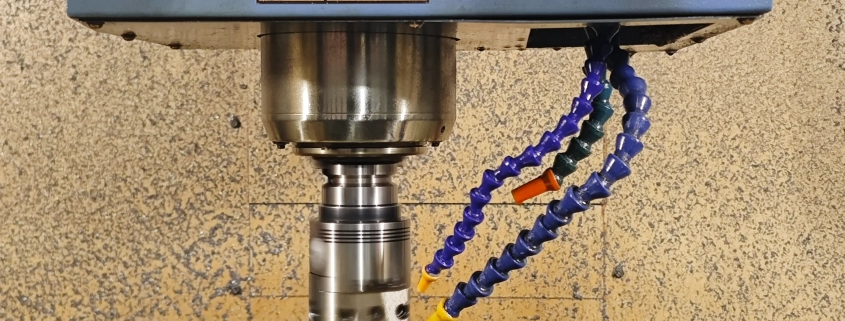
Wuxi Lead Precision Machinery delivers uncompromising precision in custom silicone tube mold production through advanced 5-axis CNC machining. Our HAAS UMC-750 and DMG MORI CMX 600 V Eco centers enable single-setup machining of complex geometries, including undercuts, helical cores, and micro-channel features inherent to high-performance tube molds. This eliminates cumulative alignment errors from multi-setup processes, ensuring critical wall thickness consistency down to 0.1mm. We machine all core components—including cavity inserts, stripper plates, and cooling manifolds—from premium mold steels (e.g., H13, S136) and pre-hardened alloys, achieving surface finishes as fine as Ra 0.05μm essential for defect-free silicone release. Our programming leverages Siemens NX CAM for optimized toolpaths, minimizing vibration in thin-wall structures while maintaining ±0.005mm positional accuracy across multi-cavity layouts.
Rigorous quality control is embedded at every phase. All critical dimensions undergo 100% inspection via Zeiss CONTURA G2 CMM systems with VAST XXT scanning probes, validating geometric tolerances per ASME Y14.5 standards. We perform in-process checks during roughing, semi-finishing, and final passes to preempt deviations, coupled with thermal stability protocols that mitigate heat-induced drift during extended machining cycles. Full traceability is maintained through integrated SPC software, generating first-article inspection reports with GD&T analysis for client review. Surface integrity is verified using non-contact profilometers, ensuring optimal texture for silicone adhesion control without secondary polishing.
Precision Tolerance Specifications
| Feature | Standard Capability | Precision Capability | Measurement Standard |
|---|---|---|---|
| Linear Dimensions | ±0.02 mm | ±0.005 mm | ISO 2768-mK |
| Radii/Internal Corners | R 0.05 mm | R 0.02 mm | ISO 1302 |
| Flatness | 0.01 mm / 100 mm | 0.003 mm / 100 mm | ISO 1101 |
| Positional Accuracy | ±0.015 mm | ±0.003 mm | ASME Y14.5-2018 |
| Surface Roughness (Ra) | 0.4 μm | 0.05 μm | ISO 4287 |
Empirical validation confirms these tolerances sustain mold longevity exceeding 500,000 cycles in aggressive silicone formulations. Our process integrates mold flow analysis to preempt warpage, ensuring dimensional stability across thermal cycles. For medical-grade tubing requiring ISO 13485 compliance, we implement additional cleanroom assembly protocols and material certification tracing. This technical rigor directly translates to client benefits: reduced cycle times through optimized cooling channels, elimination of post-mold trimming, and consistent tube concentricity critical for fluid dynamics in automotive or biopharma applications. Partner with Wuxi Lead to transform complex silicone tube designs into production-ready molds with engineering certainty.
Material & Finish Options
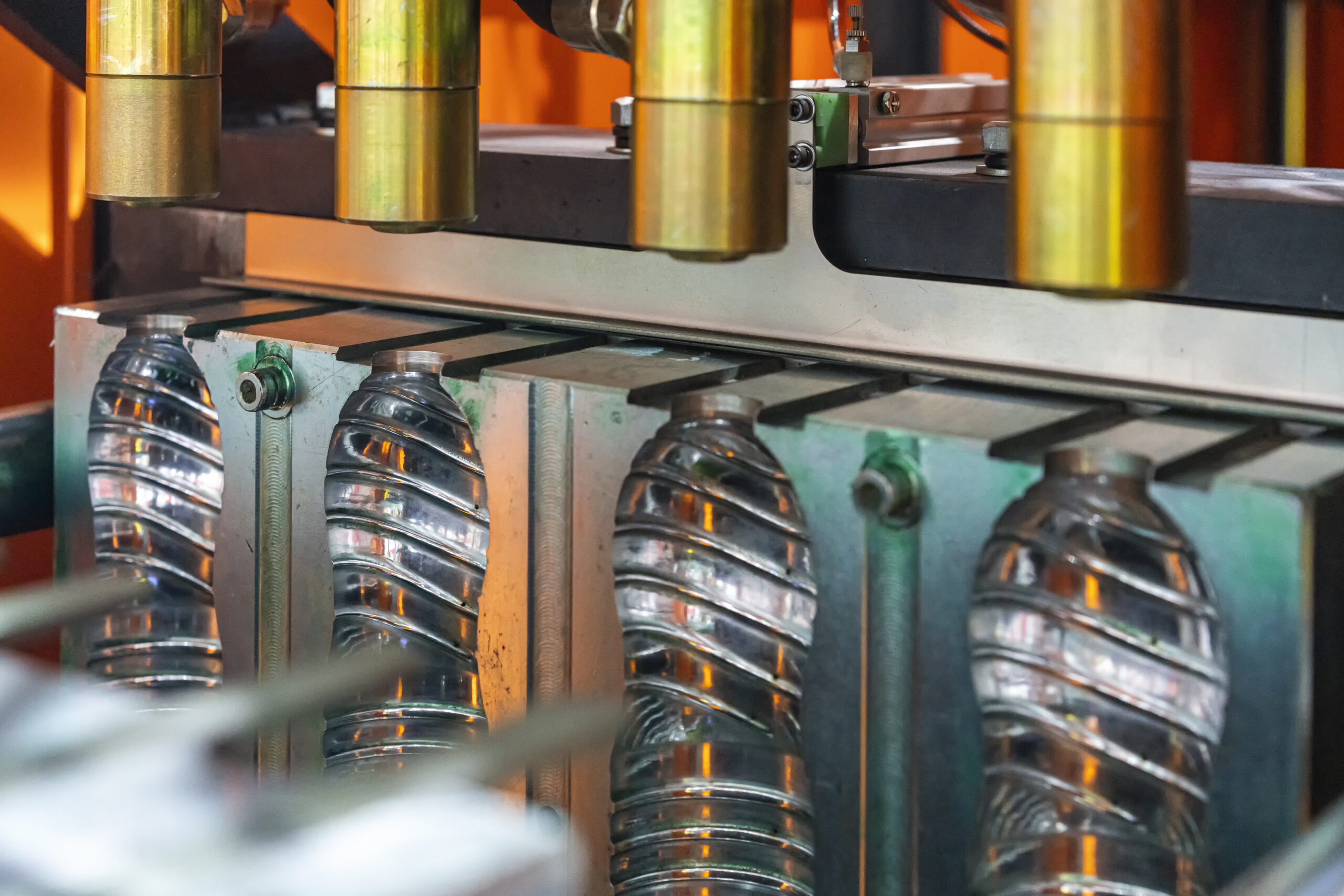
Material Selection for Silicone Tube Molds: Precision Engineering from Wuxi Lead Precision Machinery
Selecting the appropriate material for silicone tube molds is critical to ensuring long-term performance, dimensional accuracy, and cost efficiency in high-volume manufacturing environments. At Wuxi Lead Precision Machinery, we specialize in custom metal manufacturing solutions tailored to the demanding requirements of silicone molding applications. Our engineering team evaluates three primary metallic candidates—aluminum, steel, and titanium—each offering distinct advantages depending on production volume, part complexity, and environmental exposure.
Aluminum is often the preferred choice for prototyping and medium-volume production due to its excellent machinability, lightweight nature, and superior thermal conductivity. These properties enable faster cycle times and efficient heat dissipation during the curing process of liquid silicone rubber (LSR). While aluminum lacks the extreme wear resistance of steel, modern alloys such as 7075-T6 and 6061-T6 provide a balanced combination of strength and durability suitable for thousands of cycles when properly treated. For enhanced surface hardness and corrosion resistance, anodizing is strongly recommended. Type II (sulfuric acid) anodizing provides a protective layer of 10–25 µm, while Type III (hardcoat) anodizing can achieve layers up to 50 µm, significantly improving wear resistance without compromising mold tolerances.
Steel, particularly tool steels like H13, P20, and 420 stainless, remains the standard for high-volume silicone molding operations. These materials offer superior hardness, thermal stability, and resistance to deformation under repeated thermal cycling. H13 tool steel, for example, maintains structural integrity at elevated temperatures and is highly resistant to thermal fatigue—making it ideal for complex molds with intricate cooling channels. While steel molds require longer machining times and higher initial costs, their extended service life often justifies the investment in mass production settings.
Titanium alloys, though less common, are emerging in specialized applications where extreme corrosion resistance, high strength-to-density ratios, and biocompatibility are paramount. Grade 5 titanium (Ti-6Al-4V) demonstrates excellent performance in aggressive chemical environments and elevated temperatures, making it suitable for medical-grade silicone tubing production. However, titanium’s high cost and challenging machinability limit its use to niche, high-performance sectors.
Surface finish plays a crucial role in demolding efficiency and final product quality. Anodizing not only enhances aluminum’s durability but also allows for precise control over surface texture and release properties. For steel molds, options such as polishing, nitriding, or PVD coatings are typically employed to reduce friction and prevent silicone adhesion.
Below is a comparative overview of key material properties relevant to silicone tube mold fabrication.
| Material | Hardness (HRC) | Thermal Conductivity (W/m·K) | Typical Mold Life (cycles) | Key Applications | Recommended Finishes |
|---|---|---|---|---|---|
| Aluminum 6061-T6 | 30–35 | 167 | 10,000 – 50,000 | Prototypes, low-medium volume | Type II/III Anodizing, Polishing |
| H13 Tool Steel | 48–52 | 36 | 100,000+ | High-volume production | Nitriding, PVD, Mirror Polishing |
| 420 Stainless | 50–55 | 25 | 50,000 – 100,000 | Medical, corrosive environments | Electropolishing, Passivation |
| Ti-6Al-4V | 36–41 | 7.2 | 20,000 – 100,000 | Aerospace, medical implants | Plasma Spraying, Laser Texturing |
At Wuxi Lead Precision Machinery, we integrate material science with precision engineering to deliver molds that meet the exacting standards of global manufacturers. Our expertise ensures optimal material and finish selection based on your production goals, environmental conditions, and lifecycle requirements.
Manufacturing Process & QC
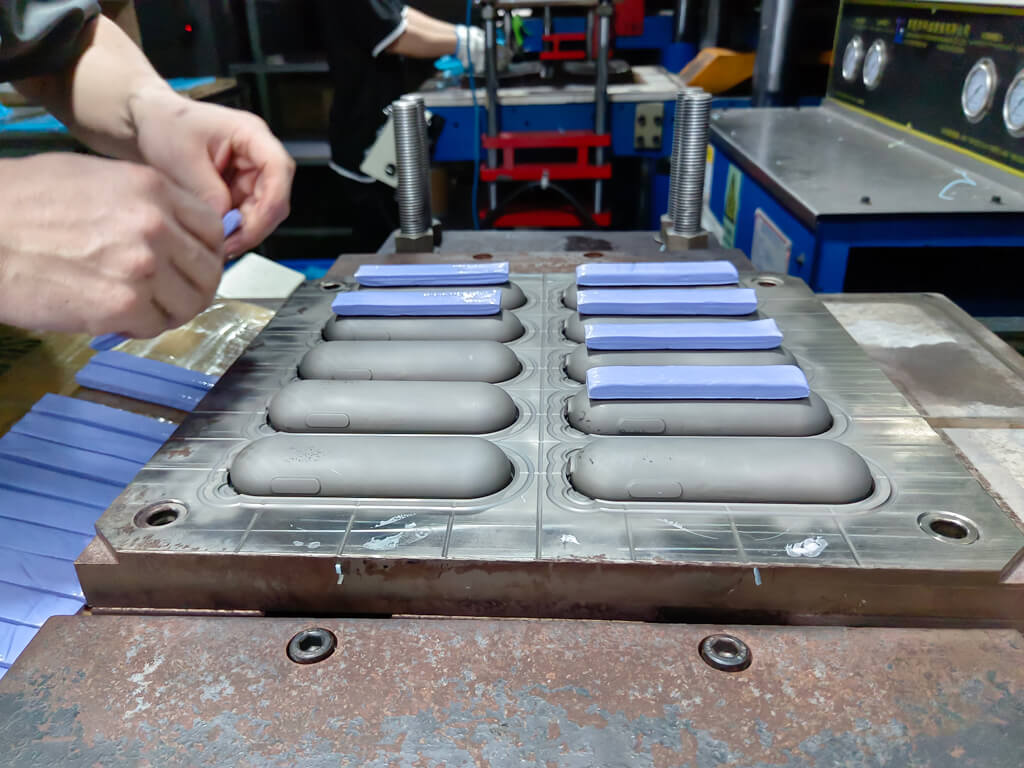
Silicone Tube Mold Production Process: Engineering Zero Defects from Concept to Volume
At Wuxi Lead Precision Machinery, our silicone tube mold production process is engineered for absolute precision and zero-defect outcomes, critical for medical, aerospace, and high-purity industrial applications. We integrate advanced CNC manufacturing with rigorous quality protocols across three non-negotiable phases: Design, Prototyping, and Mass Production. Each stage is interlocked to eliminate downstream errors, ensuring your final tube meets micron-level tolerances and material integrity standards.
The Design phase begins with collaborative engineering using Siemens NX and Moldflow simulation. We analyze material flow, thermal distribution, and ejection dynamics specific to liquid silicone rubber (LSR) or high-consistency rubber (HCR). Critical factors like gate location, venting geometry, and cooling channel optimization are validated virtually to prevent flash, incomplete fills, or post-cure warpage. Our designers prioritize manufacturability, ensuring mold steel selection (e.g., H13 or 420SS) aligns with production volume and chemical resistance requirements. This phase concludes with a signed-off 3D model and tolerance stack-up report, setting the foundation for defect prevention.
Prototyping transforms the digital design into a physical validation tool. Using 5-axis CNC milling and wire EDM, we produce a single-cavity prototype mold with the same hardened tool steel as the production tool. This mold undergoes stringent first-article inspection via CMM and optical comparators against your CAD nominal. We run material trials under actual processing parameters (120°C–200°C cure temps, 50–150 bar injection pressure), measuring critical dimensions like inner/outer diameter concentricity, wall thickness uniformity, and parting line flushness. Any deviation triggers immediate design refinement—never mass production. This step captures 95% of potential defects before tooling investment scales.
Mass Production leverages our zero-defect ecosystem. Production molds are machined on Makino a500Z 5-axis centers with sub-micron repeatability, followed by precision polishing and assembly in ISO Class 8 cleanrooms. Real-time process monitoring tracks cavity pressure, temperature stability, and cycle time variance. Every 50th part undergoes automated vision inspection for surface defects and dimensional drift, while batch samples undergo durometer and tensile testing per ASTM D2240/D412. Our closed-loop system adjusts parameters instantly if trends approach tolerance limits, ensuring consistent ±0.05mm dimensional accuracy across 100,000+ cycles.
Critical Silicone Tube Mold Production Specifications
| Parameter | Capability Range | Quality Control Method | Zero-Defect Target |
|---|---|---|---|
| Dimensional Tolerance | ±0.02mm to ±0.05mm | CMM + Optical Comparator | 100% within tolerance |
| Surface Finish (Ra) | 0.05µm (mirror) to 0.8µm | Profilometer + Visual AQL 0 | Zero flash/parting lines |
| Cavity Count | 1 to 32 cavities | Moldflow Validation | Balanced filling <2% delta |
| Cycle Time Stability | ±0.5 seconds | Real-time PLC monitoring | <0.1% dimensional drift |
| Material Compliance | USP Class VI, ISO 10993 | Third-party certification | Zero batch rejection |
This disciplined approach—where design foresight, prototyping validation, and production intelligence converge—ensures your silicone tube molds deliver perfect parts from shot one to the final cycle. Wuxi Lead transforms precision engineering into your operational certainty. Demand zero defects; we engineer them.
Why Choose Wuxi Lead Precision
Partner with Lead Precision for Precision Silicone Tube Mold Manufacturing
When it comes to high-performance silicone tube mold production, partnering with a trusted, experienced manufacturer is critical. At Wuxi Lead Precision Machinery, we specialize in custom metal manufacturing solutions engineered to meet the exacting standards of industries such as medical devices, automotive, aerospace, and industrial fluid systems. Our expertise in silicone molding technology, combined with our advanced CNC machining and precision tooling capabilities, ensures that every mold we produce delivers consistent repeatability, long service life, and exceptional part quality.
Silicone tube molds demand tight tolerances, flawless surface finishes, and resistance to thermal cycling and chemical exposure. We understand these challenges and have developed a comprehensive design-to-production workflow that integrates material science, mold flow analysis, and precision engineering. From initial concept and 3D modeling to final inspection and validation, our team works closely with clients to optimize mold design for manufacturability, durability, and cost-efficiency.
Our facility in Wuxi, China, is equipped with state-of-the-art CNC machining centers, wire EDM, and high-accuracy measurement systems, enabling us to produce molds with tolerances as tight as ±0.002 mm. We use premium-grade tool steels such as H13, S136, and 420 stainless steel, selected based on the production volume, curing temperature, and silicone compound being used. All molds undergo rigorous quality checks, including cavity dimensional verification, surface roughness testing, and trial runs under simulated production conditions.
We pride ourselves on being more than just a supplier—we are a strategic partner in your manufacturing success. Our engineering team provides technical consultation throughout the project lifecycle, helping you select the optimal gating system, cooling layout, and ejection mechanism for your specific application. Whether you require single-cavity prototypes or multi-cavity production molds capable of running 500,000+ cycles, we deliver solutions that maximize uptime and minimize total cost of ownership.
Below are key technical specifications for our silicone tube mold manufacturing services:
| Specification | Details |
|---|---|
| Material Options | H13, S136, 420 Stainless Steel, P20, Custom Alloys |
| Tolerance | ±0.002 mm |
| Surface Finish | Ra 0.05 µm to Ra 0.4 µm (polished, EDM, or textured) |
| Mold Base Standards | DME, HASCO, or Custom |
| Cavity Configuration | Single to 16-cavity layouts |
| Runner System | Cold runner, cold deck, or insulated manifold |
| Temperature Control | Precision-drilled conformal cooling channels |
| Validation | First Article Inspection (FAI), CMM reports, mold flow analysis |
| Lead Time | 4–8 weeks (depending on complexity) |
| Applications | Medical tubing, automotive seals, food-grade hoses, industrial connectors |
At Wuxi Lead Precision Machinery, we are committed to delivering precision, reliability, and outstanding customer service. If you are developing a new silicone tube product or seeking to improve an existing mold design, we invite you to contact us today. Our team of engineers is ready to support your project with technical expertise and responsive communication.
For inquiries, collaboration, or a detailed quote, please reach out to us at [email protected]. Let Lead Precision be your trusted partner in high-end silicone tube mold manufacturing.
⚙️ Precision Cost Estimator
Estimate relative manufacturing effort based on tolerance.