

Technical Contents
Engineering Guide: Silicone Rubber Parts
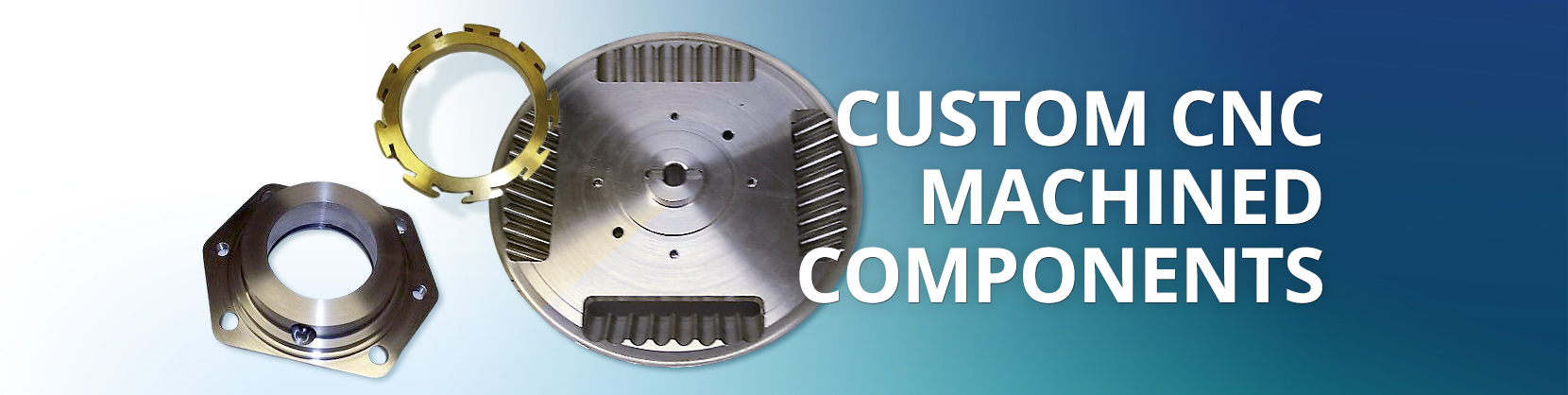
Engineering Insight: The Critical Role of Precision in Silicone Rubber Parts Manufacturing
In the realm of high-performance manufacturing, silicone rubber parts are increasingly essential across aerospace, medical, automotive, and defense industries due to their exceptional thermal stability, chemical resistance, and long-term durability. However, the functional reliability of these components hinges not only on material selection but on the precision with which they are engineered and produced. At Wuxi Lead Precision Machinery, we recognize that even micron-level deviations can compromise sealing integrity, electrical insulation, or mechanical performance—especially in mission-critical applications.
Silicone rubber, while flexible and resilient, presents unique manufacturing challenges. Its viscoelastic behavior requires exact control over mold design, compression set, and curing parameters. Traditional machining methods often fail to maintain tight tolerances, leading to part inconsistency and field failure. This is where precision metal tooling—our core expertise—becomes the foundation of reliable silicone component production. Custom molds and dies must be manufactured with exacting dimensional accuracy, surface finish, and thermal management features to ensure repeatable, high-integrity molding cycles.
At Lead Precision, our experience in custom metal manufacturing directly supports the production of high-precision silicone rubber components. We design and fabricate tooling using advanced CNC machining, EDM, and surface treatment technologies, ensuring molds meet ISO and AS9100 standards. Our engineering team applies finite element analysis (FEA) to simulate material flow and thermal distribution, minimizing defects such as flash, voids, or incomplete fills. This level of control is not merely beneficial—it is mandatory in sectors where failure is not an option.
Our track record includes supplying precision tooling and components for Olympic-grade timing systems and military-grade sealing solutions, where environmental extremes and zero-tolerance failure criteria demand perfection. These projects underscore our ability to deliver under stringent regulatory and performance requirements. Whether producing gaskets for avionics housings or seals for deep-sea instrumentation, our integrated approach—combining metallurgical expertise with polymer processing insight—ensures optimal outcomes.
The future of silicone rubber part manufacturing lies in the seamless integration of material science and precision engineering. As performance demands escalate, so too must the standards for tooling accuracy, process control, and quality assurance. At Wuxi Lead Precision Machinery, we stand at this intersection, delivering solutions that meet the highest benchmarks of reliability and performance.
Typical Specifications for Precision Silicone Rubber Parts (Custom Tooling Supported)
| Parameter | Standard Range | Precision Capability (Lead) |
|---|---|---|
| Tolerance (± mm) | ±0.15 – ±0.5 | Up to ±0.05 mm |
| Hardness (Shore A) | 30 – 80 | 20 – 90 (custom formulations) |
| Operating Temperature | -55°C to +200°C | Extended to +300°C (special grades) |
| Tensile Strength | 6 – 12 MPa | Up to 15 MPa (reinforced compounds) |
| Compression Set (22h, 150°C) | ≤30% | ≤15% (optimized curing profiles) |
| Surface Finish (mold) | 3.2 – 0.8 µm Ra | Down to 0.2 µm Ra (mirror polish) |
| Regulatory Compliance | RoHS, REACH | FDA, USP Class VI, MIL-S-810 available |
Precision Specs & Tolerances
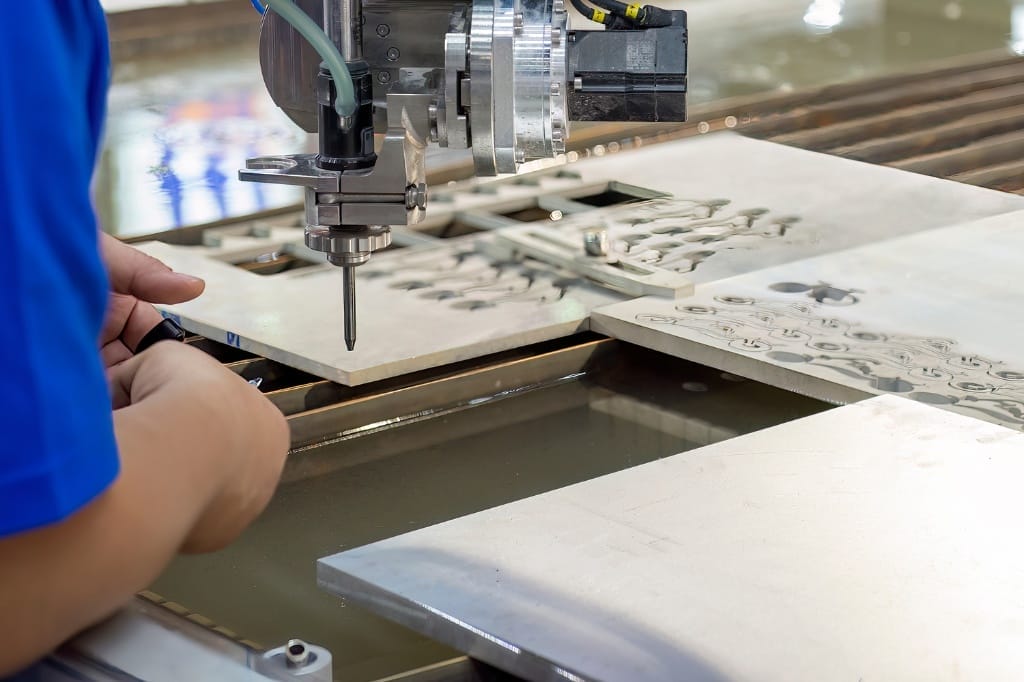
Technical Capabilities for Silicone Rubber Mold Tooling
Wuxi Lead Precision Machinery specializes in the high-precision manufacturing of custom metal tooling essential for producing complex silicone rubber components. Our expertise lies in fabricating molds, inserts, and fixtures that directly enable the consistent production of critical silicone parts across aerospace, medical, and automotive sectors. While silicone rubber itself is processed by our clients’ molding facilities, the dimensional accuracy and surface integrity of the final rubber part are fundamentally determined by the precision of the metal tooling we deliver. We bridge the gap between design intent and flawless silicone part replication through advanced metal machining and rigorous quality validation.
Our 5-axis CNC machining centers form the cornerstone of this capability. Utilizing DMG MORI and MAZAK platforms with sub-micron positioning accuracy, we machine hardened tool steels (including H13, S136, and 420SS) to exacting geometries required for silicone molding. Complex undercuts, micro-features, and tight draft angles are achieved in a single setup, eliminating cumulative errors from multiple operations. This capability is critical for silicone applications where parting lines, venting channels, and cavity textures directly impact part yield, flash control, and biocompatibility. Integrated high-speed machining ensures superior surface finishes (Ra ≤ 0.4 µm) without secondary polishing, reducing cycle times in the client’s molding process and extending tool life.
Quality assurance is non-negotiable. Every mold component undergoes comprehensive Coordinate Measuring Machine (CMM) inspection against the client’s 3D CAD model. Our Zeiss CONTURA systems validate critical dimensions, geometric tolerances, and surface profiles with traceable NIST-certified accuracy. Data from CMM reports is analyzed to confirm conformance to specifications and identify any deviations for immediate corrective action. This closed-loop process guarantees that the metal tooling meets the stringent demands of high-integrity silicone part production, where tolerances directly translate to part functionality and regulatory compliance.
The following table details our standard and precision tolerance capabilities for silicone mold tooling:
| Feature | Standard Tolerance | Precision Capability | Reference Standard |
|---|---|---|---|
| Linear Dimensions (mm) | ±0.05 | ±0.01 | ISO 2768-mK |
| Angular Features (°) | ±0.5 | ±0.1 | ISO 2768-c |
| Flatness (mm) | 0.05/100mm | 0.01/100mm | ISO 1101 |
| Positional Tolerance (mm) | ±0.03 | ±0.005 | ISO 1101 |
| Surface Roughness (Ra µm) | 0.8 | 0.2 | ISO 1302 |
All tolerances are achievable on hardened steels up to 52 HRC. We routinely exceed standard benchmarks for medical-grade silicone molds, where feature repeatability below ±0.025 mm is often mandated. Our technical team collaborates closely with clients during the design phase to optimize mold geometry for manufacturability, ensuring the final tooling delivers maximum part consistency while minimizing silicone waste and post-mold finishing requirements. This integrated approach to precision metal tooling establishes the foundation for reliable, high-yield silicone rubber part production.
Material & Finish Options
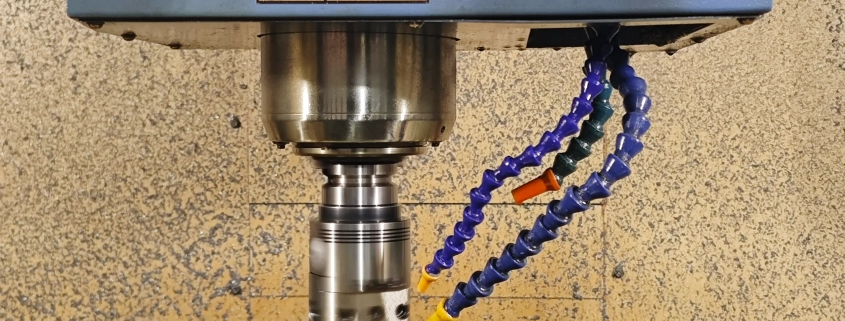
Material Selection for Silicone Rubber Molds in Precision Manufacturing
In the production of high-performance silicone rubber parts, the selection of mold material is critical to ensuring part quality, production efficiency, and long-term tooling durability. At Wuxi Lead Precision Machinery, we specialize in custom metal manufacturing for precision tooling used in silicone molding applications. Our engineering team recommends aluminum, steel, and titanium based on specific application requirements, balancing thermal conductivity, mechanical strength, and corrosion resistance.
Aluminum is often the preferred choice for low- to medium-volume production runs due to its excellent thermal conductivity and ease of machining. Its ability to rapidly transfer heat allows for shorter cycle times in silicone molding processes, improving throughput. Additionally, aluminum molds are lighter and more cost-effective to produce, making them ideal for prototyping and pilot production. However, aluminum is less wear-resistant than steel and may not be suitable for high-volume or abrasive silicone formulations.
Steel, particularly tool steel grades such as H13 or P20, offers superior hardness and wear resistance, making it the standard for high-volume silicone rubber manufacturing. Steel molds maintain dimensional stability over thousands of cycles and are highly resistant to deformation under thermal cycling. While steel has lower thermal conductivity than aluminum, proper mold design with optimized cooling channels can mitigate this limitation. Steel is also more challenging and time-consuming to machine, resulting in higher initial tooling costs, but its longevity often justifies the investment.
Titanium is a specialized option used in highly corrosive or high-temperature environments. Though less common due to its high cost and machining complexity, titanium provides an exceptional strength-to-density ratio and outstanding resistance to oxidation and chemical degradation. It is typically reserved for aerospace or medical applications where extreme reliability and material integrity are non-negotiable.
Surface finish plays a pivotal role in part release, surface quality, and mold maintenance. Anodizing is a widely used finishing process for aluminum molds, enhancing surface hardness and corrosion resistance while allowing for color coding and improved release properties. Hard anodizing, in particular, creates a durable ceramic-like layer that significantly extends mold life in aggressive molding conditions. For steel molds, nitriding or chrome plating are more common, though anodizing alternatives such as plasma electrolytic oxidation are emerging for specialized uses.
The following table summarizes key properties of these materials in the context of silicone rubber mold manufacturing:
| Material | Thermal Conductivity (W/m·K) | Hardness (HRC) | Corrosion Resistance | Typical Applications | Machinability |
|---|---|---|---|---|---|
| Aluminum | 150–220 | 40–50 (anodized) | Moderate | Prototypes, low-volume runs | Excellent |
| Steel | 25–40 | 48–54 | High (with coating) | High-volume production | Moderate |
| Titanium | 6–8 | 35–40 | Very High | Aerospace, medical, corrosive environments | Poor |
Selecting the right material and finish requires a detailed understanding of production volume, part geometry, silicone compound, and environmental conditions. At Wuxi Lead, we work closely with clients to engineer molds that optimize performance, cost, and lifecycle for their specific silicone rubber part requirements.
Manufacturing Process & QC
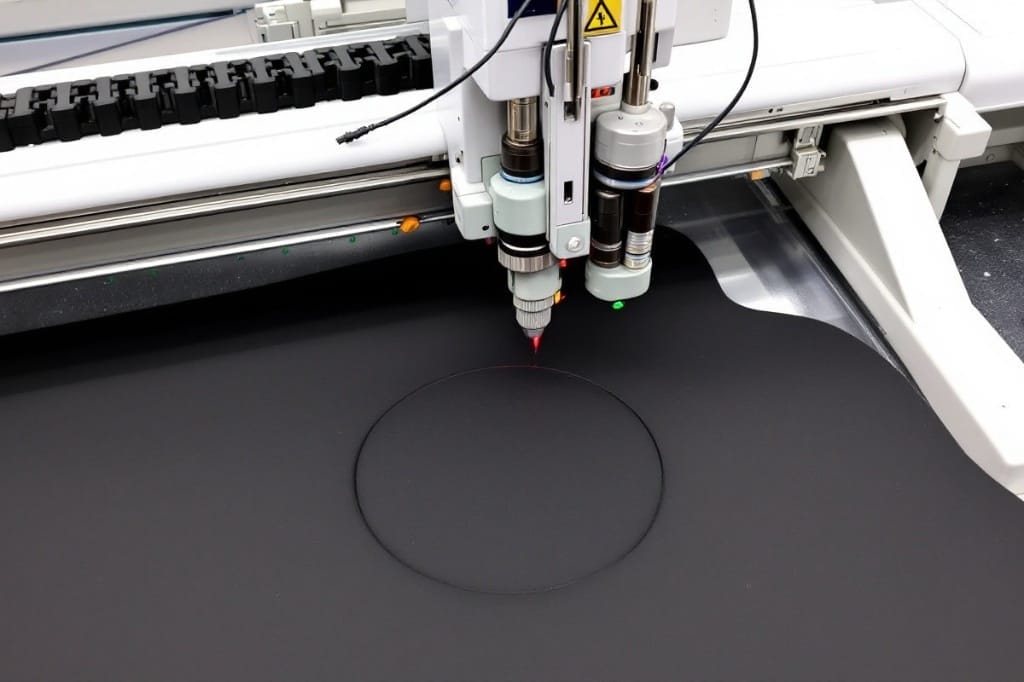
Silicone Rubber Parts Production Process: Zero Defects Execution
At Wuxi Lead Precision Machinery, we engineer silicone rubber part manufacturing as a closed-loop system where precision metal tooling and process control converge to eliminate defects. Our methodology integrates Design for Manufacturability (DFM) analysis, production-intent prototyping, and statistically validated mass production—ensuring every component meets aerospace, medical, and automotive zero-defect standards.
The process begins with collaborative design engineering. Our team conducts rigorous DFM reviews using CAD/CAE tools to optimize part geometry, gate placement, and venting for silicone flow dynamics. We prioritize material compatibility analysis, selecting platinum-cure or peroxide-cure silicones aligned with client chemical resistance, temperature, and biocompatibility requirements. Critical tolerances are validated against ISO 3302-1 and ISO 2768-mK standards during this phase, preventing inherent design flaws before tooling fabrication.
Prototyping utilizes hardened steel or aluminum production-intent molds machined on our Swiss CNC centers, not soft-tool alternatives. This ensures dimensional and material behavior accurately mirror mass production conditions. Each prototype undergoes full metrology: CMM inspection for geometric conformity, durometer testing per ASTM D2240, and functional validation for compression set (ASTM D395) and tensile strength (ASTM D412). Iterations are data-driven—adjusting cure cycles, clamping pressure, or mold surface finishes until first-article approval is achieved.
Mass production operates under AS9100 and IATF 16949 protocols. Our vertical manufacturing ecosystem—encompassing CNC milling, wire EDM, and surface grinding—guarantees ±0.02mm mold accuracy. Automated molding cells feature real-time monitoring of temperature (±1°C), pressure (±0.5 bar), and cure time, with SPC charts tracking critical dimensions per lot. Every part undergoes 100% visual inspection via machine vision systems and random batch testing for flash, voids, or discoloration. Full traceability links each component to raw material certificates, machine parameters, and operator logs.
This integrated approach transforms zero defects from a target into an engineered outcome. By controlling the metal tooling foundation and process variables at every stage, we deliver silicone parts with guaranteed repeatability—reducing client scrap rates by up to 90% versus conventional suppliers.
Critical Silicone Production Specifications
| Parameter | Capability Range | Standard Compliance | Measurement Method |
|---|---|---|---|
| Dimensional Tolerance | ±0.05 mm to ±0.15 mm | ISO 3302-1, ISO 2768-mK | CMM, Optical Comparator |
| Hardness Range | 20 to 80 Shore A | ASTM D2240 | Durometer Calibration |
| Compression Set | ≤15% (22h @ 150°C) | ASTM D395 Method B | Tensile Tester |
| Tensile Strength | 6.0 to 12.0 MPa | ASTM D412 | Universal Testing Machine |
| Cycle Time Control | ±2 seconds per shot | Custom Process Validation | PLC Monitoring |
| Surface Finish (Cavity) | Ra 0.2 µm to Ra 0.8 µm | ISO 26324 | Profilometer |
Why Choose Wuxi Lead Precision
Partner with Lead Precision for Unmatched Expertise in Custom Silicone Rubber Component Manufacturing
At Wuxi Lead Precision Machinery, we specialize in high-precision metal manufacturing solutions engineered to support the production of critical silicone rubber parts. As a trusted partner in the global industrial supply chain, we deliver custom tooling, molds, and precision-engineered components that meet the exacting demands of the automotive, medical, electronics, and consumer goods industries. Our advanced manufacturing capabilities ensure that every silicone rubber part produced using our systems meets strict tolerances, repeatability, and performance standards.
Silicone rubber is a challenging material to process—requiring precise temperature control, uniform pressure distribution, and highly accurate mold geometry. Off-the-shelf solutions often fall short. That’s why leading manufacturers turn to Lead Precision for custom-engineered metal components specifically designed for silicone molding applications. From multi-cavity compression molds to intricate transfer and injection tooling, our engineering team applies decades of experience in material science, thermal dynamics, and CNC machining to deliver optimized solutions.
Our facility in Wuxi integrates state-of-the-art 5-axis CNC machining centers, wire EDM, and surface grinding technologies, all operated under strict ISO 9001-certified quality protocols. Every component is inspected using coordinate measuring machines (CMM) and 3D scanning to ensure micron-level accuracy. We work with high-grade tool steels, stainless alloys, and specialized coatings to extend mold life and reduce maintenance downtime in high-volume production environments.
We understand that your success depends on reliability, speed, and consistency. That’s why we offer end-to-end project management—from initial design consultation and DFM analysis to rapid prototyping and full-scale production. Our engineers collaborate directly with your team to refine part geometry, optimize gating and venting systems, and ensure seamless integration into your existing manufacturing lines.
When you partner with Wuxi Lead Precision Machinery, you gain more than a supplier—you gain a precision engineering ally committed to your long-term operational excellence.
| Specification | Capability |
|---|---|
| Machining Tolerance | ±0.002 mm |
| Maximum Work Envelope | 1200 x 800 x 600 mm |
| Materials | P20, H13, 420SS, 1.2343, 1.2767, Aluminum 7075 |
| Surface Finish | Ra 0.1 – 0.8 µm (polished to mirror finish available) |
| Mold Types Supported | Compression, Transfer, Injection |
| Quality Standards | ISO 9001:2015, Full CMM Inspection, First Article Reports |
| Lead Time (Standard) | 15–25 days, based on complexity |
Contact us today to discuss your silicone rubber part manufacturing challenges. Our engineering team is ready to support your next project with precision, speed, and technical excellence. Email us at [email protected] and discover how Wuxi Lead Precision Machinery can become your strategic partner in advanced metal manufacturing.
⚙️ Precision Cost Estimator
Estimate relative manufacturing effort based on tolerance.