
Technical Contents
Engineering Guide: Silicone Mould Maker
Engineering Insight Precision Fundamentals in High-Performance Silicone Mould Making
Achieving exceptional part quality and production efficiency in silicone molding hinges entirely on the foundational precision of the mould itself. Silicone rubber’s unique flow characteristics and sensitivity to minute dimensional variations demand moulds engineered to exacting standards far beyond conventional plastic injection tooling. Inconsistent cavity geometry, inadequate venting, or compromised parting line integrity directly translate to flash, incomplete fills, dimensional drift in the final part, and accelerated mould wear. These defects are not merely cosmetic; they trigger costly scrap rates, production line stoppages, and compromised product performance – particularly critical for medical, aerospace, or sealing applications where silicone excels. The thermal dynamics during the vulcanization cycle further amplify the need for precise temperature control channels and uniform cavity wall thickness, ensuring consistent cure profiles and eliminating internal stresses that degrade part longevity.
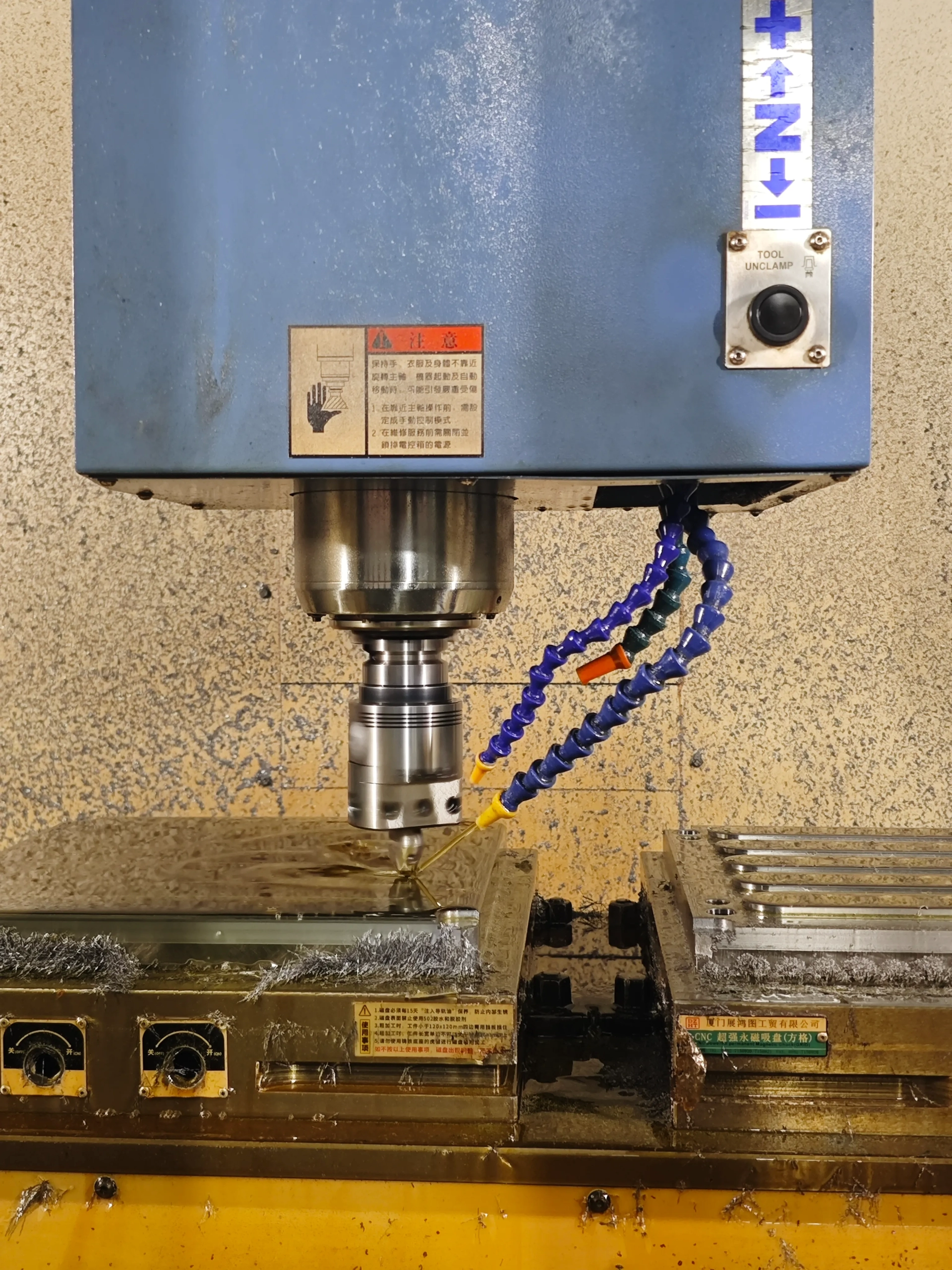
At Wuxi Lead Precision Machinery, we confront these challenges daily through deep-rooted expertise in ultra-precision metal manufacturing. Our engineering philosophy centers on anticipating the entire silicone material behavior within the mould cavity, not just replicating a CAD model. This requires advanced simulation of material flow, thermal gradients, and ejection forces before metal is cut. Our CNC machining centers, operating under stringent environmental controls, consistently hold tolerances challenging for the industry. This capability is rigorously proven through our work on mission-critical components, including precision silicone seals for aerospace systems meeting military specifications and intricate, high-reliability parts for Olympic-standard sporting equipment where failure is not an option. These projects demand absolute fidelity to design intent, zero-defect output, and materials certified to the highest international standards – benchmarks we apply to every client’s mould.
The difference manifests in measurable outcomes: extended mould life exceeding 500,000 cycles, significantly reduced scrap rates often below 0.5%, and the ability to hold critical dimensions consistently over the entire production run. Partnering with a mould maker possessing this level of precision engineering capability mitigates risk and optimizes your total cost of ownership. Below are core specifications reflecting our standard capabilities for high-integrity silicone moulds.
| Specification Category | Capability Range | Notes |
|---|---|---|
| Dimensional Tolerance | ±0.005 mm (±0.0002″) | Standard for critical features; tighter upon request |
| Surface Finish (Cavity/Core) | Ra 0.05 µm (2 µin) to Ra 0.8 µm (32 µin) | Mirror polish achievable; textured finishes per SPI standards |
| Mold Base Materials | Pre-hardened H13, S136, 2738HH | Vacuum degassed; certified for high-pressure cycles |
| Max Mold Footprint | 800 mm x 800 mm (31.5″ x 31.5″) | Custom larger bases available |
| Lead Time (Complex Multi-Cavity) | 8-12 Weeks | From approved design to first article |
Precision in silicone mould making is non-negotiable for high-value applications. It is the engineering discipline separating functional tools from truly optimized production assets. Wuxi Lead Precision Machinery delivers this precision through proven processes, military-grade quality systems, and an unwavering commitment to solving the toughest manufacturing challenges inherent in silicone processing. Your requirement for flawless parts begins with our exacting mould.
Precision Specs & Tolerances
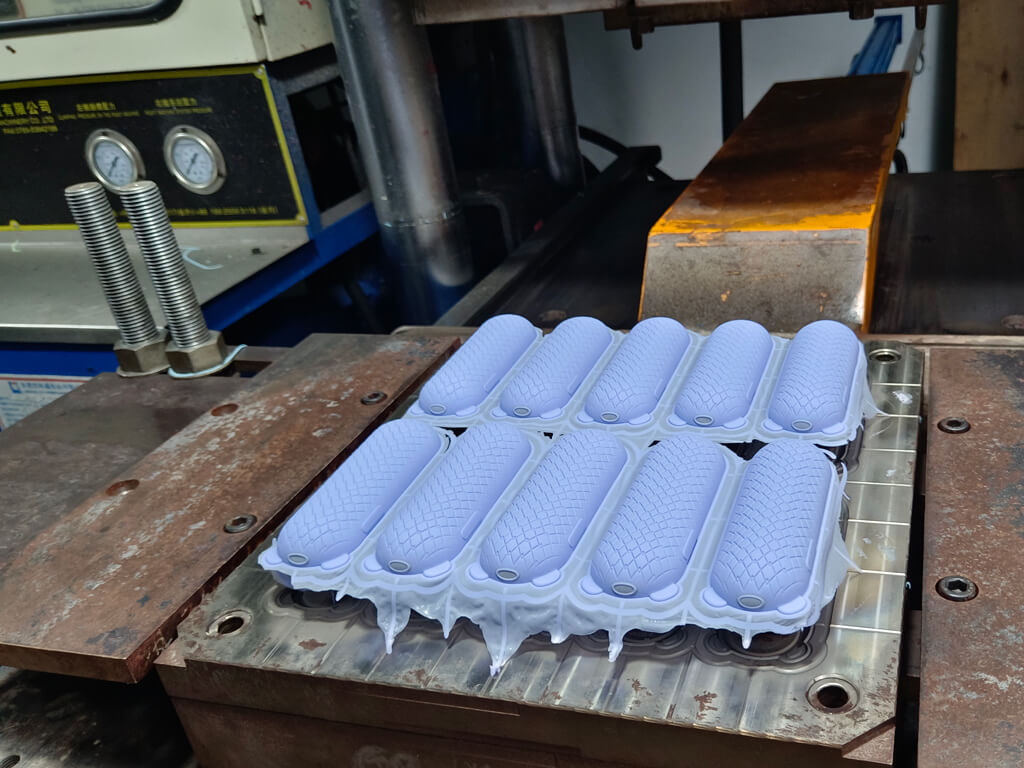
Wuxi Lead Precision Machinery delivers advanced technical capabilities in custom metal manufacturing, specifically engineered to meet the demanding requirements of precision silicone mold production. Our facility is anchored by state-of-the-art 5-axis CNC machining centers, enabling us to produce complex mold geometries with exceptional accuracy and surface finish. These multi-axis systems allow simultaneous movement across five planes, eliminating the need for multiple setups and significantly reducing cumulative error. This capability is critical when machining intricate cavities, undercuts, and conformal cooling channels commonly required in high-performance silicone molds.
Our machining processes are supported by a rigorous quality control framework, with every critical dimension verified through Coordinate Measuring Machine (CMM) inspection. The CMM system provides full 3D metrology validation, ensuring that each component adheres to the tightest tolerances specified in customer engineering drawings. All inspection data is documented and traceable, supporting full compliance with international quality standards such as ISO 9001. This closed-loop quality process ensures consistency across production runs and enables rapid feedback for process optimization.
Material selection is tailored to the operational demands of silicone molding applications, including resistance to thermal cycling, wear, and corrosion. We routinely work with high-grade tool steels such as H13, P20, and S136, as well as hardened stainless steels and aluminum alloys for prototype and low-volume tooling. Each material is heat-treated and stress-relieved as required to ensure dimensional stability during and after machining.
In addition to machining and inspection, our technical team provides design for manufacturability (DFM) analysis to optimize mold performance and longevity. This includes evaluation of parting lines, ejector pin placement, venting, and cooling channel layout—all critical factors in achieving high-yield silicone molding operations. Our engineers collaborate directly with clients during the pre-production phase to resolve potential issues before tool fabrication begins, reducing time-to-market and minimizing rework.
All manufacturing activities are conducted in a climate-controlled environment to minimize thermal distortion, and our skilled technicians follow standardized work instructions to maintain repeatability. From initial prototype to full-scale production, Wuxi Lead ensures that every silicone mold meets the highest standards of precision, durability, and performance.
The following table outlines our standard machining tolerances, which can be further refined based on specific application requirements:
| Feature | Standard Tolerance | High-Precision Capability |
|---|---|---|
| Linear Dimensions (mm) | ±0.01 mm | ±0.005 mm |
| Hole Diameter | ±0.01 mm | ±0.003 mm |
| Positional Tolerance | ±0.01 mm | ±0.005 mm |
| Surface Roughness (Ra) | 0.8 μm | 0.4 μm |
| Flatness | 0.01 mm per 100 mm | 0.005 mm per 100 mm |
| Angular Tolerance | ±0.05° | ±0.02° |
These technical capabilities position Wuxi Lead Precision Machinery as a trusted partner for global manufacturers requiring high-integrity silicone mold solutions.
Material & Finish Options
Material Selection for Precision Silicone Molds: Engineering Performance
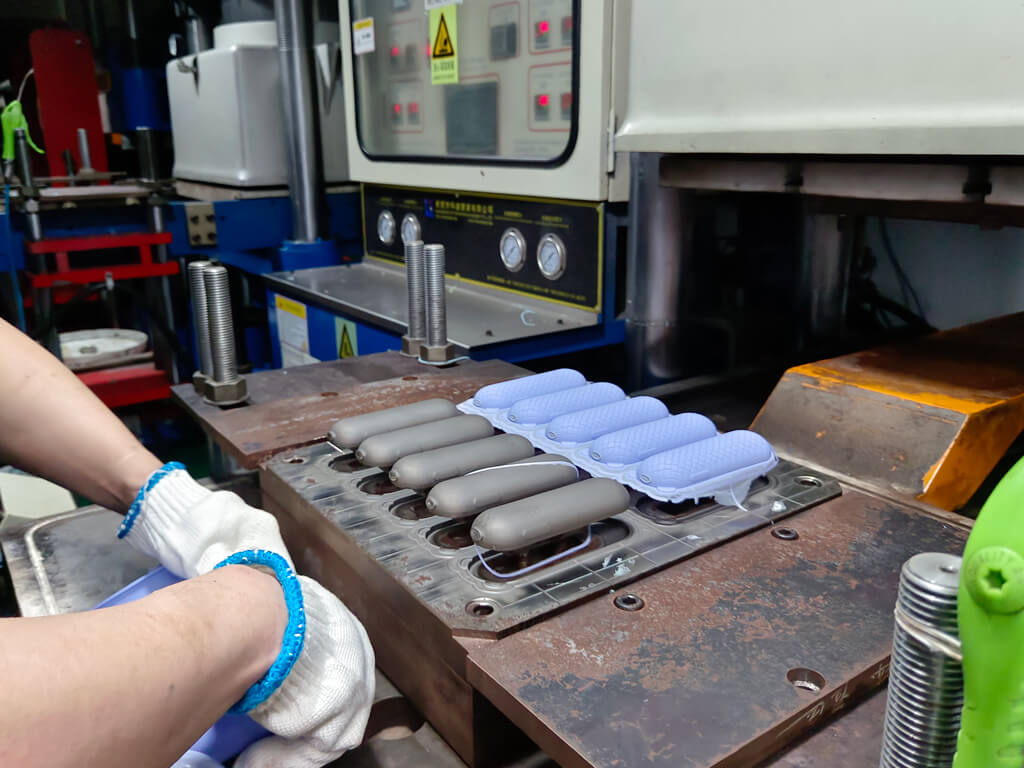
Selecting the optimal base material for silicone injection molds directly impacts cycle time, part quality, tool longevity, and total cost of ownership. At Wuxi Lead Precision Machinery, our CNC machining expertise ensures each material choice is precisely matched to your production volume, silicone compound, and geometric complexity. Aluminum alloys offer significant advantages for prototyping and low-to-medium volume production due to superior thermal conductivity. This rapidly draws heat from the curing silicone, reducing cycle times by up to 30% compared to steel. Aluminum 7075-T6 provides an excellent balance of strength, machinability, and thermal dissipation, making it ideal for complex cavities requiring tight tolerances under moderate cavity pressures. However, its lower hardness necessitates protective surface treatments for extended use with abrasive fillers.
For high-volume production exceeding 100,000 cycles, tool steels like P20 or H13 become essential. These materials withstand sustained high cavity pressures and thermal cycling without deformation. P20 steel (pre-hardened to 28-32 HRC) delivers robust performance for most liquid silicone rubber (LSR) applications, offering good polishability and moderate wear resistance. H13 tool steel, hardened to 48-52 HRC, is critical for aggressive compounds, high-temperature processes, or molds requiring exceptional wear resistance over millions of cycles. While steel increases initial tooling cost, its durability delivers superior return on investment for demanding production runs.
Titanium alloys (e.g., Ti-6Al-4V) serve niche applications where extreme corrosion resistance or minimal thermal expansion is paramount, such as in medical-grade silicone molding with stringent biocompatibility requirements. Its high cost and challenging machinability limit use to specialized scenarios, but titanium’s inertness prevents catalytic interference with sensitive silicone formulations.
Surface finishing, particularly hard anodizing, is non-negotiable for aluminum molds and beneficial for select steel applications. Hard anodizing (Type III) creates a dense, wear-resistant aluminum oxide layer (50-75 µm thickness) that dramatically improves release properties, reduces galling, and protects against chemical degradation from silicone additives. This treatment extends aluminum mold life significantly while maintaining dimensional stability. For steel molds, nitriding or PVD coatings may supplement anodizing where ultra-low friction is critical.
Material performance characteristics must be evaluated holistically. The following table summarizes key properties for common mold base materials:
| Material | Typical Hardness (HV) | Thermal Conductivity (W/m·K) | Optimal Application Range | Machinability Rating |
|---|---|---|---|---|
| Aluminum 7075 | 150-200 | 130 | 1 – 50k cycles | Excellent (A) |
| P20 Steel | 280-320 | 28-36 | 50k – 500k cycles | Good (B) |
| H13 Steel | 450-500 | 25-30 | 500k+ cycles | Moderate (C) |
| Ti-6Al-4V | 320-380 | 6-7 | Specialized high-corrosion | Poor (D) |
Material choice is never one-size-fits-all. Wuxi Lead Precision Machinery leverages decades of CNC machining experience to analyze your specific silicone formulation, part geometry, and production targets. We provide data-driven recommendations ensuring your mold substrate maximizes efficiency and part consistency. Consult our engineering team to optimize material selection and surface treatment for your next silicone molding project.
Manufacturing Process & QC
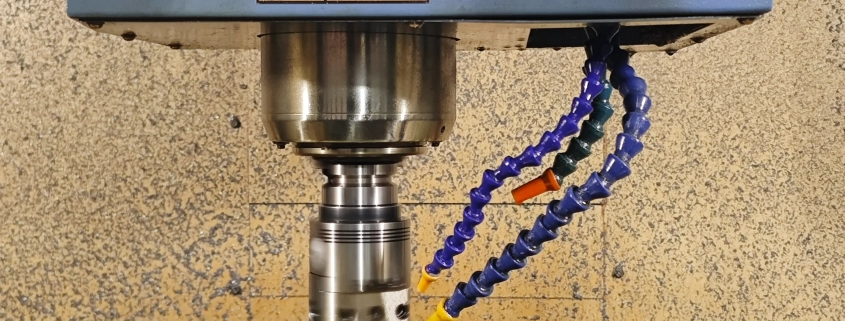
At Wuxi Lead Precision Machinery, our silicone mould making process is engineered for precision, repeatability, and zero-defect output. As a leader in custom metal manufacturing, we integrate advanced design methodologies, rigorous prototyping, and tightly controlled mass production to deliver high-performance silicone moulds that meet the exact specifications of global industrial clients.
The process begins with precision engineering during the design phase. Our team of experienced CNC engineers and design specialists collaborates closely with clients to translate technical requirements into optimized 3D models. Utilizing CAD/CAM software such as SolidWorks, AutoCAD, and UG NX, we simulate mold flow, thermal distribution, and stress points to ensure structural integrity and performance under operational conditions. Design for manufacturability (DFM) reviews are conducted to eliminate potential flaws before any metal is cut, reducing risk and accelerating time to market.
Prototyping follows design finalization, serving as a critical validation step. We fabricate initial mould samples using high-grade tool steels such as P20, 718H, or H13, selected based on production volume, temperature resistance, and part complexity. Machining is performed on state-of-the-art 5-axis CNC centers with micron-level accuracy, ensuring dimensional consistency. The prototype mould undergoes comprehensive testing, including trial runs with actual silicone material, to evaluate part quality, ejection efficiency, and cooling uniformity. Any deviations are analyzed using coordinate measuring machines (CMM) and corrected in real time, ensuring the design is perfected before scale-up.
Once approved, the process transitions to mass production under a zero-defect framework. Each mould is manufactured in a climate-controlled facility with full traceability from raw material to final inspection. Our production lines are monitored through real-time SPC (Statistical Process Control) systems, and every component is subjected to non-destructive testing (NDT) and surface finish verification. We maintain strict ISO 9001 and IATF 16949 compliance across all operations.
The following table outlines key technical specifications of our silicone mould production capabilities:
| Parameter | Specification |
|---|---|
| Material Options | P20, 718H, H13, S136, 420 Stainless |
| Tolerance | ±0.005 mm |
| Surface Finish | Ra 0.05–0.4 µm (polished to mirror grade) |
| Mould Life | 500,000+ cycles (depending on material and use) |
| CNC Equipment | 5-Axis DMG MORI, Makino, and HAAS systems |
| Lead Time (Prototype) | 15–25 days |
| Lead Time (Mass Production) | 30–45 days (varies by complexity) |
| Quality Standards | ISO 9001, IATF 16949, RoHS compliant |
Through seamless integration of design intelligence, empirical prototyping, and disciplined mass production, Wuxi Lead Precision Machinery ensures every silicone mould meets the highest standards of performance and reliability. Our zero-defect philosophy is not a target—it is a guaranteed outcome.
Why Choose Wuxi Lead Precision
Partner with Lead Precision for Uncompromising Silicone Mold Excellence
Silicone mold makers demand micron-level precision and unwavering consistency to produce molds capable of replicating intricate geometries and flawless surface finishes. At Wuxi Lead Precision Machinery, we engineer CNC solutions specifically for the exacting standards of high-end silicone molding applications. Our decades of specialized experience in custom metal manufacturing translate directly into molds that deliver superior part integrity, extended service life, and reduced production downtime. We understand that a single micron of deviation can compromise an entire production run—this is why our processes are built on quantifiable precision, not promises.
Our advanced CNC machining centers, operating under strict ISO 9001 and ISO 13485 protocols, achieve repeatability down to 0.002mm. This level of control ensures cavity and core components meet the stringent tolerances required for medical, aerospace, and consumer electronics silicone molding. We utilize premium tool steels and hardened alloys, meticulously heat-treated and polished to mirror finishes, eliminating flow lines and ensuring optimal release properties. Our in-house metrology lab, equipped with Zeiss CMMs and optical comparators, validates every critical dimension against your technical drawings before shipment.
The following table details the core capabilities driving our mold manufacturing performance:
| Parameter | Specification | Relevance to Silicone Molds |
|---|---|---|
| Positioning Accuracy | ±0.001mm | Ensures perfect cavity/core alignment |
| Surface Roughness (Ra) | 0.05µm (Mirror Finish) | Prevents silicone adhesion and surface defects |
| Repeatability | ±0.002mm | Guarantees consistent part dimensions across molds |
| Thermal Stability | < 2µm at 200°C | Maintains tolerances during high-temp molding |
| Material Options | H13, S136, 420SS, Custom Alloys | Optimized for wear resistance and corrosion control |
| Lead Time (Complex Mold) | 15-25 Days | Accelerates time-to-market without quality trade-offs |
Partnering with Lead Precision means integrating our engineering rigor into your supply chain. We collaborate from initial design review through final validation, providing DFM feedback to optimize mold functionality and manufacturability. Our technical team speaks your language—whether discussing venting strategies for zero voids or thermal management for rapid cycling. We do not sell parts; we deliver validated manufacturing solutions backed by full traceability and lifetime technical support.
The cost of mold failure extends far beyond the tooling budget—it disrupts production schedules, compromises brand reputation, and incurs costly rework. Choose a partner whose precision engineering mitigates these risks at the source. Contact our technical sales team today to discuss your next silicone mold project. Send detailed requirements to [email protected] for a confidential consultation and precision capability assessment. Let us prove how Lead Precision becomes your competitive advantage in high-integrity silicone molding. Your molds deserve nothing less than absolute precision.
⚙️ Precision Cost Estimator
Estimate relative manufacturing effort based on tolerance.