Technical Contents
Engineering Guide: Silicone Mold Material
Engineering Insight: Silicone Mold Material and the Precision Imperative
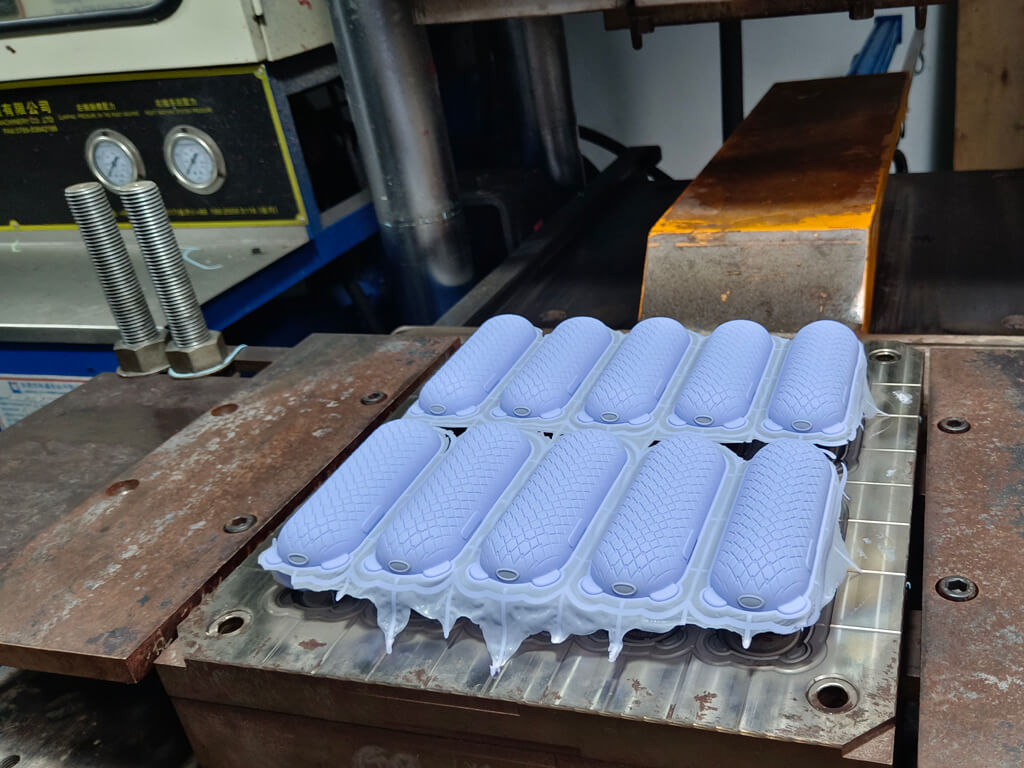
In high-end custom metal manufacturing, the selection of silicone mold material is far more than a preliminary design choice—it is a critical engineering decision that directly influences dimensional accuracy, surface finish, and production repeatability. At Wuxi Lead Precision Machinery, we recognize that the performance of silicone in mold applications hinges not only on its chemical composition but also on the precision with which it is applied, formed, and integrated into the manufacturing workflow. Our extensive experience supplying components for Olympic-standard equipment and military-grade systems has reinforced a fundamental truth: even the most advanced materials fail without exacting process control.
Silicone mold materials are prized for their thermal stability, flexibility, and resistance to degradation under repeated use. These properties make them ideal for casting intricate metal parts, especially in investment or vacuum casting processes where fine detail replication is paramount. However, the inherent elasticity of silicone can introduce variability if not managed with precision tooling, controlled curing environments, and metrology-backed validation. At Lead Precision, we treat silicone mold fabrication as a high-tolerance process, not a disposable prototyping shortcut. Our engineering team applies CNC-machined master patterns, laser-scanned geometry verification, and environmental chamber curing to ensure each mold replicates the original CAD model within ±0.05 mm.
The integration of silicone molds into metal manufacturing demands a systems-level approach. We evaluate hardness (Shore A), elongation at break, and thermal expansion coefficients not in isolation, but in direct correlation with the alloy being cast—whether titanium for aerospace or beryllium-copper for high-conductivity tooling. This ensures that shrinkage, release behavior, and surface fidelity are predictable across production runs.
Our work with Olympic timing mechanisms and military sensor housings has required silicone molds capable of holding micron-level detail over hundreds of cycles. These applications demand materials that resist deformation under vacuum pressure and maintain edge definition during metal solidification. The result is a seamless bridge between prototype and production—where silicone is not a compromise, but a precision enabler.
Below are key silicone mold material specifications we routinely engineer for in high-criticality metal casting applications:
| Property | Value Range | Application Significance |
|---|---|---|
| Hardness (Shore A) | 30–70 | Balances detail capture and demolding durability |
| Tensile Strength | 6–12 MPa | Resists tearing during repeated use |
| Elongation at Break | 200–400% | Accommodates undercuts without damage |
| Thermal Stability | Up to 220°C continuous | Withstands preheating and casting temperatures |
| Tear Resistance | 20–35 kN/m | Critical for complex geometries |
| Coefficient of Thermal Expansion | 280–350 µm/m·°C | Must align with master pattern and casting alloy |
At Wuxi Lead Precision Machinery, we combine advanced silicone material science with aerospace-grade process discipline. The outcome is a manufacturing solution where flexibility meets fidelity—proving that in precision engineering, even the most pliable materials must perform with rigidity of purpose.
Precision Specs & Tolerances
Precision Metal Mold Manufacturing for Silicone Production
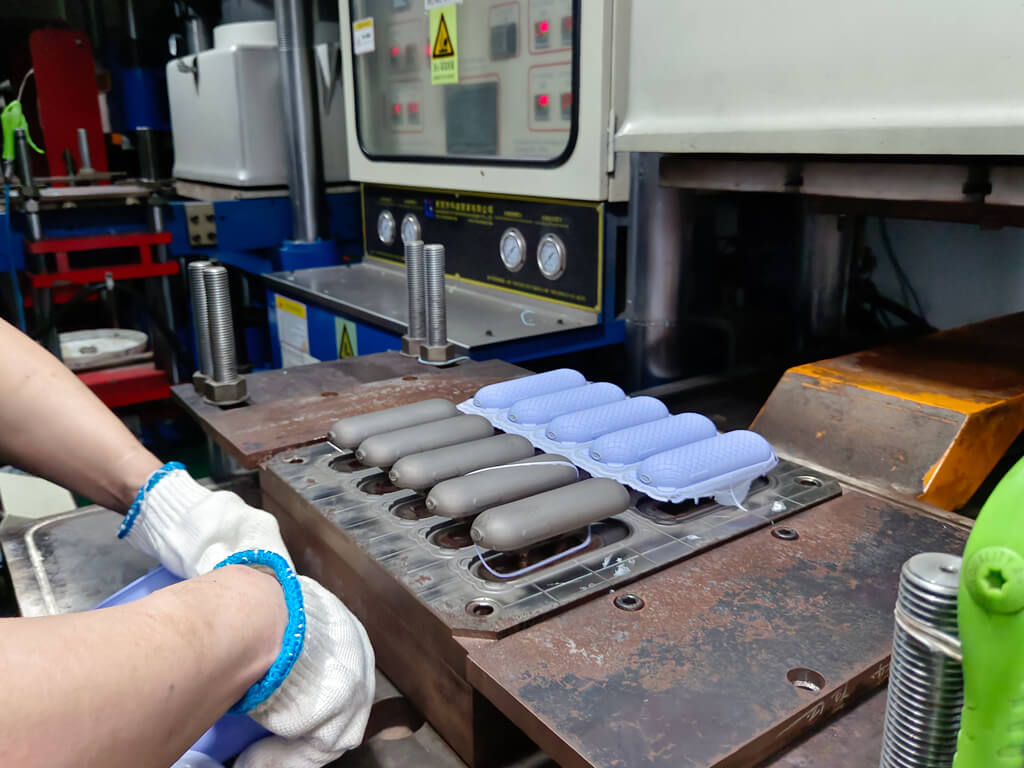
Wuxi Lead Precision Machinery delivers mission-critical metal tooling for high-integrity silicone molding applications. Our expertise centers on producing hardened steel molds—primarily P20, H13, and S136—that withstand rigorous production cycles while maintaining micron-level dimensional stability. Unlike generic fabricators, we engineer molds specifically for silicone’s unique flow characteristics and thermal behavior, ensuring consistent part replication across thousands of shots. This capability is foundational for medical, aerospace, and consumer electronics clients where material biocompatibility and geometric precision are non-negotiable.
Our 5-axis CNC machining platform forms the core of this precision. Utilizing DMG MORI and MAZAK systems with sub-micron linear encoders, we machine complex mold cavities, undercuts, and micro-features in a single setup. This eliminates cumulative error from multiple fixturing stages, critical for multi-cavity molds requiring identical geometry. Advanced high-speed machining strategies achieve surface finishes below Ra 0.4 µm on critical sealing surfaces, directly reducing silicone flash and ejection force. Material removal rates for hardened tool steels (up to 52 HRC) are optimized through adaptive toolpath algorithms, cutting lead times by 30% versus conventional 3-axis methods without compromising accuracy.
Quality validation is governed by Zeiss CONTURA CMM systems operating in ISO 17025-certified environmental chambers. Every mold undergoes full geometric dimensioning and tolerance (GD&T) verification against the client’s CAD model, with traceable reports documenting critical features. We prioritize inspection of cavity/core matching, vent depth consistency, and cooling channel alignment—factors directly impacting silicone part warpage and cycle time. This data-driven approach ensures molds arrive production-ready, eliminating costly trial-and-error at the client’s facility.
The following table defines achievable tolerances for finished mold components after EDM and polishing:
| Feature Type | Standard Tolerance | Precision Tolerance | Application Context |
|---|---|---|---|
| Cavity/Core Matching | ±0.015 mm | ±0.005 mm | Critical for zero-flash molding |
| Core Pin Diameter | ±0.010 mm | ±0.003 mm | Ensures consistent wall thickness |
| Parting Line Flatness | 0.02 mm/m | 0.005 mm/m | Prevents silicone leakage |
| Vent Depth | ±0.005 mm | ±0.002 mm | Controls material flow/exhaust |
| Cooling Channel Position | ±0.025 mm | ±0.010 mm | Optimizes thermal uniformity |
These specifications reflect our commitment to enabling clients’ production stability. By integrating 5-axis machining with rigorous CMM validation, we deliver molds that consistently produce silicone parts meeting ISO 2768-mK or tighter standards. This technical foundation reduces scrap rates, extends mold service life, and accelerates time-to-market for your end products. Partner with Wuxi Lead to transform silicone molding from a production variable into a competitive advantage.
Material & Finish Options
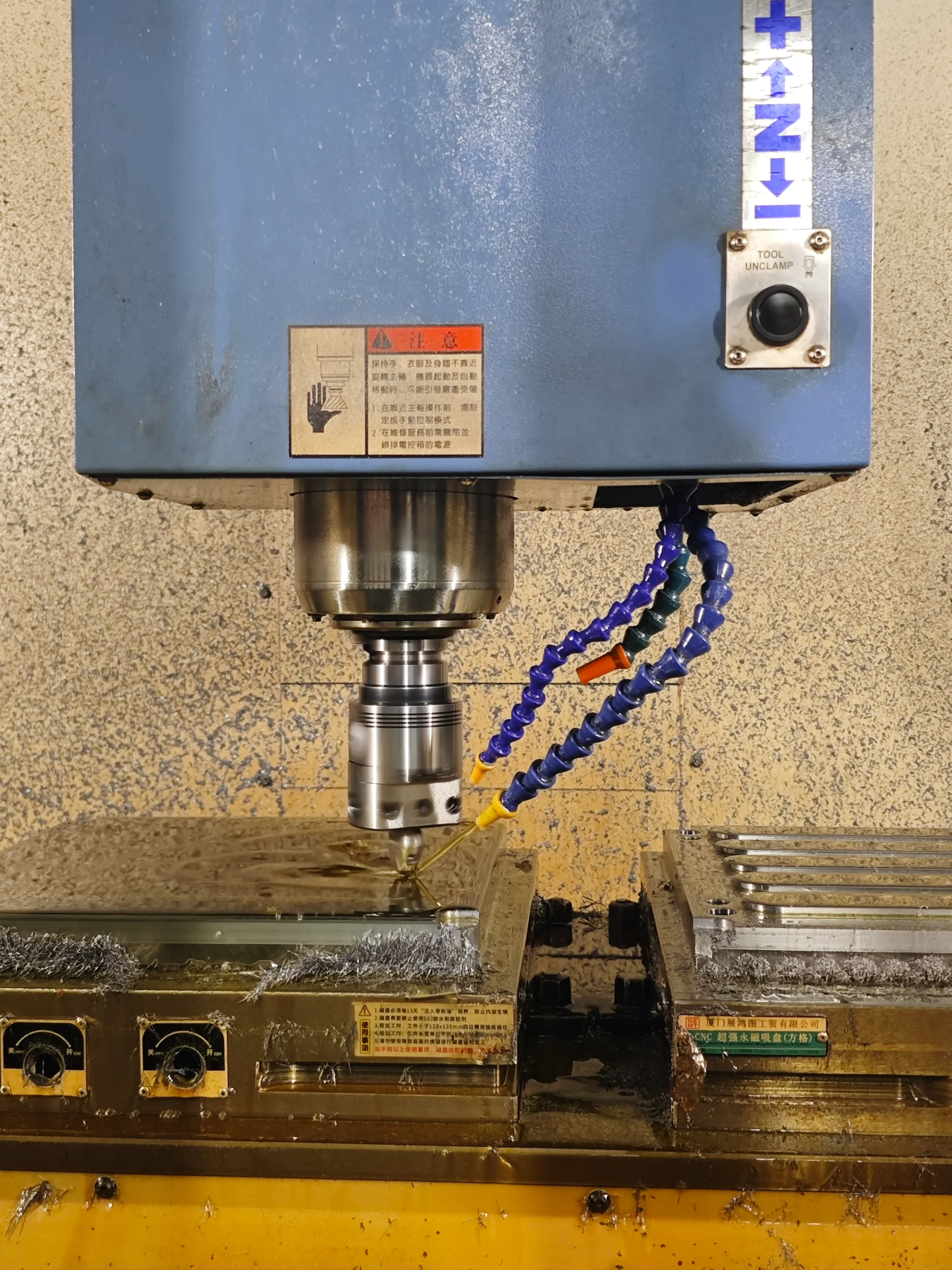
Material selection is a critical phase in the development of high-performance silicone molds, directly influencing production efficiency, part quality, and tooling longevity. At Wuxi Lead Precision Machinery, we specialize in custom metal manufacturing for precision mold applications, leveraging advanced CNC technologies and metallurgical expertise to deliver optimal solutions tailored to your production demands. When selecting a base material for silicone molding tools, three primary metals dominate industrial applications: aluminum, steel, and titanium. Each offers distinct mechanical properties, thermal characteristics, and cost considerations that must align with your operational goals.
Aluminum is widely favored for low-to-medium volume production due to its excellent thermal conductivity and machinability. Its lightweight nature allows for faster cycle times and reduced wear on molding equipment. While not as durable as steel or titanium, high-grade aluminum alloys such as 7075-T6 provide sufficient strength for many silicone molding applications, especially when enhanced with surface treatments like hard anodizing. Anodizing increases surface hardness, improves wear resistance, and provides a non-stick characteristic beneficial in silicone release.
Steel, particularly tool steels like H13 and P20, is the standard for high-volume silicone molding operations. With superior hardness and thermal stability, steel molds withstand repeated thermal cycling and abrasive materials without deformation. These properties make steel ideal for complex geometries and tight-tolerance components where dimensional consistency is paramount. Although steel molds require longer machining times and higher initial investment, their extended service life often results in lower cost-per-part over time.
Titanium, while less common, is gaining traction in specialized applications requiring extreme corrosion resistance and high strength-to-density ratios. Its biocompatibility and inert surface make it suitable for medical-grade silicone molding, where contamination risks must be minimized. However, titanium’s high cost and challenging machinability limit its use to niche, high-value applications.
Surface finish plays a vital role in mold performance. Anodizing, especially Type III (hard coat), is a proven finishing process for aluminum molds. It forms a durable, electrically insulating oxide layer that resists galling and enhances release properties—critical when processing sticky or highly filled silicones.
Below is a comparative overview of key material properties relevant to silicone mold performance.
| Material | Hardness (HRC) | Thermal Conductivity (W/m·K) | Tensile Strength (MPa) | Typical Use Case | Machinability |
|---|---|---|---|---|---|
| Aluminum 7075 | 40–45 | 130 | 570 | Prototyping, low-volume production | Excellent |
| H13 Steel | 48–52 | 35 | 1,600 | High-volume, high-precision molding | Moderate |
| P20 Steel | 28–32 | 30 | 1,100 | Medium-volume production | Good |
| Titanium Ti-6Al-4V | 36–40 | 7 | 900 | Medical, aerospace, corrosive environments | Poor |
At Wuxi Lead Precision Machinery, we support clients in selecting the optimal material and finish based on production volume, part complexity, and environmental conditions. Our engineering team integrates material science with precision manufacturing to deliver molds that ensure repeatability, durability, and performance.
Manufacturing Process & QC
Silicone Mold Production: Precision Engineering for Zero Defects
Achieving zero defects in silicone mold manufacturing demands rigorous process control from initial concept through high-volume output. At Wuxi Lead Precision Machinery, our integrated workflow ensures dimensional accuracy, material integrity, and functional reliability critical for aerospace, medical, and automotive applications. Defects in silicone tooling propagate directly into final metal components, making flawless mold production non-negotiable for mission-critical parts.
The design phase begins with comprehensive digital analysis using CAD/CAM suites and finite element modeling. Engineers validate mold geometry against part functionality, material flow dynamics, and thermal management requirements. Critical considerations include parting line placement, venting strategy, and ejector pin configuration to prevent air traps or flash. Material compatibility between the silicone compound and the intended metal casting or forming process is rigorously assessed. Thermal expansion coefficients, Shore hardness requirements, and chemical resistance specifications are locked in before prototyping commences. This phase eliminates 90% of potential failure modes through virtual simulation.
Prototyping transforms validated designs into physical test articles using CNC-machined master patterns and controlled vulcanization processes. Wuxi Lead employs multi-axis machining centers to produce master models within ±0.005mm tolerance, ensuring replication fidelity. Each prototype undergoes metrological verification against CAD data via CMM and optical scanning. Material properties are confirmed through accredited lab testing for tensile strength, elongation, and thermal stability. Client sign-off requires documented evidence of dimensional conformity and performance validation under simulated production conditions.
Mass production implements statistical process control across all stages. Silicone compounds are batch-tracked from certified suppliers, with real-time monitoring of mix ratios, degassing parameters, and cure cycles. Automated molding presses maintain temperature uniformity within ±1.5°C and pressure consistency at ±0.5 bar. Every mold undergoes 100% inline inspection using structured light scanners against nominal CAD data, with deviations triggering immediate process correction. Final acceptance requires validation against the following critical specifications:
| Specification | Critical Parameter | Validation Method | Acceptance Criteria |
|---|---|---|---|
| Hardness (Shore A) | 40 – 70 | ASTM D2240 durometer | ±3 points per batch |
| Operating Temperature | -60°C to +250°C | Thermal cycling test | No degradation after 50 cycles |
| Dimensional Tolerance | ±0.05mm (typical) | CMM / Optical scan | Per ISO 2768-mK |
| Surface Finish (Ra) | 0.8 – 3.2 µm | Profilometer | Within specified range |
| Cycle Life | 1,000+ cycles | Accelerated wear testing | <0.1% dimensional drift |
This closed-loop methodology—combining precision engineering, material science, and real-time analytics—guarantees mold performance consistency. Wuxi Lead’s zero-defect commitment translates directly into client savings through eliminated scrap, reduced downtime, and accelerated time-to-market for high-integrity metal components. Every mold ships with full traceability documentation, certifying compliance with AS9100 and ISO 13485 standards.
Why Choose Wuxi Lead Precision
Partner with Lead Precision for Advanced Silicone Mold Material Solutions in Custom Metal Manufacturing
In the high-stakes world of precision metal manufacturing, material compatibility, thermal stability, and production repeatability are non-negotiable. At Wuxi Lead Precision Machinery, we recognize that silicone mold materials play a pivotal role in processes such as die casting, low-pressure molding, and rapid prototyping—where dimensional accuracy and surface finish define product success. Our engineering expertise bridges the gap between advanced silicone elastomers and high-tolerance metal components, delivering integrated solutions that elevate your manufacturing performance.
Silicone mold materials demand exceptional heat resistance, flexibility, and chemical inertness—especially when interfacing with molten metals or forming intricate geometries. We specialize in custom tooling systems designed to work seamlessly with premium-grade silicone compounds, including platinum-cured and addition-cure silicones known for their longevity and precision. Our in-house R&D team collaborates with material scientists and foundry engineers to validate mold-material interactions, ensuring optimal cycle times, reduced degradation, and consistent output across thousands of production cycles.
What sets Lead Precision apart is our systems-level approach. We don’t just supply components—we engineer synergies between your silicone mold media and metal fabrication workflow. Whether you’re producing automotive sensors, medical enclosures, or aerospace housings, our custom molds are built to withstand continuous thermal cycling while maintaining micron-level tolerances. We utilize CNC-machined aluminum and stainless steel mold bases with precise venting and temperature control channels, maximizing the performance envelope of the silicone liner.
Below are key technical specifications that define our silicone-compatible mold systems:
| Parameter | Specification |
|---|---|
| Mold Base Materials | 7075 Aluminum, 316 Stainless Steel, H13 Tool Steel |
| Compatible Silicone Types | Platinum-cure, Addition-cure, High-temp grades (up to 250°C) |
| Tolerance Range | ±0.01 mm to ±0.05 mm depending on geometry |
| Surface Finish (Cavity) | Ra ≤ 0.4 µm (polished), customizable textures |
| Thermal Regulation | Integrated cooling channels, PID-controlled zones |
| Expected Mold Life | 10,000 – 50,000 cycles (silicone dependent) |
| CAD/CAM Integration | Full 3D modeling with mold flow simulation |
Our commitment extends beyond the initial design. We offer lifecycle support, mold maintenance protocols, and material performance audits to ensure long-term reliability. By partnering with Wuxi Lead Precision Machinery, you gain access to a trusted manufacturer with ISO 9001-certified processes, state-of-the-art 5-axis machining centers, and a responsive engineering team fluent in global technical standards.
For unmatched synergy between silicone mold materials and precision metal manufacturing, contact us today. Send your project specifications to [email protected] and discover how Lead Precision delivers engineered excellence—on time, to spec, and built for performance.
⚙️ Precision Cost Estimator
Estimate relative manufacturing effort based on tolerance.