

Technical Contents
Engineering Guide: Silicone Injection Molding Machine
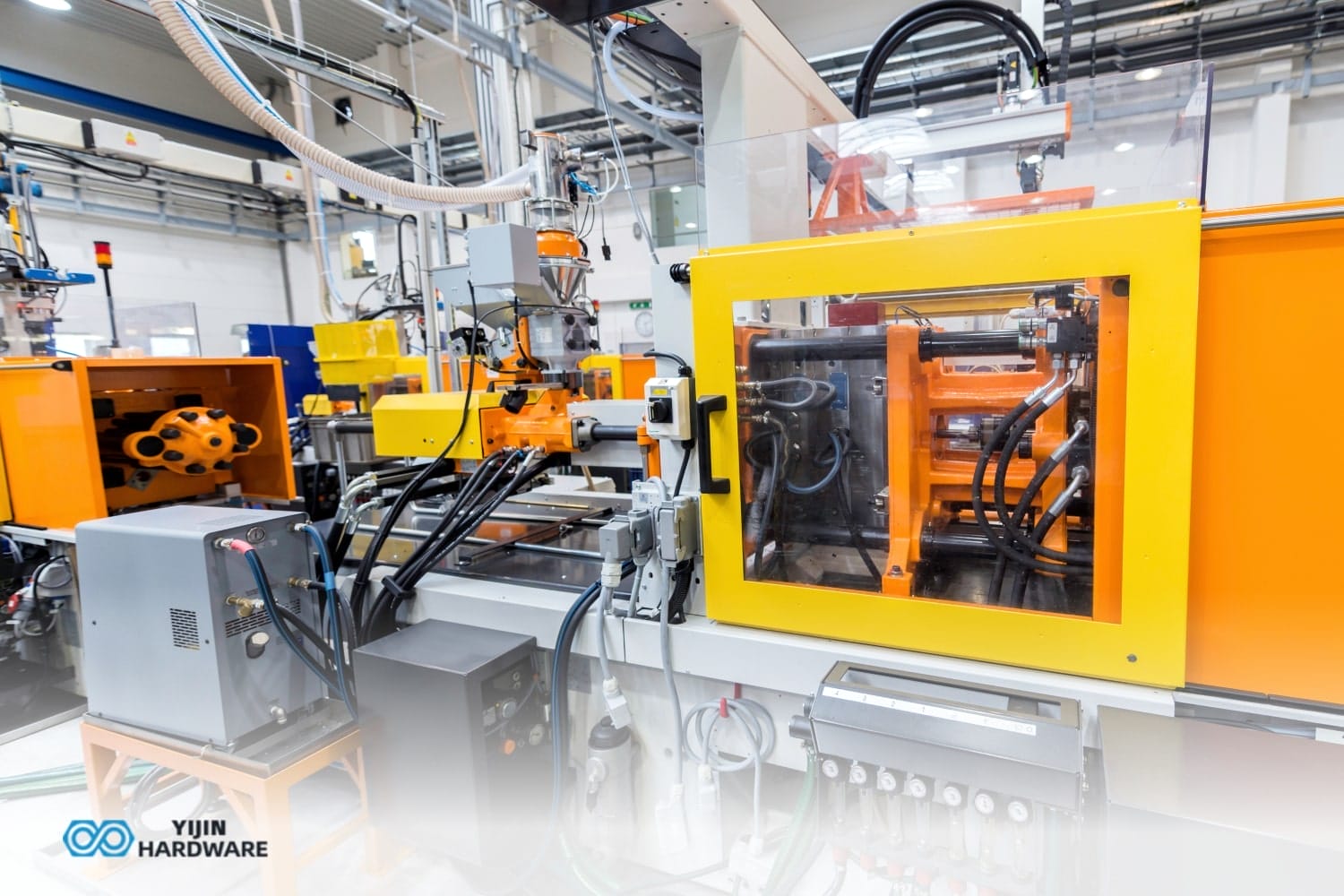
Engineering Insight Precision in Silicone Injection Molding
Precision engineering is non-negotiable in high-performance silicone injection molding. Unlike thermoplastics, liquid silicone rubber (LSR) exhibits unique flow characteristics and cure kinetics, demanding micron-level control across the entire process. Minute variations in clamping force, injection speed, or temperature distribution directly impact part integrity, dimensional stability, and functional performance. In critical applications like medical implants, aerospace seals, or automotive sensors, even sub-0.05mm deviations can lead to catastrophic seal failure, biocompatibility issues, or assembly rejection. Achieving consistent cavity fill without flash, while ensuring complete vulcanization without scorching, requires a machine platform engineered for absolute repeatability under sustained production cycles. This level of control transcends basic machine function; it is the foundation of yield, regulatory compliance, and end-product reliability.
The inherent challenges of LSR processing amplify the need for precision. Material viscosity shifts significantly with temperature, and precise metering of dual-component systems is essential for correct cross-linking. Uneven thermal management causes premature curing in hot spots or incomplete vulcanization in cold zones, compromising mechanical properties. High clamping forces must be applied with exactitude to prevent mold deflection under pressure, which distorts critical geometries. Wuxi Lead Precision Machinery addresses these demands through integrated systems honed in mission-critical environments. Our engineering heritage, proven in supplying components for Olympic timing systems requiring vibration tolerance below 0.001g and military-grade electronic housings meeting MIL-STD-810H shock specifications, directly informs our machine design philosophy. We translate this uncompromising approach to silicone molding, ensuring every axis movement, pressure transducer reading, and thermal zone operates within certified tolerances cycle after cycle.
This precision capability is embedded in our core machine architecture. Below are key performance parameters demonstrating our engineering commitment:
| Parameter | Industry Standard Tolerance | Lead Precision Capability | Impact on Production |
|---|---|---|---|
| Clamping Force Accuracy | ±2.0% | ±0.5% | Eliminates mold deflection, ensures zero flash |
| Nozzle Temperature Control | ±1.5°C | ±0.3°C | Prevents material scorch, ensures consistent cure |
| Injection Repeatability | ±0.8% | ±0.15% | Guarantees uniform part weight and density |
| Screw Position Accuracy | ±0.10mm | ±0.01mm | Critical for micro-features and thin walls |
For manufacturers serving regulated or high-reliability sectors, precision is the ultimate cost-saver. It minimizes scrap, reduces costly secondary operations, and accelerates time-to-market by ensuring first-article approval. Wuxi Lead Precision Machinery delivers not just machinery, but validated process stability. Our systems are engineered to transform the theoretical tolerances specified in your CAD model into physical reality, batch after batch, leveraging decades of experience where failure is not an option. This is the precision demanded by tomorrow’s advanced silicone applications—and delivered by Lead Precision today.
Precision Specs & Tolerances
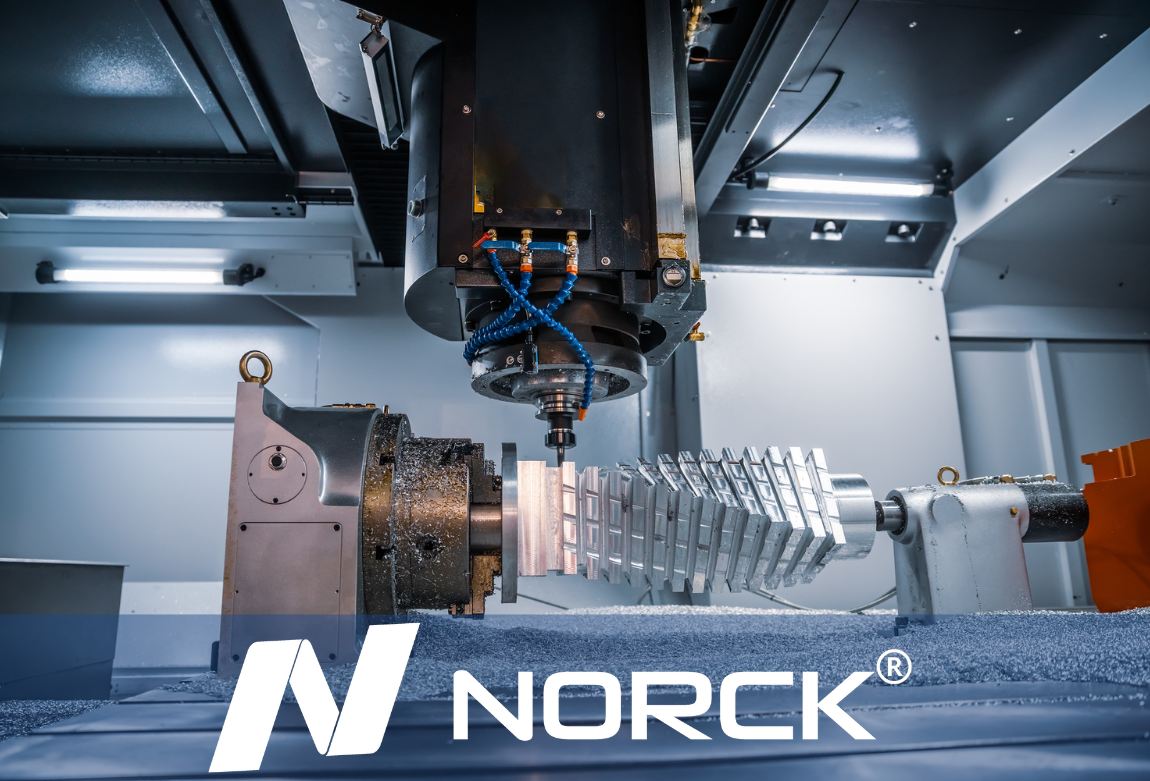
Wuxi Lead Precision Machinery delivers advanced technical capabilities in custom metal manufacturing, engineered to support high-precision industries such as aerospace, medical devices, and high-performance automotive systems. At the core of our production infrastructure is a suite of 5-axis CNC machining centers, which enable complex geometries and tight-tolerance components to be produced with exceptional repeatability and surface finish. These multi-axis systems allow simultaneous movement across five planes, eliminating the need for multiple setups and significantly reducing cumulative error. This capability is critical when manufacturing intricate molds and tooling for silicone injection molding machines, where precision directly impacts final part performance and production efficiency.
Our machining processes are supported by a rigorous quality control framework centered on CMM (Coordinate Measuring Machine) inspection. Every component undergoes comprehensive dimensional verification using state-of-the-art蔡司 (Zeiss) and Hexagon CMM systems, ensuring compliance with ISO 10360 standards. Data-driven inspection reports are generated for full traceability, enabling seamless integration into client audit and quality assurance protocols. This closed-loop quality process ensures that every machined part not only meets but exceeds the demanding requirements of high-reliability applications.
All manufacturing operations are conducted in a climate-controlled environment to minimize thermal variation, further enhancing dimensional stability. Our skilled engineers utilize advanced CAM software to optimize toolpaths, reduce cycle times, and maintain consistent surface integrity—particularly important when producing mold cores, cavities, and plunger systems used in high-pressure silicone injection environments. Materials commonly processed include tool steels (such as H13 and S136), stainless steels, aluminum alloys, and specialty alloys, all selected and treated to withstand prolonged operational stress and corrosive media.
The following table outlines the standard technical specifications and achievable tolerances across our 5-axis CNC machining and inspection processes:
| Parameter | Specification |
|---|---|
| Positioning Accuracy (X, Y, Z) | ±0.005 mm |
| Repeatability | ±0.002 mm |
| Surface Roughness (Ra) | As low as 0.2 µm (polished finishes available) |
| Maximum Work Envelope | 1,200 × 800 × 750 mm |
| Spindle Speed | Up to 24,000 rpm |
| Tool-to-Part Orientation | Full 5-axis simultaneous machining |
| CMM Measurement Uncertainty | ±1.5 + L/300 µm (L in mm) |
| Standard Tolerance (Machined) | ±0.01 mm (can achieve ±0.005 mm on request) |
| Angular Tolerance | ±0.02° |
| Material Compatibility | Steel, Stainless Steel, Aluminum, Brass, Alloys |
These capabilities position Wuxi Lead Precision Machinery as a trusted partner in the development of mission-critical components for silicone injection molding systems, where precision, durability, and consistency are non-negotiable.
Material & Finish Options
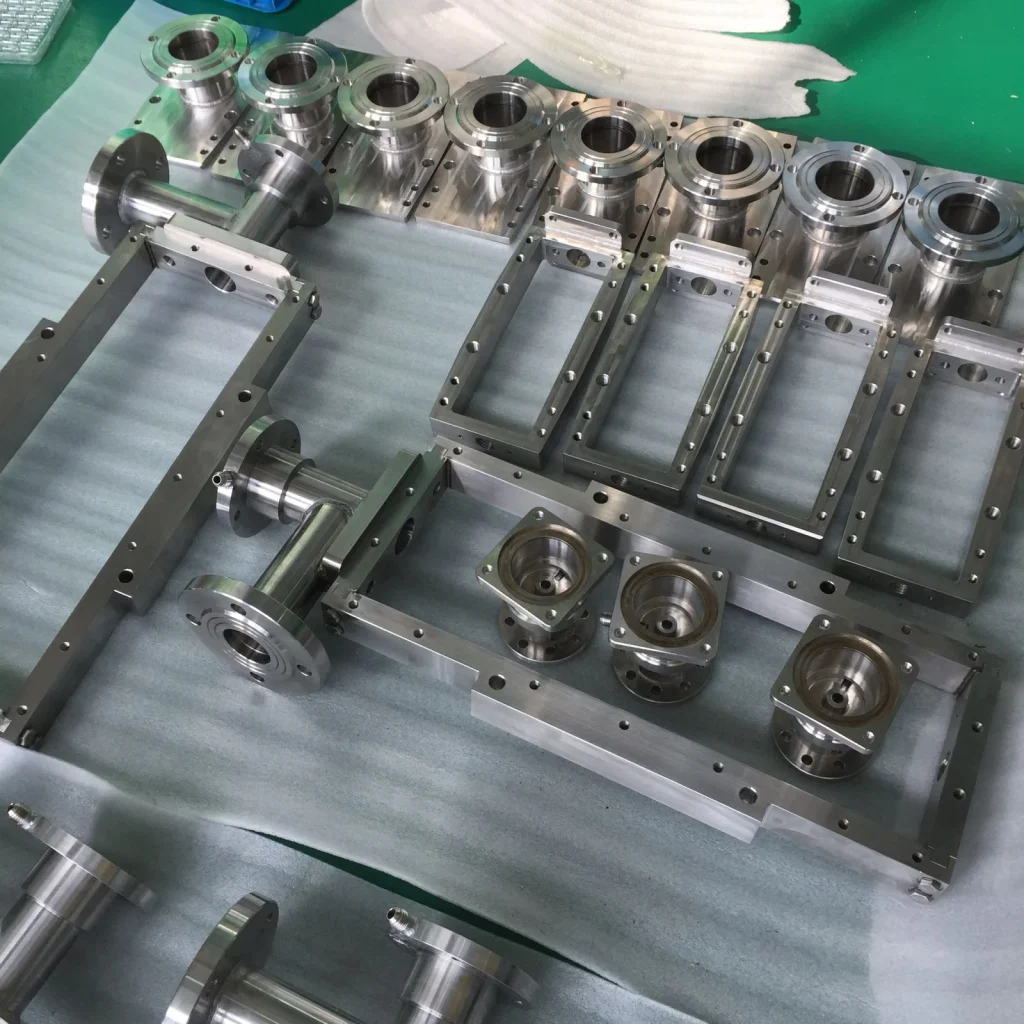
Material Selection for Silicone Injection Molding Machine Components
Selecting the optimal material for silicone injection molding machine components is critical for performance longevity and cost efficiency. Silicone processing demands exceptional thermal management mechanical stability and resistance to chemical degradation. At Wuxi Lead Precision Machinery our engineering team prioritizes materials that withstand high clamping forces cyclic thermal loads and exposure to silicone compounds without compromising dimensional accuracy. Aluminum steel and titanium each offer distinct advantages depending on the component’s functional requirements within the machine architecture.
Aluminum alloys notably 6061-T6 excel in thermal conductivity making them ideal for mold bases and platen surfaces requiring rapid heat dissipation. However their lower tensile strength necessitates careful design for high-stress areas. Steel particularly hardened grades like 4140 provides superior strength and wear resistance for structural frames tie bars and ejector systems but suffers from poor thermal conductivity requiring integrated cooling solutions. Titanium Grade 5 offers a premium balance of high strength-to-weight ratio exceptional corrosion resistance and moderate thermal performance suitable for critical wear components in aggressive chemical environments though its cost is significantly higher.
The following table summarizes key material properties for informed selection:
| Material | Thermal Conductivity (W/m·K) | Tensile Strength (MPa) | Corrosion Resistance | Typical Applications |
|---|---|---|---|---|
| Aluminum 6061 | 167 | 310 | Moderate | Mold bases platens non-stress frames |
| Steel 4140 | 48 | 655 | Low (requires coating) | Structural frames tie bars clamping units |
| Titanium Gr5 | 22 | 900 | Excellent | Corrosion-prone wear parts nozzles |
Surface finishing is equally vital especially for aluminum components exposed to molten silicone. Anodizing creates a hardened ceramic oxide layer that prevents silicone adhesion reduces galling and enhances wear resistance. Standard sulfuric acid anodizing (Type II) provides adequate protection for general use while hard anodizing (Type III) delivers superior thickness hardness (500+ HV) and chemical resistance for high-wear zones like runner systems and cavity inserts. This finish directly impacts maintenance intervals and part quality by minimizing residue buildup and surface degradation during extended production runs.
Wuxi Lead Precision Machinery tailors material and finish specifications to your operational parameters. For high-volume medical or optical silicone molding we recommend aluminum components with hard anodizing for thermal efficiency and release properties. For heavy industrial applications demanding maximum rigidity steel with precision-ground surfaces remains optimal. Titanium is reserved for niche applications where corrosion from specialty silicones justifies its investment. Always consult our engineering team to balance performance requirements with lifecycle cost analysis ensuring your machine delivers consistent output over 10000+ cycles.
Manufacturing Process & QC
Silicone Injection Molding: From Design to Zero-Defect Mass Production
At Wuxi Lead Precision Machinery, the silicone injection molding process is engineered for precision, consistency, and zero-defect output. Our approach integrates advanced design validation, rigorous prototyping, and tightly controlled mass production cycles, ensuring every component meets the highest standards of dimensional accuracy and material integrity. This end-to-end methodology is critical for industries such as medical devices, automotive sealing systems, and high-reliability electronics, where failure is not an option.
The process begins with design optimization, where our engineering team collaborates with clients to analyze part geometry, material selection, and mold flow dynamics. Using 3D CAD modeling and finite element analysis (FEA), we identify potential stress points, gate locations, and cooling requirements. This stage ensures that the design is not only manufacturable but also optimized for long-term performance under real-world conditions. Our engineers apply decades of experience in silicone behavior—accounting for shrinkage, compression set, and thermal stability—to refine the digital model before any physical tooling begins.
Next, prototyping is conducted using high-precision aluminum or soft steel molds, allowing rapid iteration with minimal lead time. These prototype molds are run on production-grade silicone injection machines under actual process parameters. Each prototype part undergoes dimensional inspection via CMM (Coordinate Measuring Machine), visual defect screening, and functional testing. Feedback from this phase informs final adjustments to the mold design, gating system, and cycle parameters. This iterative validation ensures that the final tool will produce parts within ±0.05 mm tolerance and meet all mechanical and chemical resistance requirements.
Once design approval is achieved, we transition to mass production using hardened steel molds built for longevity and consistency. Our fully automated silicone injection molding machines operate under strict environmental controls, with real-time monitoring of temperature, pressure, and cure time. Every production batch is subjected to in-process quality checks, including automated optical inspection (AOI) and periodic destructive testing. Statistical process control (SPC) data is logged and analyzed to detect trends before deviations occur, enabling proactive correction and maintaining a Six Sigma-level defect rate.
Wuxi Lead Precision Machinery’s commitment to zero defects is reinforced by full traceability—from raw material lot tracking to mold cavity identification. This closed-loop manufacturing system ensures every component is repeatable, verifiable, and compliant with ISO 13485 and IATF 16949 standards.
Key Machine Specifications for Silicone Injection Molding
| Parameter | Specification |
|---|---|
| Clamping Force Range | 50 to 1500 Tons |
| Injection Unit Type | Horizontal, Screw-Plunger Design |
| Shot Size Range | 50 to 3000 cm³ |
| Temperature Control Accuracy | ±1°C |
| Mold Temperature Range | 120°C to 220°C (adjustable by zone) |
| Cycle Time (Typical) | 30 to 90 seconds (depends on part complexity) |
| Automation Integration | Full robotic demolding and inline inspection |
| Control System | Siemens S7-1500 with HMI and data logging |
| Compliance Standards | CE, ISO 9001, ISO 13485, IATF 16949 |
This systematic progression from design to full-scale production ensures that every silicone component we manufacture delivers uncompromised quality, performance, and reliability—defect-free, every time.
Why Choose Wuxi Lead Precision
Elevate Your Silicone Manufacturing with Engineering Excellence
Selecting a silicone injection molding machine partner demands more than equipment procurement—it requires aligning with an engineering authority committed to your operational success. At Wuxi Lead Precision Machinery, we engineer solutions for mission-critical applications where material integrity, repeatability, and thermal stability are non-negotiable. Our CNC heritage in custom metal manufacturing translates directly into machines built for micron-level precision, ensuring your silicone components meet aerospace, medical, and automotive standards without compromise. We understand that downtime costs more than capital expenditure, which is why every system we deliver integrates predictive maintenance protocols and real-time process analytics.
Our machines are not assembled; they are precision-calibrated systems. The foundation lies in monobloc frames machined from single-block alloy steel, eliminating deflection under 300-ton clamping forces. Hydraulic systems feature servo-driven pumps with 0.5% flow variance tolerance, while barrel temperature zones maintain ±0.3°C stability—critical for sensitive liquid silicone rubber (LSR) formulations. Unlike modular competitors, we control the entire value chain: from hardened tool steel cavity plates to proprietary screw geometries optimized for low-shear LSR processing. This vertical integration guarantees traceability from raw material to final assembly, with all critical components tested beyond ISO 2768-mK tolerances.
Technical Specifications for Lead Precision LSR Series
| Parameter | Specification | Industry Benchmark |
|————————–|———————————–|——————–|
| Clamping Force Range | 80–1,200 tons | 50–1,000 tons |
| Max. Shot Size | 3,200 cm³ (LSR) | 2,500 cm³ |
| Control System | Siemens SIMOTION D with 0.1ms I/O | Standard PLC |
| Material Compatibility | Platinum-cure LSR, HTV, Fluorosilicone | LSR only |
| Cycle Time Precision | ±0.02 seconds repeatability | ±0.05 seconds |
This engineering rigor extends to your production floor. Our team conducts on-site validation using laser alignment tools and rheological testing to certify machine performance against your specific polymer formulation. We provide not just documentation, but actionable process windows validated through Design of Experiments (DOE)—reducing your qualification time by up to 40%. When unexpected material viscosity shifts occur, our remote diagnostics platform identifies root causes within minutes, not days.
Partnering with Lead Precision means gaining an extension of your engineering department. We collaborate from concept validation through full-scale production, offering mold flow analysis support and DOE-driven parameter optimization. Our clients achieve 99.2% first-pass yield rates on complex geometries like multi-cavity medical seals and automotive gaskets—proving that precision in metal manufacturing directly enables silicone excellence.
Initiate a technical consultation today to receive a machine specification dossier tailored to your component’s thermal and mechanical requirements. Contact our engineering team directly at [email protected] to schedule a virtual factory audit or request validation data for your specific application. Let us demonstrate how CNC-grade metal precision transforms silicone molding outcomes. Your next-generation production starts with an engineered partnership.
⚙️ Precision Cost Estimator
Estimate relative manufacturing effort based on tolerance.