

Technical Contents
Engineering Guide: Silicone For Mould Making
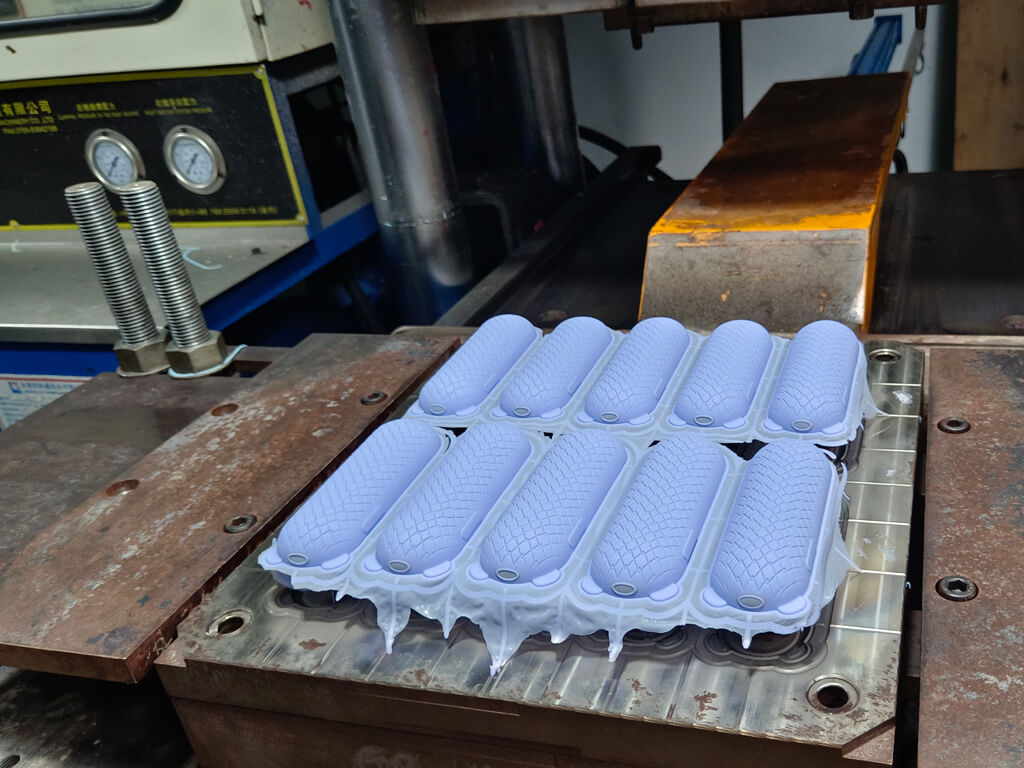
Engineering Insight: Silicone for Mould Making – The Role of Precision in High-End Manufacturing
In the realm of custom metal manufacturing, the fidelity of replication is only as accurate as the mould that defines it. Silicone, as a material for mould making, plays a pivotal role in capturing intricate geometries, fine surface textures, and complex undercuts—especially in prototyping, low-volume production, and investment casting processes. However, the success of a silicone mould is not solely dependent on the material’s inherent flexibility or chemical resistance; it hinges on the precision with which it is designed, fabricated, and applied within a controlled manufacturing environment.
At Wuxi Lead Precision Machinery, we recognize that high-performance silicone moulds are not created in isolation. They are the result of a tightly integrated process chain where dimensional accuracy, thermal stability, and material consistency converge. Our engineering team applies decades of experience in precision metal forming and CNC machining to ensure that every master pattern used for silicone mould creation meets exacting tolerances—often within ±0.02 mm. This level of accuracy directly translates into silicone moulds that reproduce features with minimal deviation, enabling downstream metal castings or composite parts to meet aerospace, medical, and defense-grade specifications.
Silicone’s ability to withstand repeated demoulding cycles without degradation makes it ideal for iterative production. Yet, without precise control over mixing ratios, degassing procedures, and curing temperatures, even the highest-grade silicone can introduce distortions or voids. At Lead Precision, we employ calibrated dispensing systems and vacuum chambers to eliminate air entrapment, ensuring homogeneity and dimensional integrity. Our process is further validated through coordinate measuring machine (CMM) inspections of both master patterns and final mould outputs.
Our expertise extends beyond commercial applications. Having delivered components for Olympic-standard equipment and military-grade systems, we understand the non-negotiable nature of reliability under extreme conditions. These projects demand not only precision but traceability, repeatability, and compliance with international quality standards—principles that are embedded in every silicone moulding operation we support.
The following table outlines key specifications and performance parameters relevant to industrial-grade silicone mould making as practiced at Wuxi Lead Precision Machinery:
| Parameter | Typical Value / Range | Application Impact |
|---|---|---|
| Tolerance Control | ±0.02 mm to ±0.05 mm | Ensures dimensional accuracy of final cast parts |
| Shore Hardness Range | 20A to 50A | Balances flexibility and detail retention |
| Thermal Resistance | Up to 200°C (short term) | Suitable for exothermic resin curing processes |
| Elongation at Break | 300% – 600% | Allows demoulding of complex undercuts |
| Curing Time (Room Temp) | 4–24 hours | Adjustable based on production timeline |
| Vacuum Degassing | < 1 mbar | Eliminates bubbles, improves surface finish |
| Master Pattern Material | CNC-machined aluminum, steel, or resin | Provides stable, dimensionally accurate base |
Precision in silicone mould making is not an incremental advantage—it is a foundational requirement for high-integrity manufacturing. At Wuxi Lead Precision Machinery, we combine advanced metrology, process discipline, and real-world engineering experience to deliver mould solutions that meet the most demanding industrial challenges.
Precision Specs & Tolerances
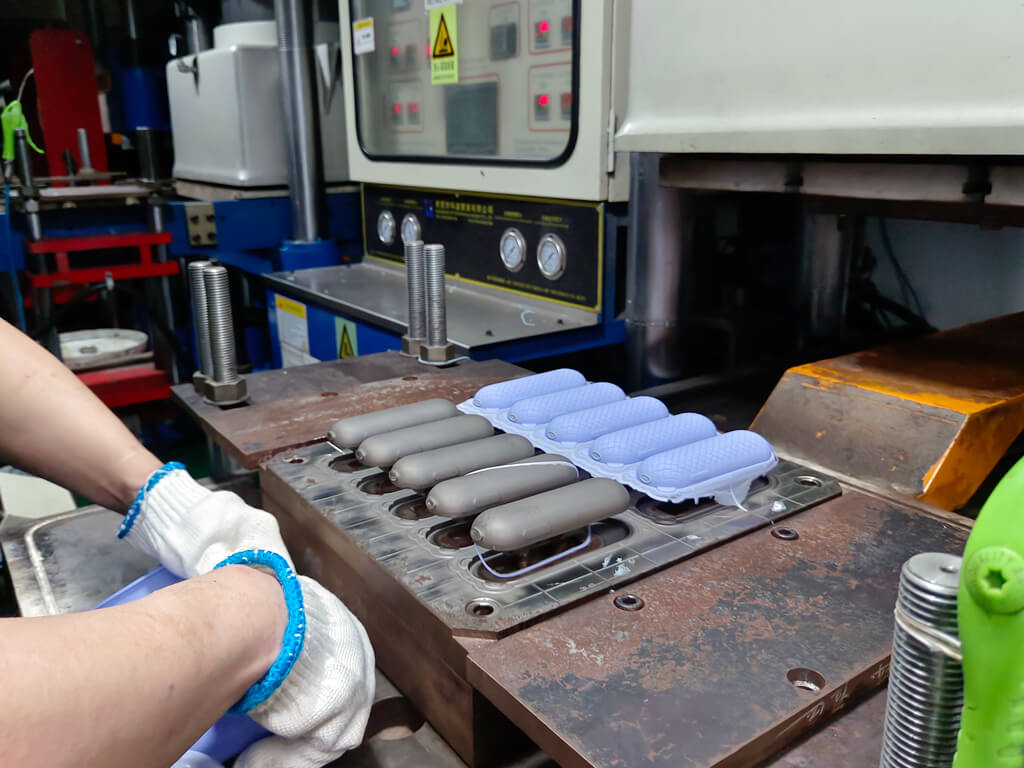
Precision Engineering for Silicone Mould Excellence
Wuxi Lead Precision Machinery delivers the foundational precision required for high-performance silicone moulds. Our technical capabilities are engineered specifically to address the demanding requirements of silicone rubber processing, where minute deviations directly impact part quality, cycle time, and mould longevity. Superior surface finish minimizes adhesion and eases part release, while exact dimensional replication ensures consistent final product specifications and eliminates costly flash. We understand that your silicone mould is not merely a tool; it is the critical determinant of your end-product’s viability and profitability. Our integrated manufacturing and quality assurance processes are designed to eliminate variables, providing the stability and repeatability essential for successful silicone production runs.
Our core manufacturing capability centers on advanced 5-axis CNC machining. Utilizing state-of-the-art DMG MORI and Makino platforms, we achieve complex geometries and seamless contours impossible with lesser equipment. Simultaneous 5-axis movement allows complete part machining in a single setup, drastically reducing cumulative error and ensuring perfect feature alignment critical for multi-cavity or intricate core/cavity designs. High-precision spindles with thermal compensation maintain dimensional stability throughout extended operations, while rigid machine structures dampen vibration for superior surface integrity. This capability is fundamental for producing mould bases, cavities, cores, and intricate inserts with the exacting detail silicone moulding demands, directly contributing to reduced polishing time and extended tool life.
Quality control is non-negotiable and embedded at every stage. All critical dimensions undergo rigorous verification using Zeiss CONTURA and GLOBAL S8 Coordinate Measuring Machines (CMM). Our CMM inspection protocols follow ISO 10360 standards, with equipment calibrated annually to NIST-traceable standards. Full 3D scanning capability allows comprehensive comparison against the original CAD model, identifying even subtle deviations before the mould leaves our facility. This meticulous inspection ensures not only that individual components meet specification but also that core and cavity pairs align perfectly, a prerequisite for clean part separation and zero flash in silicone production. Statistical process control data is available upon request, providing transparency into our manufacturing consistency.
The following table details our standard and critical feature machining capabilities relevant to high-integrity silicone mould construction:
| Parameter | Standard Capability | Critical Feature Capability |
|---|---|---|
| Linear Dimension | ±0.010 mm | ±0.005 mm |
| Angular Tolerance | ±0.005° | ±0.002° |
| Surface Roughness (Ra) | 0.8 µm | 0.4 µm |
| Cavity/Core Matching | ±0.015 mm | ±0.008 mm |
This level of precision engineering translates directly to your operational success. Moulds produced to these tolerances exhibit significantly longer service life, reduced maintenance downtime, and consistent production of defect-free silicone parts. Partner with Wuxi Lead Precision Machinery to transform your silicone mould specifications into reality, leveraging our technical expertise to achieve manufacturing excellence and a decisive competitive advantage in your market. We deliver not just components, but the certainty of performance.
Material & Finish Options
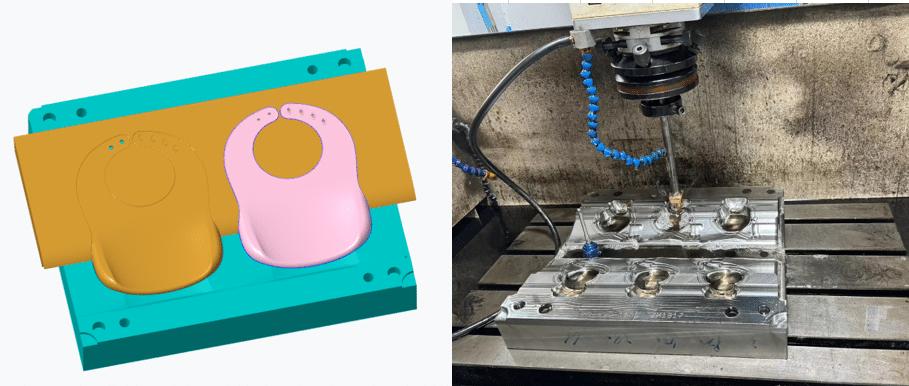
Material Selection for Silicone Mould Making in Precision Metal Manufacturing
Selecting the appropriate base material for silicone mould making is critical in high-precision metal manufacturing. At Wuxi Lead Precision Machinery, we understand that the performance, longevity, and accuracy of a mould are directly influenced by the choice of material. The most commonly used metals in this application are aluminum, steel, and titanium, each offering distinct advantages depending on production volume, part complexity, and environmental conditions.
Aluminum is the preferred choice for prototyping and low-to-medium volume production due to its excellent machinability, lightweight nature, and good thermal conductivity. It allows for faster cycle times in silicone casting processes and is cost-effective for initial tooling. However, aluminum has lower wear resistance compared to steel and titanium, making it less suitable for extended production runs.
Steel, particularly tool steel grades such as P20 or H13, offers superior durability and dimensional stability. It is ideal for high-volume manufacturing where moulds must withstand repeated use without deformation. While steel is more difficult and time-consuming to machine, its hardness and resistance to abrasion ensure long service life, especially when producing complex geometries or abrasive-filled silicones.
Titanium is used in specialized, high-performance applications where extreme corrosion resistance and strength-to-density ratio are required. Though significantly more expensive and challenging to machine, titanium excels in environments involving aggressive chemicals or elevated temperatures. Its biocompatibility also makes it suitable for medical-grade silicone moulding applications.
Surface finish plays a pivotal role in demoulding efficiency and final part quality. Anodizing is a widely adopted post-processing technique, particularly for aluminum moulds. This electrochemical process enhances surface hardness, improves wear resistance, and provides a non-conductive, corrosion-resistant layer. Type II (sulfuric acid) anodizing is commonly applied for general-purpose moulds, while Type III (hardcoat anodizing) is recommended for high-wear scenarios.
Other finishes such as polishing, bead blasting, or PVD coatings may also be employed depending on aesthetic or functional requirements. The selection of finish must align with the silicone compound being used, as surface energy and texture directly influence release characteristics and surface replication fidelity.
Below is a comparative overview of key material properties relevant to silicone mould making.
| Material | Tensile Strength (MPa) | Hardness (HB) | Thermal Conductivity (W/m·K) | Machinability Rating | Typical Applications |
|---|---|---|---|---|---|
| Aluminum (6061) | 310 | 95 | 167 | Excellent | Prototyping, low-volume runs |
| Steel (P20) | 980 | 280 | 28 | Moderate | High-volume production, complex parts |
| Titanium (Grade 5) | 900 | 360 | 6.7 | Poor | Medical, aerospace, corrosive environments |
At Wuxi Lead Precision Machinery, we support clients in selecting the optimal material and finish combination based on production goals, material compatibility, and cost efficiency. Our engineering team ensures every mould is manufactured to exact specifications, delivering precision and reliability in every cycle.
Manufacturing Process & QC
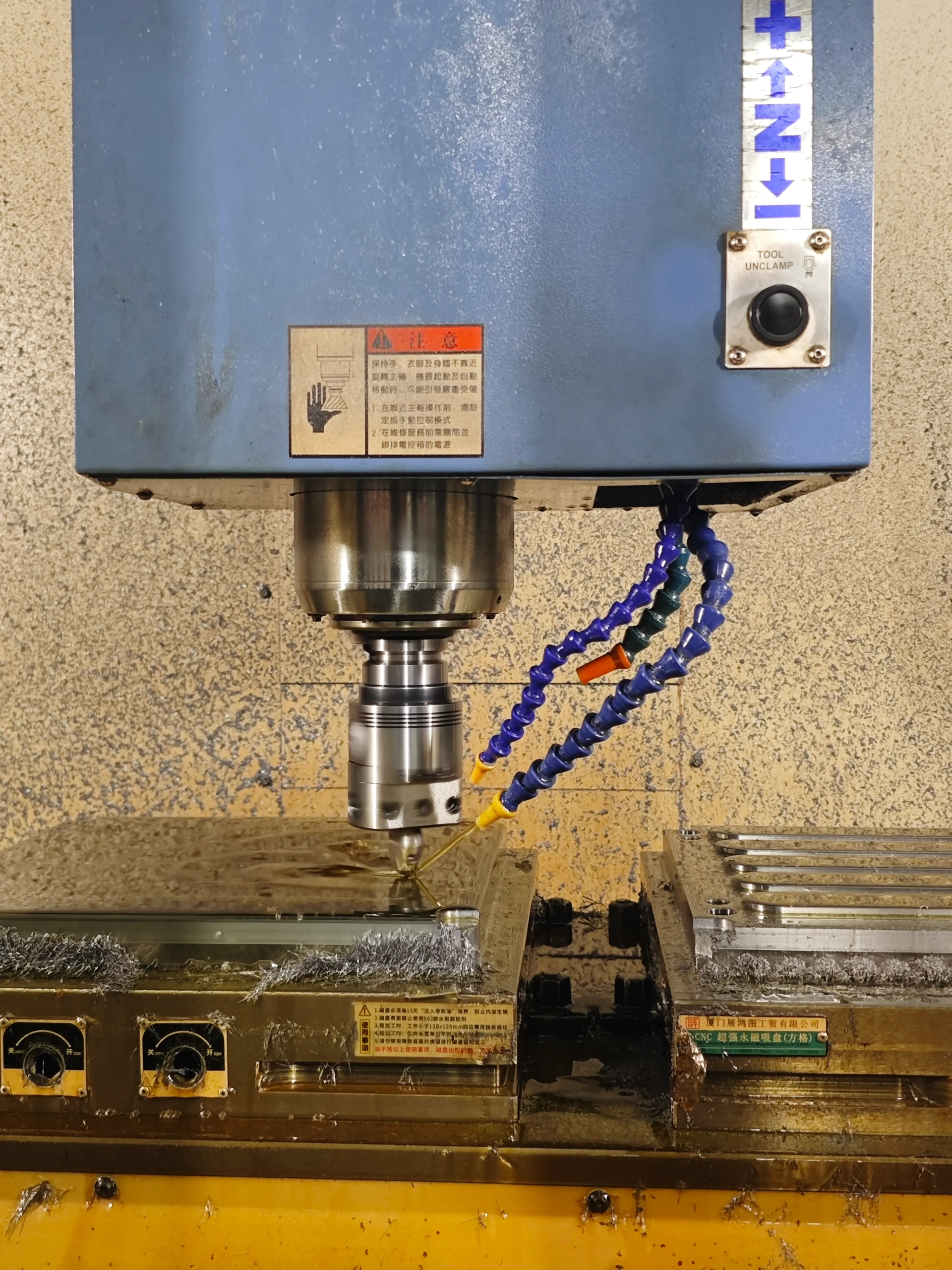
Precision Silicone Mould Production: Design to Zero-Defect Mass Manufacturing
Achieving flawless silicone moulds demands a rigorously controlled production sequence integrating advanced engineering and uncompromising quality protocols. At Wuxi Lead Precision Machinery, our custom metal manufacturing expertise ensures every phase—from initial concept to high-volume output—adheres to the stringent zero-defect mandate required by aerospace, medical, and automotive sectors. This systematic approach eliminates costly iterations and guarantees dimensional stability critical for complex silicone casting.
The process commences with collaborative digital design engineering. Utilizing client specifications and Geometric Dimensioning & Tolerancing (GD&T) standards, our team develops 3D CAD models validated through Finite Element Analysis (FEA) for thermal and structural behavior under silicone curing conditions. Material selection is precisely matched to the silicone compound’s viscosity and cure profile, ensuring optimal release characteristics and thermal conductivity. Critical factors like parting line geometry, venting pathways, and cooling channel placement are optimized virtually to prevent air entrapment and cure inconsistencies, forming the foundational blueprint for defect prevention.
Prototyping transitions the validated design into a physical metrology-grade reference. Employing multi-axis CNC milling with sub-micron precision, we fabricate master patterns and initial mould cavities from aerospace-grade aluminum or tool steel. Each prototype undergoes rigorous in-process inspection via coordinate measuring machines (CMM) and optical comparators against the nominal CAD data. Silicone casting trials verify flow dynamics, surface replication fidelity, and demoulding integrity. Any deviation triggers immediate corrective action within our closed-loop engineering system, refining the digital model before final tool release. This phase is non-negotiable for validating the zero-defect pathway.
Mass production leverages our automated, climate-controlled manufacturing cells. Moulds are fabricated using hardened H13 tool steel with precision-ground cavities and scientifically calculated cooling circuits. Real-time process monitoring tracks injection pressure, temperature gradients, and cure cycles, with parameters locked to prevent drift. Every mould undergoes 100% post-machining inspection against the approved prototype, including surface roughness verification and dimensional certification. Statistical Process Control (SPC) data from initial production runs confirms capability before full-scale release, ensuring consistent output meeting the most demanding client specifications.
The following table details critical process parameters maintained throughout production:
| Parameter | Standard Specification | Wuxi Lead Precision Target | Measurement Method |
|---|---|---|---|
| Dimensional Tolerance | ±0.05 mm | ±0.01 mm | CMM (ISO 10360-2) |
| Surface Roughness (Ra) | 0.8 µm | 0.2 µm | Profilometer (ISO 4287) |
| Cavity Parallelism | 0.03 mm | 0.005 mm | Optical Flat Interferometry |
| Thermal Uniformity | ±5°C | ±1°C | Infrared Thermography |
| Part-to-Part Consistency | Cp ≥ 1.33 | Cp ≥ 2.00 | SPC Charting |
This integrated methodology—where design integrity, prototyping validation, and controlled mass production converge—eliminates the root causes of defects. Wuxi Lead delivers silicone moulds that consistently produce perfect castings, reducing client scrap rates to near zero and accelerating time-to-market for mission-critical components.
Why Choose Wuxi Lead Precision
Partner with Lead Precision for Precision-Engineered Metal Components in Silicone Mould Applications
When it comes to high-performance silicone mould making, the quality of your metal components directly impacts the integrity, durability, and precision of the final product. At Wuxi Lead Precision Machinery, we specialize in custom metal manufacturing tailored to the demanding requirements of silicone mould fabrication. Our engineering expertise ensures that every component we produce—whether mould bases, inserts, ejector systems, or cooling channels—meets exacting tolerances and material specifications critical for optimal mould performance.
Silicone mould making demands more than just dimensional accuracy; it requires materials and finishes that resist thermal cycling, prevent adhesion, and withstand repeated compression without deformation. Our CNC-machined components are engineered to deliver consistent surface finishes, tight geometric tolerances, and superior thermal conductivity—essential for efficient curing cycles and extended tool life. We work with a range of high-grade alloys including hardened tool steels, stainless steels, and aluminum alloys, all processed through our advanced 5-axis milling, wire EDM, and surface grinding capabilities.
What sets Wuxi Lead Precision Machinery apart is our deep integration into the silicone mould lifecycle. We don’t just fabricate parts—we collaborate. From initial design review to material selection and final inspection, our engineering team works alongside your designers and toolmakers to optimize manufacturability, reduce cycle times, and eliminate costly revisions. Our ISO 9001-certified processes ensure repeatable quality, while our rapid prototyping services accelerate time-to-market for new mould designs.
We understand that every industry—from medical devices to automotive seals and consumer electronics—has unique demands on silicone tooling. That’s why our solutions are fully customizable. Whether you require micro-precision features for medical-grade silicone parts or robust, large-format mould bases for industrial gasket production, our team delivers engineered excellence without compromise.
Below are key specifications that define our manufacturing capabilities for silicone mould components:
| Specification | Detail |
|---|---|
| Machining Tolerance | ±0.005 mm |
| Surface Finish | Ra 0.2 – Ra 1.6 µm (custom finishes available) |
| Maximum Work Envelope | 1200 x 800 x 600 mm |
| Materials | P20, 718H, S136, NAK80, 420SS, Aluminum 7075-T6, Brass |
| Machining Processes | 5-axis CNC milling, Wire EDM, Surface & Cylindrical Grinding |
| Secondary Operations | Heat treatment, Nitriding, Mirror polishing, Coating (TiN, DLC) |
| Quality Standards | ISO 9001:2015, Full First Article Inspection Reports (FAIR) |
Partnering with Wuxi Lead Precision Machinery means gaining a manufacturing ally committed to precision, reliability, and technical innovation. We are equipped to support low-volume prototyping and high-volume production with the same level of attention to detail.
For seamless integration into your silicone mould making process, contact us today at [email protected]. Let our engineers help you achieve tighter tolerances, longer tool life, and faster time-to-market with custom metal components built to perform.
⚙️ Precision Cost Estimator
Estimate relative manufacturing effort based on tolerance.