

Technical Contents
Engineering Guide: Sheet Metalwork

Engineering Insight Precision as the Non-Negotiable Foundation of Sheet Metal Fabrication
In high-stakes industrial manufacturing, sheet metalwork transcends basic component production; it becomes the critical enabler of system integrity, performance, and longevity. Precision is not merely a desirable specification—it is the absolute prerequisite for functional reliability. Minute deviations in flatness, hole positioning, or bend angles cascade into catastrophic assembly failures, compromised structural loads, or accelerated wear in final products. For sectors demanding unwavering performance—such as aerospace subsystems, medical diagnostics, or advanced robotics—tolerances measured in hundredths of a millimeter separate operational success from costly field failures. The inherent challenges of metal behavior during forming, laser cutting, and welding necessitate deep material science understanding and uncompromising process control. Thermal distortion, springback, and tool wear are not theoretical concerns; they are daily engineering battles where predictive compensation and real-time monitoring determine yield rates and component lifespan. This level of control defines the boundary between commodity fabrication and true engineering partnership.
Wuxi Lead Precision Machinery operates at this critical precision frontier. Our engineering discipline has been rigorously validated through projects where failure is inconceivable. We engineered and delivered mission-critical structural and enclosure components for the Beijing 2022 Winter Olympics venue infrastructure, where environmental resilience and dimensional stability under extreme cold were paramount. Similarly, our sheet metal assemblies for specialized military communication and sensor platforms undergo stringent MIL-STD environmental testing protocols, demanding absolute repeatability and zero-rework quality. These projects demanded more than standard ISO 9001 compliance; they required our engineers to master the interplay of material grade, toolpath strategy, and in-process metrology to achieve consistent results under the most demanding specifications.
Our capability to deliver this precision is anchored in advanced equipment and rigorous process validation. The following table outlines core sheet metal fabrication capabilities achievable under controlled production conditions for critical applications:
| Process | Typical Tolerance Range | Material Thickness Range | Key Equipment Technology |
|---|---|---|---|
| Laser Cutting | ±0.03 mm – ±0.05 mm | 0.5 mm – 6.0 mm | Fiber Laser (4kW-12kW), CNC controlled with thermal compensation |
| CNC Punching | ±0.05 mm | 0.8 mm – 3.0 mm | Turret Press (High-speed, tool library > 60 stations) |
| CNC Bending | ±0.1° angular / ±0.05 mm linear | 0.5 mm – 4.0 mm | Press Brakes (50-300 ton) with 3D laser angle measurement |
| Welding (TIG/MIG) | ±0.2 mm distortion control | 0.8 mm – 5.0 mm | Robotic cells with purge gas control and in-process monitoring |
Achieving such precision requires moving beyond standard shop-floor practices. It demands integrated metrology—using CMMs and optical comparators not just for final inspection, but for active process feedback loops. Material certification and traceability become non-negotiable. Our engineering team collaborates early in the design phase, applying DFM expertise to anticipate fabrication challenges and optimize geometries for manufacturability without sacrificing function. For global manufacturers seeking partners capable of transforming complex sheet metal designs into flawless, high-reliability components, Wuxi Lead Precision Machinery provides the proven engineering rigor, validated experience in elite projects, and uncompromising quality systems essential for success in the most demanding applications. Precision isn’t our claim; it’s our documented operational standard.
Precision Specs & Tolerances
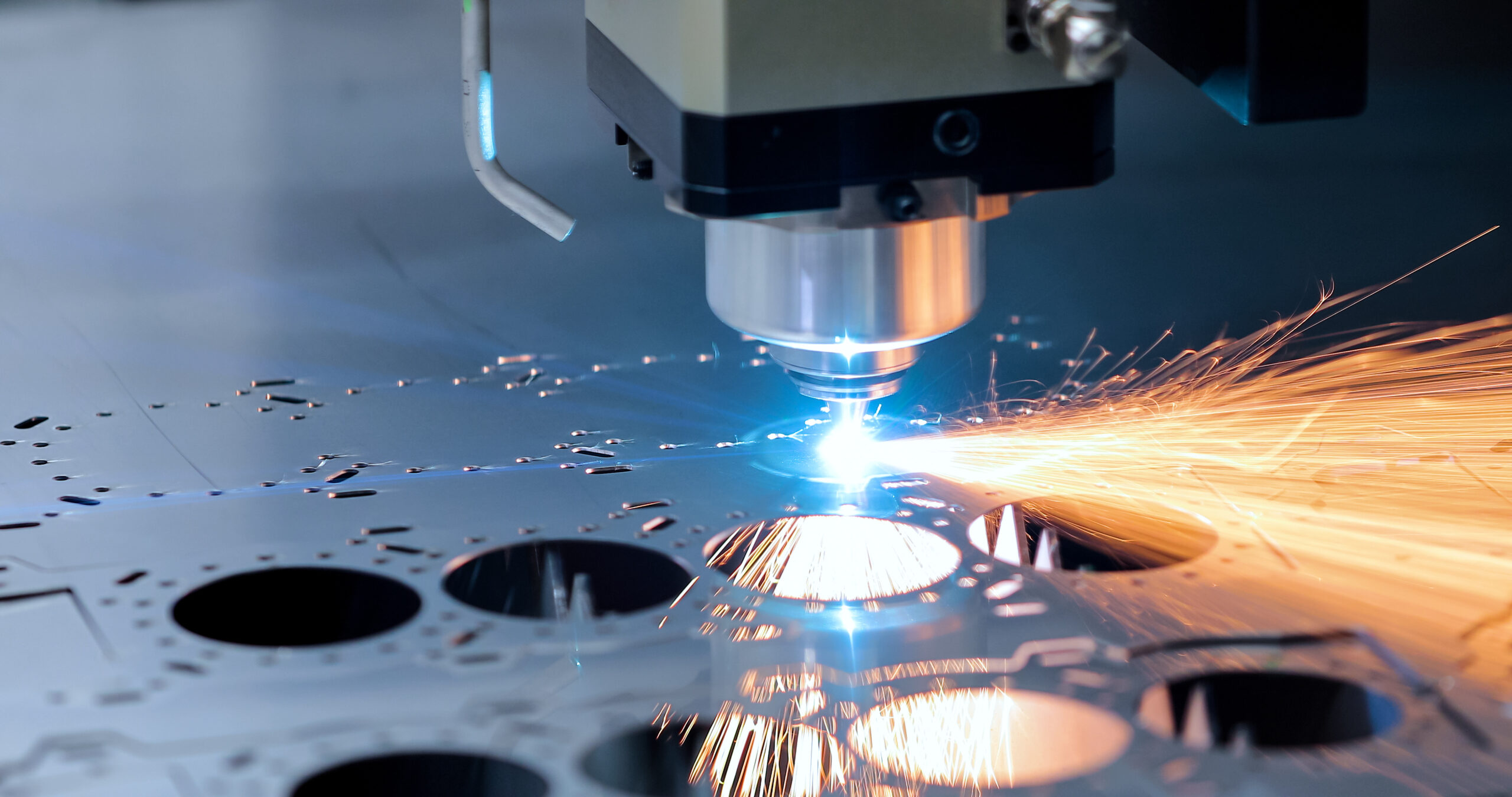
Wuxi Lead Precision Machinery delivers advanced sheet metal fabrication solutions engineered for precision, repeatability, and performance in high-demand industrial applications. Our technical capabilities are anchored in state-of-the-art 5-axis CNC machining systems, which enable complex geometries, tight tolerances, and superior surface finishes across a broad range of metals including stainless steel, aluminum, carbon steel, and specialty alloys. These multi-axis platforms provide simultaneous movement across five planes, allowing for intricate cuts, bevels, and contours that traditional 3-axis machines cannot achieve. This level of precision ensures minimal material waste, reduced secondary operations, and faster time-to-market for your critical components.
Our sheet metal fabrication process integrates seamlessly with digital design workflows, supporting native CAD/CAM file formats and enabling rapid prototyping and high-volume production with consistent quality. Advanced nesting software optimizes material utilization, while automated tool changers and high-speed spindles ensure maximum throughput without compromising accuracy. Each operation is monitored in real time, with adaptive controls that adjust for material variance and thermal conditions, ensuring dimensional stability throughout production runs.
Quality is embedded into every phase of manufacturing. All components undergo comprehensive inspection using Coordinate Measuring Machine (CMM) technology, providing full 3D verification of geometric dimensions and tolerances. Our CMM systems are calibrated to international standards and operated by certified metrology technicians, ensuring traceability and compliance with ISO 9001:2015 and customer-specific quality requirements. This data-driven approach to quality control allows for immediate feedback, corrective action, and detailed inspection reports for full production transparency.
To support demanding engineering specifications, we maintain strict adherence to dimensional tolerances across all fabrication stages. The table below outlines our standard and precision tolerance capabilities based on material type, thickness, and feature complexity.
| Feature | Standard Tolerance | Precision Tolerance | Notes |
|---|---|---|---|
| Linear Dimensions | ±0.1 mm | ±0.05 mm | Up to 500 mm |
| Hole Diameter | +0.1 / -0.0 mm | +0.05 / -0.0 mm | Reamed or precision drilled |
| Positional Tolerance | ±0.15 mm | ±0.08 mm | Relative to datum |
| Angular Tolerance | ±0.2° | ±0.1° | For cut and bent features |
| Surface Flatness | 0.1 mm per 100 mm | 0.05 mm per 100 mm | Measured via CMM |
| Edge Radius | ±0.2 mm | ±0.1 mm | For formed edges |
These tolerances reflect our commitment to delivering components that meet or exceed the requirements of aerospace, medical, semiconductor, and advanced automation industries. With Wuxi Lead Precision Machinery, you gain a manufacturing partner equipped with the technology, expertise, and quality systems to handle your most challenging sheet metal fabrication projects.
Material & Finish Options
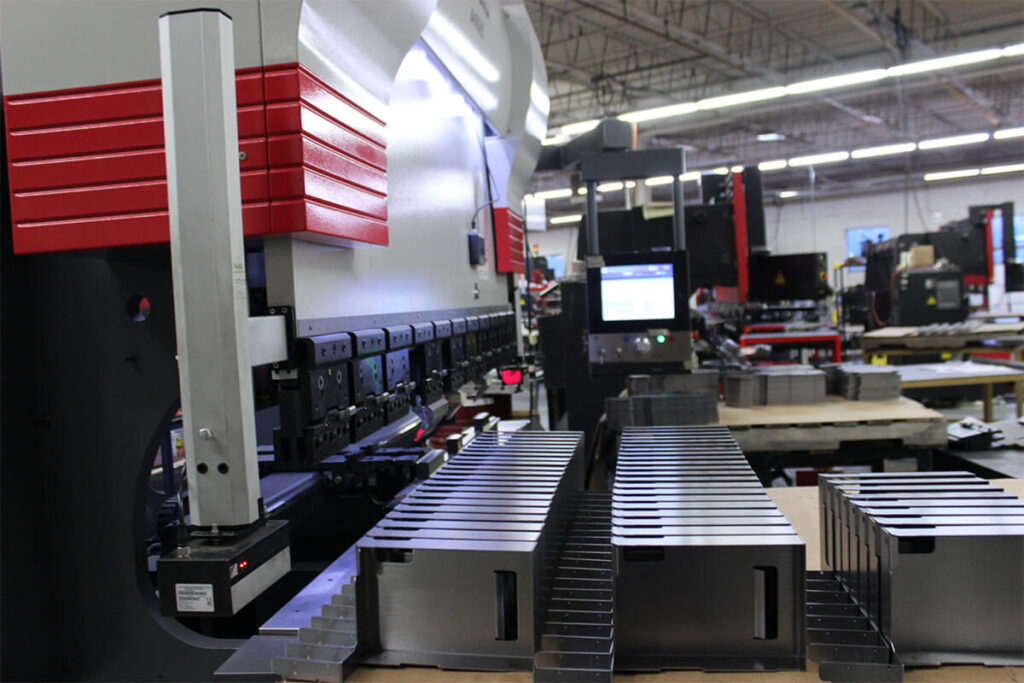
Material Selection Fundamentals for Precision Sheet Metal Fabrication
Selecting the optimal material is foundational to achieving performance, longevity, and cost efficiency in sheet metal components. At Wuxi Lead Precision Machinery, our engineering team prioritizes material properties aligned with your application’s mechanical, environmental, and functional demands. Aluminum, steel, and titanium dominate high-end fabrication, each offering distinct advantages. Aluminum alloys like 5052 and 6061-T6 deliver exceptional strength-to-weight ratios, electrical conductivity, and corrosion resistance, making them ideal for aerospace enclosures, automotive heat shields, and electronic housings. Steel variants—including cold-rolled steel (CRS) and stainless grades 304/316—provide superior structural integrity and wear resistance. CRS excels in cost-sensitive structural frames, while 316 stainless offers marine-grade corrosion resistance for medical or chemical processing equipment. Titanium, though higher in cost, is unmatched for extreme environments requiring biocompatibility, high-temperature stability, and exceptional fatigue strength, such as in aerospace actuators or surgical implants.
Critical material properties must be evaluated systematically. The table below summarizes key specifications for common sheet metal alloys:
| Material | Tensile Strength (MPa) | Yield Strength (MPa) | Corrosion Resistance | Typical Thickness Range (mm) | Key Applications |
|---|---|---|---|---|---|
| Aluminum 6061-T6 | 310 | 276 | Good (anodized) | 0.5 – 12.7 | Aerospace brackets, heat sinks |
| Stainless 304 | 515 | 205 | Excellent | 0.3 – 6.0 | Food processing, architectural |
| Cold-Rolled Steel | 340 – 520 | 280 – 420 | Fair (requires finish) | 0.5 – 10.0 | Machinery frames, chassis |
| Titanium Grade 2 | 345 | 275 | Outstanding | 0.5 – 6.0 | Medical implants, jet engines |
Surface finishing, particularly anodizing, is essential for enhancing aluminum’s durability and aesthetics. Anodizing electrochemically thickens the natural oxide layer, significantly improving wear resistance, corrosion protection, and adhesion for secondary coatings. Type II (sulfuric acid) anodizing provides a versatile base for dyeing in custom colors, critical for consumer electronics or architectural panels where brand identity matters. Type III (hard coat) anodizing achieves extreme surface hardness (up to 60 HRC), making it indispensable for hydraulic pistons or firearm components subject to abrasion. Our facility employs precision anodizing baths with tight voltage and temperature control to ensure uniform coating thickness (typically 12–25 µm for Type II, 50+ µm for Type III) and eliminate peeling or discoloration.
Material selection directly impacts manufacturability, total cost of ownership, and product lifecycle. For instance, choosing 6061-T6 aluminum with Type III anodizing over untreated steel can extend outdoor sensor housing life by 300% in coastal environments. Wuxi Lead Precision Machinery leverages decades of metallurgical expertise to guide clients through these trade-offs, ensuring your sheet metal solution meets exacting performance criteria while optimizing production efficiency. Partner with us to transform material science into your competitive advantage.
Manufacturing Process & QC
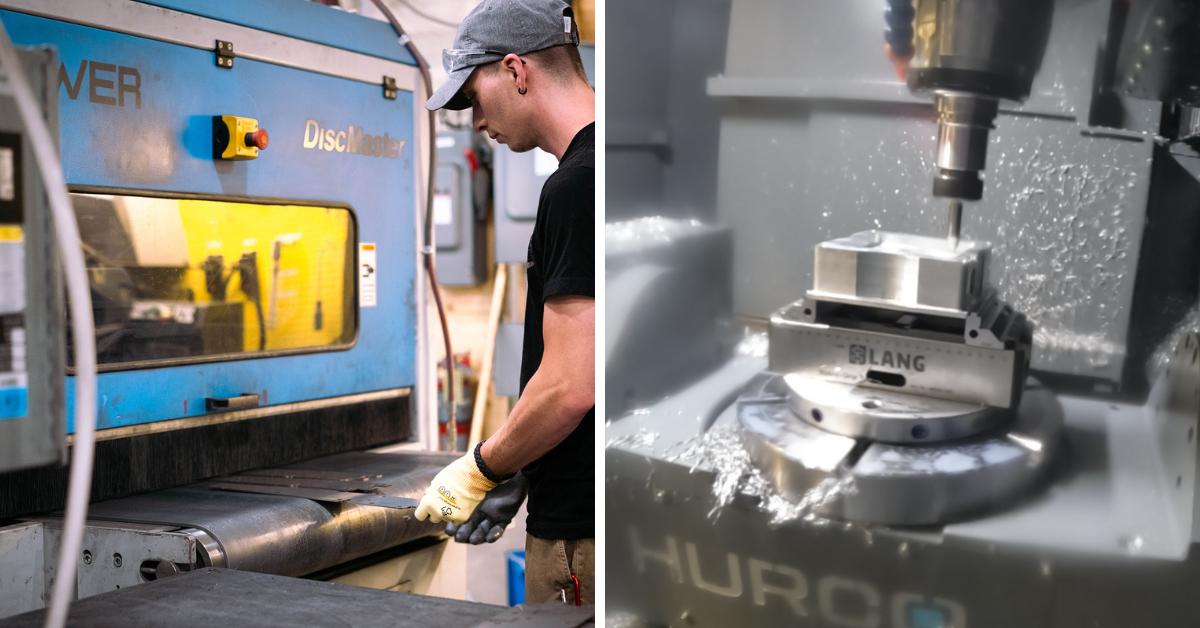
Sheet Metal Fabrication: From Design to Zero-Defect Mass Production
At Wuxi Lead Precision Machinery, our sheet metal fabrication process is engineered to deliver precision, consistency, and reliability at every stage. We follow a disciplined workflow—Design, Prototyping, and Mass Production—designed to achieve zero defects and ensure full compliance with international quality standards. This structured approach enables us to meet the demanding requirements of industries such as automotive, aerospace, energy, and industrial equipment.
The process begins with Design, where engineering precision meets functional intent. Our team collaborates closely with clients to analyze technical drawings, 3D models, and performance specifications. Using advanced CAD/CAM software—including SolidWorks, AutoCAD, and Siemens NX—we optimize part geometry for manufacturability, ensuring minimal material waste, optimal bend allowances, and accurate flat patterns. Design for Assembly (DFA) and Design for Manufacturing (DFM) principles are rigorously applied to preempt potential production issues. Material selection is validated at this stage, considering factors such as tensile strength, corrosion resistance, and surface finish requirements.
Once the design is finalized, we proceed to Prototyping. A physical prototype is manufactured using the same processes intended for full-scale production—CNC punching, laser cutting, bending, and welding—ensuring real-world validation. This phase allows us to verify dimensional accuracy, fit, function, and assembly compatibility. We conduct in-house inspections using coordinate measuring machines (CMM), optical comparators, and laser scanners to confirm tolerances. Any necessary design refinements are implemented before approval for mass production, minimizing downstream risks and rework.
Mass Production is executed on our automated, high-speed production lines, where process control is paramount. Each stage—from cutting to forming, welding, and finishing—is monitored through real-time quality checkpoints. Our manufacturing cells are staffed by certified technicians and supported by Statistical Process Control (SPC) systems that detect deviations before they affect output. All equipment is maintained under strict preventive maintenance schedules to ensure peak performance.
To uphold our zero-defect commitment, we integrate full traceability into every batch. Each component is tracked from raw material to final shipment, with documented inspection records and material certifications. Final products undergo 100% visual inspection and抽 spot metrology checks, ensuring compliance with ISO 9001 and customer-specific quality plans.
Below are key technical capabilities supporting our production process:
| Parameter | Specification |
|---|---|
| Material Thickness Range | 0.5 mm – 25 mm |
| Tolerance (Standard) | ±0.1 mm (tighter upon request) |
| Max. Working Area (Laser) | 1500 mm × 3000 mm |
| Bending Accuracy | ±0.25° |
| Welding Processes | MIG, TIG, Spot, Robotic Welding |
| Surface Finishes | Powder coating, anodizing, polishing, plating |
| Quality Standards | ISO 9001, ISO 14001, IATF 16949 (automotive) |
Through seamless integration of engineering excellence and disciplined manufacturing, Wuxi Lead Precision Machinery ensures that every sheet metal component meets the highest standards of quality, durability, and precision.
Why Choose Wuxi Lead Precision
Partner with Lead Precision for Mission-Critical Sheet Metal Solutions
Wuxi Lead Precision Machinery delivers engineered sheet metal fabrication where dimensional accuracy, material integrity, and on-time delivery are non-negotiable. We serve aerospace, medical device, and industrial automation leaders who demand zero-defect components for high-stakes applications. Our CNC-driven facility in Wuxi integrates German-engineered machinery with ISO 9001-certified processes, transforming complex geometries into production-ready assemblies with repeatable precision. When your project requires tolerances tighter than industry standards or materials demanding specialized handling, our technical team becomes an extension of your engineering department—proactively solving challenges before they impact your timeline.
Our commitment begins with rigorous material traceability and ends with validated first-article inspections. Unlike generalist fabricators, we prioritize technical alignment during quoting: our engineers review DFM feedback within 24 hours, identifying potential stress points or weld distortions in your CAD models. This collaborative approach reduces prototyping cycles by up to 40% while ensuring seamless integration into your assembly line. We handle everything from low-volume precision enclosures to high-mix production runs, maintaining consistent quality through automated process monitoring and real-time SPC data tracking.
Key capabilities are engineered for your most demanding specifications:
| Process | Tolerance Range | Material Thickness | Max Work Envelope | Key Technology |
|---|---|---|---|---|
| Fiber Laser Cutting | ±0.05 mm | 0.5 – 6.0 mm | 3000 x 1500 mm | Trumpf TruLaser 5030 |
| CNC Press Brake | ±0.1° angular | 0.8 – 4.0 mm | 2500 mm length | Amada HG-1003 |
| Precision Welding | ±0.2 mm gap | 0.5 – 3.0 mm | 2000 x 1500 mm | TIG/MIG w/ purge gas |
Beyond machinery, our value lies in proactive risk mitigation. Every project includes dedicated process engineers who validate tooling setups against your GD&T requirements and conduct in-process CMM checks at critical stages. For medical or aerospace clients, we provide full material certification packages with batch-specific test reports and non-destructive testing documentation. Our facility’s climate-controlled metrology lab ensures measurements remain stable regardless of external conditions—a critical factor for components operating in extreme environments.
Initiate a technical consultation by emailing [email protected] with your project specifications. Include 3D models, tolerance callouts, and volume requirements to receive a precision-focused quotation within 48 hours. Our engineering team will outline specific process recommendations, potential cost-saving DFM adjustments, and a validated production timeline—no generic proposals. For urgent RFQs, reference “URGENT-SHEETMETAL” in your subject line to prioritize technical review. Partner with Lead Precision when your reputation depends on metal formed exactly as engineered.
⚙️ Precision Cost Estimator
Estimate relative manufacturing effort based on tolerance.