

Technical Contents
Engineering Guide: Sheet Metal Puzzle
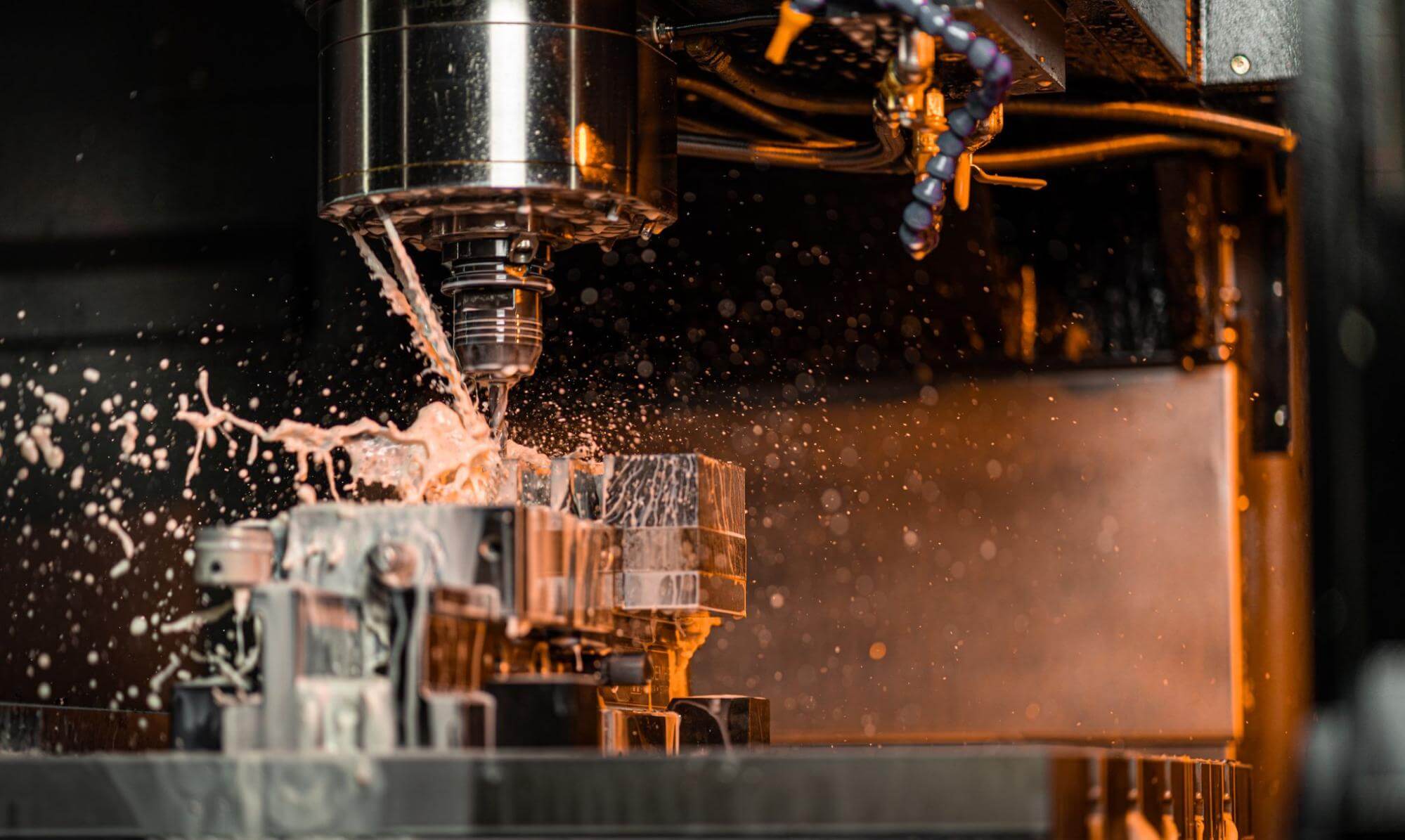
Engineering Insight: The Precision Behind Sheet Metal Puzzles
In the realm of advanced sheet metal fabrication, the term sheet metal puzzle refers to complex assemblies composed of multiple interlocking components, each cut, bent, and formed to exacting tolerances. These assemblies are not merely structural—they represent a convergence of design intelligence, material science, and manufacturing precision. At Wuxi Lead Precision Machinery, we recognize that the success of such assemblies hinges on micron-level accuracy, repeatability, and a deep understanding of material behavior under stress and deformation.
A sheet metal puzzle is more than an aggregation of parts; it is a system where every component must align perfectly during assembly, often without the use of fasteners or adhesives. This demands not only precise laser cutting and CNC punching but also sophisticated 3D modeling and simulation to anticipate spring-back, thermal expansion, and cumulative tolerance drift. Even a deviation of ±0.1 mm can result in misalignment, increased assembly time, or structural weakness—factors that are unacceptable in high-stakes industries.
Our experience fabricating mission-critical components for Olympic-grade sports infrastructure and defense applications has reinforced the non-negotiable nature of precision. For instance, in the construction of modular shielding units for military deployment, our team engineered a 27-part sheet metal puzzle that required field assembly under extreme conditions. Each panel had to interlock seamlessly without on-site adjustments. Achieving this required advanced nesting algorithms, in-process metrology, and real-time feedback loops on our Amada CNC press brakes.
Similarly, for a high-speed rail project linked to Olympic transit logistics, we produced lightweight structural enclosures using aluminum alloys, where dimensional stability across temperature gradients was critical. The assembly tolerance stack-up was controlled within ±0.05 mm across 1.8-meter spans—an achievement made possible through our proprietary bending compensation models and laser-tracked forming processes.
At the core of our capability is a disciplined approach to process control. From initial prototyping to full-scale production, we employ coordinate measuring machines (CMM), optical scanning, and first-article inspection reports (FAIR) to validate every stage. Our ISO 13373-1 and ISO 9001:2015 certifications reflect this commitment, but it is our track record in elite engineering environments that truly defines our standard.
Below are key specifications that underscore the precision achievable in modern sheet metal puzzle fabrication at Wuxi Lead Precision Machinery.
| Specification | Capability |
|---|---|
| Material Thickness Range | 0.5 – 6.0 mm |
| Cutting Tolerance | ±0.05 mm |
| Bending Tolerance | ±0.1° / ±0.1 mm |
| Positional Accuracy (Punching) | ±0.08 mm |
| Surface Flatness (per 300 mm) | ≤ 0.15 mm |
| Supported Materials | Cold-rolled steel, stainless steel (304, 316), aluminum (5052, 6061), galvanized steel |
| Max Part Size | 1500 × 3000 mm |
Precision in sheet metal puzzles is not an incremental advantage—it is the foundation of reliability, performance, and scalability. At Wuxi Lead Precision Machinery, we engineer every component as if it were part of a system upon which lives or legacies depend.
Precision Specs & Tolerances
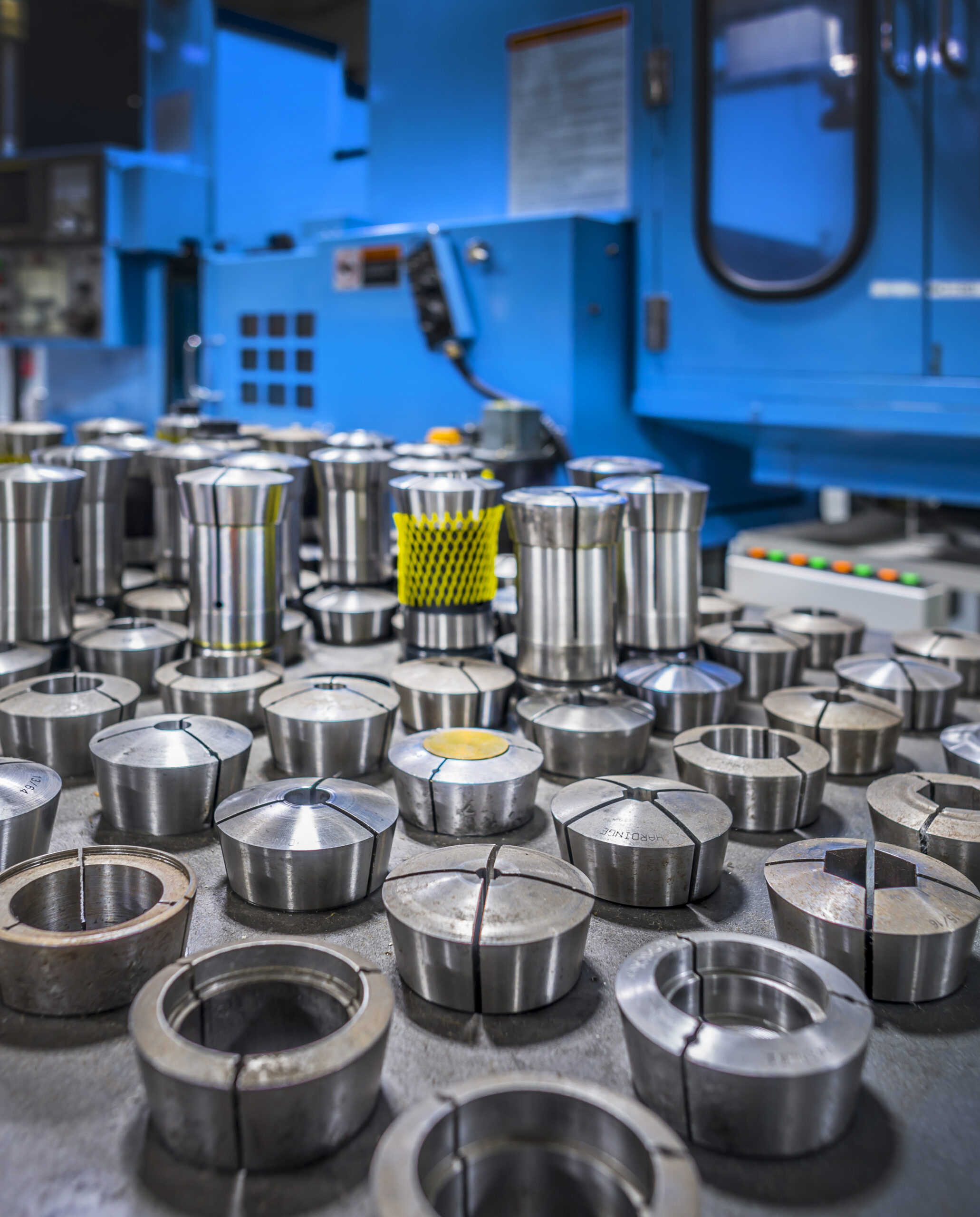
Technical Capabilities: Precision Sheet Metal Fabrication for Complex Puzzles
Wuxi Lead Precision Machinery delivers uncompromising accuracy for high-complexity sheet metal puzzles, where interlocking geometries demand micron-level consistency. Our integrated manufacturing ecosystem combines advanced 5-axis CNC technology with rigorous metrology, ensuring every component meets the exacting demands of aerospace, medical, and luxury consumer applications. Unlike conventional stamping or 3-axis systems, our 5-axis CNC laser and milling centers execute simultaneous multi-axis machining, eliminating secondary operations and preserving critical datum integrity across compound curves and nested features. This capability is essential for puzzle elements requiring seamless fitment under thermal cycling or dynamic load conditions.
Our DMG MORI and TRUMPF 5-axis platforms process materials from 0.5mm to 6.0mm thickness in aluminum alloys, stainless steel, and titanium, with adaptive toolpath optimization minimizing micro-deformation in thin-walled sections. Real-time laser power modulation ensures clean, burr-free edges on intricate internal contours—critical for friction-dependent puzzle mechanisms. All machining occurs within climate-controlled cells stabilized to ±1°C, mitigating thermal drift during extended production runs. Crucially, our workflow embeds quality at every stage: first-article inspections validate tooling compensation against CAD nominal data, while in-process probing corrects for material variance prior to final machining.
Quality assurance is anchored by Zeiss CONTURA G2 Coordinate Measuring Machines (CMM) with 0.5μm volumetric accuracy. Each puzzle assembly undergoes full 3D scan validation against GD&T callouts, with automated reporting of positional deviations for holes, slots, and mating surfaces. Statistical process control (SPC) monitors key characteristics across batches, ensuring CpK ≥1.67 for features where ±0.05mm tolerance defines functional success. Traceability is maintained through laser-etched part IDs linked to material certs, machine logs, and inspection datasets in our centralized QMS portal.
Tolerances achieved consistently across production volumes reflect our technical investment:
| Feature Type | Standard Tolerance | Tight Tolerance Capability |
|---|---|---|
| Linear Dimensions | ±0.05 mm | ±0.02 mm |
| Angular Features | ±0.1° | ±0.05° |
| Hole Position | ±0.03 mm | ±0.01 mm |
| Flatness (per 100mm) | 0.05 mm | 0.02 mm |
| Repeatability (CpK) | ≥1.33 | ≥1.67 |
This precision framework enables puzzle designers to specify aggressive form factors—such as sub-0.2mm kerf widths or compound-radius joints—without yield compromise. We partner with clients during DFM to optimize manufacturability, leveraging our tolerance mastery to transform conceptual interlocking systems into field-reliable products. For mission-critical applications, Wuxi Lead provides full dimensional run reports with every shipment, certifying compliance to AS9100 and ISO 13485 standards. Contact our engineering team to discuss tolerance stack-up analysis for your next-generation puzzle assembly.
Material & Finish Options
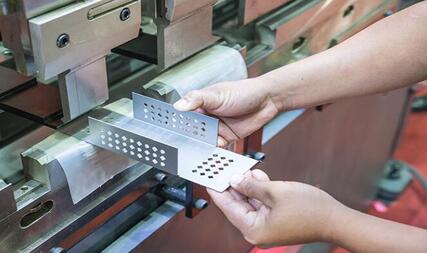
Material Selection for Precision Sheet Metal Fabrication
Selecting the appropriate material is critical in high-end sheet metal fabrication, particularly for complex components such as sheet metal puzzles that demand dimensional accuracy, structural integrity, and aesthetic consistency. At Wuxi Lead Precision Machinery, we recommend evaluating aluminum, steel, and titanium based on mechanical performance, formability, weight, and environmental resistance. Each material offers distinct advantages depending on the application’s functional and design requirements.
Aluminum is the most widely used material in precision sheet metal applications due to its excellent strength-to-weight ratio, corrosion resistance, and machinability. Grade 6061-T6 is particularly favored for its weldability and moderate strength, making it ideal for intricate puzzle components that require tight tolerances and lightweight construction. Its natural oxide layer provides inherent protection, but when enhanced with surface treatments such as anodizing, aluminum achieves superior durability and visual appeal.
Steel, especially cold-rolled steel (CRS) and stainless steel (e.g., 304 and 316 grades), offers higher strength and rigidity compared to aluminum. Cold-rolled steel is cost-effective and well-suited for structural puzzle frames or components requiring high wear resistance. Stainless steel variants provide excellent corrosion resistance and a polished finish, beneficial in applications exposed to moisture or demanding clean environments. However, steel’s higher density increases overall weight, which must be considered in final assembly and handling.
Titanium, while significantly more expensive, delivers exceptional strength-to-density performance and outstanding resistance to extreme environments, including high temperatures and corrosive media. Grade 2 and Grade 5 titanium (Ti-6Al-4V) are used in aerospace and medical-grade assemblies where failure is not an option. For specialized sheet metal puzzles intended for R&D or demonstration in harsh conditions, titanium offers unmatched reliability, though fabrication requires advanced tooling and expertise due to its work-hardening characteristics.
Surface finishing plays a pivotal role in both function and appearance. Anodizing, primarily applied to aluminum, enhances surface hardness, wear resistance, and aesthetic control. Type II (sulfuric acid) anodizing provides a porous layer suitable for dyeing in a range of colors, allowing for visual differentiation of puzzle elements. Type III (hardcoat) anodizing produces a thicker, more durable surface ideal for high-wear components. The anodized layer is integral to the base metal, ensuring it does not chip or peel under stress.
Below is a comparative overview of key material properties for informed selection.
| Material | Typical Grade | Density (g/cm³) | Tensile Strength (MPa) | Corrosion Resistance | Common Finishes | Recommended Use Case |
|---|---|---|---|---|---|---|
| Aluminum | 6061-T6 | 2.7 | 310 | High | Anodizing, bead blast | Lightweight, precision puzzle parts |
| Cold-Rolled Steel | 1018 | 7.85 | 440 | Low (requires coating) | Powder coat, plating | Structural frames, high-strength needs |
| Stainless Steel | 304 / 316 | 8.0 | 505–580 | Very High | Passivation, polishing | Hygienic, outdoor, or corrosive exposure |
| Titanium | Grade 2 / Ti-6Al-4V | 4.5 / 4.43 | 345–900 | Exceptional | Anodizing (color), polish | High-performance, extreme environments |
At Wuxi Lead Precision Machinery, we support material selection with in-house testing, prototyping, and finishing capabilities to ensure optimal performance and consistency across production batches.
Manufacturing Process & QC
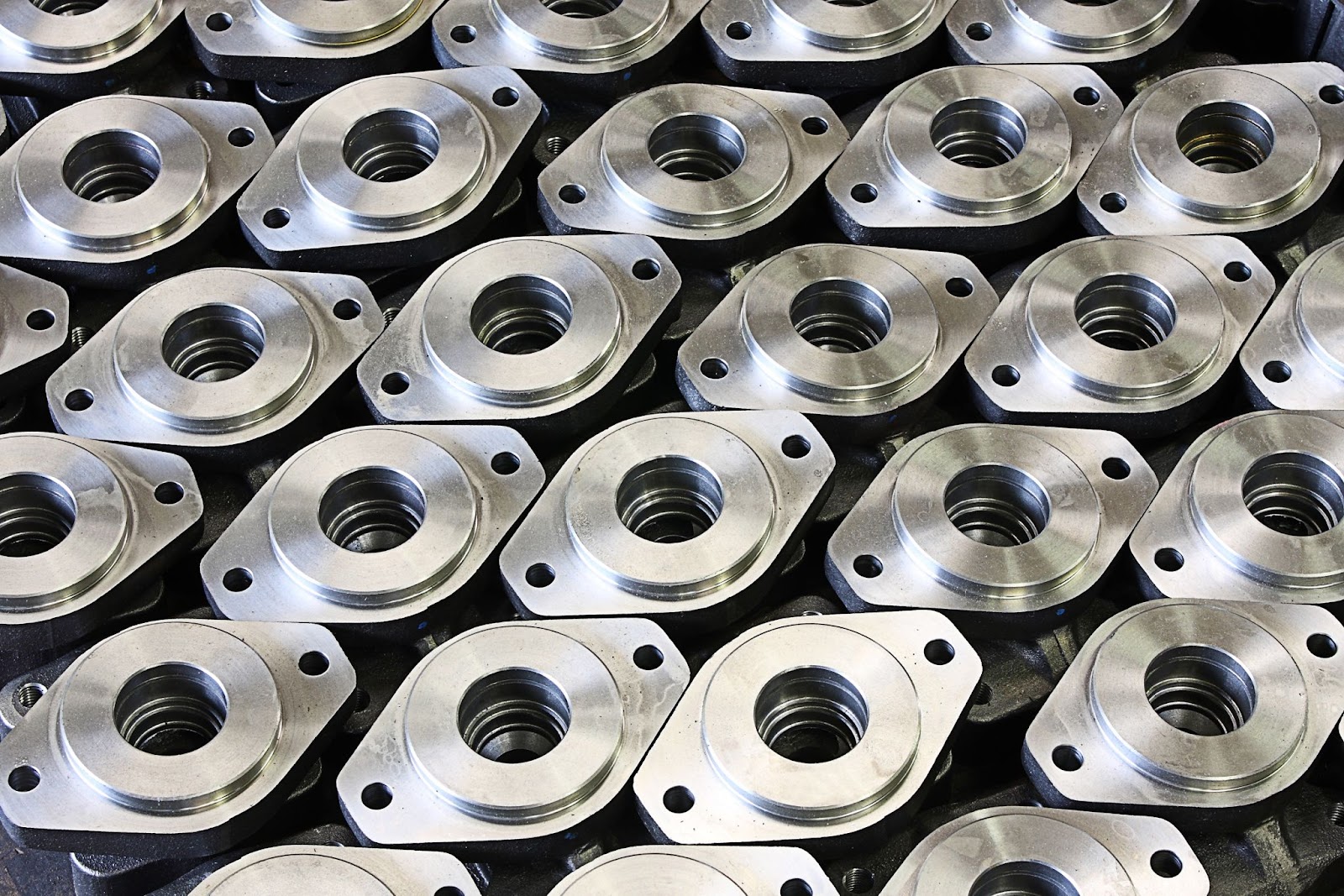
Precision Sheet Metal Puzzle Fabrication: The Zero Defect Production Pathway
Achieving flawless sheet metal puzzles demands an integrated, rigorously controlled production sequence where design integrity transitions seamlessly into prototype validation and then scalable mass production. At Wuxi Lead Precision Machinery, we enforce this disciplined pathway as the foundation for zero-defect delivery. The process begins with intensive Design for Manufacturability (DFM) analysis. Our engineering team collaborates directly with client CAD models, scrutinizing geometric complexity, material grain direction, bend allowances, and interlocking feature tolerances. This phase identifies potential stress points or assembly conflicts early, optimizing the design for both functionality and producibility using our advanced CAD/CAM suite. Critical tolerances are defined to micron-level precision, ensuring puzzle pieces fit perfectly without binding or excessive play, directly influencing the final user experience and structural integrity.
Prototyping is not merely a validation step but a critical stress test of the entire production strategy. Utilizing our high-precision fiber laser cutting systems and CNC press brakes with real-time angle feedback, we produce functional prototypes from the exact production-grade material specified. Each prototype undergoes comprehensive dimensional verification against the approved design, including intricate feature alignment, edge quality assessment, and assembly sequence trials. This phase validates tooling paths, identifies subtle material behavior nuances, and confirms that the design intent translates into a physically coherent puzzle. Any deviation triggers immediate design or process refinement before committing to full-scale production, eliminating costly errors downstream.
Mass production executes under our Zero Defect Manufacturing Framework. Every sheet metal puzzle component benefits from continuous in-process inspection. Laser cut parts are verified for contour accuracy and burr control immediately post-cutting. During bending, statistical process control (SPC) monitors critical angles and dimensions at defined intervals, with automatic tooling wear compensation applied. Final assembly involves 100% first-article inspection using calibrated CMMs and functional gauges, followed by batch sampling per AQL 0.65 standards. Material traceability, environmental controls, and operator certification are non-negotiable. This closed-loop system, driven by real-time data analytics, ensures every puzzle piece meets the exacting specifications established during design and prototyping, guaranteeing consistent, defect-free output at scale.
Critical Process Specifications for Zero-Defect Sheet Metal Puzzles
| Process Stage | Critical Parameters | Tolerance Range | Verification Method |
|---|---|---|---|
| Design & DFM | Feature Interference, Bend Sequence, Material Yield | N/A (Design Phase) | CAD Simulation, DFM Software Analysis |
| Prototyping | Cut Edge Quality, Bend Angle Accuracy, Feature Alignment | ±0.05 mm (Critical Features) | CMM, Optical Comparator, Manual Assembly Trial |
| Mass Production | Contour Dimensional Accuracy, Bend Consistency, Burr Height | ±0.03 mm (Critical Features), Ra < 1.6 μm | In-Process Laser Scanners, SPC Charts, 100% First Article CMM, AQL Sampling |
Why Choose Wuxi Lead Precision
Partner with Lead Precision for Unmatched Expertise in Sheet Metal Fabrication
At Wuxi Lead Precision Machinery, we understand that precision, reliability, and consistency are non-negotiable in high-end sheet metal fabrication. As a globally recognized leader in advanced manufacturing solutions, we specialize in transforming complex design concepts into flawless physical components. Our comprehensive capabilities in laser cutting, CNC bending, robotic welding, and automated assembly enable us to deliver sheet metal puzzles and assemblies that meet the most stringent industrial standards.
When you partner with Lead Precision, you’re not just outsourcing production—you’re gaining a strategic collaborator with deep engineering insight and a relentless commitment to quality. Our facility in Wuxi, China, spans over 15,000 square meters and is equipped with state-of-the-art machinery from AMADA, TRUMPF, and DMG MORI. This technological foundation, combined with our ISO 9001:2015 and IATF 16949 certifications, ensures that every component we produce adheres to the highest levels of dimensional accuracy and repeatability.
Our engineers work closely with clients across aerospace, medical devices, automation, and high-tech industries to optimize designs for manufacturability, reduce material waste, and accelerate time-to-market. Whether you require low-volume prototypes or high-volume series production, our flexible manufacturing systems adapt seamlessly to your project’s scale and complexity.
We pride ourselves on transparency, responsiveness, and long-term partnership. From initial design review to final delivery, our team maintains open communication, providing real-time updates, detailed inspection reports, and full traceability for every batch. Our supply chain is built for global reach, with reliable logistics partners ensuring on-time delivery to North America, Europe, and Asia.
Below are key technical specifications that define our sheet metal fabrication capabilities:
| Parameter | Specification |
|---|---|
| Material Thickness Range | 0.5 mm – 25 mm |
| Max. Processing Size | 4000 mm × 2000 mm (Laser), 3000 mm × 1500 mm (Punch) |
| Tolerance (CNC Bending) | ±0.1 mm |
| Surface Roughness (Laser) | Ra ≤ 1.6 μm |
| Welding Processes | MIG, TIG, Spot, Robotic Pulsed Arc |
| Finishing Options | Powder Coating, Anodizing, Passivation, Plating |
| Quality Standards | ISO 9001:2015, IATF 16949, RoHS, REACH |
At Lead Precision, we don’t just fabricate parts—we engineer solutions. Our mission is to become your trusted extension in manufacturing, combining Chinese efficiency with German-level precision. If you are seeking a partner capable of handling the most intricate sheet metal puzzles with technical mastery and operational excellence, we invite you to reach out today.
Contact us at [email protected] to discuss your project requirements, request a quote, or schedule a virtual factory tour. Let Wuxi Lead Precision Machinery be the foundation of your next breakthrough in precision manufacturing.
⚙️ Precision Cost Estimator
Estimate relative manufacturing effort based on tolerance.