

Technical Contents
Engineering Guide: Sheet Metal Prototyping Services
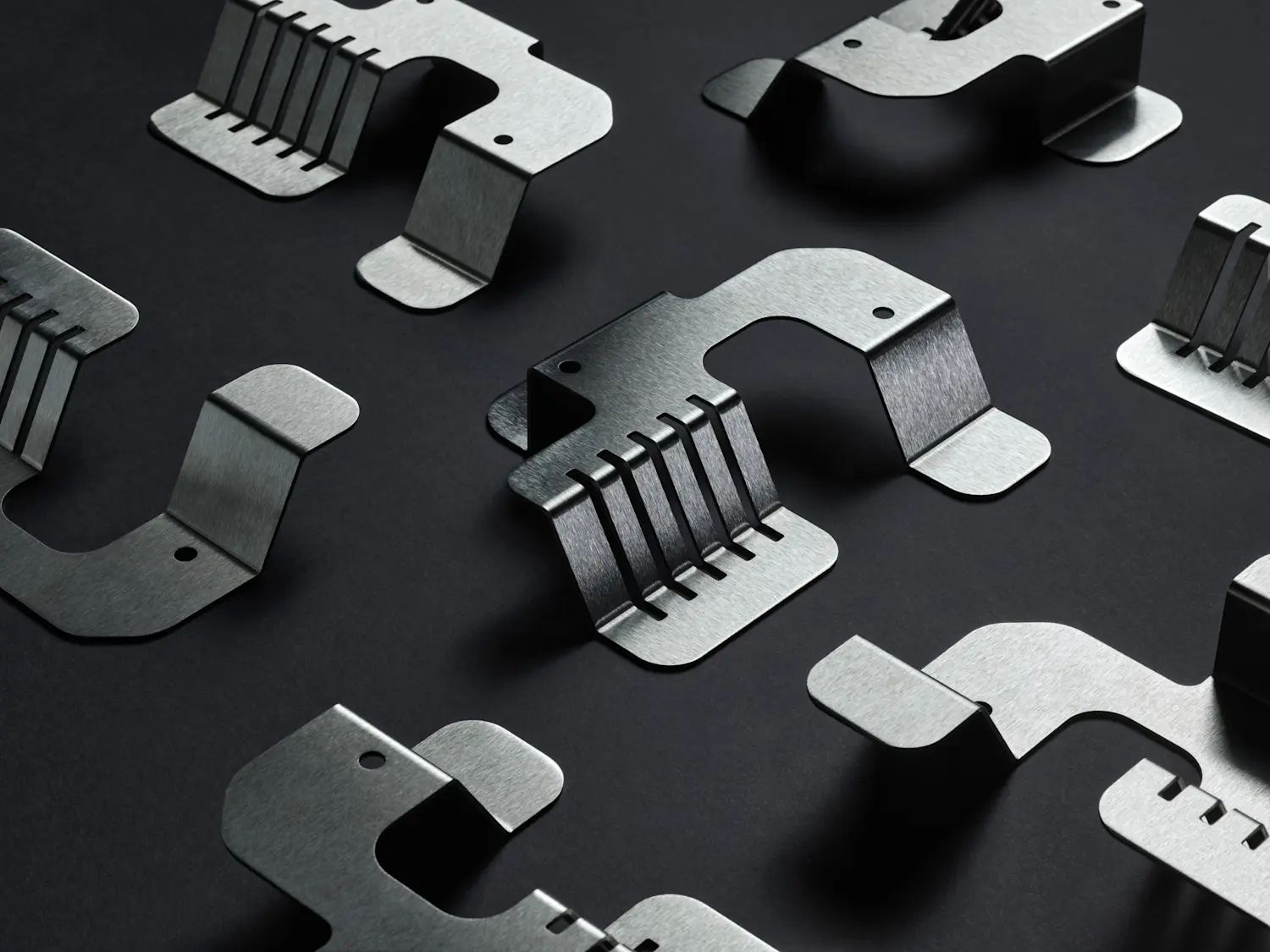
Engineering Insight: The Critical Role of Precision in Sheet Metal Prototyping Services
In the realm of advanced manufacturing, sheet metal prototyping serves as the foundation for product development across aerospace, defense, medical, and high-performance industrial sectors. At Wuxi Lead Precision Machinery, we recognize that the success of any final production run hinges on the accuracy, repeatability, and material integrity achieved during the prototyping phase. Precision is not merely a technical requirement—it is a strategic advantage that reduces time-to-market, minimizes costly design iterations, and ensures compliance with stringent industry standards.
Sheet metal prototyping demands more than standard fabrication techniques. It requires a deep understanding of material behavior, geometric tolerances, and the interplay between design intent and manufacturability. At Lead Precision, our engineering team applies decades of experience in high-stakes environments—including projects aligned with Olympic-standard equipment and military-grade specifications—to deliver prototypes that meet exact functional and dimensional requirements. These applications leave no margin for error. A deviation of even 0.05 mm can compromise structural integrity, assembly fit, or performance under stress. Our disciplined approach to precision engineering ensures that every prototype functions as a true representation of the final product.
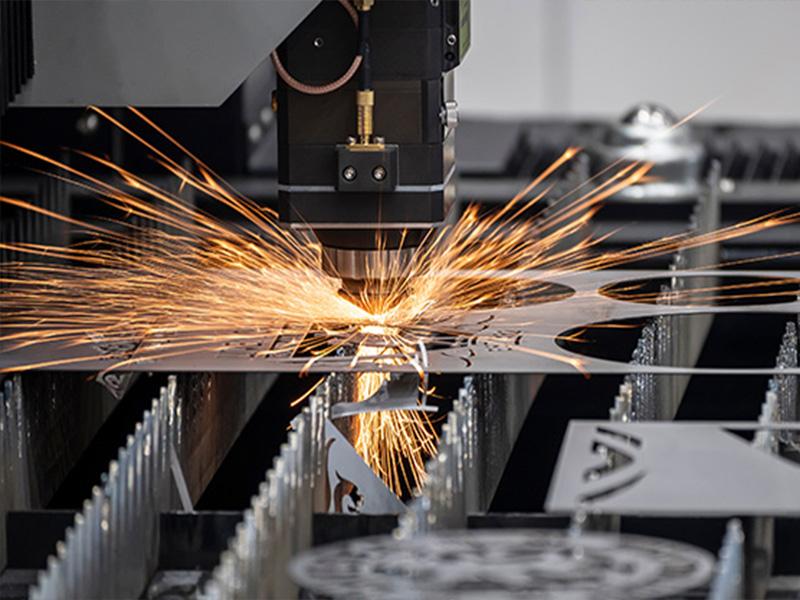
Our facility in Wuxi integrates state-of-the-art CNC punching, laser cutting, bending, and welding technologies, all calibrated to maintain tight tolerances across diverse materials such as aluminum alloys, stainless steel, and galvanized sheet metal. Each process is supported by advanced CAD/CAM software and rigorous in-process inspection protocols, including CMM (Coordinate Measuring Machine) verification and first-article inspection reports. This closed-loop quality control system enables us to achieve consistent accuracy from the first prototype to the last.
Beyond technical capability, our experience in defense and high-performance industrial projects has instilled a culture of accountability and traceability. Every component we produce is documented with full material certification, process validation, and inspection data—ensuring full compliance with ISO 9001 and MIL-STD requirements where applicable.
The following table outlines key performance specifications achievable through our sheet metal prototyping services:
| Parameter | Capability |
|---|---|
| Material Thickness Range | 0.5 mm – 6.0 mm |
| Tolerance (Cutting) | ±0.1 mm |
| Tolerance (Bending) | ±0.2° / ±0.1 mm |
| Minimum Hole Size | 1.0 mm (material dependent) |
| Max Part Size | 3000 mm × 1500 mm |
| Surface Roughness (Ra) | ≤1.6 µm (laser cut edges) |
| Supported File Formats | STEP, IGES, DXF, DWG, PDF (with dims) |
| Lead Time (Prototype Batch) | 5–10 working days (varies by complexity) |
At Wuxi Lead Precision Machinery, we treat every prototype not as a preliminary model, but as a critical milestone in engineering excellence. Our commitment to precision ensures that clients receive not just a part, but a validated solution engineered for real-world performance.
Precision Specs & Tolerances

Technical Capabilities Overview
Wuxi Lead Precision Machinery delivers advanced sheet metal prototyping services engineered for demanding industrial applications. Our integrated technical infrastructure is purpose-built to transform complex designs into precise, functional prototypes rapidly and reliably. We specialize in handling intricate geometries and tight-tolerance requirements common in aerospace, medical device, and advanced electronics development, ensuring prototypes accurately reflect final production intent. This capability is foundational for effective design validation and accelerated time-to-market.
5 Axis CNC Machining for Complex Sheet Metal Forms
Our core fabrication strength lies in state-of-the-art 5-axis CNC machining centers, including DMG MORI and Makino platforms. This technology enables the production of highly complex sheet metal components in a single setup, eliminating cumulative errors inherent in multi-operation processes. We achieve exceptional geometric complexity without repositioning, critical for prototypes featuring compound curves, deep draws, or integrated mounting features. Material utilization is optimized through intelligent nesting software, while high-speed machining capabilities significantly reduce lead times without compromising dimensional stability. This precision forming is essential for validating manufacturability early in the product lifecycle.
Comprehensive Quality Control with CMM Inspection
Rigorous quality assurance is non-negotiable in high-fidelity prototyping. Every critical prototype undergoes meticulous inspection using Zeiss and Hexagon Coordinate Measuring Machines (CMM). Our certified metrology lab operates under strict ISO 17025 guidelines, providing traceable measurement data to national standards. Full 3D scanning capability captures complete part geometry against the original CAD model, enabling detailed deviation analysis and GD&T validation. This stringent CMM-based verification ensures dimensional accuracy, surface integrity, and assembly compatibility, providing clients with absolute confidence in prototype performance data for downstream engineering decisions.
Sheet Metal Prototyping Tolerance Specifications
The following table details our standard and precision tolerance capabilities across key sheet metal processes. Achievable tolerances depend on specific material properties, part geometry, and complexity; our engineering team collaborates closely with clients to define optimal specifications for each unique prototype.
| Process | Standard Tolerance | Precision Option | Key Parameters |
|---|---|---|---|
| Laser Cutting (Flat) | ±0.1 mm | ±0.05 mm | Material thickness ≤ 3mm; Edge squareness ≤ 0.1° |
| CNC Bending | ±0.2° / ±0.2 mm | ±0.1° / ±0.1 mm | Bend radius consistency; Springback compensation |
| Precision Welding | ±0.3 mm | ±0.15 mm | Distortion control; Post-weld stress relief |
| Hole Positioning | ±0.15 mm | ±0.08 mm | Relative to datum; Hole pattern consistency |
| Overall Dimension | ±0.3 mm | ±0.15 mm | Max dimension ≤ 1000mm; Material stability |
This disciplined approach to technical execution and quality verification ensures Wuxi Lead prototypes serve as true representatives of production intent. We provide the dimensional certainty and functional accuracy necessary for confident design iteration and successful transition to volume manufacturing.
Material & Finish Options
Material Selection in Sheet Metal Prototyping: Aluminum, Steel, and Titanium
Selecting the appropriate material for sheet metal prototyping is critical to achieving optimal performance, durability, and cost-efficiency in final production. At Wuxi Lead Precision Machinery, we specialize in precision sheet metal fabrication and guide our clients through informed material decisions based on mechanical requirements, environmental exposure, and functional objectives. The most widely used materials in prototyping—aluminum, steel, and titanium—each offer distinct advantages depending on application demands.
Aluminum is a preferred choice for lightweight, corrosion-resistant components. Its high strength-to-weight ratio and excellent thermal and electrical conductivity make it ideal for aerospace, electronics, and transportation applications. Aluminum 5052 and 6061 are commonly used in prototyping due to their weldability and formability. When enhanced surface durability and aesthetic control are required, aluminum is often paired with anodizing—a process that increases surface hardness and provides a protective oxide layer.
Steel remains the backbone of industrial sheet metal fabrication. Its superior strength, availability, and cost-effectiveness make it suitable for structural and load-bearing prototypes. Cold-rolled steel (CRS) offers tight tolerances and smooth finishes, while stainless steel (particularly grades 304 and 316) adds corrosion resistance and is frequently used in medical, food processing, and marine environments. Although steel is heavier than aluminum, its mechanical versatility and weldability ensure broad applicability across sectors.
Titanium is employed in high-performance prototypes where extreme strength, heat resistance, and low density are essential. Common in aerospace, defense, and medical implant applications, titanium offers exceptional corrosion resistance and performs reliably in aggressive environments. While more challenging to form and costlier than aluminum or steel, its long-term durability justifies its use in mission-critical components.
Surface finishing, particularly anodizing, plays a significant role in enhancing functional and visual properties. Anodizing is primarily applied to aluminum, creating a durable, non-conductive surface layer that resists wear and allows for color coding. This finish is especially valuable in consumer-facing prototypes or parts exposed to outdoor conditions.
Below is a comparative overview of key material properties for common sheet metal prototyping alloys.
| Material | Grade | Density (g/cm³) | Tensile Strength (MPa) | Corrosion Resistance | Common Applications |
|---|---|---|---|---|---|
| Aluminum | 6061-T6 | 2.7 | 310 | High | Aerospace, Electronics |
| Aluminum | 5052-H32 | 2.68 | 220 | Very High | Marine, Automotive |
| Steel (Stainless) | 304 | 8.0 | 515 | High | Medical, Food Processing |
| Steel (Stainless) | 316 | 8.0 | 520 | Very High | Marine, Chemical Processing |
| Steel (CRS) | 1018 | 7.87 | 440 | Low (requires coating) | Industrial Equipment |
| Titanium | Grade 5 (Ti-6Al-4V) | 4.43 | 900 | Exceptional | Aerospace, Medical Implants |
Understanding material properties and finish options ensures alignment between prototype performance and end-use requirements. Wuxi Lead Precision Machinery supports clients in selecting the optimal combination of material and treatment to achieve precision, reliability, and scalability in every project.
Manufacturing Process & QC
Integrated Sheet Metal Production Process: From Concept to Zero-Defect Fulfillment
At Wuxi Lead Precision Machinery, our sheet metal prototyping services are engineered as the critical bridge between design validation and flawless mass production. We implement a rigorously controlled, closed-loop process ensuring dimensional accuracy, material integrity, and functional performance meet the highest global standards from the first prototype to the final production run. This integrated workflow eliminates costly iterations and guarantees Zero Defects in your final components.
The process begins with collaborative Design for Manufacturability (DFM) analysis. Our engineering team reviews your CAD models, focusing on material selection, bend allowances, tooling feasibility, and geometric dimensioning and tolerancing (GD&T). We identify potential stress points, manufacturability constraints, and cost-optimization opportunities before metal is cut, preventing downstream failures. This proactive engineering dialogue ensures the design is inherently robust for both prototyping and high-volume production.
Prototyping is not merely a sample creation step; it is a comprehensive validation phase. Using the same precision CNC punching, laser cutting, bending, and welding equipment designated for your production run, we manufacture functional prototypes under identical process parameters. Every bend angle, hole location, and surface finish undergoes 100% dimensional validation against your specifications using calibrated CMMs and optical comparators. Material certifications and traceability are strictly maintained. This phase confirms the design’s real-world functionality, assembly compatibility, and adherence to performance requirements, providing tangible evidence of manufacturability.
Transitioning to mass production leverages the validated prototype process without requalification. Our production cells operate under stringent Statistical Process Control (SPC), with real-time monitoring of critical parameters like laser power, bending force, and weld penetration. Automated in-process inspections at defined checkpoints, coupled with final first-article and batch inspections, ensure consistency. Material batches are quarantined until certified, and every operator follows documented work instructions derived directly from the successful prototype run. This seamless continuity eliminates process drift—the primary root cause of defects in conventional workflows.
Prototype vs. Production Capability Summary
| Parameter | Prototype Capability | Mass Production Capability | Validation Method |
|---|---|---|---|
| Material Thickness | 0.5 mm – 6.0 mm | 0.5 mm – 6.0 mm | Certified Mill Test Reports |
| Tolerance (Linear) | ±0.05 mm | ±0.05 mm (SPC controlled) | CMM, Optical Comparator |
| Tolerance (Bend) | ±0.5° | ±0.5° (SPC controlled) | Precision Angle Gauges |
| Max Part Size | 1500 x 3000 mm | 1500 x 3000 mm | Laser Tracker Verification |
| Key Processes | Laser, CNC Punch, Brake | Laser, CNC Punch, Brake | Identical Equipment & Programs |
| Inspection Depth | 100% Dimensional | SPC + AQL Sampling | Calibrated Metrology Equipment |
Achieving Zero Defects requires absolute process constancy. By utilizing identical equipment, tooling, materials, and inspection protocols from prototype through production, Wuxi Lead eliminates the variability that plagues conventional approaches. Our ISO 9001-certified quality management system, combined with real-time data analytics and operator expertise, ensures every component shipped meets your exact specifications—consistently and without compromise. This is the foundation of reliable, high-integrity sheet metal manufacturing.
Why Choose Wuxi Lead Precision
Partner with Lead Precision for Unmatched Sheet Metal Prototyping Excellence
At Wuxi Lead Precision Machinery, we understand that precision, speed, and reliability are non-negotiable in high-end manufacturing. As a trusted leader in sheet metal fabrication, we specialize in delivering advanced prototyping services that bridge the gap between concept and production. Our engineering expertise, combined with state-of-the-art CNC technology, enables us to support global OEMs, industrial designers, and engineering firms in bringing complex, mission-critical components to life—on time and to exact specifications.
Our sheet metal prototyping services are engineered for performance. From laser cutting and CNC punching to precision bending and automated welding, every process is optimized for repeatability, tight tolerances, and material integrity. Whether you’re developing a single prototype or scaling to low-volume production, our integrated workflow ensures rapid turnaround without compromising quality. We work with a broad range of materials, including stainless steel, aluminum, galvanized steel, and specialty alloys, supporting diverse industrial applications from medical devices to renewable energy systems.
What sets Lead Precision apart is our commitment to partnership. We don’t just manufacture parts—we collaborate. Our engineering team engages early in the design phase to provide Design for Manufacturability (DFM) feedback, helping to reduce costs, eliminate delays, and enhance performance. With in-house tooling, real-time quality inspection, and full traceability, you gain complete visibility and control throughout the prototyping cycle.
We operate under strict ISO 9001-certified processes and leverage advanced metrology equipment, including CMM and laser scanners, to validate every dimension. Our agile production floor is equipped with Amada and Trumpf machinery, ensuring micron-level accuracy and consistency across all runs. When your project demands precision you can trust, Lead Precision delivers.
Below are the key technical specifications that define our prototyping capabilities:
| Specification | Capability |
|---|---|
| Material Thickness Range | 0.5 mm – 6.0 mm |
| Max. Processing Size | 3000 mm × 1500 mm |
| Tolerance | ±0.1 mm (standard), ±0.05 mm (tight tolerance) |
| Laser Cutting Accuracy | ±0.05 mm |
| Bending Tolerance | ±0.2° |
| Supported Materials | Stainless Steel (304, 316), Aluminum (5052, 6061), Cold-Rolled Steel, Galvanized Steel, Copper, Brass |
| Surface Finishes | Anodizing, Powder Coating, Passivation, Zinc Plating, Brushing, Sandblasting |
| Prototyping Lead Time | 5–10 working days (depending on complexity) |
Partnering with Wuxi Lead Precision Machinery means gaining a manufacturing ally built on engineering rigor, transparency, and speed. We are committed to supporting innovation with scalable, high-precision solutions tailored to your exact needs.
Contact us today to discuss your next project. Email us at [email protected] and let our engineering team help turn your designs into high-performance realities.
⚙️ Precision Cost Estimator
Estimate relative manufacturing effort based on tolerance.