

Technical Contents
Engineering Guide: Sheet Metal Patterns
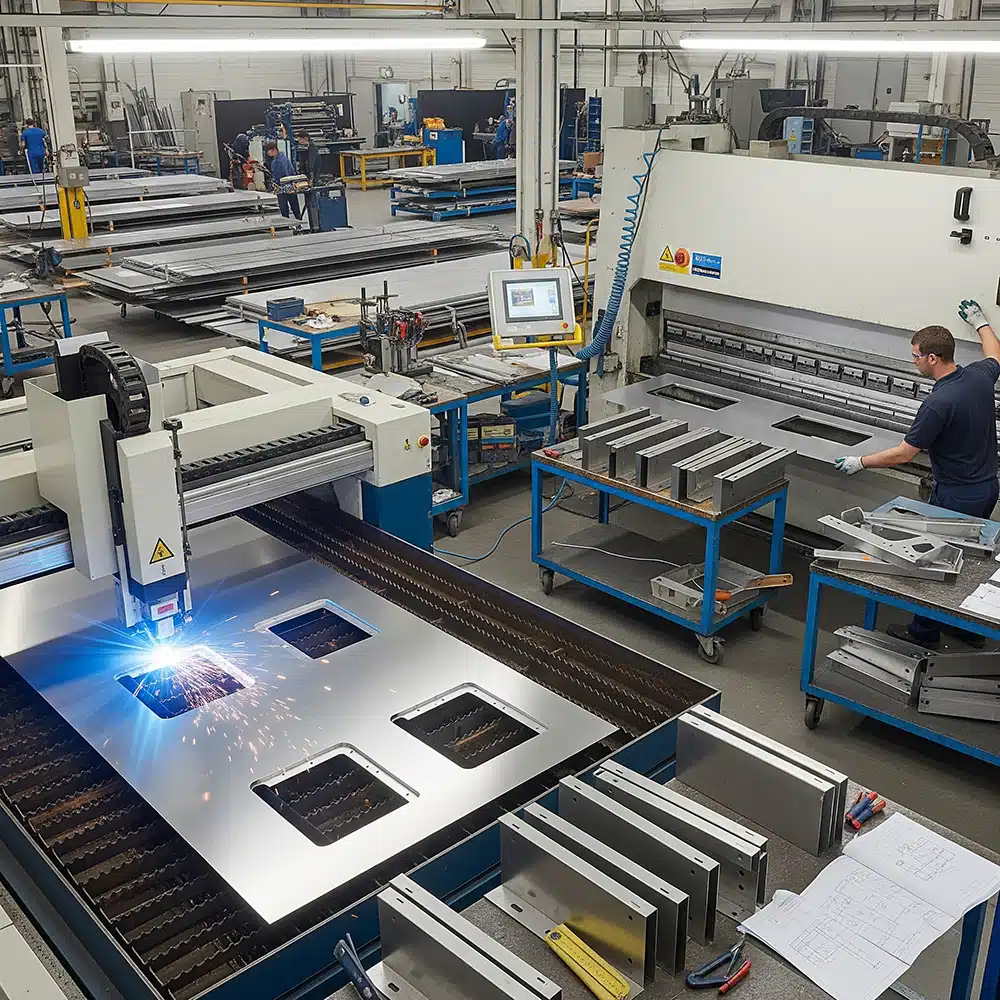
Engineering Insight: Sheet Metal Patterns – The Foundation of Precision Fabrication
In the realm of sheet metal fabrication, the accuracy and integrity of a component begin not with cutting or bending, but with the engineering of the sheet metal pattern. This foundational step determines the final geometry, fit, and function of the fabricated part. At Wuxi Lead Precision Machinery, we recognize that even the most advanced CNC press brakes and laser cutters cannot compensate for an imprecise pattern. Our decades of experience in high-stakes manufacturing for aerospace, defense, and Olympic-standard projects have reinforced a core principle: precision in pattern development is non-negotiable.
Sheet metal patterns are 2D representations of 3D components, derived through meticulous geometric calculations and material behavior modeling. The development process must account for critical variables such as material thickness, bend allowance, springback, and grain orientation. Errors in these calculations—measured in fractions of a millimeter—can lead to assembly misalignment, structural weakness, or rejection in mission-critical applications. For industries like military systems or precision instrumentation, such deviations are unacceptable.
At Lead Precision, our engineering team employs advanced CAD/CAM software integrated with finite element analysis (FEA) to simulate material deformation during forming. This predictive modeling ensures that each sheet metal pattern is optimized for both manufacturability and performance. Our proprietary algorithms factor in real-world variables such as tool wear and thermal expansion, enabling us to deliver first-time-right results consistently.
Our commitment to excellence is reflected in our project history. We have supplied precision-formed components for Olympic-grade timing systems, where dimensional stability under dynamic conditions is essential. Similarly, our work with defense contractors demands compliance with MIL-STD specifications, including tight tolerances and rigorous traceability protocols. These experiences have shaped our approach to pattern development—where every line, notch, and bend radius is engineered with intent.
Below is a representative specification table outlining the capabilities we apply to sheet metal pattern fabrication:
| Parameter | Specification |
|---|---|
| Material Thickness Range | 0.5 mm – 6.0 mm |
| Tolerance (Bend/Feature) | ±0.1 mm (standard), ±0.05 mm (precision) |
| Minimum Bend Radius | 0.8x material thickness (stainless steel) |
| Supported Materials | Mild steel, stainless steel, aluminum, copper alloys |
| CAD Software | SolidWorks, AutoCAD, Siemens NX |
| Simulation Tools | FEA-based springback and strain analysis |
| Compliance Standards | ISO 9001, MIL-STD-129, GB/T 19001 |
Precision in sheet metal patterns is not merely a technical requirement—it is a philosophy. At Wuxi Lead Precision Machinery, we treat every pattern as the blueprint of reliability. Whether supporting national defense initiatives or enabling record-breaking athletic performance, our engineering discipline ensures that every component meets the highest standard of accuracy and integrity.
Precision Specs & Tolerances
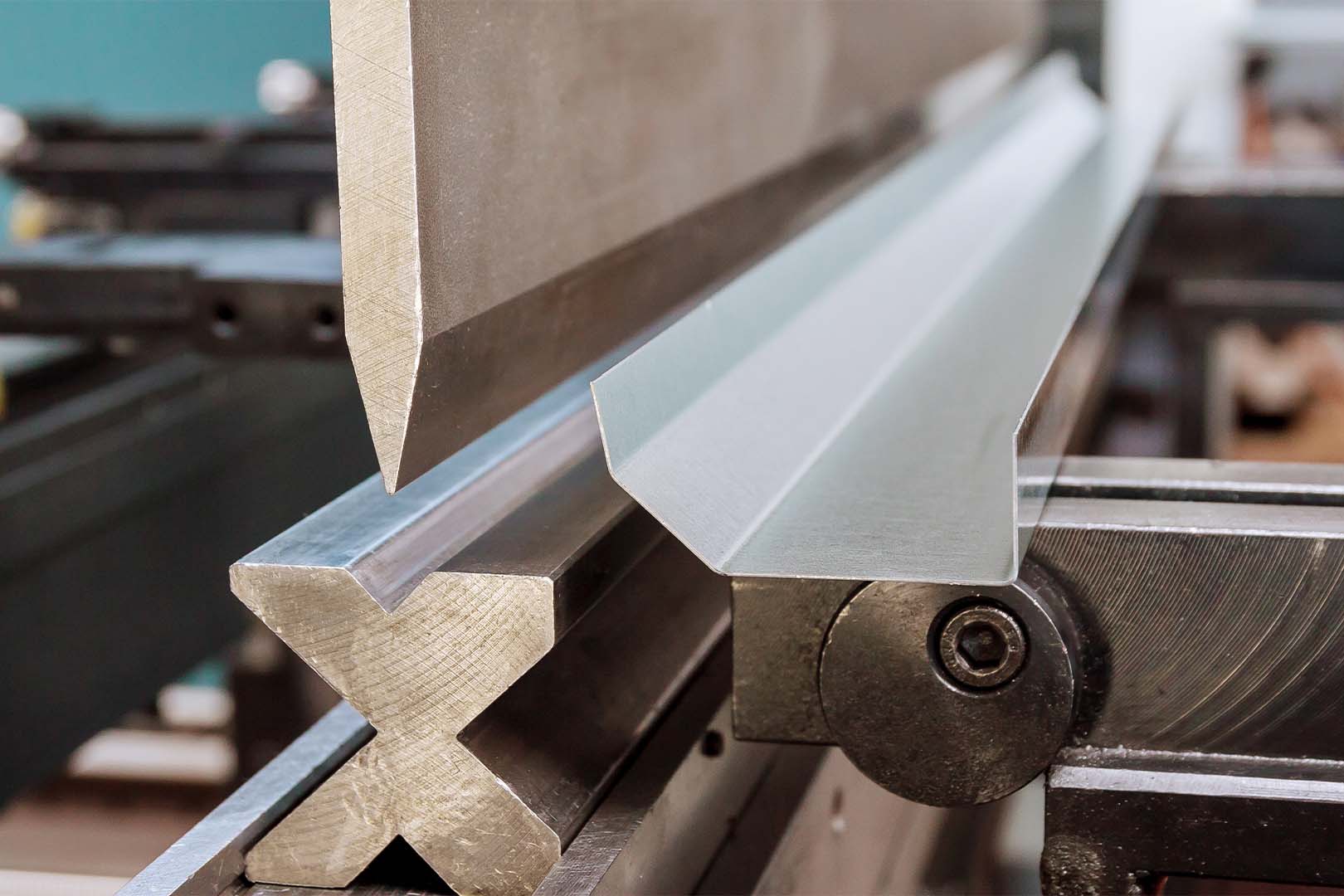
Technical Capabilities: Precision Sheet Metal Pattern Fabrication
Wuxi Lead Precision Machinery delivers uncompromising accuracy in sheet metal pattern production through integrated advanced manufacturing systems. Our facility leverages state-of-the-art 5-axis CNC machining centers, specifically configured for complex sheet metal geometries requiring multi-faceted forming, cutting, and contouring in a single setup. This eliminates cumulative errors from repositioning, ensuring dimensional integrity across intricate patterns used in aerospace, medical, and semiconductor applications. The 5-axis capability supports materials ranging from thin-gauge stainless steel and aluminum to specialized alloys up to 6mm thickness, maintaining tight tolerances even on compound curves and asymmetric features.
Critical to our process is the seamless integration of Computer-Aided Manufacturing (CAM) software with machine control systems. Each pattern undergoes rigorous virtual simulation prior to cutting, optimizing toolpaths for minimal material stress and maximal surface finish consistency. This digital workflow reduces prototyping cycles by up to 40% while guaranteeing first-article correctness for low-volume, high-complexity runs. Material handling utilizes automated sheet-fed systems with vacuum clamping, preventing distortion during high-speed machining operations essential for clean edge definition in detailed patterns.
Quality verification is embedded at every stage, anchored by Zeiss CONTURA G2 Coordinate Measuring Machine (CMM) systems. Every critical dimension undergoes full 3D scanning against CAD models, with reports documenting GD&T compliance for features such as hole positional accuracy, bend radii consistency, and surface flatness. This metrology-grade validation provides traceable evidence of conformance to ISO 2768-mK or client-specific standards, eliminating guesswork in downstream assembly. Our QC protocol includes real-time SPC monitoring during production, with automatic machine tool compensation adjustments to counter thermal drift or tool wear.
The following table details our standard achievable tolerances for sheet metal pattern fabrication, validated through CMM inspection:
| Feature | Standard Tolerance | Precision Option | Measurement Method |
|---|---|---|---|
| Linear Cutting | ±0.10 mm | ±0.05 mm | CMM / Optical Comparator |
| Hole Position | ±0.15 mm | ±0.08 mm | CMM |
| Bend Angle | ±0.5° | ±0.25° | Digital Angle Gauge |
| Bend Radius Consistency | ±0.20 mm | ±0.10 mm | Profile Projector |
| Surface Flatness | 0.15 mm/m² | 0.08 mm/m² | CMM / Granite Surface |
| Feature Symmetry | ±0.12 mm | ±0.06 mm | CMM |
This technical foundation enables Wuxi Lead to transform intricate sheet metal pattern designs into production-ready components with zero compromise on repeatability. We prioritize engineering collaboration from the quotation phase, providing DFM feedback to optimize manufacturability without sacrificing design intent. Clients receive certified dimensional reports alongside parts, ensuring seamless integration into their assembly processes and reducing total cost of ownership through first-time-right delivery. Our commitment to metrology-driven production makes us the strategic partner for mission-critical sheet metal applications where precision defines performance.
Material & Finish Options
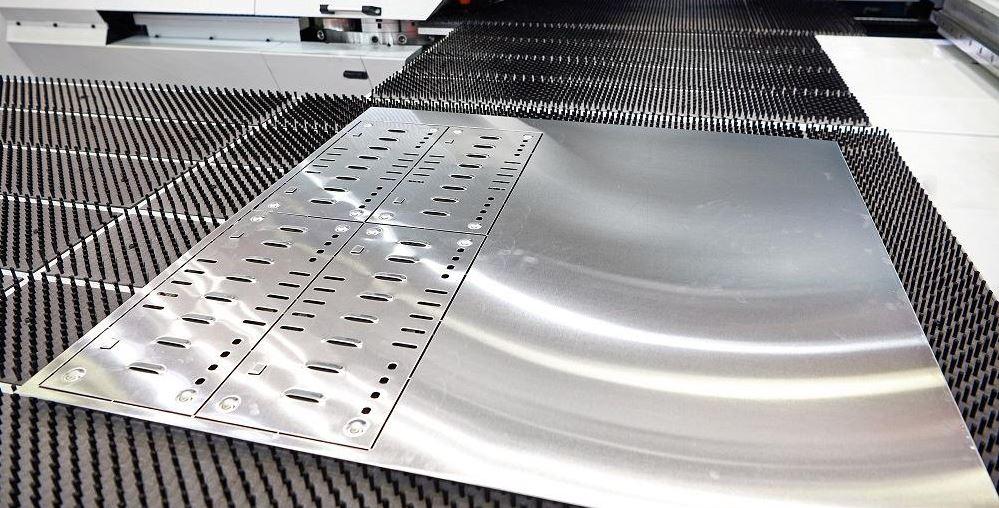
Material Selection in Sheet Metal Fabrication: A Precision Engineering Guide
Selecting the appropriate material for sheet metal fabrication is a critical decision that directly impacts product performance, longevity, and cost-efficiency. At Wuxi Lead Precision Machinery, we emphasize material compatibility with application requirements, environmental exposure, and post-processing needs. The most widely used materials in high-precision sheet metal work are aluminum, steel, and titanium—each offering distinct mechanical and chemical properties.
Aluminum is favored for its excellent strength-to-weight ratio, corrosion resistance, and machinability. It is particularly suitable for aerospace, electronics, and transportation applications where weight reduction is essential. Grade 6061-T6 is commonly used due to its weldability and moderate strength, while 5052-H32 offers superior corrosion resistance for marine environments. Aluminum’s natural oxide layer provides baseline protection, but when enhanced surface durability and aesthetic control are required, anodizing becomes a preferred finish.
Steel remains the backbone of industrial fabrication due to its high tensile strength and cost-effectiveness. Cold-rolled steel (CRS) and stainless steel (particularly grades 304 and 316) are standard choices. CRS offers dimensional accuracy and a smooth surface ideal for painting or powder coating, while stainless steel provides inherent corrosion resistance. Grade 316 stainless includes molybdenum, enhancing resistance to chlorides—making it optimal for marine and chemical processing environments.
Titanium, though more expensive, delivers unmatched performance in extreme conditions. Its high strength-to-density ratio, exceptional corrosion resistance, and ability to withstand temperatures up to 600°C make it ideal for aerospace, defense, and medical device applications. Grade 2 (commercially pure) and Grade 5 (Ti-6Al-4V) are most commonly fabricated. Despite challenges in formability and tool wear, titanium’s long-term reliability justifies its use in mission-critical components.
Surface finishing, particularly anodizing for aluminum, significantly enhances functional performance. Anodizing builds a controlled oxide layer that improves wear resistance, adhesion for paint primers, and electrical insulation. Type II (sulfuric acid) anodizing is standard for decorative and protective finishes, while Type III (hardcoat anodizing) delivers thick, durable layers for industrial wear applications. Color anodizing is achievable without dyes in certain processes, ensuring UV stability.
Below is a comparative summary of key material properties relevant to sheet metal fabrication:
| Material | Typical Grades | Tensile Strength (MPa) | Density (g/cm³) | Key Applications | Common Finishes |
|---|---|---|---|---|---|
| Aluminum | 6061-T6, 5052-H32 | 290–320 | 2.7 | Aerospace, Electronics, Transport | Anodizing, Powder Coating |
| Carbon Steel | CR1018, CR1020 | 370–440 | 7.8 | Industrial Enclosures, Frames | Paint, Zinc Plating |
| Stainless Steel | 304, 316 | 505–585 | 8.0 | Medical, Food Processing, Marine | Passivation, Brushed Finish |
| Titanium | Gr 2, Gr 5 (Ti-6Al-4V) | 345–1000 | 4.5 | Aerospace, Defense, Medical | Bead Blasting, Anodizing (Type II/III) |
Material and finish selection must be guided by engineering specifications, lifecycle demands, and environmental exposure. At Wuxi Lead Precision Machinery, we support clients with material certification, prototyping, and finish validation to ensure optimal performance in real-world applications.
Manufacturing Process & QC
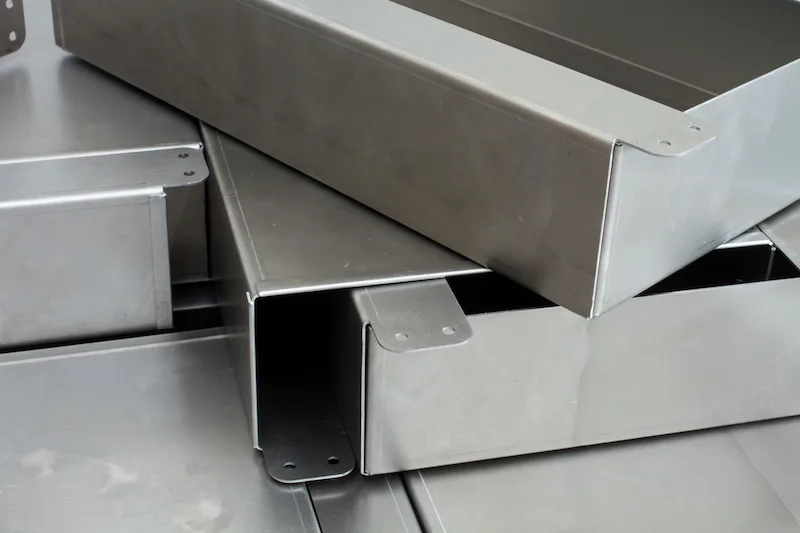
Sheet Metal Fabrication: Precision Production Process from Design to Zero-Defect Delivery
At Wuxi Lead Precision Machinery, our sheet metal fabrication process is engineered for uncompromising quality and repeatability, ensuring every component meets the stringent demands of high-end industrial applications. We execute a rigorously controlled sequence from initial concept through to mass production, embedding defect prevention at every stage to guarantee Zero Defects output. This methodology is fundamental to serving aerospace, medical device, and advanced automation sectors where failure is not an option.
The process commences with Precision Design Engineering. Our team utilizes advanced 3D CAD/CAM suites (SolidWorks, Siemens NX) to translate client specifications into optimized digital models. Critical to success is our integrated Design for Manufacturability (DFM) analysis, conducted concurrently with design. This proactive step identifies potential fabrication challenges—such as bend interference, material grain direction effects, or weld accessibility—before physical work begins. Material selection is validated against mechanical, thermal, and corrosion requirements, ensuring the chosen alloy (stainless steel, aluminum alloys, specialty metals) performs flawlessly in the end-use environment. This phase establishes the geometric and process foundation for defect elimination.
Prototyping & Process Validation serves as the critical verification checkpoint. We produce functional prototypes using the exact tooling and programming intended for full production. This is not merely a form-fit-check; it involves comprehensive dimensional verification against CAD models using CMM (Coordinate Measuring Machine) technology, rigorous first-article inspection reports (FAIR), and functional testing where applicable. Any discrepancies trigger immediate root cause analysis and process refinement. This stage confirms the manufacturability of the design, validates tooling setup parameters, and ensures the production path is fully de-risked. Only upon achieving prototype approval, with all tolerances consistently met, do we authorize mass production.
Zero-Defect Mass Production leverages our fully integrated digital manufacturing ecosystem. Production runs commence on calibrated, high-precision equipment operating under strict Statistical Process Control (SPC) protocols. Real-time monitoring of critical parameters—laser power, bend angle feedback, weld penetration depth—ensures process stability. Automated in-process inspection stations, including vision systems and laser scanners, continuously verify key features against the digital twin. Our closed-loop quality system triggers automatic process correction at the first sign of parameter drift, preventing non-conforming parts from progressing. Final inspection employs 100% critical dimension checks and batch sampling for non-critical features per AS9102 or client-specific standards. This systematic approach, combining advanced technology with disciplined process control, delivers consistent Zero Defects performance at scale.
Wuxi Lead Precision Machinery Core Production Capabilities
| Process | Equipment Examples | Material Thickness Range | Key Tolerances Achieved | Max Work Envelope |
|---|---|---|---|---|
| Laser Cutting | Amada LC, Bystronic Bystar | 0.5mm – 25mm | ±0.05mm (positional) | 4000mm x 2000mm |
| CNC Bending | Amada HG, Trumpf TruBend | 0.8mm – 6.0mm | ±0.2° (angle) | 3100mm length |
| Precision Welding | Fronius TPS, Laser Hybrid | Up to 10mm | ±0.1mm (joint gap) | Complex 3D assemblies |
| Automated Finishing | Robotic Deburring Cells | All processed materials | Ra ≤ 0.8µm (critical) | Full part coverage |
This seamless integration of precision engineering, validated prototyping, and digitally controlled mass production ensures Wuxi Lead delivers sheet metal components that consistently exceed the highest global quality benchmarks, driving our clients’ operational excellence.
Why Choose Wuxi Lead Precision
Partner with Wuxi Lead Precision Machinery for Advanced Sheet Metal Pattern Solutions
In the competitive landscape of precision manufacturing, the quality of sheet metal patterns directly impacts the performance, durability, and cost-efficiency of end products. At Wuxi Lead Precision Machinery, we specialize in delivering engineered sheet metal fabrication solutions that meet the exacting standards of aerospace, automotive, medical, and industrial equipment sectors. Our expertise in pattern development, laser cutting, bending, and assembly ensures that every component we produce aligns with your technical and operational requirements.
Sheet metal patterns are more than templates—they are the foundation of precision engineering. Poorly designed or inaccurately fabricated patterns lead to material waste, assembly failures, and increased production downtime. Our engineering team utilizes advanced CAD/CAM software and 3D simulation tools to develop optimized flat patterns that account for material behavior, bend allowances, and tolerance stacking. This proactive approach minimizes trial-and-error, accelerates prototyping, and ensures first-time-right production.
We operate a fully integrated manufacturing facility equipped with state-of-the-art fiber laser cutters, CNC press brakes, and robotic welding cells. Our ISO 9001:2015 certified processes guarantee consistency across batch sizes—from rapid prototypes to high-volume production runs. Whether you require complex geometries in stainless steel, aluminum, or specialty alloys, our team maintains tight tolerances and superior edge quality throughout the fabrication cycle.
Our clients rely on us not only for manufacturing but as a technical extension of their engineering departments. We offer Design for Manufacturability (DFM) reviews, material selection guidance, and lifecycle cost analysis to support your product development goals. By partnering with Lead Precision, you gain access to a responsive, scalable, and technologically advanced fabrication partner committed to on-time delivery and long-term collaboration.
Below are key capabilities that define our sheet metal pattern and fabrication services.
| Specification | Detail |
|---|---|
| Material Thickness Range | 0.5 mm – 25 mm |
| Maximum Laser Cutting Area | 1500 mm × 3000 mm |
| Tolerance Accuracy | ±0.1 mm (standard), ±0.05 mm (precision) |
| Supported Materials | Mild steel, stainless steel, aluminum, copper, brass |
| Bending Capacity | Up to 3000 mm length, angles to ±1° |
| Finishing Options | Deburring, grinding, powder coating, passivation |
| Quality Standards | ISO 9001:2015, ISO 14001:2015 |
| Lead Time (Prototype) | 5–7 working days |
| Lead Time (Production) | 10–20 working days, scalable |
Partnering with Wuxi Lead Precision Machinery means choosing precision, reliability, and innovation. We are committed to supporting global manufacturers with responsive communication, technical transparency, and scalable production capacity. For expert assistance in sheet metal pattern design and fabrication, contact us today at [email protected]. Let us help you turn complex designs into high-performance components—efficiently and accurately.
⚙️ Precision Cost Estimator
Estimate relative manufacturing effort based on tolerance.