Technical Contents
Engineering Guide: Sheet Metal Market
Engineering Insight Precision as the Non-Negotiable Foundation of Sheet Metal Fabrication
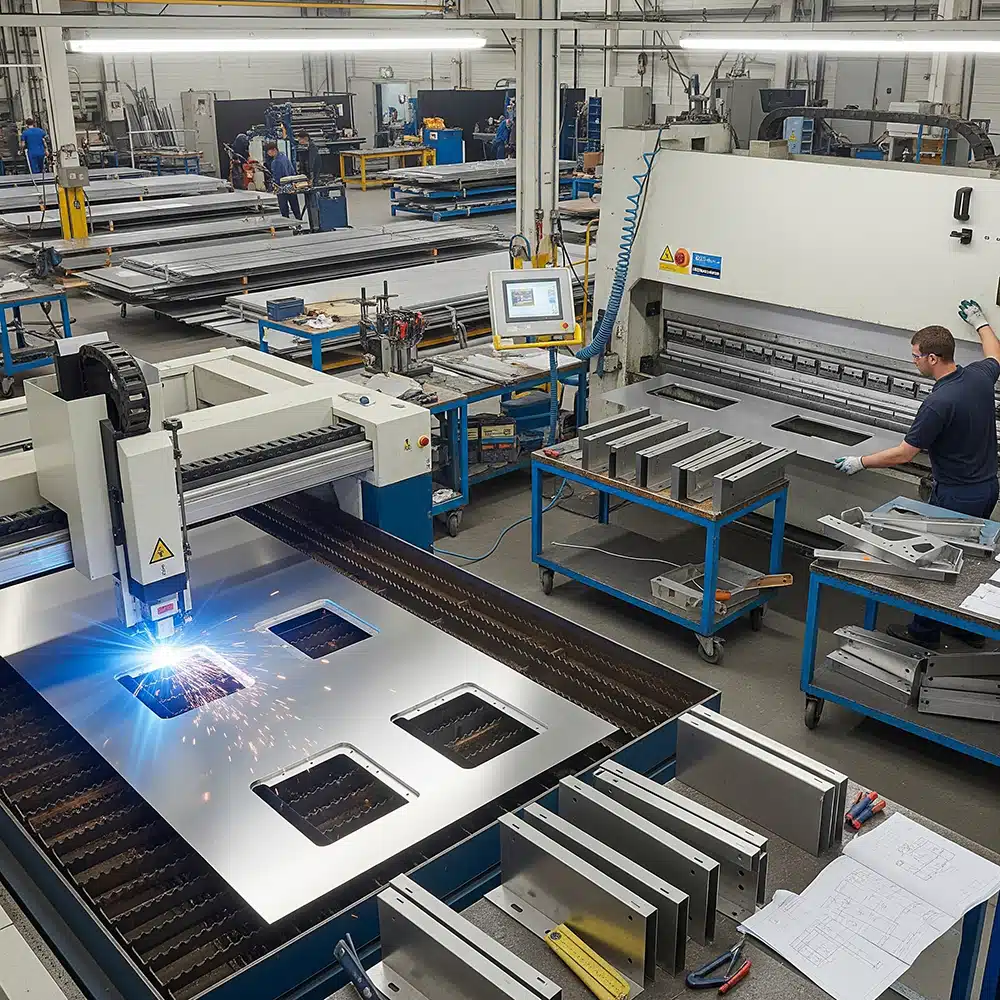
In the competitive global sheet metal market precision transcends mere specification it is the fundamental determinant of product integrity performance and cost efficiency. Modern manufacturing demands components that assemble flawlessly on the first attempt minimizing costly rework scrap and production delays. Microscopic deviations in cut angles bend radii or hole placement propagate through assembly sequences creating cascading failures in final products. For industries like aerospace defense and high-end medical equipment where Wuxi Lead Precision Machinery operates even micron-level inaccuracies compromise structural safety regulatory compliance and operational lifespan. Precision engineering directly translates to reduced total cost of ownership through optimized material yield faster throughput and elimination of downstream correction processes.
The consequences of inadequate precision manifest acutely in complex assemblies. A 0.1mm tolerance stack-up across multiple brackets can prevent critical subsystem integration halting entire production lines. Surface finish inconsistencies on laser-cut edges induce premature fatigue in dynamic applications. Inconsistent bend angles disrupt automated welding sequences increasing fixturing complexity. These are not hypothetical scenarios but daily challenges mitigated only through rigorous process control metrology and engineering expertise. True precision requires holistic integration from initial material selection through nesting algorithms machine calibration real-time monitoring and final inspection. It demands machines capable of sustaining tolerances under thermal load and vibration not just during initial setup.
Wuxi Lead Precision Machinery has engineered solutions for environments where failure is not an option. Our facility delivered mission-critical sheet metal components for Beijing 2022 Winter Olympic infrastructure requiring absolute dimensional stability across extreme temperature fluctuations. We maintain long-term partnerships with Tier-1 defense contractors producing classified structural assemblies where tolerances align with MIL-STD-883 standards. This experience forged our operational philosophy: precision must be measurable repeatable and documented at every process stage. Our investment in technology serves this principle not as an end in itself.
Our core equipment capabilities demonstrate this commitment quantitatively:
| Process | Machine Type | Positioning Accuracy | Angular Tolerance | Repeatability |
|---|---|---|---|---|
| Laser Cutting | Fiber Laser Systems | ±0.02 mm | N/A | ±0.01 mm |
| CNC Bending | Press Brakes | N/A | ±0.05° | ±0.03° |
| CNC Punching | Turret Presses | ±0.03 mm | N/A | ±0.02 mm |
| Final Inspection | CMM Systems | ±0.0025 mm | N/A | ±0.001 mm |
These specifications reflect sustained performance under production conditions adhering to ISO 2768-mK standards. Crucially our engineers leverage this capability through material-specific compensation algorithms and in-process gauging ensuring first-article correctness. The sheet metal market increasingly rewards partners who treat precision as a systemic engineering requirement rather than a post-production check. At Wuxi Lead we embed this mindset from quotation through delivery ensuring your components perform exactly as designed every time. This is the standard demanded by Olympic venues and military platforms alike.
Precision Specs & Tolerances
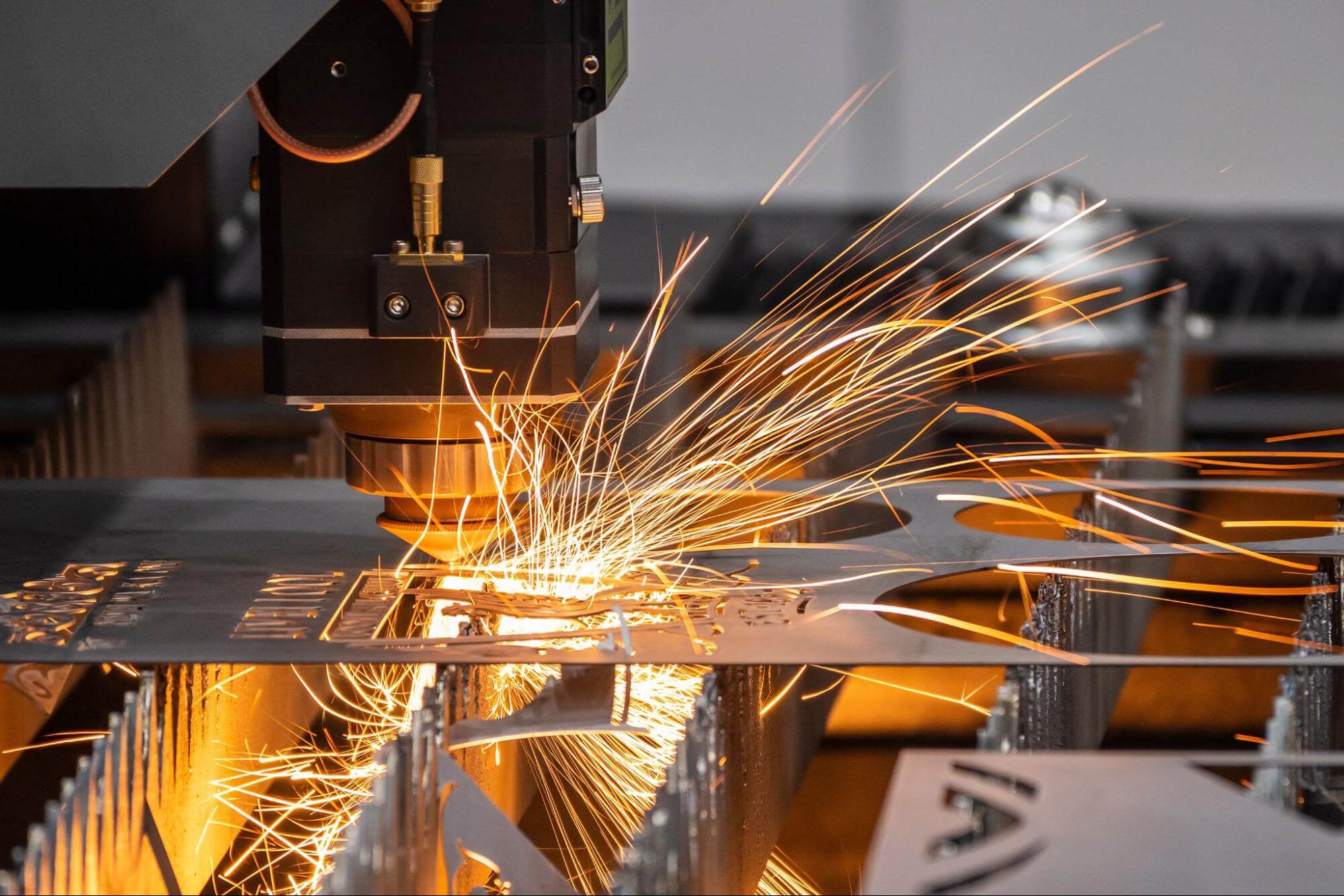
Wuxi Lead Precision Machinery delivers advanced sheet metal fabrication services engineered for high-precision industrial applications. Our technical capabilities are built around state-of-the-art 5-axis CNC machining systems, enabling complex geometries and tight tolerances that meet the demands of aerospace, medical, automation, and advanced electronics sectors. These multi-axis platforms provide superior flexibility, allowing simultaneous machining from multiple angles without repositioning, which significantly enhances accuracy and reduces lead times.
Our 5-axis CNC technology supports a wide range of sheet metal materials, including stainless steel, aluminum alloys, carbon steel, and specialty alloys. This versatility ensures compatibility with diverse engineering requirements, from prototyping to high-volume production. Integrated CAD/CAM software enables seamless translation of digital designs into physical components, ensuring consistency and repeatability across production runs. Precision tooling and real-time monitoring systems further enhance machining performance, minimizing deviations and optimizing surface finishes.
Quality control is central to our manufacturing philosophy. Every component undergoes rigorous inspection using a Coordinate Measuring Machine (CMM), ensuring dimensional accuracy and compliance with international standards. The CMM system provides non-contact and tactile measurement with micron-level resolution, validating critical features such as hole placement, edge alignment, and form accuracy. Data from each inspection is documented and traceable, supporting full quality assurance documentation for regulated industries.
We maintain strict environmental and operational controls within our facility to ensure machine stability and measurement integrity. Temperature-regulated environments, calibrated tooling, and routine machine maintenance contribute to sustained precision across all production phases. Our engineering team works closely with clients during design-for-manufacturability (DFM) reviews to optimize part geometry, material selection, and process efficiency before production begins.
The following table outlines the standard technical tolerances achievable across our sheet metal fabrication processes:
| Feature | Standard Tolerance | High-Precision Capability |
|---|---|---|
| Linear Dimensions (up to 300 mm) | ±0.05 mm | ±0.02 mm |
| Linear Dimensions (300–600 mm) | ±0.08 mm | ±0.03 mm |
| Hole Diameter (drilled) | ±0.05 mm | ±0.02 mm |
| Hole Position | ±0.05 mm | ±0.03 mm |
| Edge-to-Edge Alignment | ±0.06 mm | ±0.04 mm |
| Angular Features | ±0.1° | ±0.05° |
| Surface Flatness (per 100 mm) | 0.05 mm | 0.02 mm |
| Repeatability (5-axis CNC) | ±0.01 mm | ±0.005 mm |
These specifications reflect our commitment to precision and consistency, ensuring that every fabricated component meets or exceeds client expectations. At Wuxi Lead Precision Machinery, technical excellence is not an outcome—it is the foundation of our manufacturing process.
Material & Finish Options
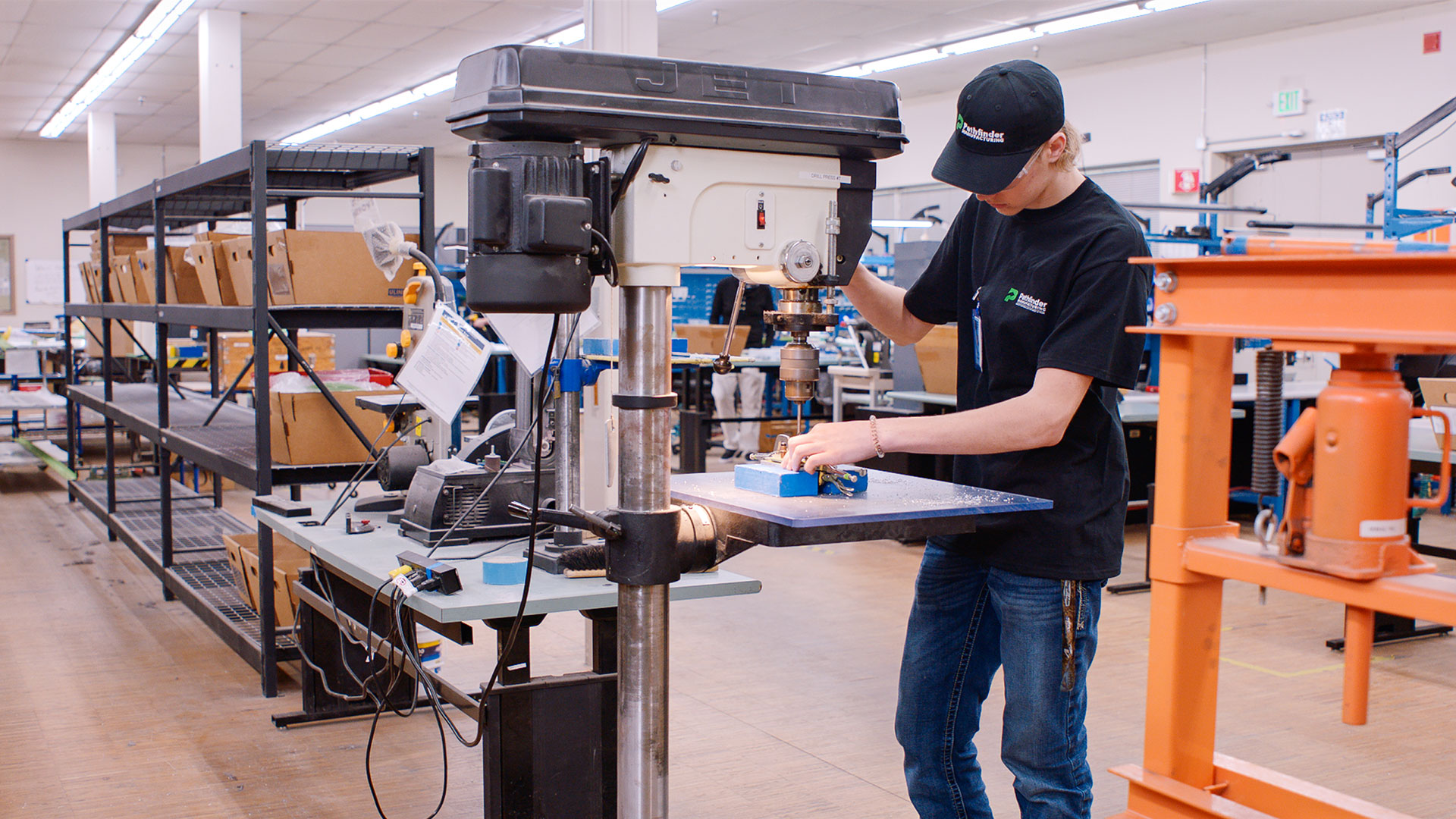
Strategic Material Selection in Precision Sheet Metal Fabrication
Material selection fundamentally determines the performance, longevity, and cost-efficiency of sheet metal components. At Wuxi Lead Precision Machinery, we emphasize that optimal choices align with functional requirements, environmental exposure, and lifecycle economics. This guide details critical considerations for aluminum, steel, and titanium—three dominant materials in high-end fabrication—alongside essential finishing processes like anodizing.
Aluminum alloys, particularly 6061-T6 and 5052-H32, dominate aerospace, electronics, and medical applications due to their exceptional strength-to-weight ratio and inherent corrosion resistance. These grades machine cleanly on our CNC systems, minimizing tool wear while achieving tight tolerances. Anodizing is non-negotiable for aluminum in demanding environments; it transforms the surface into a durable, non-conductive oxide layer resistant to abrasion and chemical degradation. Type II (sulfuric acid) anodizing provides standard corrosion protection, while Type III (hardcoat) delivers extreme wear resistance for hydraulic components or military hardware. Ignoring anodizing in humid or chemically active settings risks premature pitting and structural compromise.
Carbon steel (ASTM A36) remains cost-effective for structural frames and industrial machinery where weight is secondary to strength. However, its vulnerability to oxidation necessitates protective finishes like powder coating or galvanization. For corrosive or sanitary applications—medical devices, food processing—stainless steel grades 304 and 316L are imperative. Their chromium-nickel composition ensures passive corrosion resistance, with 316L’s molybdenum content excelling against chlorides. Note that stainless steel’s work-hardening tendency demands specialized CNC parameters to prevent burring during cutting or bending.
Titanium alloys (Grade 2, 5) serve mission-critical roles in aerospace and marine sectors where extreme strength, temperature resilience, and absolute corrosion immunity are paramount. Though costly and challenging to machine, titanium’s biocompatibility and fatigue resistance justify its use in implants or jet engine components. Surface treatments like acid etching or laser texturing often precede anodizing to enhance adhesion for secondary coatings.
Below is a comparative specification table for key materials:
| Material | Common Grade | Yield Strength (MPa) | Corrosion Resistance | Typical Applications |
|---|---|---|---|---|
| Aluminum | 6061-T6 | 276 | Moderate (excellent with anodizing) | Enclosures, heat sinks, brackets |
| Carbon Steel | A36 | 250 | Low (requires coating) | Structural supports, chassis |
| Stainless Steel | 316L | 170 | High | Medical instruments, marine hardware |
| Titanium | Ti-6Al-4V | 880 | Exceptional | Aerospace fittings, surgical implants |
Selecting the right material-finishing combination prevents field failures and reduces total ownership costs. Wuxi Lead Precision Machinery leverages ISO 9001-certified processes and advanced CNC systems to transform these materials into components meeting AS9100 or ISO 13485 standards. Our engineering team collaborates with clients during the design phase to validate material suitability against operational stresses, ensuring your fabrication investment delivers uncompromised performance. Partner with us to convert material science into manufacturing excellence.
Manufacturing Process & QC
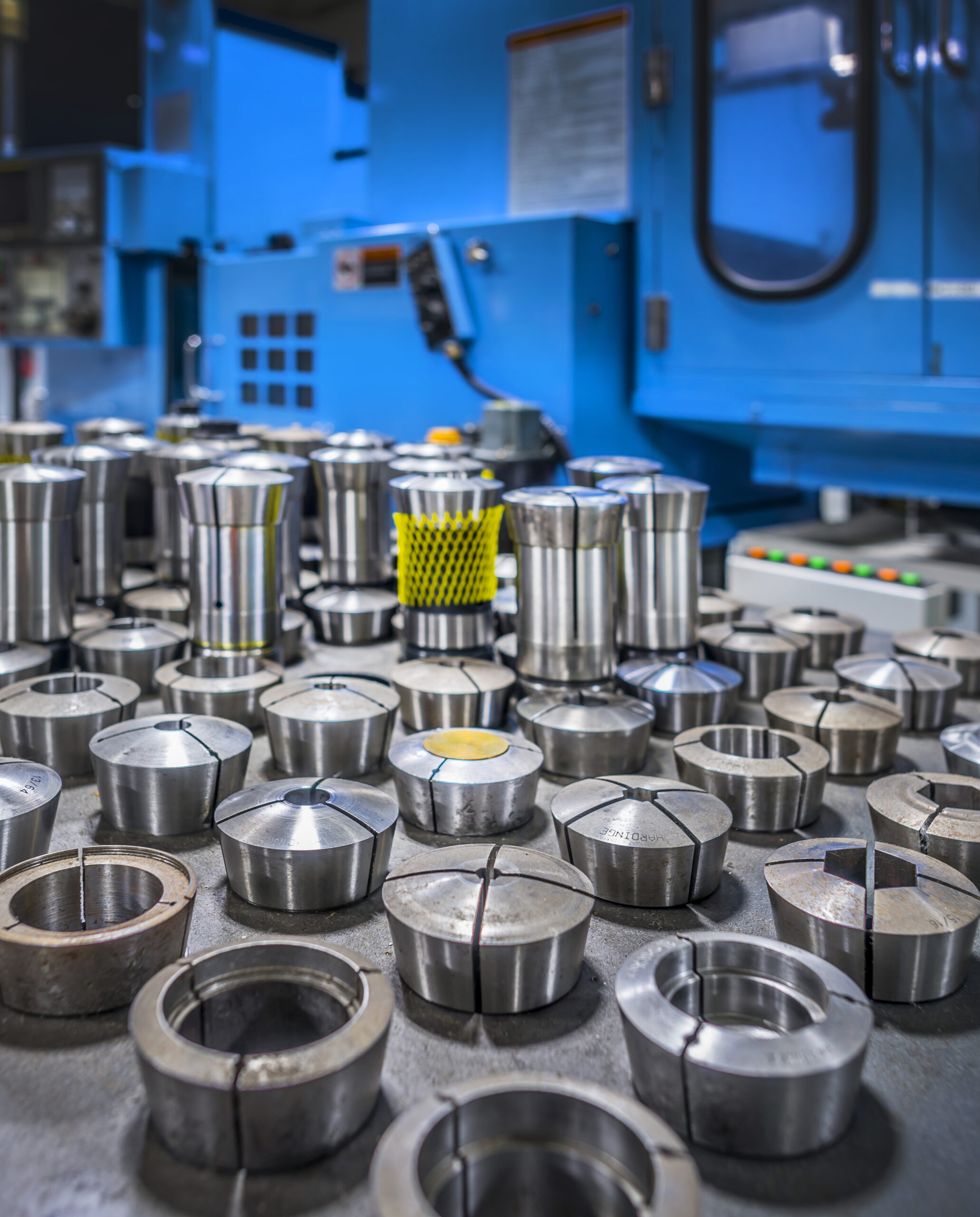
The sheet metal fabrication process at Wuxi Lead Precision Machinery follows a disciplined, high-precision pathway from initial design through prototyping to full-scale mass production. Our integrated approach ensures zero-defect manufacturing by embedding quality assurance at every stage, leveraging advanced technology and rigorous process controls tailored to meet the demands of high-end industrial clients.
Design begins with a collaborative engineering review, where our technical team works closely with client specifications to optimize part geometry, material selection, and manufacturability. Utilizing 3D CAD software such as SolidWorks and AutoCAD, we develop detailed models that simulate real-world performance, including stress analysis and formability predictions. This phase ensures dimensional accuracy, minimizes material waste, and identifies potential fabrication challenges before physical production begins. Design for Manufacturability (DFM) principles are strictly applied to streamline downstream processes and reduce lead times.
Once the design is finalized, we proceed to prototyping using high-accuracy CNC punching, laser cutting, and bending equipment. Prototypes are produced on the same production-grade machinery used in full runs, ensuring consistency and reliability. Each prototype undergoes comprehensive inspection using coordinate measuring machines (CMM) and optical comparators to verify tolerances, hole placement, bend angles, and surface integrity. Feedback from prototype testing is integrated rapidly, allowing for immediate design refinement if required. This iterative validation ensures that the final product meets or exceeds performance and quality expectations.
Mass production is executed under a fully documented quality management system compliant with ISO 9001 standards. Our automated production lines integrate laser cutting, turret punching, robotic bending, and precision welding, all monitored in real time. Statistical Process Control (SPC) is employed to detect deviations before they affect output, enabling proactive corrections. Every batch is subjected to in-process and final inspections, with traceability maintained for all components. Our zero-defect philosophy is reinforced through employee training, preventive maintenance schedules, and continuous process improvement initiatives such as Lean Six Sigma.
Throughout the entire production cycle, we maintain transparent communication with clients, providing detailed inspection reports, process updates, and sample approvals. This end-to-end control ensures consistent quality, on-time delivery, and full compliance with international standards.
Below are key specifications for our sheet metal fabrication capabilities:
| Parameter | Specification |
|---|---|
| Material Thickness Range | 0.5 mm – 6.0 mm |
| Tolerances (Cutting) | ±0.1 mm |
| Tolerances (Bending) | ±0.2°, ±0.1 mm |
| Max Part Size | 3000 mm × 1500 mm |
| Materials Processed | Cold Rolled Steel, Stainless Steel, Aluminum, Galvanized Steel |
| Production Capacity | Up to 500,000 parts per month |
| Quality Standards | ISO 9001:2015, RoHS, full inspection reporting |
This structured, technology-driven process enables Wuxi Lead Precision Machinery to deliver superior sheet metal components with unmatched consistency, supporting global clients in automotive, medical, energy, and advanced equipment sectors.
Why Choose Wuxi Lead Precision
Strategic Partnership for Precision Sheet Metal Solutions
In the competitive landscape of precision sheet metal fabrication, selecting a manufacturing partner transcends transactional relationships. It demands alignment with an entity that integrates engineering rigor, process mastery, and unwavering commitment to your project’s success. Wuxi Lead Precision Machinery stands as your dedicated collaborator for mission-critical sheet metal components, where technical excellence converges with responsive partnership. We recognize that delays, dimensional inaccuracies, or material inconsistencies directly impact your production timelines and end-product integrity. Our approach eliminates these risks through proactive engineering engagement, real-time process transparency, and adherence to the strictest quality benchmarks.
Our facility operates at the forefront of sheet metal innovation, leveraging advanced CNC turret punching, laser cutting, bending, and welding systems. Every process is governed by ISO 9001-certified protocols, ensuring repeatability and traceability from raw material to finished component. We specialize in complex geometries, tight-tolerance assemblies, and specialized material processing—including stainless steel, aluminum alloys, and exotic metals—where conventional suppliers often encounter limitations. The table below outlines our core technical capabilities for immediate reference.
| Capability | Specification Range |
|---|---|
| Material Thickness | 0.5 mm – 6.0 mm (mild steel) |
| Laser Cutting Tolerance | ±0.05 mm |
| CNC Bending Accuracy | ±0.1° angular, ±0.03 mm linear |
| Max Workpiece Dimensions | 3000 mm x 1500 mm |
| Surface Finishing Options | Anodizing, powder coating, passivation |
| Lead Time (Prototype) | 7–10 business days |
Beyond machinery, our value emerges in collaborative problem-solving. Our engineering team engages during your design phase to optimize manufacturability, reduce waste, and anticipate assembly challenges—transforming potential bottlenecks into opportunities for cost and time savings. Whether you require low-volume prototypes for validation or high-volume production runs exceeding 50,000 units annually, we scale our resources without compromising precision. This agility is reinforced by digital workflow integration, allowing secure data sharing and milestone tracking through your preferred PLM or ERP systems.
Global supply chain volatility necessitates partners who prioritize resilience. At Lead Precision, we maintain strategic material inventory buffers for critical alloys and deploy predictive maintenance on all production assets, minimizing unplanned downtime. Our quality assurance extends beyond in-process inspections; we provide comprehensive material certifications, first-article inspection reports (FAIR), and 3D scanning validation for critical features. This systematic diligence ensures your components meet aerospace, medical, or industrial equipment standards without rework or certification delays.
Initiate a partnership where precision is non-negotiable and communication is seamless. Contact our engineering sales team directly at [email protected] to discuss your specific fabrication challenges. Include your project timeline, material specifications, and dimensional requirements for a tailored capability assessment within 24 business hours. We will provide actionable feedback on design optimization, feasibility, and a transparent quotation—no generic templates, only engineered solutions. Trust Wuxi Lead Precision Machinery to become an extension of your technical team, driving excellence in every bend, cut, and assembly. Your next breakthrough component begins with a single email.
⚙️ Precision Cost Estimator
Estimate relative manufacturing effort based on tolerance.