

Technical Contents
Engineering Guide: Sheet Metal Galvanized
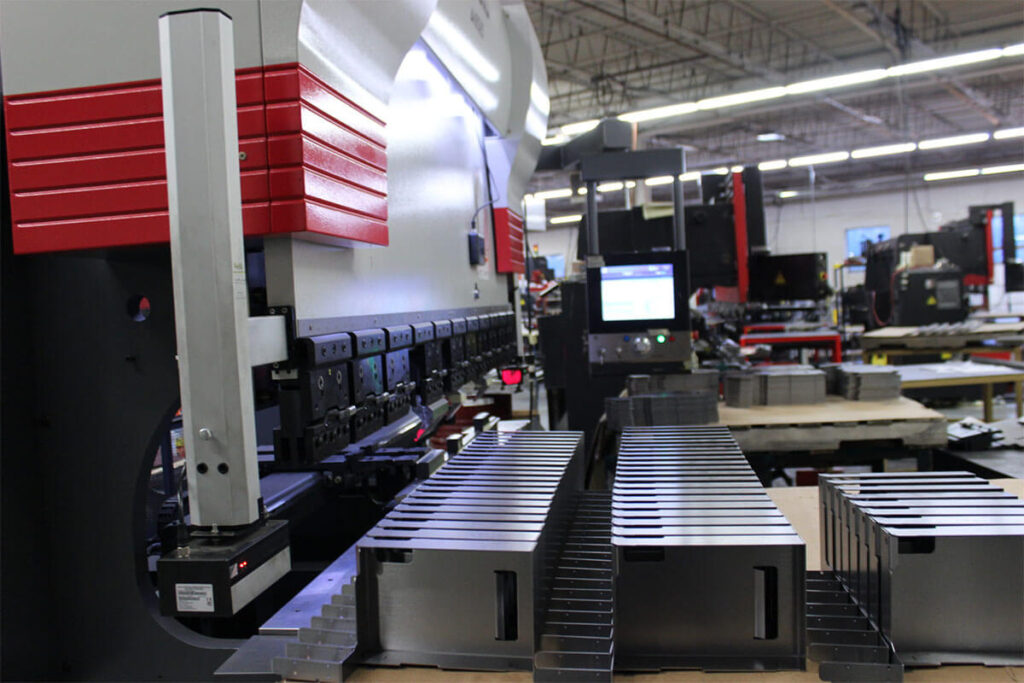
Engineering Insight Precision Imperatives in Galvanized Sheet Metal Fabrication
Galvanized sheet metal forms the backbone of countless industrial and structural applications due to its exceptional corrosion resistance. However, the true value of galvanization is critically dependent on the underlying precision of the fabrication process. Inconsistent forming, inaccurate bending, or poor dimensional control prior to coating introduces micro-fractures and stress points that compromise the zinc layer’s integrity. This leads to accelerated corrosion at vulnerable edges and bends, negating the very purpose of galvanization and risking premature component failure in demanding environments. Precision isn’t merely desirable; it is the non-negotiable foundation ensuring the galvanized coating performs as engineered throughout its intended service life.
At Wuxi Lead Precision Machinery, we treat galvanized fabrication as a high-stakes engineering discipline. Our approach begins long before the sheet enters the galvanizing bath. Utilizing advanced CNC punching, laser cutting, and press brake systems with sub-0.1mm repeatability, we achieve exacting dimensional tolerances on blanks and formed parts. This precision minimizes internal stresses induced during bending, preventing coating delamination and ensuring uniform zinc adhesion even on complex geometries. Rigorous in-process metrology, including CMM verification at critical stages, guarantees that parts meet stringent flatness and angularity specifications before galvanizing. This proactive control is essential, as post-galvanizing corrections are impossible without damaging the protective layer.
Our commitment to precision is validated through demanding real-world applications. We have successfully delivered mission-critical galvanized structural components for major international sporting infrastructure, where environmental exposure and structural integrity are paramount. Furthermore, our adherence to military-grade fabrication standards – including strict control over material traceability, process validation, and dimensional reporting – underscores our capability to meet the most exacting requirements for defense and aerospace support systems. This experience translates directly to superior performance and longevity for every client’s galvanized component.
The following table outlines key precision specifications essential for high-performance galvanized sheet metal fabrication, reflecting the standards consistently achieved at Lead Precision:
| Specification Parameter | Typical Tolerance/Range | Critical Standard Reference | Impact on Galvanized Performance |
|---|---|---|---|
| Material Thickness Tolerance | ±0.05 mm to ±0.10 mm | ASTM A653 / ISO 3575 | Ensures consistent coating weight and forming behavior |
| Flatness (After Forming) | ≤ 0.10 mm per 300 mm | ISO 1302 / MIL-STD-883 | Prevents pooling, ensures uniform coating adhesion |
| Bending Angle Tolerance | ±0.5° | ISO 2768-mK | Minimizes stress concentration at bends, avoids cracks |
| Hole Positional Tolerance | ±0.05 mm | ISO 2768-fK | Critical for assembly; prevents coating damage during fit-up |
| Coating Weight (Post-Galv) | 180-275 g/m² (G90) | ASTM A123 / ISO 1461 | Directly correlates with corrosion resistance lifespan |
Achieving these specifications demands integrated expertise in material science, CNC process engineering, and quality assurance – a synergy perfected through our work on Olympic-scale projects and military supply chains. For applications where corrosion resistance and structural reliability are non-negotiable, partnering with a fabricator who engineers precision into every stage of the galvanized process is fundamental. Wuxi Lead Precision Machinery delivers this assurance, transforming galvanized sheet metal from a basic material into a guaranteed, high-performance solution. Contact us to discuss precision-engineered galvanized components for your most critical applications.
Precision Specs & Tolerances
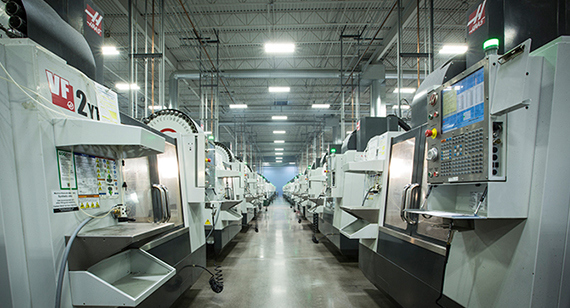
Wuxi Lead Precision Machinery delivers advanced sheet metal fabrication services tailored for high-performance industrial applications, with a specialized focus on galvanized sheet metal processing. Our technical capabilities are engineered to meet stringent international standards, ensuring precision, durability, and consistency across every production run. Galvanized sheet metal, known for its superior corrosion resistance and structural integrity, is processed using state-of-the-art equipment and tightly controlled workflows to maintain coating integrity and dimensional accuracy.
At the core of our fabrication capability is our 5-axis CNC machining technology. This advanced system enables complex geometries and tight-tolerance features to be machined directly into galvanized sheet components with minimal handling and setup variation. The 5-axis platform provides simultaneous multi-directional tool access, allowing for intricate cuts, bevels, and contours that would be unachievable with conventional 3-axis systems. This capability is particularly valuable for clients in aerospace, energy, and heavy machinery sectors, where part complexity and performance under stress are critical.
All galvanized sheet metal components undergo a fully integrated quality control process, anchored by Coordinate Measuring Machine (CMM) inspection. Our CMM systems provide micron-level verification of critical dimensions, ensuring that every part conforms to the original engineering specifications. This metrology-backed validation is performed at multiple stages—post-cutting, post-forming, and pre-shipment—to guarantee consistency and detect any deviation early in the process. Our quality management system is ISO-compliant, and inspection reports are available with full traceability for every production batch.
We maintain strict control over material handling to prevent damage to the galvanized coating during fabrication. Specialized tooling and fixturing are used to minimize surface contact, and all operators are trained in best practices for coated material processing. This attention to detail preserves the corrosion-resistant properties of the galvanized layer while achieving high-precision results.
The following table outlines the standard technical tolerances achievable in our galvanized sheet metal fabrication process:
| Parameter | Standard Tolerance | High-Precision Capability |
|---|---|---|
| Linear Dimensions (mm) | ±0.2 mm | ±0.05 mm |
| Hole Diameter | ±0.1 mm | ±0.03 mm |
| Hole Position | ±0.15 mm | ±0.08 mm |
| Edge-to-Edge Distance | ±0.2 mm | ±0.1 mm |
| Bend Angle | ±0.5° | ±0.2° |
| Bend Length | ±0.2 mm | ±0.1 mm |
| Surface Flatness (per 100mm) | 0.1 mm | 0.05 mm |
| Feature-to-Feature (CMM-Verified) | ±0.1 mm | ±0.05 mm |
Our technical infrastructure, combined with rigorous quality assurance, positions Wuxi Lead Precision Machinery as a trusted partner for mission-critical galvanized sheet metal components. We support low-volume prototypes through high-volume production with equal precision, offering scalable solutions without compromise on quality.
Material & Finish Options
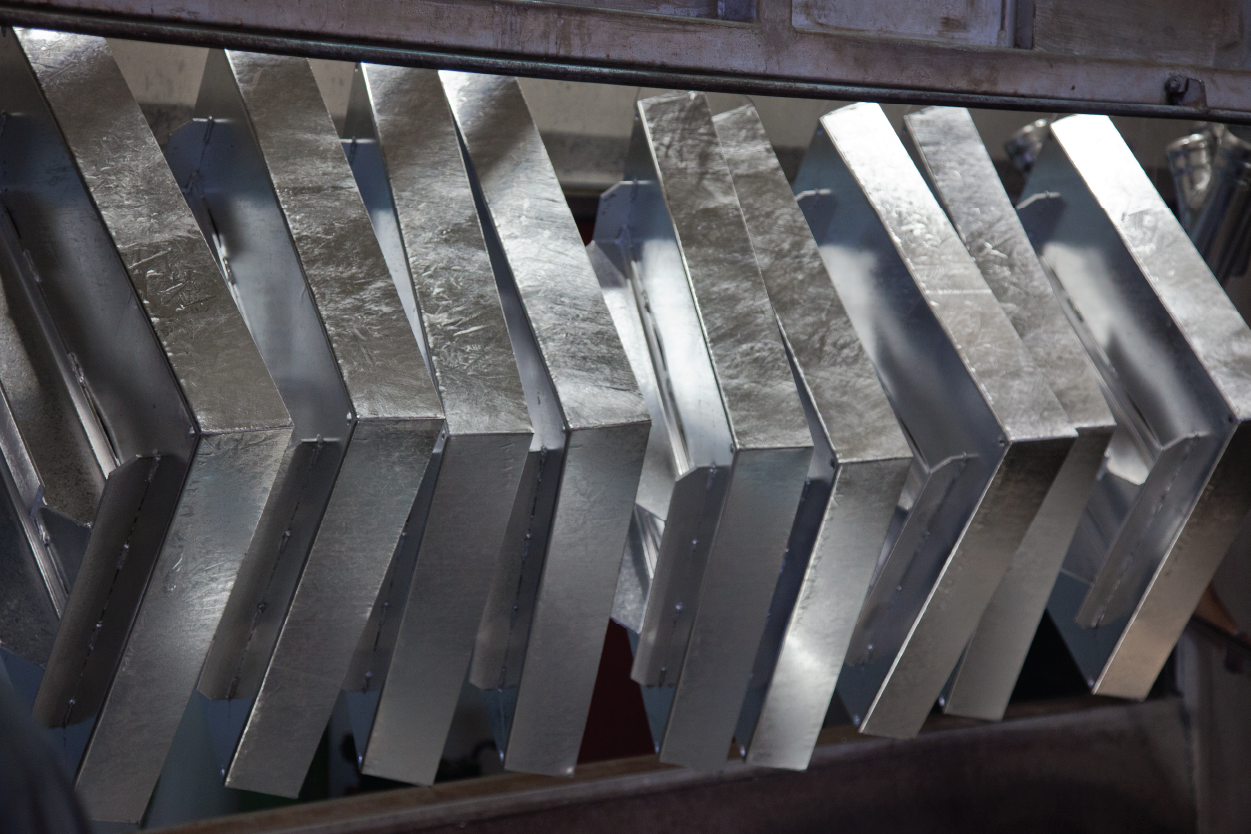
Material Selection for Precision Sheet Metal Fabrication
Material selection fundamentally determines the performance, longevity, and cost-effectiveness of sheet metal components, especially where corrosion resistance is critical. At Wuxi Lead Precision Machinery, we prioritize matching the optimal substrate and finish to your specific environmental exposure, mechanical requirements, and budget constraints. Galvanization is a primary defense for steel, but aluminum and titanium offer distinct advantages in weight-sensitive or highly corrosive applications. Understanding the interplay between base material and surface treatment is non-negotiable for high-reliability manufacturing.
Galvanized steel remains the dominant choice for structural and cost-driven applications requiring robust corrosion protection. Hot-dip galvanizing (HDG) applies a thick, durable zinc-iron alloy layer, ideal for outdoor construction, enclosures, and agricultural equipment exposed to weather. Electro-galvanizing (EG) provides a thinner, smoother, more uniform zinc coating suitable for painted automotive body panels or appliances where aesthetics and paint adhesion are paramount. The zinc sacrificially corrodes, protecting the underlying steel. Common grades include ASTM A653 commercial steel with coating designations like G60 (0.60 oz/ft² total coating) or G90 for heavier protection. Consider steel’s strength and weldability, but factor in potential zinc fume issues during welding and the need for post-weld touch-up.
Aluminum alloys, particularly 5052-H32 and 6051-T4, excel where weight reduction, non-magnetic properties, or inherent corrosion resistance are priorities. Aluminum naturally forms a protective oxide layer, but anodizing significantly enhances durability and wear resistance. Type II (sulfuric acid) anodizing provides standard corrosion and dyeing capability for architectural and consumer goods. Type III (hardcoat) anodizing creates a much thicker, harder ceramic-like layer essential for aerospace, military, and high-wear industrial components. Aluminum’s machinability and formability are generally excellent, though specific alloys vary.
Titanium alloys, primarily Grade 2 (commercially pure) and Grade 5 (Ti-6Al-4V), are reserved for extreme environments demanding the highest strength-to-weight ratio, exceptional corrosion resistance (especially to chlorides and acids), and biocompatibility. While titanium inherently resists corrosion better than galvanized steel or anodized aluminum in many harsh chemical or marine settings, it is significantly more expensive and challenging to fabricate due to springback and galling tendencies. Anodizing titanium is primarily for color coding or minor surface enhancement, not primary corrosion defense like with aluminum.
The following table summarizes key material and finish characteristics for informed selection:
| Material | Key Properties | Typical Applications | Galvanization/Finish Options |
|---|---|---|---|
| Galvanized Steel | High strength, cost-effective, weldable; Zinc provides sacrificial protection | Enclosures, structural frames, HVAC, agricultural | Hot-Dip Galvanizing (HDG), Electro-Galvanizing (EG) |
| Aluminum Alloys | Lightweight, good corrosion resistance, non-magnetic, excellent formability | Aerospace panels, electronics housings, transportation | Type II Anodizing, Type III (Hardcoat) Anodizing |
| Titanium Alloys | Highest strength-to-weight, exceptional corrosion resistance, biocompatible | Aerospace components, medical implants, marine hardware | Primarily inherent; Anodizing for color/slight enhancement |
Selecting the right finish is as critical as the base material. Anodizing thickness, sealant type, and dye selection for aluminum must align with the service environment. For galvanized steel, coating weight (e.g., G90 vs G60) directly correlates to expected lifespan in specific corrosivity categories (ISO 12944). Wuxi Lead Precision Machinery leverages advanced CNC fabrication and stringent quality control to ensure your chosen material and finish combination delivers uncompromised performance and value for demanding global industrial applications. Consult our engineering team early to optimize your specification.
Manufacturing Process & QC
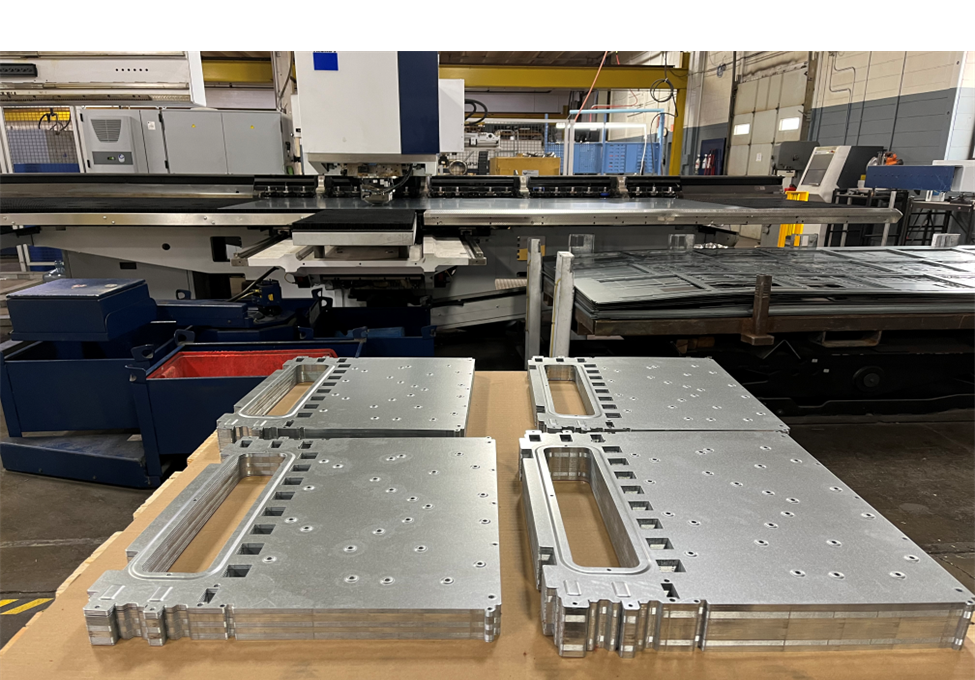
Sheet Metal Galvanizing: From Design to Zero-Defect Mass Production
At Wuxi Lead Precision Machinery, the production of galvanized sheet metal components follows a rigorously controlled process designed to ensure precision, durability, and zero-defect delivery. Our methodology spans three core phases: Design, Prototyping, and Mass Production. Each stage integrates advanced engineering practices, real-time quality verification, and process automation to meet the highest standards of industrial manufacturing.
The process begins with Design, where our engineering team collaborates closely with clients to translate technical requirements into manufacturable solutions. Utilizing CAD/CAM software such as SolidWorks and AutoCAD, we develop 3D models that account for material behavior, coating adhesion, and structural integrity under galvanization. Design for Manufacturability (DFM) principles are applied to optimize flat patterns, minimize weld seams, and ensure uniform zinc coverage. Thermal deformation risks during hot-dip galvanizing are simulated to pre-correct dimensional tolerances.
Once the design is finalized, we proceed to Prototyping. A small batch of components is fabricated using precision laser cutting, CNC bending, and robotic welding. These prototypes undergo pre-galvanization inspection for dimensional accuracy and surface preparation. The parts are then sent to our certified galvanizing partner for hot-dip galvanizing, where they are immersed in molten zinc at approximately 450°C. The resulting zinc-iron alloy layers provide exceptional corrosion resistance. Post-galvanizing, prototypes are inspected for coating thickness, adhesion strength, and absence of drips or bare spots. Salt spray testing (per ASTM B117) is conducted to validate performance over 500+ hours.
Only after prototype approval do we initiate Mass Production. Our automated production lines ensure consistency across thousands of parts. Laser cutting accuracy is maintained within ±0.1 mm, while CNC press brakes apply bending forces with ±0.2° angular precision. All components are deburred and cleaned before galvanizing to ensure optimal surface readiness. In-line optical inspection systems detect deviations in real time, triggering immediate process correction. Every batch is traceable via QR codes, linking to inspection records, material certifications, and process parameters.
Our zero-defect philosophy is enforced through a closed-loop quality management system compliant with ISO 9001:2015. Final inspection includes dimensional checks, coating thickness measurement (magnetic induction method), and visual assessment under standardized lighting. Non-conforming parts are automatically quarantined, and root cause analysis prevents recurrence.
The following table outlines key process specifications for our galvanized sheet metal fabrication:
| Parameter | Specification |
|---|---|
| Material Thickness Range | 0.5 mm – 6.0 mm |
| Coating Thickness (Average) | 50 – 85 µm |
| Zinc Purity (Galvanizing Bath) | ≥ 99.95% |
| Tolerance (Cutting) | ±0.1 mm |
| Tolerance (Bending) | ±0.2° |
| Salt Spray Resistance | ≥ 500 hours (red rust) |
| Production Capacity | Up to 50,000 units/month |
| Quality Standard | ISO 9001:2015, ASTM A123, ISO 1461 |
Through integrated design validation, rigorous prototyping, and automated defect prevention, Wuxi Lead Precision Machinery delivers galvanized sheet metal products that combine structural reliability with long-term corrosion protection—ensuring performance in demanding industrial environments.
Why Choose Wuxi Lead Precision
Elevate Your Supply Chain with Precision Galvanized Sheet Metal Solutions
In high-stakes manufacturing environments, inconsistent galvanized sheet metal quality directly impacts product longevity, assembly efficiency, and total cost of ownership. Substandard zinc coatings lead to premature corrosion, while dimensional inaccuracies disrupt automated production lines, causing costly delays. Wuxi Lead Precision Machinery eliminates these risks through integrated galvanization expertise and uncompromising process control. We specialize in delivering galvanized sheet metal components engineered to perform under rigorous operational demands, ensuring seamless integration into your assembly processes and extended service life in corrosive environments.
Our vertically integrated facility combines advanced roll forming, precision laser cutting, and robotic welding with in-house galvanization capabilities. Every coil undergoes strict chemical composition verification before entering our production flow. Our galvanizing lines adhere to ISO 1461 standards, with real-time monitoring of bath chemistry, immersion time, and withdrawal speed to guarantee uniform zinc adherence. Critical flatness tolerances are maintained through stress-relief annealing and precision leveling, critical for automated stamping and welding applications. The result is galvanized sheet metal that meets exacting dimensional specifications while providing superior corrosion resistance—no secondary processing required.
Technical Specifications for Galvanized Sheet Metal Fabrication
| Parameter | Capability Range | Tolerance/Standard |
|---|---|---|
| Material Thickness | 0.5 mm – 6.0 mm | ±0.05 mm |
| Zinc Coating Weight | 60 g/m² – 275 g/m² | ASTM A653/A924 |
| Dimensional Accuracy | Up to 3000 mm x 1500 mm | ±0.1 mm per meter |
| Flatness Tolerance | ≤ 2 mm per square meter | EN 10029 Class N |
| Bend Angle Precision | 0° – 180° | ±0.5° |
| Weld Integrity | Full penetration | ISO 5817-B Certified |
Partnering with Wuxi Lead Precision Machinery means gaining a technical extension of your engineering team. Our APQP/PPAP framework ensures seamless alignment with your design requirements from prototype to high-volume production. We implement rigorous first-article inspections using CMM and spectrographic analysis, providing full traceability from raw material certification to final shipment documentation. This disciplined approach minimizes supply chain volatility and eliminates quality escape risks that plague offshore sourcing.
For mission-critical components where corrosion resistance and dimensional stability cannot be compromised, settle for nothing less than engineered precision. Contact our technical sales engineering team to initiate a capability review. Submit your fabrication drawings and performance requirements to [email protected]. We will respond within 24 business hours with a detailed process plan, including material sourcing strategy, quality control checkpoints, and lead time analysis tailored to your program. Let Wuxi Lead Precision Machinery become your strategic partner in achieving zero-defect galvanized sheet metal fabrication. Your next-generation product demands manufacturing excellence—start the conversation today.
⚙️ Precision Cost Estimator
Estimate relative manufacturing effort based on tolerance.