Technical Contents
Engineering Guide: Sheet Metal Finishing Machine
Engineering Insight: The Critical Role of Precision in Sheet Metal Finishing Machines
In high-end manufacturing, the final surface quality of sheet metal components is not merely an aesthetic concern—it is a direct reflection of functional integrity, durability, and performance. The precision of a sheet metal finishing machine fundamentally determines the consistency, flatness, edge quality, and surface finish of fabricated parts. At Wuxi Lead Precision Machinery, we engineer our finishing systems to meet the exacting standards demanded by industries where failure is not an option—such as aerospace, defense, and high-precision industrial equipment.
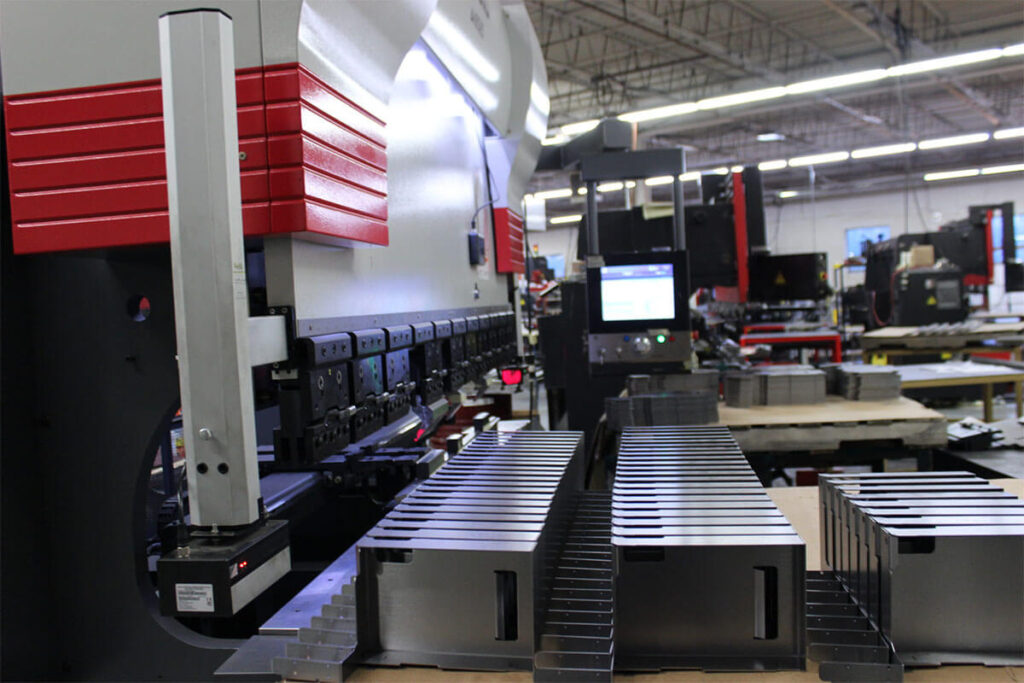
Precision in sheet metal finishing goes beyond surface smoothness. It encompasses dimensional stability, repeatability across large production runs, and the ability to maintain tight tolerances under continuous operation. Even minor deviations in flatness or edge consistency can lead to assembly misalignment, increased wear in moving parts, or compromised sealing surfaces. Our machines are designed to eliminate such variability through advanced roller configurations, closed-loop tension control, and high-rigidity bed structures that resist deflection under load.
With over two decades of experience in precision metal fabrication, Wuxi Lead has supplied critical finishing systems for projects requiring the highest levels of quality assurance. Our equipment has contributed to components used in Olympic-grade sports infrastructure and certified military applications, where every micron matters. These engagements demanded not only superior engineering but also rigorous validation protocols, traceable process controls, and long-term reliability under extreme conditions.
Our sheet metal finishing machines integrate intelligent monitoring systems that allow real-time adjustment of pressure, speed, and abrasive media feed. This ensures optimal surface treatment whether processing stainless steel, aluminum, or high-strength alloys. The result is a uniformly finished surface—be it brushed, satin, or mirror-polished—that meets both functional and regulatory requirements.
We understand that precision begins with design. Every machine is engineered using finite element analysis (FEA) to predict and mitigate stress deformation. Critical components are manufactured in-house under ISO 9001-certified processes, ensuring full control over quality from raw material to final assembly.
Below are key specifications from our flagship sheet metal finishing machine, reflecting the engineering standards we uphold.
| Parameter | Specification |
|---|---|
| Maximum Material Width | 2000 mm |
| Material Thickness Range | 0.3 – 6.0 mm |
| Surface Finish Options | #4 Brush, Satin, Mirror, Matte |
| Tension Control System | Closed-loop, servo-driven |
| Roller Hardness | HRC 58–62 (Chromium-plated) |
| Traverse Speed Range | 1–30 m/min (adjustable) |
| Flatness Tolerance | ≤ 0.1 mm/m² |
| Control System | Siemens PLC with HMI interface |
| Power Supply | 380V, 50Hz, 3-phase |
| Machine Frame Construction | Annealed and stress-relieved welded steel |
At Wuxi Lead Precision Machinery, we do not simply build machines—we engineer solutions that ensure every finished panel meets the uncompromising standards of global high-performance industries. Precision is not a feature. It is our foundation.
Precision Specs & Tolerances
Technical Capabilities: Precision Sheet Metal Finishing
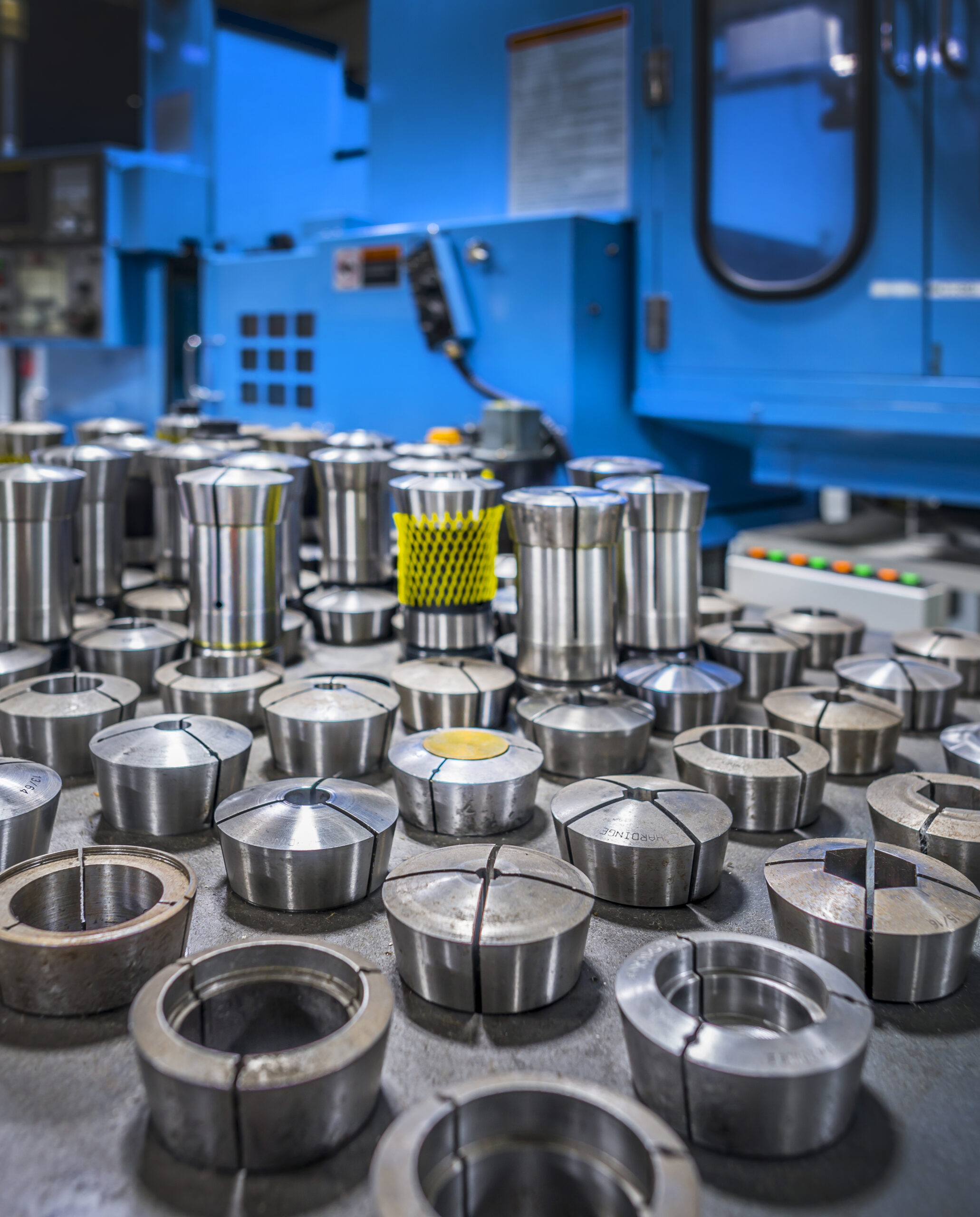
Wuxi Lead Precision Machinery operates a state-of-the-art facility in Wuxi, China, certified to ISO 9001:2015 standards, dedicated to delivering uncompromising precision in sheet metal finishing. Our core strength lies in integrating advanced 5-axis CNC machining with rigorous quality control protocols, enabling us to handle the most complex geometries and stringent tolerances demanded by aerospace, medical, and semiconductor industries. Unlike conventional 3-axis systems, our 5-axis CNC platforms—featuring DMG MORI and Hermle equipment—simultaneously manipulate workpieces across X, Y, Z, A, and B axes. This eliminates repositioning errors, reduces lead times by up to 40%, and achieves seamless surface finishes on contours, undercuts, and multi-faceted components that traditional methods cannot replicate. Material versatility spans aluminum alloys (e.g., 6061-T6, 7075), stainless steels (304, 316L), titanium, and specialty composites, with sheet thicknesses accommodated from 0.5 mm to 25 mm.
Quality assurance is embedded at every production stage through our Zeiss CONTURA CMM (Coordinate Measuring Machine) inspection system, providing micron-level validation of critical features. All measurements are traceable to NIST standards, with full first-article inspection reports (FAIR) and real-time SPC (Statistical Process Control) data shared digitally with clients. This closed-loop process ensures dimensional integrity from raw material to finished part, minimizing scrap and guaranteeing repeatability across high-volume runs. Our engineering team collaborates directly with clients during DFM (Design for Manufacturing) reviews to optimize part geometry, material selection, and finishing sequences—reducing costs without sacrificing precision.
The following table details achievable tolerance benchmarks for common finishing operations. Note that specific requirements may influence outcomes; we welcome technical consultations to refine specifications for your application.
| Process | Tolerance Range | Measurement Method |
|---|---|---|
| 5-Axis Milling | ±0.01 mm to ±0.02 mm | CMM (Zeiss CONTURA) |
| Laser Cutting (Edge) | ±0.05 mm | Optical Comparator |
| Deburring (Precision) | Ra 0.4 µm to 0.8 µm | Surface Roughness Tester |
| Forming (Bending) | ±0.1° angular | CMM + Angle Gauge |
| Hole Positioning | ±0.03 mm | CMM |
Beyond standard capabilities, we specialize in micro-machining features under 1 mm and thin-wall structures where vibration control and thermal stability are critical. Our facility utilizes Renishaw probing systems for in-process verification, ensuring deviations are corrected before final machining. All operators undergo bi-annual training on GD&T (Geometric Dimensioning and Tolerancing) standards, emphasizing ASME Y14.5 compliance. For mission-critical components, we implement 100% post-process inspection with digital twin validation against CAD models. This commitment to technical excellence positions Wuxi Lead as a trusted partner for OEMs requiring zero-defect sheet metal solutions. Contact our engineering team to discuss your project’s dimensional and surface finish requirements.
Material & Finish Options
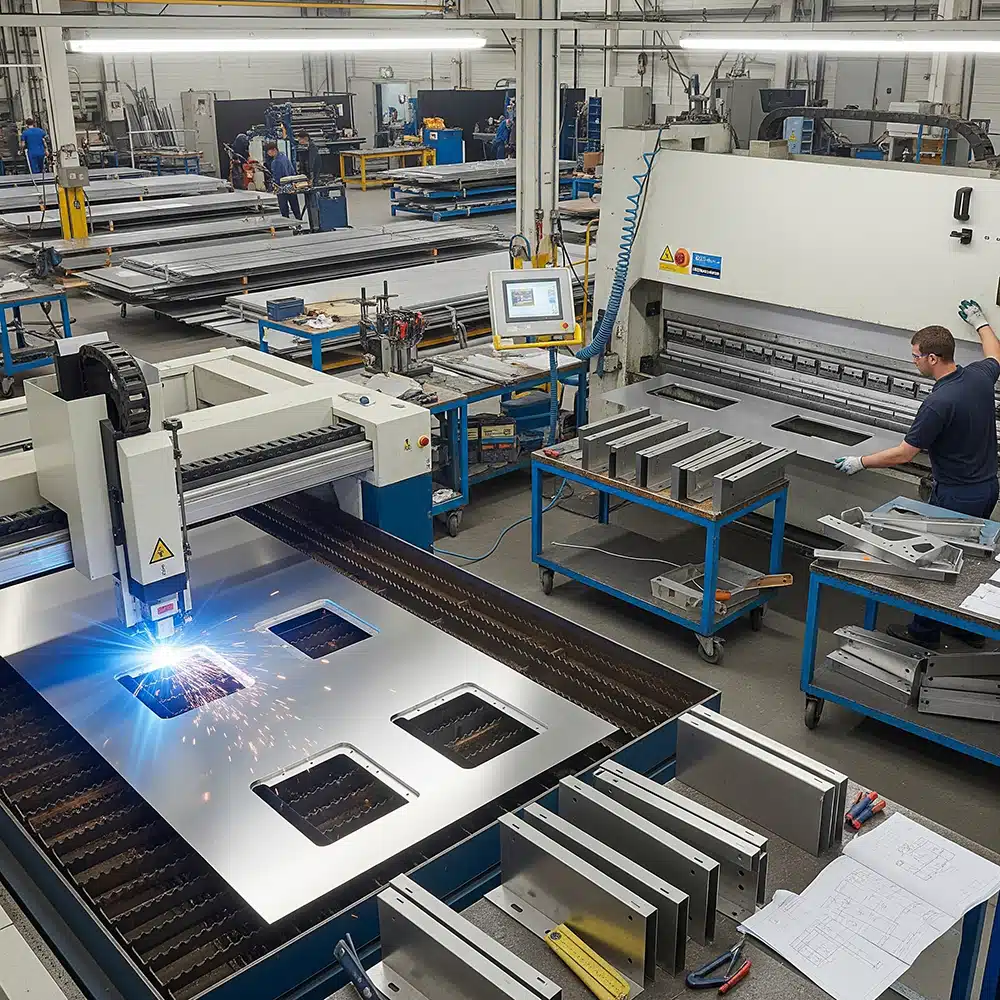
Material Selection for Sheet Metal Finishing: Aluminum, Steel, and Titanium
Selecting the appropriate base material is critical when utilizing a sheet metal finishing machine, particularly in high-precision industrial applications. The performance, durability, and final surface quality of a fabricated component depend heavily on the interplay between material properties and finishing processes. Among the most widely used materials in advanced sheet metal fabrication are aluminum, steel, and titanium—each offering distinct advantages depending on application requirements such as strength, weight, corrosion resistance, and thermal stability.
Aluminum is a preferred choice in industries requiring lightweight yet strong components, such as aerospace, automotive, and electronics. Its excellent thermal and electrical conductivity, combined with natural corrosion resistance due to oxide layer formation, makes it ideal for precision parts. When processed through a sheet metal finishing machine, aluminum responds exceptionally well to anodizing—a key electrochemical finishing process that enhances surface hardness, wear resistance, and aesthetic consistency. Anodized aluminum surfaces can also be dyed in various colors, offering both functional and design benefits.
Steel, particularly stainless and cold-rolled variants, remains a staple in structural and industrial applications due to its high tensile strength and cost-effectiveness. While steel does not anodize like aluminum, it benefits from alternative finishing methods such as passivation, powder coating, or polishing. When selecting steel for finishing operations, attention must be paid to grain structure and surface uniformity to ensure optimal results from automated finishing systems. Proper pre-treatment is essential to prevent oxidation and achieve a consistent surface profile.
Titanium, though more expensive and challenging to machine, is unmatched in high-performance environments. Its exceptional strength-to-density ratio and resistance to extreme temperatures and corrosive environments make it ideal for aerospace, medical, and defense applications. Titanium can undergo specialized surface treatments, including anodizing for color coding and improved wear resistance. However, due to its reactivity and thermal properties, finishing titanium requires precise control of machine parameters to avoid surface contamination or micro-cracking.
The table below summarizes key mechanical and finishing characteristics of these materials:
| Material | Density (g/cm³) | Tensile Strength (MPa) | Corrosion Resistance | Suitable Finishes | Anodizing Compatibility |
|---|---|---|---|---|---|
| Aluminum | 2.7 | 90–700 | High | Anodizing, Powder Coating, Polishing | Excellent |
| Steel (Stainless) | 7.9 | 500–900 | High | Passivation, Electropolishing, Coating | Not applicable |
| Titanium | 4.5 | 900–1200 | Very High | Anodizing, Nitriding, Polishing | Good (specialized) |
Understanding these material properties enables manufacturers to optimize finishing parameters on high-end sheet metal finishing machines. At Wuxi Lead Precision Machinery, we design our systems to accommodate the unique demands of each material, ensuring repeatability, surface integrity, and long-term performance in mission-critical components.
Manufacturing Process & QC
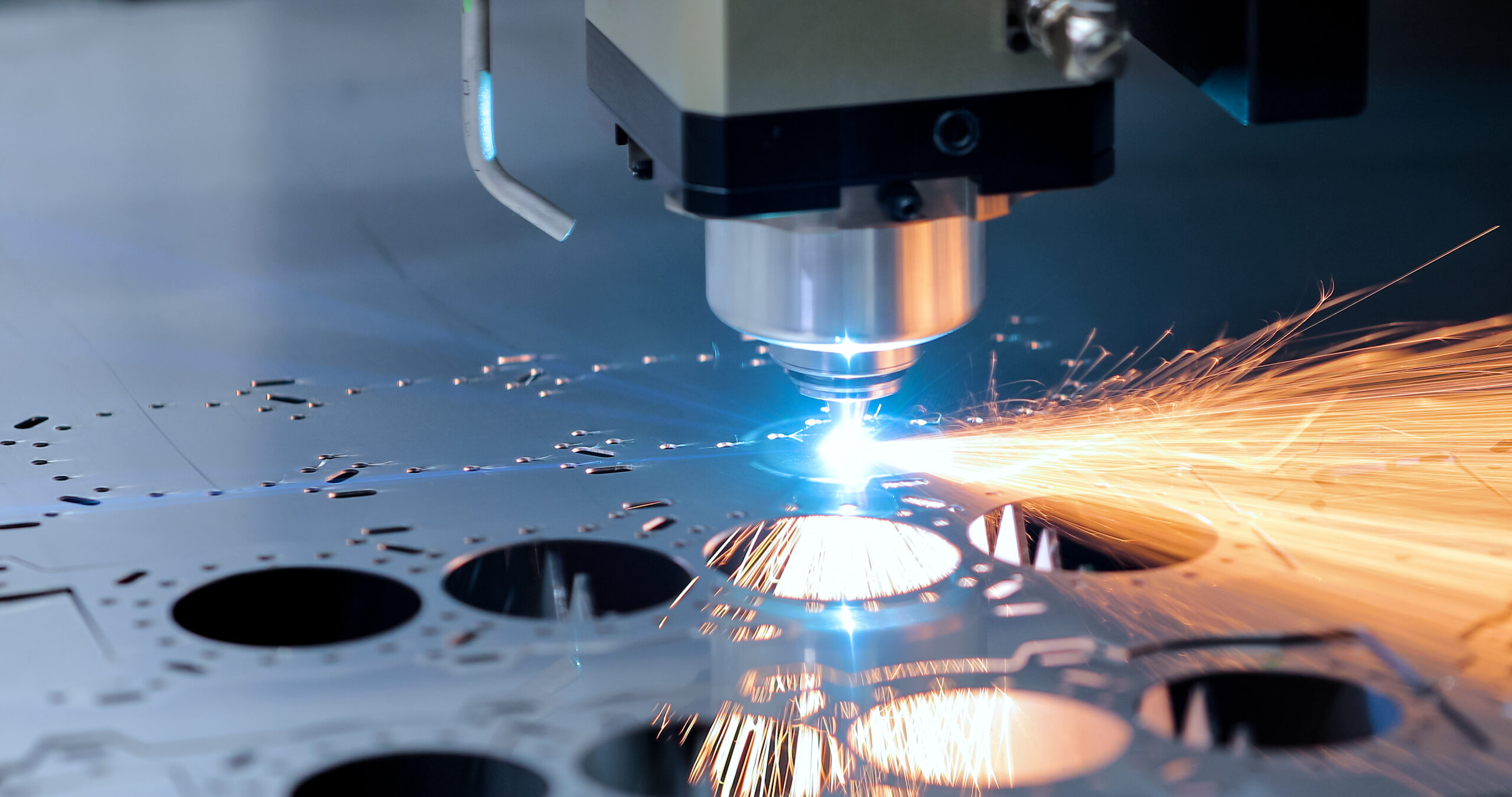
Sheet Metal Finishing Production Process: Zero Defects Execution
At Wuxi Lead Precision Machinery, achieving zero defects in sheet metal finishing is not an aspiration but a rigorously engineered outcome. Our production process integrates advanced technology with disciplined methodology across three critical phases: Design, Prototyping, and Mass Production. This seamless workflow ensures every component meets the exacting standards demanded by aerospace, medical, and high-end industrial sectors.
The Design phase establishes the foundation for perfection. Our engineering team utilizes advanced CAD/CAM software incorporating geometric dimensioning and tolerancing (GD&T) principles specific to finishing requirements. Material properties, grain direction, and potential stress points are meticulously modeled. Crucially, we simulate the entire finishing sequence—deburring, edge rounding, surface texturing—within the virtual environment. This identifies potential micro-defects like edge chipping or inconsistent matte finishes before physical work begins, optimizing tool paths and process parameters. Client collaboration is continuous, ensuring the digital model precisely reflects functional and aesthetic requirements.
Prototyping transforms the validated design into physical reality under controlled conditions. We produce initial samples using the exact finishing machines and tooling designated for full production. Each prototype undergoes comprehensive metrology: CMM verification against the CAD model, surface roughness testing (Ra/Rz), and visual inspection under calibrated lighting. Any deviation, however minute, triggers immediate root cause analysis. Was it a micro-vibration in the spindle? A slight thermal drift in the coolant? We iterate the process parameters or tooling setup until the prototype achieves flawless conformance. This phase is non-negotiable; mass production commences only when prototypes consistently demonstrate zero defects across multiple runs.
Mass Production leverages the perfected parameters within a closed-loop quality system. Our automated finishing cells operate under real-time monitoring. Sensors track spindle load, vibration, coolant flow, and temperature, feeding data to our central control system. Any parameter drifting beyond the validated tolerance window triggers an automatic process halt before a single defective part is produced. Statistical process control (SPC) charts are continuously analyzed. Every finished component undergoes 100% automated optical inspection for surface defects and critical edge geometry, supplemented by periodic CMM spot checks. This relentless focus on in-process control, not just final inspection, is how we sustain defect rates far below industry averages.
The following specifications define the precision capability inherent in our Zero Defects production system for sheet metal finishing:
| Parameter | Specification Range | Measurement Standard | Critical for Zero Defects Because |
|---|---|---|---|
| Dimensional Tolerance | ±0.02 mm to ±0.05 mm | ISO 2768-mK | Ensures fit/function in precision assemblies |
| Edge Radius Consistency | ±0.01 mm | Optical Comparator | Eliminates stress points & improves safety |
| Surface Roughness (Ra) | 0.1 μm to 1.6 μm | ISO 4287 | Guarantees uniform adhesion & appearance |
| Burr Height | < 0.005 mm (None Visible) | Magnified Visual | Prevents assembly damage & safety hazards |
| Process Stability (Cpk) | ≥ 1.67 | SPC Control Charts | Predicts sustained conformance capability |
| Defect Rate | < 0.05 defects per 1000 | Automated AOI + CMM | Quantifies achievement of Zero Defects goal |
This integrated Design-Prototyping-Production methodology, underpinned by measurable precision and real-time process control, is Wuxi Lead’s commitment to delivering sheet metal components where zero defects is the only acceptable standard. We transform stringent requirements into flawless reality.
Why Choose Wuxi Lead Precision
Partner with Wuxi Lead Precision Machinery to elevate your sheet metal fabrication capabilities with advanced, precision-engineered finishing solutions. As a leading manufacturer in the industrial machinery sector, we specialize in high-performance sheet metal finishing machines designed for demanding production environments. Our engineering expertise, combined with rigorous quality control and deep industry insight, ensures that every machine we deliver meets the highest global standards for durability, accuracy, and operational efficiency.
At Lead Precision, we understand that consistency, surface integrity, and throughput are critical in modern manufacturing. Whether you are processing stainless steel, aluminum, or carbon steel, our sheet metal finishing machines deliver uniform surface textures, burr-free edges, and superior flatness—essential for downstream processes such as coating, welding, or assembly. Our systems integrate seamlessly into automated production lines and are engineered to reduce manual intervention, minimize waste, and increase overall equipment effectiveness (OEE).
We serve a global clientele across aerospace, automotive, energy, and precision equipment industries, providing tailored finishing solutions that align with your production volume, material specifications, and quality benchmarks. Our engineering team works closely with clients to configure the optimal machine setup—whether it’s for deburring, edge rounding, surface grinding, or polishing—ensuring maximum return on investment and long-term reliability.
Below are key technical specifications of our flagship sheet metal finishing machine series:
| Specification | Detail |
|---|---|
| Material Thickness Range | 0.5 mm – 12.0 mm |
| Maximum Sheet Width | 2,500 mm |
| Processing Speed | Adjustable up to 18 m/min |
| Surface Finish Range | Ra 0.1 μm – Ra 3.2 μm |
| Abrasive Type | Ceramic, Zirconia, or Aluminum Oxide (customizable) |
| Drive System | Servo-controlled with variable frequency drive |
| Control Interface | Touchscreen HMI with PLC integration |
| Power Supply | 380V / 50Hz (custom voltages available) |
| Machine Footprint | 6,000 mm × 2,800 mm × 1,800 mm |
| Noise Level | < 78 dB(A) at full load |
Each machine is manufactured in our ISO 9001-certified facility in Wuxi, China, where precision engineering and continuous innovation are at the core of our operations. We conduct comprehensive in-house testing, including load simulation and surface metrology validation, before shipment to ensure peak performance upon installation.
To discuss your specific finishing requirements or request a technical consultation, contact us today at [email protected]. Our engineering and sales team is ready to support you with machine specifications, process optimization advice, and global logistics coordination. When you partner with Wuxi Lead Precision Machinery, you gain more than equipment—you gain a long-term technical ally committed to your manufacturing excellence.
⚙️ Precision Cost Estimator
Estimate relative manufacturing effort based on tolerance.