

Technical Contents
Engineering Guide: Sheet Metal Fabrication Usa
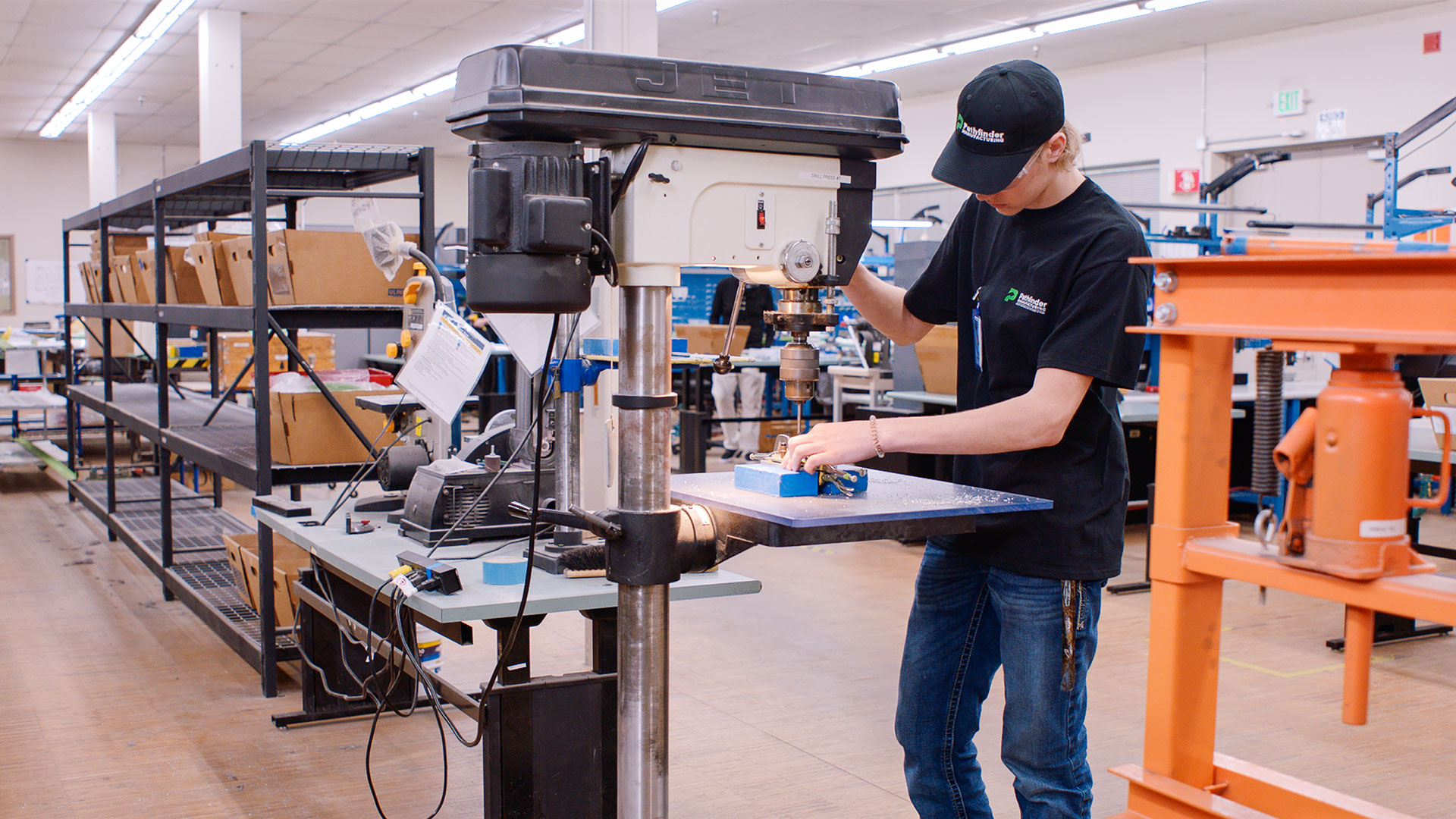
Engineering Insight Precision as Performance Foundation in U.S. Sheet Metal Fabrication
Precision in sheet metal fabrication transcends mere dimensional accuracy; it is the cornerstone of structural integrity, functional performance, and long-term reliability for critical applications across aerospace, defense, medical, and advanced industrial sectors within the United States. In high-stakes environments, tolerances measured in fractions of a millimeter directly impact assembly success, system efficiency, and safety compliance. A deviation of ±0.1mm in a structural bracket for military ground support equipment can induce catastrophic stress points under load, while inconsistent hole patterns in medical device housings jeopardize sterile field integrity and component interoperability. U.S. manufacturers increasingly demand partners capable of delivering repeatability that meets or exceeds stringent AS9100 and MIL-STD specifications, where process control is non-negotiable. This requires integrated engineering oversight from design for manufacturability (DFM) through final inspection, utilizing advanced metrology and closed-loop manufacturing systems to eliminate variability.
Wuxi Lead Precision Machinery operates at this elevated precision tier, serving global clients including Tier-1 U.S. defense contractors and critical infrastructure projects. Our facility holds certifications directly relevant to U.S. high-compliance sectors, validated through rigorous delivery of components for Olympic venue construction and classified military subsystems where failure was not an option. These projects demanded sustained adherence to tolerances often exceeding standard U.S. industry benchmarks, achieved through our investment in European-sourced Amada CNC press brakes with real-time angle correction, Bystronic laser cutters featuring adaptive focus control, and comprehensive CMM validation protocols. We understand that U.S. procurement teams prioritize not just initial part accuracy, but the statistical process control (SPC) data proving consistent output over 10,000+ unit runs – a capability hardwired into our production philosophy.
The following table illustrates critical precision parameters where advanced fabrication partners deliver measurable performance advantages for U.S. clients:
| Parameter | Typical U.S. Job Shop Capability | Wuxi Lead Precision Standard | Impact on U.S. Applications |
|---|---|---|---|
| Laser Cutting Tolerance | ±0.13 mm (±0.005″) | ±0.08 mm (±0.003″) | Ensures seamless weld fit-up in aerospace frames |
| CNC Bending Accuracy | ±0.5° / ±0.25 mm | ±0.2° / ±0.10 mm | Critical for hydraulic manifold alignment |
| Hole Position Tolerance | ±0.25 mm (±0.010″) | ±0.10 mm (±0.004″) | Guarantees PCB assembly in medical electronics |
| Flatness (per 300mm) | 0.50 mm | 0.15 mm | Prevents gasket leakage in fuel systems |
| First Article Inspection | Basic FAI report | Full SPC dataset + 3D scan | Meets DFARS traceability requirements |
U.S. engineering teams must recognize that precision is a universal engineering language, not a geographic limitation. Partnering with a globally certified manufacturer like Wuxi Lead Precision provides access to Olympic-proven process rigor and military-grade quality systems, ensuring sheet metal components perform flawlessly within demanding American supply chains. Our value lies in transforming precision from a specification into a documented, repeatable outcome – a necessity when the application is mission-critical. Whether the final assembly occurs in Ohio or Orlando, the metal’s integrity starts with uncompromising fabrication standards.
Precision Specs & Tolerances
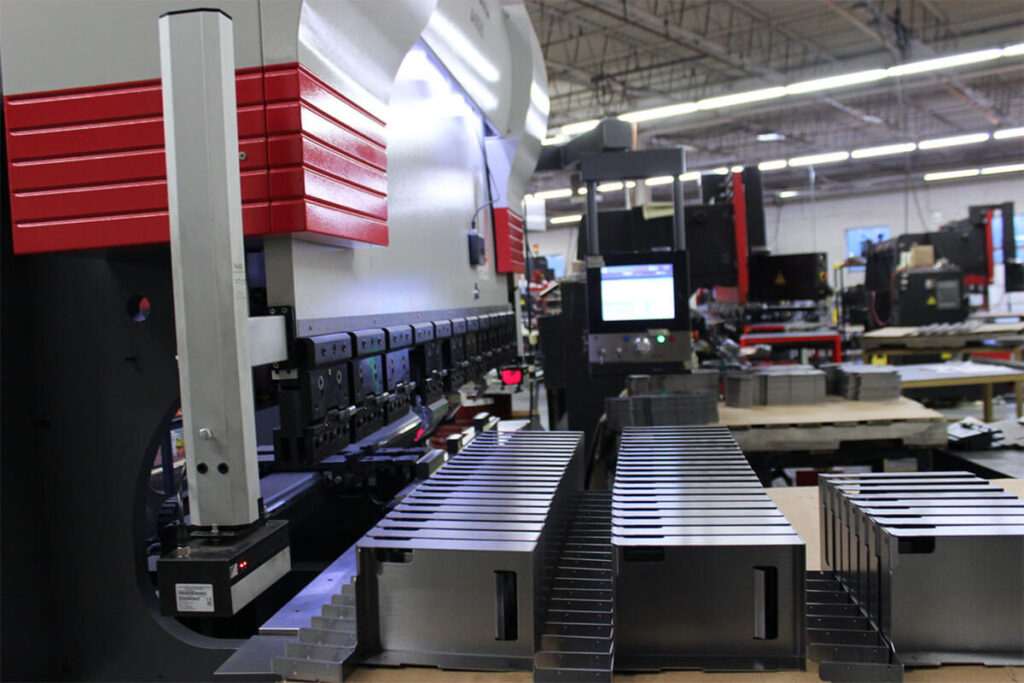
Wuxi Lead Precision Machinery delivers advanced sheet metal fabrication solutions engineered for precision, repeatability, and structural integrity. Our technical capabilities are built around a modern manufacturing ecosystem that integrates 5-axis CNC machining with comprehensive sheet metal processing techniques. This synergy enables us to produce complex geometries and high-tolerance components essential for aerospace, medical, energy, and industrial automation sectors.
At the core of our fabrication process is the integration of 5-axis CNC technology. Unlike traditional 3-axis systems, our 5-axis CNC machines allow simultaneous movement across five planes, enabling intricate cuts, bevels, and contours in a single setup. This capability significantly reduces cycle time, minimizes human error, and ensures superior surface finishes. When applied to sheet metal fabrication, 5-axis precision allows for the creation of multi-faceted enclosures, fluid manifolds, and structural brackets with tight angular tolerances and seamless feature alignment.
Our sheet metal processing line supports a full range of operations including laser cutting, precision bending, CNC punching, welding, and finishing. We handle materials from stainless steel and aluminum to titanium and specialty alloys, with thicknesses ranging from 0.5 mm to 12 mm. All processes are programmed using advanced CAD/CAM software, ensuring optimal toolpaths, material utilization, and consistency across production batches.
Quality control is embedded at every stage of manufacturing. Each component undergoes rigorous dimensional verification using Coordinate Measuring Machine (CMM) inspection. Our CMM systems provide micron-level accuracy, validating critical form, fit, and function parameters against original design specifications. This metrology-backed approach ensures full traceability and compliance with ISO 9001 standards, AS9100 for aerospace, and other industry-specific requirements.
The following table outlines the standard technical tolerances we maintain across key fabrication processes:
| Process | Dimensional Tolerance | Angular Tolerance | Surface Finish (Ra) | Feature Positioning |
|---|---|---|---|---|
| 5-Axis CNC Machining | ±0.005 mm | ±0.1° | 0.8 – 3.2 µm | ±0.01 mm |
| Laser Cutting | ±0.05 mm | ±0.2° | 6.3 – 12.5 µm | ±0.1 mm |
| CNC Bending | ±0.1° | ±0.5° | N/A | ±0.2 mm |
| Welding (TIG/MIG) | ±0.2 mm | ±1.0° | 12.5 – 25 µm | ±0.3 mm |
| CMM Inspection Range | Up to 1000 x 800 x 700 mm | – | – | Full 3D reporting |
All fabricated components are subject to first-article inspection and in-process checks, with final certification available upon request. Our engineering team works closely with clients to review DFM (Design for Manufacturability) recommendations, ensuring optimal performance and cost-efficiency without compromising precision.
Wuxi Lead Precision Machinery combines cutting-edge 5-axis CNC capabilities with disciplined quality assurance to deliver sheet metal solutions that meet the highest global standards. Our technical infrastructure ensures that every part produced is not only dimensionally accurate but also ready for integration into mission-critical applications.
Material & Finish Options
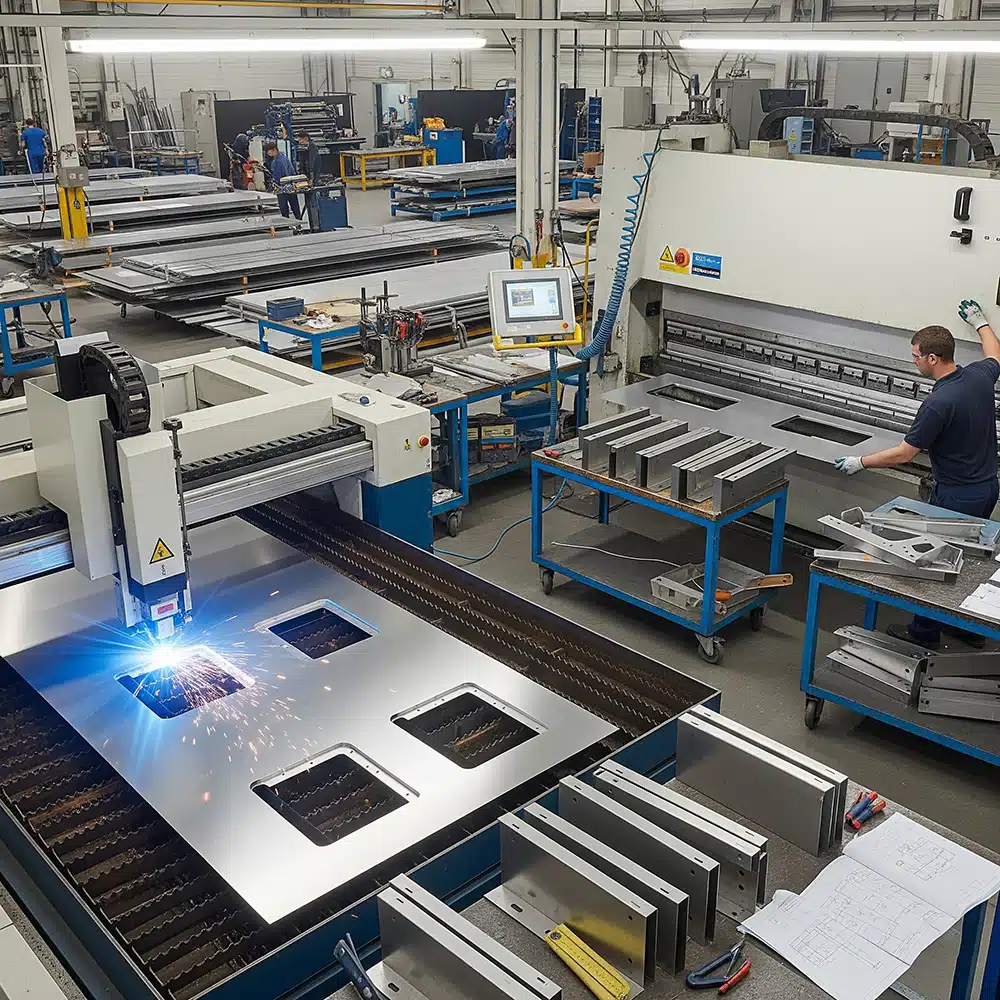
Critical Material Selection for Precision Sheet Metal Fabrication
Material selection fundamentally dictates the performance, cost, and manufacturability of sheet metal components. Choosing the optimal alloy and finish requires balancing application demands with fabrication realities. For high-integrity US manufacturing projects, Aluminum, Steel, and Titanium represent the primary structural choices, each with distinct advantages and processing considerations. Understanding their core characteristics is non-negotiable for achieving target functionality and yield.
Aluminum alloys, particularly 5052-H32 and 6061-T6, dominate applications requiring an exceptional strength-to-weight ratio, inherent corrosion resistance, and excellent formability. These grades are ideal for aerospace enclosures, transportation components, and electronics housings where weight savings and non-magnetic properties are critical. Aluminum readily accepts secondary processes like CNC bending and laser cutting but requires careful handling to avoid surface marring during fabrication. Its thermal conductivity also necessitates adjusted welding parameters compared to steel.
Carbon steel, especially grades like 1008, 1010, and 1020, remains the workhorse for structural applications demanding high strength, impact resistance, and cost efficiency. It excels in machinery frames, brackets, and chassis where weight is less critical than durability. Steel offers superior weldability and machinability across most common fabrication methods. However, its susceptibility to corrosion mandates protective finishes for most outdoor or harsh environment uses, directly influencing the total project cost and timeline.
Titanium, primarily Grade 2 and Grade 5 (Ti-6Al-4V), is reserved for extreme-performance scenarios demanding unparalleled strength-to-weight ratios, exceptional corrosion resistance in aggressive media (e.g., saltwater, chemicals), and biocompatibility. Its use is prevalent in aerospace critical components, medical implants, and high-end marine hardware. Titanium fabrication presents significant challenges: it requires specialized tooling due to work hardening, inert atmosphere welding, and precise thermal management. Material cost and processing complexity are substantially higher than aluminum or steel.
The decision extends critically to surface finishing. Anodizing is the premier electrochemical process for aluminum, creating a durable, corrosion-resistant, and electrically insulating oxide layer. Type II (sulfuric acid) anodizing offers good corrosion resistance and dye acceptance for color coding. Type III (hardcoat) anodizing provides exceptional surface hardness, wear resistance, and extended corrosion protection for demanding mechanical applications. Reputable fabrication partners mandate strict process control for anodizing thickness, seal quality, and dimensional stability to ensure part functionality and cosmetic requirements are met.
Material properties directly impact fabrication feasibility and cost. Key comparative metrics include:
| Material | Typical Grades | Key Fabrication Consideration | Formability | Weldability | Primary Finish Requirement |
|---|---|---|---|---|---|
| Aluminum | 5052-H32, 6061-T6 | Low melting point, work hardening | Excellent | Good (requires cleaning) | Anodizing (Type II/III) essential for corrosion |
| Carbon Steel | 1008, 1010, 1020 | Susceptible to rust pre-finishing | Good | Excellent | Powder coat, plating, or painting mandatory |
| Titanium | Gr 2, Gr 5 | High reactivity, work hardening | Moderate | Difficult (inert gas) | Passivation; Anodizing for specific wear apps |
Selecting the correct base material and finish specification upfront prevents costly rework, delays, and performance failures. Partnering with a fabrication specialist possessing deep metallurgical knowledge and certified finishing capabilities ensures your design intent translates into a reliable, high-performance final product meeting stringent US industry standards. Precision begins with the right material choice.
Manufacturing Process & QC
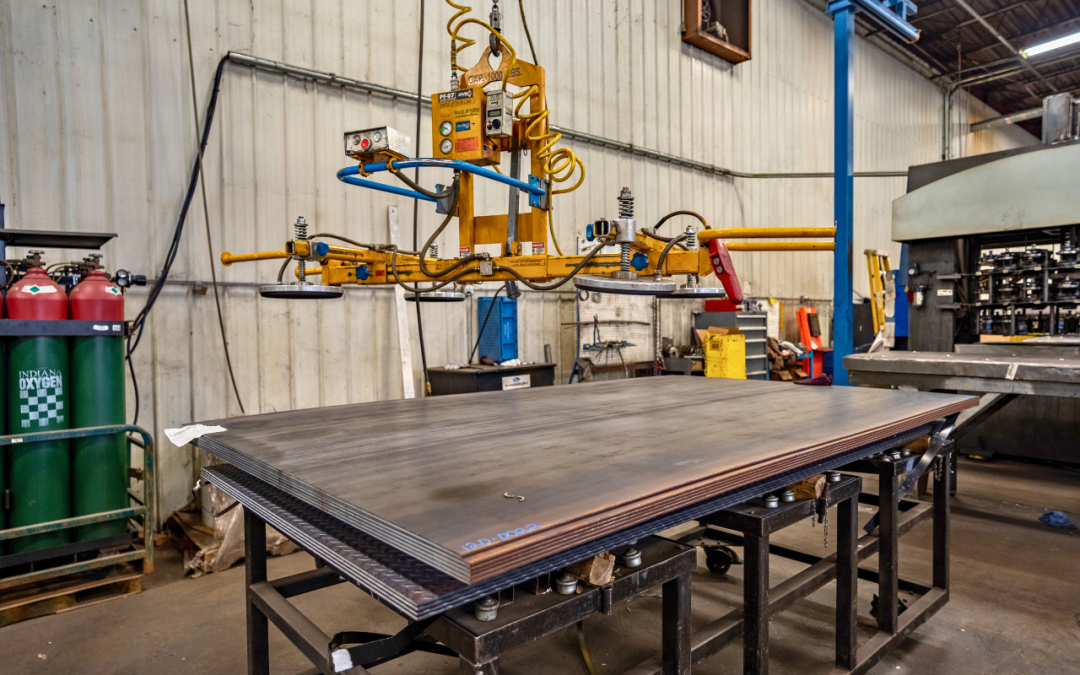
Sheet Metal Fabrication: From Design to Zero-Defect Mass Production
At Wuxi Lead Precision Machinery, we implement a disciplined, end-to-end sheet metal fabrication process designed to deliver precision, repeatability, and zero-defect outcomes for clients across industrial sectors. Our methodology integrates advanced engineering with strict quality controls, ensuring seamless transition from concept to high-volume manufacturing.
The process begins with Design for Manufacturability (DFM). Our engineering team collaborates with client specifications to optimize part geometry, material selection, and fabrication techniques. Using industry-leading CAD/CAM software, we simulate bending sequences, laser paths, and assembly fit, identifying potential issues before any metal is cut. This stage ensures dimensional accuracy, minimizes material waste, and reduces cycle times—critical factors for cost-effective production.
Once the design is validated, we move to Prototyping. A functional prototype is produced using the same equipment and materials intended for mass production. This enables real-world testing of form, fit, and function. We conduct rigorous in-house inspections using coordinate measuring machines (CMM) and 3D scanning to verify tolerances. Client feedback is incorporated at this stage, allowing for rapid iteration without disrupting the production timeline. The approved prototype becomes the benchmark for all subsequent parts.
With the prototype confirmed, we initiate Mass Production under a fully controlled workflow. Our automated laser cutting, CNC punching, and precision bending cells operate with micron-level repeatability. Each workstation follows standardized work instructions, and operators perform in-process checks at defined intervals. Statistical Process Control (SPC) monitors key dimensions in real time, enabling immediate correction of any deviation.
Quality assurance is embedded at every phase. Final inspection includes dimensional verification, surface finish evaluation, and, where applicable, weld integrity testing. All components are traceable through batch numbering and documented inspection reports. Our ISO 9001-certified quality management system ensures compliance with international standards.
This structured progression—Design → Prototyping → Mass Production—combined with proactive defect prevention, enables us to achieve zero-defect manufacturing. By investing in precision engineering and continuous process validation, Wuxi Lead delivers sheet metal solutions that meet the highest demands of performance and reliability.
Key Production Specifications
| Parameter | Capability |
|---|---|
| Material Thickness Range | 0.5 mm – 25 mm |
| Tolerance (Standard) | ±0.1 mm (tighter on request) |
| Max Part Size | 4000 mm × 2000 mm |
| Cutting Methods | Fiber Laser, CNC Punching, Shearing |
| Bending Accuracy | ±0.25° angular, ±0.1 mm linear |
| Surface Finishes | Mill, Powder Coating, Anodizing, Passivation |
| Quality Standards | ISO 9001:2015, GD&T, First Article Inspection |
This integrated approach ensures that every component we produce meets exacting specifications, on time and at scale.
Why Choose Wuxi Lead Precision
Why Partner with Lead Precision for Your US Sheet Metal Fabrication Needs
Global supply chain volatility and inconsistent quality from domestic vendors demand a strategic offshore partner who operates to uncompromising US standards. At Wuxi Lead Precision Machinery, we bridge this gap with precision-engineered sheet metal solutions built exclusively for discerning American manufacturers. Our ISO 9001:2015 and ITAR-compliant facility in China functions as a seamless extension of your US operations, eliminating import risks while delivering aerospace, medical, and industrial-grade components with zero tolerance for deviation. We understand US engineering rigor—our English-native engineering team collaborates directly with your designers during DFM analysis to resolve tolerance stack-ups before production begins, ensuring first-article approval rates exceed 98.5%. Unlike transactional suppliers, we assign dedicated US time zone account managers who track your POs in real time, providing granular production visibility via our cloud-based MES platform. This operational transparency reduces lead times by 30% compared to domestic alternatives while maintaining strict NADCAP audit readiness for critical sectors.
Our technical capabilities match the most demanding US specifications, as validated by ongoing partnerships with Fortune 500 industrial OEMs. The table below details our core sheet metal fabrication parameters for immediate integration into your sourcing strategy.
| Capability | Specification Range | Key US-Relevant Standards |
|---|---|---|
| Material Thickness | 0.5mm – 6.0mm (24ga – 3/8″) | ASTM A653, AMS 4027 |
| Laser Cutting Tolerance | ±0.005″ (±0.13mm) | ASME Y14.5-2009 |
| Forming Accuracy | ±0.01° angular, ±0.004″ linear | ISO 2768-mK |
| Welding Processes | TIG, MIG, Laser Hybrid | AWS D17.1, AMS 2680 |
| Secondary Finishes | Anodizing (Type II/III), Powder Coating | MIL-A-8625, AAMA 2605 |
When domestic vendors fail to meet your volume scalability or geometric complexity requirements, Lead Precision delivers. We operate 47 state-of-the-art Amada CNC punch-laser combos and 22-axis press brakes capable of forming 0.008″ micro-features in beryllium copper or 6mm stainless steel housings—without outsourcing secondary operations. Our 24-hour RFQ turnaround includes material certification traceability to US mills, with all shipments palletized to Amazon FBA or UPS Freight standards for seamless US customs clearance. Last quarter alone, we enabled a major Midwest robotics OEM to consolidate 14 domestic suppliers into a single Lead Precision contract, reducing their landed costs by 22% while achieving PPAP Level 3 compliance.
Do not let fragmented supply chains compromise your US manufacturing competitiveness. Contact our US-facing engineering team today at Contact [email protected] to receive a capacity analysis for your next sheet metal project. Include your annual volume requirements and target GD&T specifications in your inquiry for a guaranteed 12-hour technical response. We will map your critical-to-quality parameters against our process capability indices (Cpk ≥ 1.67) and provide a risk-mitigated production timeline within 48 hours. Partner with certainty—where Chinese manufacturing scale meets American precision discipline.
⚙️ Precision Cost Estimator
Estimate relative manufacturing effort based on tolerance.