

Technical Contents
Engineering Guide: Sheet Metal Fabrication Company
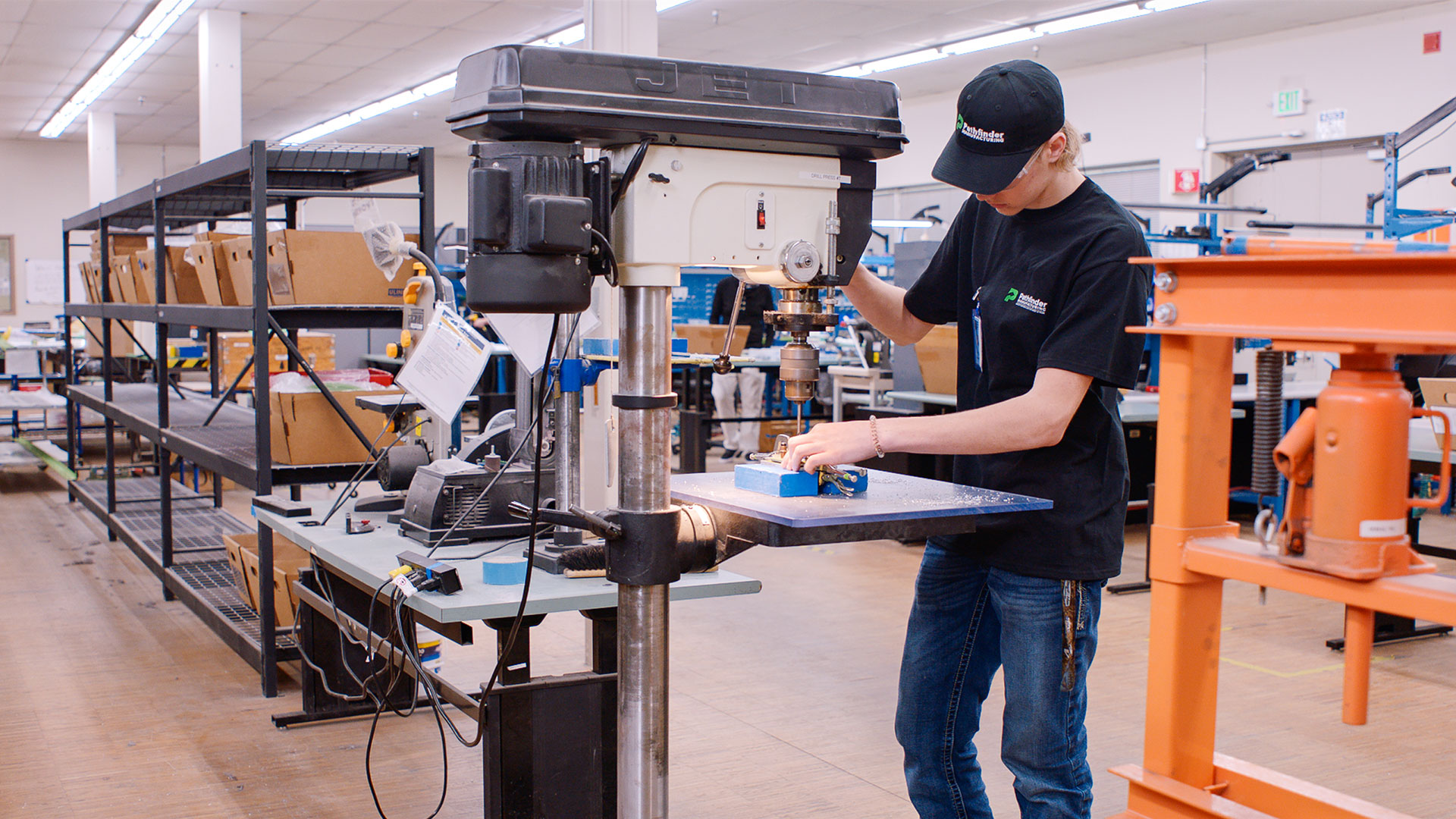
Engineering Insight: Precision as the Non-Negotiable Foundation in Sheet Metal Fabrication
In the demanding landscape of modern industrial manufacturing, precision in sheet metal fabrication transcends mere quality control; it is the fundamental pillar upon which product integrity, assembly efficiency, and long-term operational success are built. Tolerances measured in fractions of a millimeter are not arbitrary specifications but critical requirements dictated by complex assemblies, high-performance applications, and stringent regulatory environments. When components deviate even slightly from design intent, the consequences cascade: increased scrap rates, costly rework, assembly line stoppages, compromised product performance, and ultimately, eroded customer trust. For sectors like aerospace, medical device manufacturing, and advanced automation, where interfaces are tight and failure is not an option, the margin for error approaches zero. Achieving this level of dimensional accuracy and repeatability demands more than skilled operators; it requires an integrated ecosystem of advanced machinery, rigorous process control, and deep engineering expertise applied consistently across every stage of production.
Wuxi Lead Precision Machinery operates at this critical precision frontier. Our engineering philosophy centers on treating tolerance specifications not as targets, but as absolute commitments. This is forged through direct experience delivering mission-critical components where deviation is unacceptable. We have supplied structurally vital sheet metal assemblies for venues constructed for the Beijing Winter Olympics, where environmental stresses and public safety demanded flawless dimensional stability. Similarly, our adherence to stringent military-grade fabrication standards for defense contractors has honed our protocols for traceability, material verification, and process validation under the most exacting scrutiny. This heritage instills a culture where every bend, cut, and weld is executed with the understanding that the component may serve in an application where lives or critical infrastructure depend on its perfection.
Our capability to consistently meet and exceed demanding precision requirements is enabled by a modern, calibrated production floor and meticulously managed workflows. The table below outlines key processes and the precision benchmarks we routinely achieve:
| Process | Primary Equipment | Tolerance Range Achieved | Key Application Context |
|---|---|---|---|
| Laser Cutting | Trumpf TruLaser Series 3000 | ±0.05 mm | Intricate brackets, enclosures |
| CNC Bending | Amada HG Series Press Brakes | ±0.1° angular, ±0.1 mm | Structural frames, chassis |
| Precision Welding | Fronius TPS/i MIG/MAG Systems | ±0.2 mm positional | Olympic venue structures, seals |
| Forming | Custom Tooling on Servo Presses | ±0.08 mm | High-volume automotive components |
This level of control is not incidental. It stems from continuous investment in metrology – including CMM verification integrated into production flow – coupled with engineering oversight that begins during Design for Manufacturability (DFM) analysis. We collaborate with clients early to identify potential precision risks in the geometry, material selection, or sequence of operations, implementing corrective strategies before metal is cut. For the discerning B2B partner, particularly those serving high-reliability industries, partnering with a fabricator whose precision credentials are proven in Olympic infrastructure and military programs provides an essential layer of assurance. At Wuxi Lead Precision Machinery, we understand that in sheet metal fabrication, true precision is the invisible engineering that makes complex systems function flawlessly. It is the standard we deliver, every component, every time.
Precision Specs & Tolerances
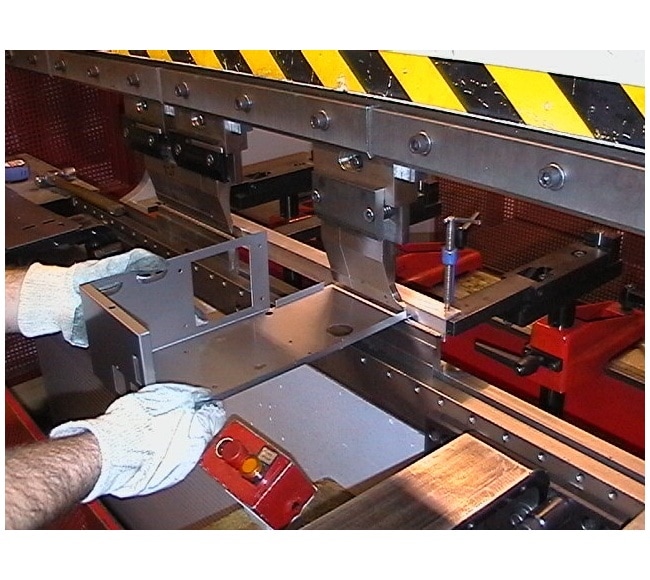
Wuxi Lead Precision Machinery delivers advanced sheet metal fabrication solutions tailored for high-precision industries such as aerospace, medical, automation, and industrial equipment. Our technical capabilities are built around a fully integrated digital manufacturing ecosystem, combining state-of-the-art machinery with rigorous quality assurance protocols to ensure repeatability, accuracy, and consistency across all production volumes.
At the core of our fabrication process is 5-axis CNC machining, which enables us to execute complex geometries and tight-tolerance components that are beyond the reach of conventional 3-axis systems. This level of machining flexibility allows for single-setup processing of intricate parts, minimizing human intervention, reducing potential error sources, and significantly improving throughput. Our 5-axis CNC systems are equipped with high-speed spindles, automatic tool changers, and real-time tool compensation, ensuring optimal performance across a wide range of materials including stainless steel, aluminum alloys, brass, and specialty alloys.
Sheet metal processing at Wuxi Lead integrates laser cutting, precision bending, and automated welding techniques. Our fiber laser cutting systems provide clean, burr-free edges with minimal heat-affected zones, supporting material thicknesses from 0.5 mm to 25 mm. CNC turret punching and press brake forming are synchronized through CAD/CAM-driven workflows, enabling rapid prototyping and high-volume production with consistent dimensional accuracy. All forming operations are supported by in-process gauging and spring-back compensation algorithms to maintain geometric integrity.
Quality control is non-negotiable in our manufacturing philosophy. Every critical component undergoes comprehensive inspection using a Zeiss DuraMax and O-Inspect 554 coordinate measuring machine (CMM). These systems provide sub-micron measurement accuracy and full 3D geometric dimensioning and tolerance (GD&T) verification. Our inspection regime includes first-article inspection (FAI), in-process checks, and final audit reporting, with full traceability maintained through ERP-integrated quality records. All inspection data is documented and available for customer review, ensuring complete transparency and compliance with ISO 9001 and IATF 16949 standards.
The following table outlines our standard machining and fabrication tolerances under controlled production conditions
| Feature | Standard Tolerance | Precision Capability | Notes |
|---|---|---|---|
| Linear Dimensions (Machined) | ±0.05 mm | ±0.01 mm | Up to 800 mm length |
| Linear Dimensions (Sheet Metal) | ±0.1 mm | ±0.05 mm | After bending and forming |
| Hole Diameter | ±0.05 mm | ±0.02 mm | Reamed or CNC drilled |
| Positional Tolerance | ±0.05 mm | ±0.02 mm | Relative to datum |
| Angular Tolerance | ±0.2° | ±0.1° | Bending and forming |
| Surface Roughness (Machined) | Ra 3.2 µm | Ra 0.8 µm | As-machined or polished |
| Flatness | 0.1 mm per 100 mm | 0.05 mm per 100 mm | Measured via CMM |
These capabilities are reinforced by continuous investment in workforce training, process validation, and equipment calibration. Wuxi Lead Precision Machinery is committed to delivering not just components, but engineered solutions that meet the highest standards of performance and reliability in global manufacturing.
Material & Finish Options
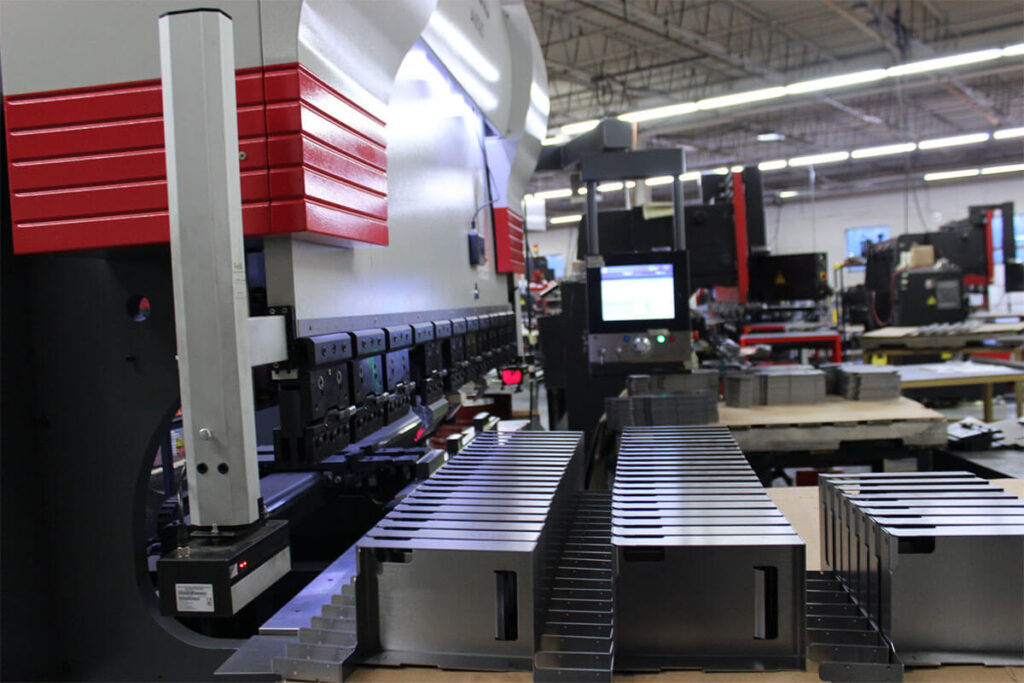
Strategic Material Selection in Precision Sheet Metal Fabrication
Material choice fundamentally determines performance, cost, and manufacturability in sheet metal components. At Wuxi Lead Precision Machinery, we emphasize aligning material properties with application demands to avoid over-engineering or premature failure. Aluminum alloys dominate weight-sensitive applications like aerospace and electronics enclosures due to their high strength-to-weight ratio and thermal conductivity. Grade 6061-T6 offers excellent weldability and moderate strength, while 5052-H32 provides superior formability for complex bends. Steel remains indispensable for structural rigidity and impact resistance. Stainless steel 304 balances corrosion resistance with cost efficiency for medical and food processing equipment, whereas 316L’s molybdenum content makes it essential for marine or chemical exposure. Titanium alloys, though costly, are non-negotiable in extreme environments—such as aerospace hydraulics or biomedical implants—where its biocompatibility, 60% weight savings versus steel, and resistance to saltwater corrosion justify the investment. Crucially, titanium requires inert atmosphere welding to prevent embrittlement, demanding specialized expertise.
Critical Material Specifications for Sheet Fabrication
| Property | Aluminum 6061-T6 | Stainless Steel 304 | Titanium Ti-6Al-4V |
|---|---|---|---|
| Density (g/cm³) | 2.70 | 8.00 | 4.43 |
| Tensile Strength (MPa) | 310 | 515 | 900 |
| Corrosion Resistance | Moderate | High | Exceptional |
| Max Sheet Thickness | 6.0 mm | 4.0 mm | 3.0 mm |
| Key Fabrication Note | Anodizing required for wear resistance | Electropolishing enhances corrosion resistance | Laser cutting preferred; avoid chlorides |
Anodizing: The Definitive Finish for Aluminum
Anodizing is not merely cosmetic—it transforms aluminum’s surface into a durable, corrosion-resistant ceramic layer. Type II (sulfuric acid) anodizing (5–25μm thickness) provides standard wear protection and dye receptivity for consumer electronics housings. For mission-critical parts like military hardware or automotive sensors, Type III (hardcoat) anodizing (25–50μm) delivers Rockwell hardness exceeding 60 HRC, resisting abrasion in high-friction environments. Note that anodizing cannot be applied to steel or titanium; these require alternative finishes like passivation (stainless) or plasma spraying (titanium). At Wuxi Lead, our precision anodizing lines maintain ±2μm thickness control, ensuring consistent electrical insulation and fatigue life—critical for components in semiconductor manufacturing.
Material selection directly impacts downstream processing costs. Choosing 5052 over 6061 aluminum for deep-drawn enclosures reduces scrap rates by 18% due to superior formability. Similarly, specifying 316L stainless only where chloride exposure occurs avoids unnecessary material premiums. Partner with our engineering team early to validate material-finish synergy; a misstep here can increase total part cost by 22–35% through rework or premature field failure. Wuxi Lead’s ISO 9001-certified workflow guarantees material traceability from mill certs to final inspection, ensuring your performance requirements are met without compromise.
Manufacturing Process & QC
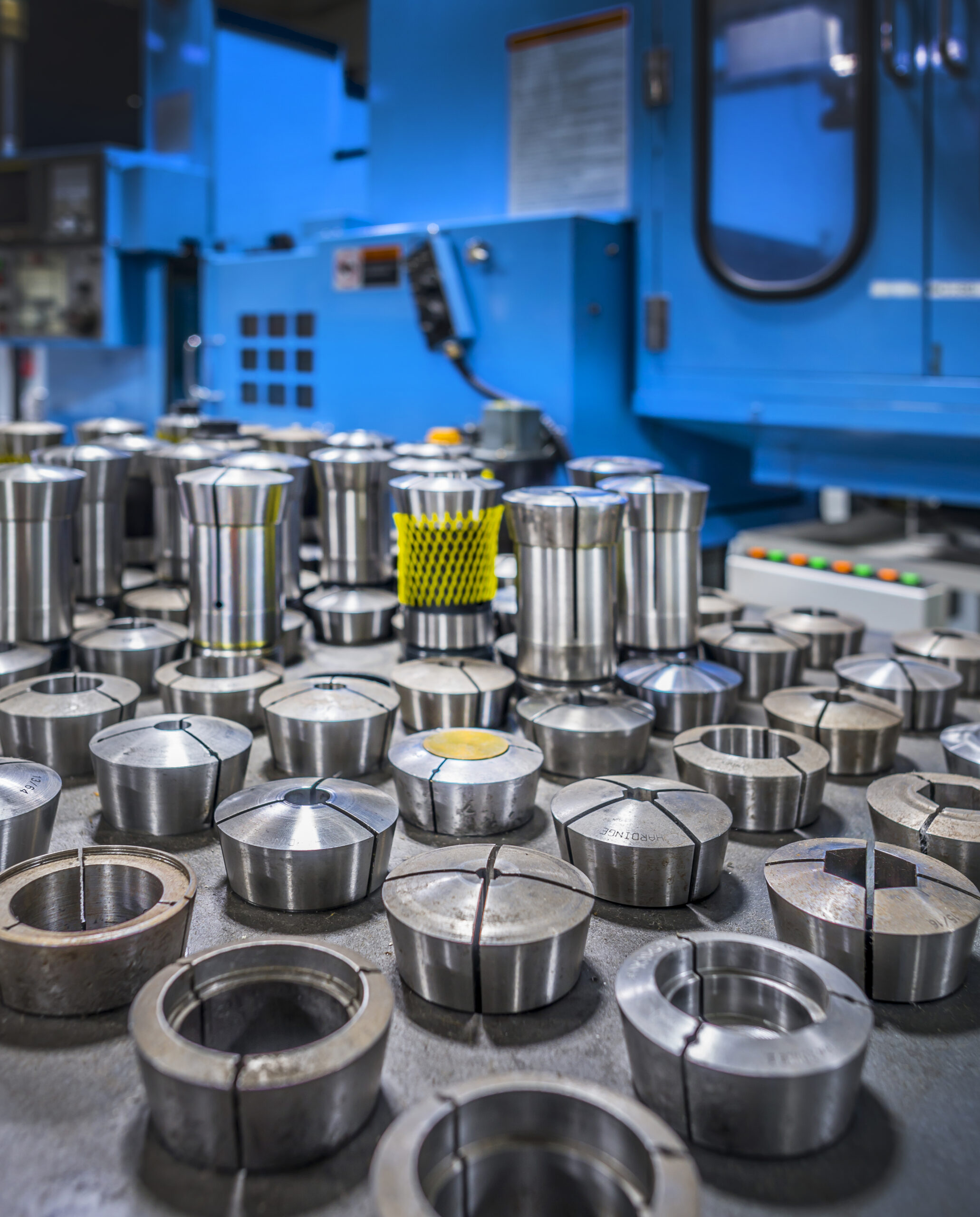
At Wuxi Lead Precision Machinery, our sheet metal fabrication process is engineered for precision, consistency, and zero defects. We integrate advanced technology with rigorous quality controls across every stage—from initial design to prototyping and full-scale production. This structured workflow ensures that each component meets exact customer specifications while maintaining the highest standards of dimensional accuracy and structural integrity.
The process begins with collaborative design engineering. Our team works closely with clients to review technical drawings, material selections, and functional requirements. Using industry-leading CAD/CAM software, we simulate the fabrication sequence to identify potential stress points, material waste, or manufacturability issues. Design for Manufacturability (DFM) analysis is conducted early to optimize part geometry, reduce assembly complexity, and ensure seamless transition into production. This proactive approach minimizes rework and accelerates time-to-market.
Once the design is finalized, we proceed to prototyping. A functional prototype is manufactured using the same materials and processes intended for mass production. This allows us to validate form, fit, and function under real-world conditions. Our prototyping phase includes precision laser cutting, CNC punching, bending, and welding, all performed on equipment calibrated to micron-level accuracy. Each prototype undergoes comprehensive inspection using coordinate measuring machines (CMM) and 3D scanning to verify compliance with GD&T tolerances. Feedback from testing is incorporated into final design adjustments, ensuring a flawless production launch.
Mass production is executed on our automated manufacturing lines, where consistency and repeatability are paramount. We utilize high-speed turret punches, fiber laser cutters with ±0.1 mm accuracy, and CNC press brakes with automatic tool changers to maintain throughput without compromising quality. Throughout production, in-process inspections are conducted at defined intervals. Statistical Process Control (SPC) monitors key parameters in real time, enabling immediate correction of deviations before defects occur.
Our zero-defect philosophy is reinforced through a multi-stage quality assurance system. Final inspection includes dimensional checks, surface finish evaluation, and assembly verification. All critical features are documented, and traceability is maintained through serialized batch records. Non-conforming parts are isolated immediately, and root cause analysis is performed to prevent recurrence.
The result is a scalable, reliable fabrication process that delivers precision sheet metal components with unmatched consistency. Whether producing low-volume prototypes or high-volume runs, Wuxi Lead Precision Machinery ensures every part meets the strictest quality benchmarks.
| Specification | Capability |
|---|---|
| Material Thickness Range | 0.5 – 6.0 mm |
| Tolerances (Cutting) | ±0.1 mm |
| Tolerances (Bending) | ±0.2° / ±0.5 mm |
| Max Part Size | 3000 x 1500 mm |
| Laser Power | Up to 12 kW (Fiber) |
| Punching Force | Up to 30 tons |
| Quality Standards | ISO 9001:2015, ISO 14001, IATF 16949 |
Why Choose Wuxi Lead Precision
Elevate Your Supply Chain with Engineered Partnership
Selecting a sheet metal fabrication partner transcends transactional procurement. At Wuxi Lead Precision Machinery, we architect collaborative relationships founded on engineering rigor, unwavering quality, and transparent communication. Our clients—global leaders in aerospace, medical device manufacturing, and industrial automation—entrust us not merely as a supplier, but as an integrated extension of their engineering teams. We mitigate supply chain volatility through proactive capacity planning, real-time production tracking, and rigorous first-article validation protocols. When tolerances demand ±0.02mm consistency or materials range from carbon steel to titanium alloys, our vertically integrated facility in Wuxi, China, delivers certified precision without compromise. This is the foundation of true partnership: predictable excellence that accelerates your time-to-market while de-risking complex builds.
Our technical capabilities are engineered for mission-critical applications. Below outlines core specifications enabling high-mix, low-volume production with uncompromised repeatability:
| Specification Category | Capability Range |
|---|---|
| Material Range | Carbon Steel, Stainless Steel (304/316), Aluminum (5052/6061), Copper, Brass, Titanium |
| Tolerance Capability | ±0.02mm (CNC Machining), ±0.1° (Laser Cutting), ±0.05mm (Press Brake Forming) |
| Equipment Types | Amada CNC Turrets, Precitec Laser Cutters, TruBend Press Brakes, HAAS 5-Axis Mills |
| Max Workpiece Size | 3000mm x 1500mm (Laser Cutting), 2500mm x 1250mm (Punching), 4000mm x 2000mm (Forming) |
| Lead Time Range | 7-15 days (Prototypes), 20-35 days (Production Runs) |
This infrastructure supports stringent industry certifications including ISO 9001:2015 and AS9100D, with material traceability and PPAP documentation standard across all projects. Unlike conventional fabricators, we deploy finite element analysis (FEA) during quoting to preempt design-for-manufacturability issues—reducing costly revisions by 40% on average. Our engineering team collaborates directly with your designers to optimize nests, minimize waste, and validate structural integrity before metal touches tooling. This consultative approach ensures your BOM costs are defensible and scalable, even amid volatile raw material markets.
The competitive advantage lies in operational transparency. Clients access our cloud-based portal for live production dashboards, dimensional inspection reports, and inventory visibility—eliminating communication lag that stalls traditional supplier relationships. When your project demands zero-defect delivery under compressed timelines, our closed-loop quality system and dedicated program managers become your strategic differentiator.
Secure your capacity advantage today. Contact our engineering sales team directly at [email protected] to initiate a technical consultation. Specify your project’s material, volume, and critical tolerances in your inquiry. We will respond within 4 business hours with a feasibility assessment and preliminary capacity allocation. Partner with Wuxi Lead Precision Machinery—where precision engineering meets supply chain certainty. Your next breakthrough begins with an email.
⚙️ Precision Cost Estimator
Estimate relative manufacturing effort based on tolerance.