

Technical Contents
Engineering Guide: Sheet Metal Cutting Service
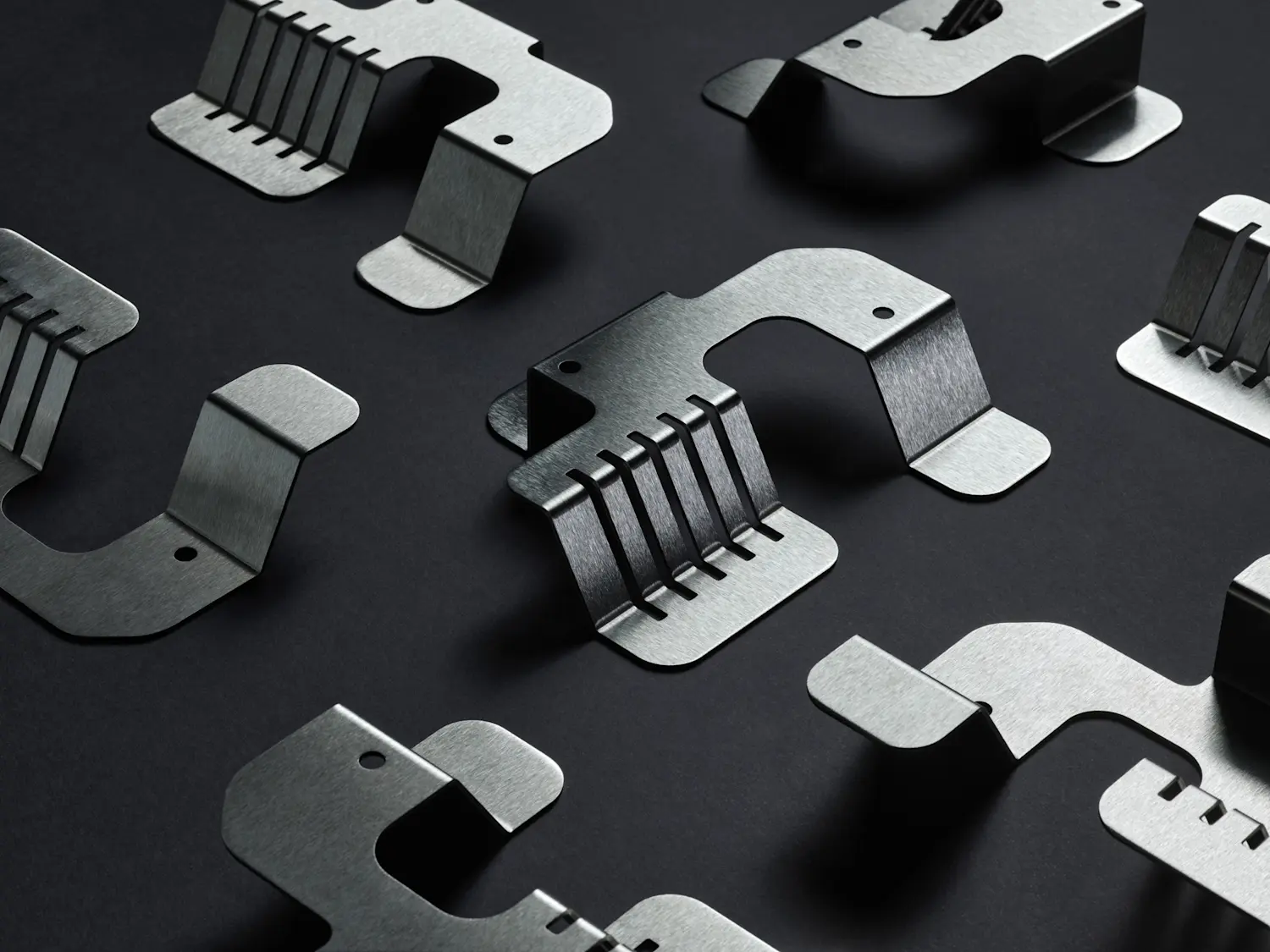
Engineering Insight Precision in Sheet Metal Cutting Services
Precision in sheet metal cutting is not merely a technical specification; it is the foundational element determining the structural integrity, functional performance, and economic viability of the final assembly. In high-stakes applications across aerospace, defense, and advanced industrial equipment, dimensional inaccuracies exceeding tolerances as tight as ±0.05mm can cascade into catastrophic assembly failures, compromised safety margins, or accelerated component wear. The cutting process directly influences edge quality, material stress distribution, and subsequent operations like bending or welding. Sub-micron deviations during cutting propagate through fabrication, leading to costly rework, material waste, and project delays. True precision engineering demands seamless integration of machine rigidity, thermal compensation systems, advanced motion control, and rigorous process validation – factors often overlooked in standard service offerings but non-negotiable for mission-critical components.
At Wuxi Lead Precision Machinery, we engineer cutting solutions where precision is systematically controlled, not merely hoped for. Our 15-year heritage includes delivering components for Olympic venue structural frameworks demanding absolute dimensional stability under extreme loads and producing defense-grade assemblies where tolerances directly impact operational security. This experience forged our proprietary calibration protocols and multi-stage verification processes. Every cut undergoes real-time monitoring via integrated laser interferometry and post-process CMM validation against the original 3D CAD model, ensuring compliance before the part leaves our facility. We treat material grain direction, thermal dynamics during cutting, and even ambient workshop fluctuations as critical variables within our process control matrix – an approach honed through partnerships requiring zero-defect delivery.
Our technical capability reflects this uncompromising standard. The table below outlines core precision parameters achievable across our advanced laser and plasma cutting platforms:
| Cutting Technology | Typical Tolerance Range | Max Material Thickness | Edge Quality (Ra) | Positional Accuracy |
|---|---|---|---|---|
| Fiber Laser | ±0.03mm to ±0.08mm | 30mm Carbon Steel | 1.6μm to 3.2μm | ±0.02mm/m |
| CO2 Laser | ±0.05mm to ±0.10mm | 25mm Stainless Steel | 3.2μm to 6.3μm | ±0.03mm/m |
| Precision Plasma | ±0.10mm to ±0.20mm | 50mm Mild Steel | 6.3μm to 12.5μm | ±0.05mm/m |
This level of control translates directly to client ROI. Precision-cut blanks eliminate fit-up corrections during welding, reduce scrap rates by up to 18%, and accelerate time-to-assembly by ensuring first-time-right components. For sectors where failure is not an option, the initial investment in metrology-grade cutting delivers exponential returns through enhanced product reliability and lifecycle cost reduction. At Lead Precision, we don’t just cut metal; we deliver engineered certainty. Contact our application engineering team to discuss how our validated precision protocols can secure your next critical fabrication project.
Precision Specs & Tolerances
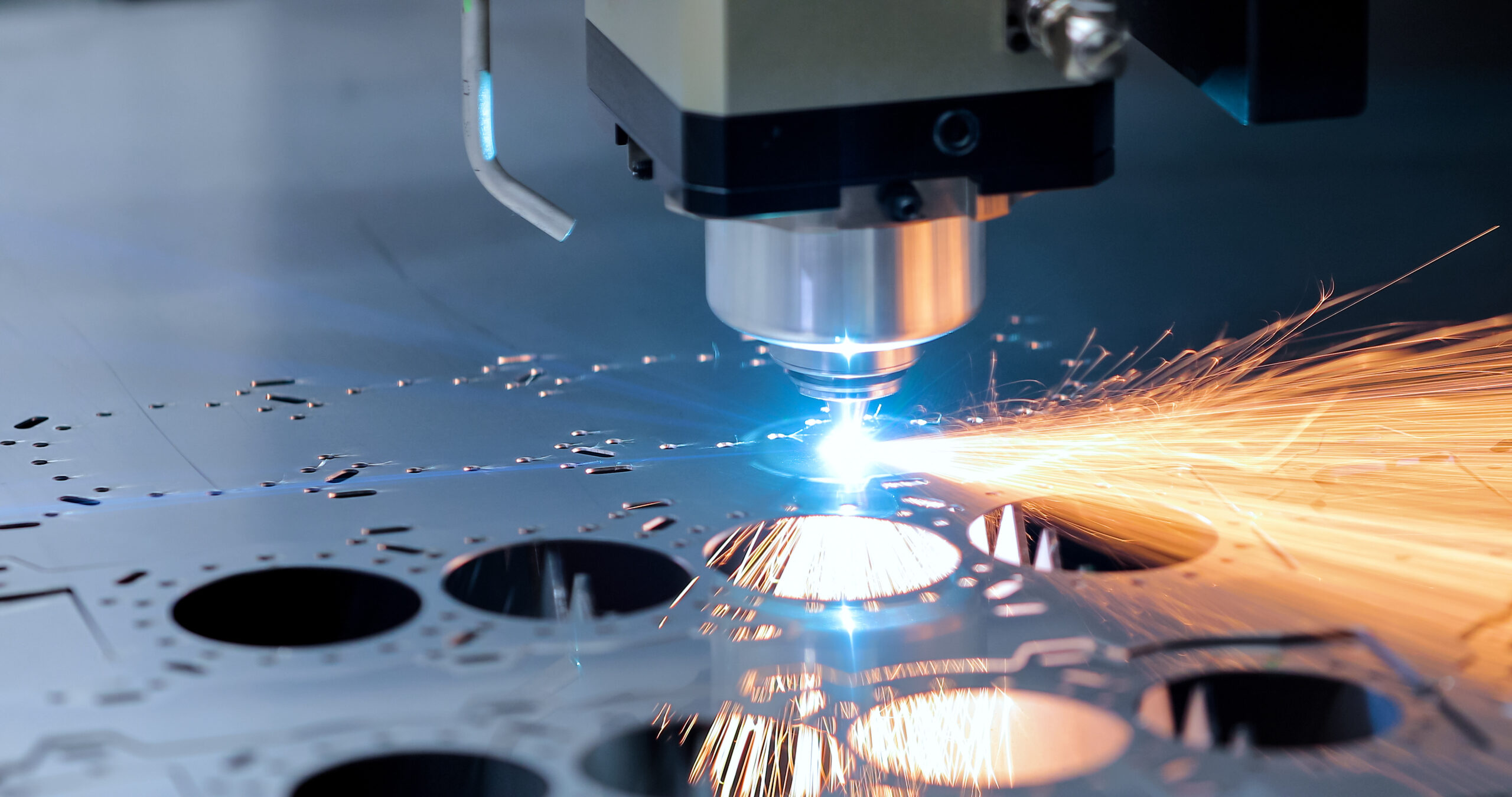
Wuxi Lead Precision Machinery delivers advanced sheet metal cutting services engineered for precision, repeatability, and consistency in high-performance industrial applications. Our technical capabilities are anchored in state-of-the-art 5-axis CNC machining systems, enabling complex geometries and tight-tolerance components that meet the rigorous demands of aerospace, medical, automotive, and energy sectors. These multi-axis platforms provide superior flexibility, allowing for simultaneous machining from multiple angles without requiring repositioning, which significantly reduces cycle times and enhances dimensional accuracy.
Our sheet metal cutting processes integrate fiber laser and precision plasma technologies, optimized for materials ranging from mild and stainless steel to aluminum, titanium, and specialty alloys. The 5-axis architecture ensures clean, burr-free cuts with minimal heat-affected zones, preserving material integrity and reducing post-processing requirements. This capability is particularly critical for components requiring intricate contours, beveled edges, or three-dimensional profiles, where conventional 2D cutting systems fall short.
To maintain the highest level of quality assurance, every production run is supported by comprehensive metrology using Coordinate Measuring Machine (CMM) inspection. Our CMM systems provide full 3D validation of critical dimensions, geometric tolerances, and surface relationships, ensuring compliance with ISO 10360 and ASME Y14.5 standards. Data from CMM reports is traceable and available with each shipment, offering full transparency and supporting stringent regulatory requirements.
All operations are conducted in a climate-controlled facility with certified environmental monitoring, minimizing thermal drift and ensuring consistent measurement accuracy. Our quality management system is ISO 9001:2015 certified, and we adhere to First Article Inspection (FAI) and Production Part Approval Process (PPAP) protocols upon customer request.
The following table outlines the standard tolerances achievable through our sheet metal cutting services under controlled production conditions.
| Parameter | Standard Tolerance | High-Precision Capability | Notes |
|---|---|---|---|
| Linear Dimensions (mm) | ±0.1 mm | ±0.05 mm | Up to 1000 mm |
| Angular Tolerance | ±0.2° | ±0.1° | For beveled cuts |
| Hole Positioning | ±0.15 mm | ±0.08 mm | Relative to datum |
| Feature-to-Feature Distance | ±0.1 mm | ±0.05 mm | On same plane |
| Edge Bevel Angle | ±1.0° | ±0.5° | For weld prep |
| Surface Roughness (Ra) | 3.2 µm | 1.6 µm | Post-cut surface |
| Flatness (per 100 mm) | 0.1 mm | 0.05 mm | For unclamped parts |
These capabilities are further enhanced by integrated CAD/CAM programming and real-time toolpath simulation, ensuring optimal cut paths and material utilization. Wuxi Lead Precision Machinery combines technical excellence with rigorous quality control to deliver sheet metal components that meet exacting engineering specifications.
Material & Finish Options
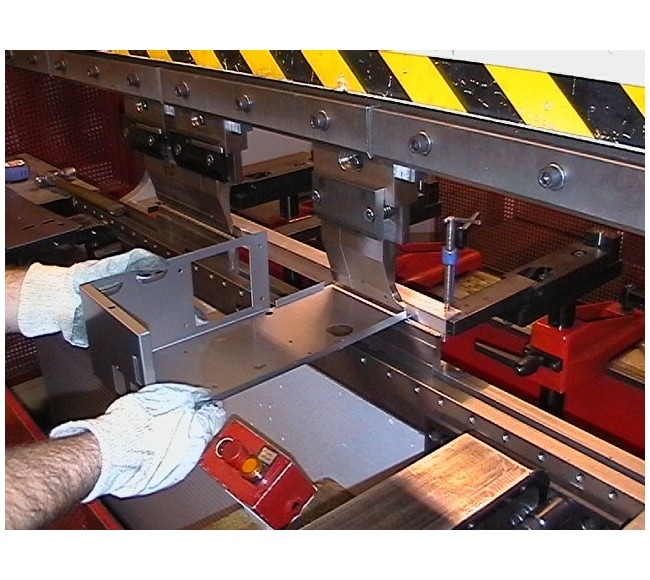
Material Selection for Precision Sheet Metal Cutting
Material selection critically impacts the performance, cost, and manufacturability of sheet metal components. At Wuxi Lead Precision Machinery, we advise clients to prioritize application requirements alongside fabrication constraints. Key factors include mechanical strength, corrosion resistance, weight, thermal properties, and compatibility with secondary processes like finishing. Understanding the nuances of common engineering alloys ensures optimal part functionality and production efficiency within your budget.
Aluminum alloys dominate aerospace, electronics, and high-mix fabrication due to their excellent strength-to-weight ratio, superior thermal and electrical conductivity, and inherent corrosion resistance. Series 5052 and 6061-T6 are prevalent for structural brackets and enclosures. Aluminum cuts exceptionally well with fiber laser systems, enabling high-speed, clean edges with minimal dross, particularly in thicknesses up to 25mm. Its softness requires precise parameter control to avoid melting or burring, especially in thin gauges. Aluminum is the primary candidate for anodizing, enhancing surface hardness and corrosion resistance while allowing color customization.
Carbon and stainless steels remain fundamental for structural integrity and durability across industrial machinery, automotive, and construction. Mild steel (e.g., A36, SPCC) offers cost-effective strength and weldability, readily cut via CO2 or fiber lasers up to 30mm. Stainless steels (304, 316) provide essential corrosion and heat resistance but demand higher laser power and optimized gas assist (typically nitrogen for clean cuts on thinner sheets, oxygen for thicker sections) to prevent oxidation and slag. Stainless steel cannot be anodized; alternative finishes like passivation or powder coating are required.
Titanium alloys (primarily Grade 2) are specified for extreme environments demanding unparalleled strength-to-weight ratios, biocompatibility, and resistance to corrosion in harsh chemicals or saltwater. However, titanium presents significant cutting challenges. Its low thermal conductivity causes heat concentration, increasing tool wear in mechanical cutting and requiring specialized high-pressure nitrogen assist in laser cutting to prevent oxidation and maintain material integrity. Waterjet cutting is often preferred for thicker titanium sections. Titanium is not suitable for standard anodizing processes; specialized plasma electrolytic oxidation may be used for specific applications.
Anodizing is a critical electrochemical finish exclusively for aluminum. Type II (sulfuric acid) anodizing provides moderate corrosion resistance and dye acceptance for cosmetic parts. Type III (hardcoat) anodizing creates a much thicker, harder, wear-resistant surface essential for functional components like hydraulic manifolds or aerospace fittings. Proper pre-treatment and masking are vital for dimensional accuracy and feature preservation. Steel and titanium require fundamentally different surface treatments.
The following table summarizes key material specifications relevant to precision cutting:
| Material Type | Common Grades | Typical Thickness Range (mm) | Primary Cutting Method | Special Considerations |
|---|---|---|---|---|
| Aluminum | 5052, 6061-T6 | 0.5 – 25 | Fiber Laser | High reflectivity; requires anti-reflective settings; optimal for anodizing |
| Carbon Steel | A36, SPCC, Q235 | 0.8 – 30 | Fiber Laser / CO2 Laser | Oxygen assist for thick sections; produces oxide layer; not anodizable |
| Stainless Steel | 304, 316 | 0.8 – 25 | Fiber Laser | Nitrogen assist for clean cuts; higher power needed; not anodizable |
| Titanium | Grade 2 (CP) | 0.8 – 15 | Fiber Laser / Waterjet | High-pressure nitrogen essential; thermal management critical; not anodizable |
Selecting the correct material requires balancing performance demands with fabrication realities. Wuxi Lead Precision Machinery leverages advanced laser platforms and deep metallurgical expertise to optimize cutting parameters for each alloy, ensuring dimensional precision and surface quality. Consult our engineering team early in your design phase to confirm material suitability and integrate finishing requirements seamlessly into your manufacturing workflow.
Manufacturing Process & QC

The production process for sheet metal cutting at Wuxi Lead Precision Machinery follows a rigorously controlled sequence designed to ensure precision, repeatability, and zero defects across every project phase. From initial design to prototyping and full-scale mass production, our workflow integrates advanced engineering practices with real-time quality assurance to deliver components that meet exact customer specifications.
Design begins with a collaborative review of technical drawings, 3D models, and material requirements. Our engineering team evaluates manufacturability, identifies potential stress points or tolerance challenges, and optimizes geometries for efficient cutting and minimal waste. Using industry-leading CAD/CAM software, we simulate the cutting path and nesting layout to maximize material utilization while maintaining structural integrity. This stage is critical to preventing downstream errors and ensuring consistency in high-volume runs.
Once the design is finalized, we proceed to prototyping. A small batch of parts is produced under production-intent conditions, using the same CNC-controlled laser, plasma, or waterjet cutting systems intended for mass production. This allows us to validate dimensional accuracy, edge quality, and compatibility with subsequent operations such as bending, welding, or surface treatment. Each prototype undergoes full inspection using coordinate measuring machines (CMM), optical comparators, and laser scanning to verify conformance to GD&T standards. Any deviations trigger immediate corrective action, including process recalibration or design refinement, ensuring that only fully validated processes advance to full production.
Mass production is executed on automated cutting lines with integrated in-process monitoring. Our CNC cutting systems operate with micron-level precision and are continuously calibrated to maintain cutting accuracy across long production runs. Real-time sensors detect variations in material thickness, thermal distortion, or nozzle wear, automatically adjusting parameters to maintain quality. Every batch is subject to statistical process control (SPC), with random sampling and 100% visual inspection for critical features. Traceability is maintained through digital work orders that log machine settings, operator IDs, and inspection results for full auditability.
Throughout all stages, our zero-defect philosophy is enforced through ISO 9001-certified quality management systems, preventive maintenance protocols, and operator training programs. This end-to-end control ensures that every sheet metal component meets the highest standards of precision and reliability.
Below are key technical specifications for our sheet metal cutting capabilities:
| Parameter | Laser Cutting | Plasma Cutting | Waterjet Cutting |
|---|---|---|---|
| Material Thickness Range | 0.5 – 25 mm | 1 – 40 mm | 1 – 150 mm |
| Positioning Accuracy | ±0.02 mm | ±0.1 mm | ±0.1 mm |
| Repeatability | ±0.01 mm | ±0.05 mm | ±0.08 mm |
| Minimum Hole Diameter | 0.8 × material thickness | 1.5 × material thickness | 1.0 × material thickness |
| Edge Quality (Ra) | < 3.2 µm | < 6.3 µm | < 6.3 µm |
| Max Work Envelope | 4000 × 2000 mm | 4000 × 2000 mm | 4000 × 2000 mm |
Why Choose Wuxi Lead Precision
Partner with Lead Precision for Uncompromising Sheet Metal Cutting Excellence
In the demanding landscape of precision manufacturing, selecting a sheet metal cutting partner transcends cost considerations. It demands a commitment to engineering integrity, technical mastery, and unwavering reliability. Wuxi Lead Precision Machinery stands as your strategic partner, engineered to elevate your production outcomes through advanced laser and CNC cutting solutions. We understand that your success hinges on components meeting exacting specifications—dimensions held to microns, edges free of burr, and materials processed with optimal efficiency. Our ISO 9001-certified facility in Wuxi, China, operates under rigorous quality protocols, ensuring every cut aligns with global aerospace, medical, and industrial standards.
Our technical edge resides in state-of-the-art equipment and deep process expertise. We deploy high-power fiber and CO2 laser systems alongside precision turret punching, enabling versatile handling of complex geometries across diverse materials. Whether your project requires thin stainless steel enclosures or structural carbon steel plates, our machines deliver repeatability and speed without sacrificing accuracy. Critical tolerances are consistently maintained through continuous in-process monitoring and skilled operator oversight. Below outlines our core cutting capabilities:
| Process | Max Thickness | Standard Tolerance | Supported Materials |
|---|---|---|---|
| Fiber Laser | 25 mm | ±0.05 mm | Mild Steel, Stainless Steel, Aluminum |
| CO2 Laser | 30 mm | ±0.10 mm | Mild Steel, Stainless Steel, Brass |
| CNC Turret Punch | 6.0 mm | ±0.08 mm | Mild Steel, Aluminum, Copper |
Beyond machinery, our value lies in proactive engineering collaboration. Our team engages early in your design phase to optimize manufacturability—reducing waste, minimizing secondary operations, and accelerating time-to-market. We provide detailed DFM feedback, material sourcing guidance, and real-time production tracking. When challenges arise, our 24/7 technical support team resolves issues swiftly, preventing costly delays. This consultative approach has made us the trusted cutting partner for Tier-1 suppliers across Europe, North America, and Asia.
Choosing Lead Precision means aligning with a partner invested in your long-term operational success. We do not merely fulfill orders; we integrate our capabilities into your supply chain as an extension of your engineering objectives. Our commitment to continuous improvement ensures you benefit from the latest advancements in cutting technology and process refinement.
Elevate your production with sheet metal cutting defined by precision, reliability, and technical partnership. Contact our engineering team directly to discuss your specific requirements and receive a tailored capability assessment. Send your drawings and specifications to [email protected]. Our experts will respond within 12 business hours with actionable insights and a clear path to implementation. Partner with Lead Precision—where exacting cuts translate to measurable competitive advantage.
⚙️ Precision Cost Estimator
Estimate relative manufacturing effort based on tolerance.