Technical Contents
Engineering Guide: Sheet Metal Company
Engineering Insight Precision as the Non-Negotiable Foundation in Sheet Metal Fabrication
In high-stakes industrial manufacturing, precision in sheet metal fabrication transcends mere quality control; it is the fundamental determinant of product integrity, assembly success, and lifecycle performance. Tolerances measured in fractions of a millimeter directly influence structural stability, functional compatibility, and the viability of downstream processes like welding, finishing, and final assembly. A deviation of 0.1mm may seem insignificant on a drawing, but in complex assemblies—such as aerospace components or medical device housings—it triggers tolerance stack-up errors, leading to costly rework, delayed production schedules, and compromised end-product reliability. For industries where failure is not an option, including defense and advanced medical technology, precision is not a feature—it is the baseline requirement.
The consequences of inadequate precision extend beyond immediate scrap costs. Inconsistent bending angles or hole placements disrupt automated assembly lines, increase labor hours for manual fitting, and undermine the repeatability essential for high-volume production. Surface finish deviations, even at microscopic levels, can compromise corrosion resistance or interfere with critical sealing surfaces. True precision engineering anticipates these interdependencies, ensuring every cut, bend, and form aligns perfectly with the integrated system. This demands not only advanced machinery but also deep process expertise—understanding material behavior under stress, thermal dynamics during laser cutting, and the cumulative impact of multi-stage fabrication.
Wuxi Lead Precision Machinery has honed this expertise through decades of delivering mission-critical components where precision is validated under extreme conditions. Our processes have been rigorously tested in projects demanding absolute reliability, including structural elements for Olympic venue infrastructure and specialized enclosures for military communication systems. These applications required adherence to tolerances far exceeding standard industrial norms, with zero-defect delivery under stringent timelines. This experience ingrained a culture where precision is systematically engineered into every stage—from material selection and CAD/CAM programming to in-process metrology and final inspection—ensuring components perform flawlessly in the field.
The following table illustrates key precision parameters central to high-integrity sheet metal work and our engineered capabilities:
| Parameter | Typical Industry Standard | Wuxi Lead Precision Capability | Impact of Superior Precision |
|---|---|---|---|
| Linear Tolerance | ±0.1 mm | ±0.05 mm | Eliminates fit-up issues in multi-part assemblies |
| Hole Position | ±0.15 mm | ±0.08 mm | Ensures seamless integration with fasteners & sub-systems |
| Bend Angle | ±1.0° | ±0.5° | Prevents stress concentrations & assembly distortion |
| Surface Roughness (Laser Cut) | Ra 6.3 µm | Ra 3.2 µm | Enhances corrosion resistance & paint adhesion |
| Flatness | 0.2 mm per 300 mm | 0.1 mm per 300 mm | Critical for sealing surfaces & optical mounts |
Achieving this level of consistency requires more than cutting-edge CNC turret punching, fiber laser cutting, and robotic bending cells. It demands a closed-loop quality philosophy where every machine is calibrated daily, every operator is a trained metrology specialist, and every batch undergoes rigorous CMM validation against the original CAD model. At Wuxi Lead, precision is the silent partner in our clients’ success—proven where performance is non-negotiable. Your project’s reliability starts with the exactness of its foundational metal components.
Precision Specs & Tolerances
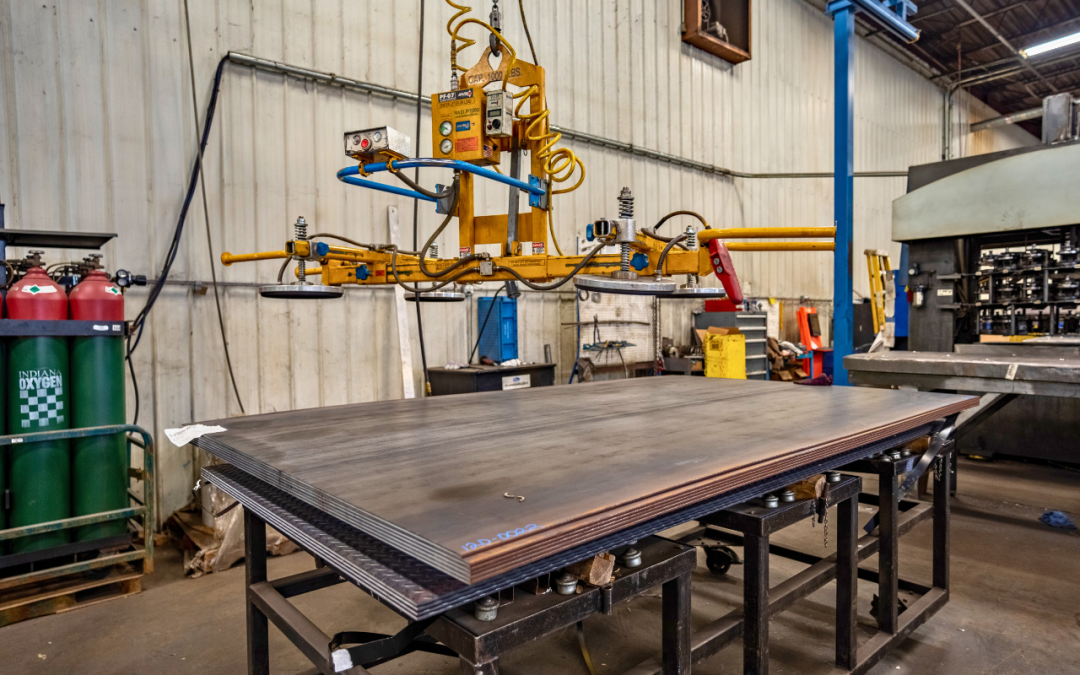
Wuxi Lead Precision Machinery delivers advanced sheet metal fabrication solutions engineered for high-precision industrial applications. Our technical capabilities are built around state-of-the-art 5-axis CNC machining systems, enabling us to produce complex geometries with exceptional accuracy and repeatability. These multi-axis platforms provide simultaneous control of five tooling directions, allowing for intricate contouring, beveled edges, and compound angle features that are unattainable with conventional 3-axis setups. The integration of 5-axis technology significantly reduces the need for multiple setups and secondary operations, accelerating production timelines while maintaining superior dimensional consistency across both prototyping and high-volume runs.
Our sheet metal processing is supported by a fully integrated digital workflow, from CAD/CAM design to CNC programming and real-time machine monitoring. This ensures seamless translation of engineering intent into physical components with minimal human intervention, reducing error potential and enhancing process traceability. We work with a broad range of sheet materials, including stainless steel, aluminum, carbon steel, and specialty alloys, accommodating thicknesses from 0.5 mm to 25 mm depending on part geometry and application requirements.
Quality control is embedded at every stage of production, with a dedicated metrology lab equipped with high-accuracy Coordinate Measuring Machines (CMM). Each critical component undergoes comprehensive inspection to validate geometric dimensions, positional tolerances, and surface integrity. Our CMM systems are calibrated to international standards and operated by certified metrology technicians, ensuring reliable and repeatable measurement data. Full inspection reports, including first-article inspection (FAI) and PPAP documentation, are available upon request to support customer compliance needs.
We maintain strict environmental and operational controls within our facility to ensure machine stability and measurement accuracy, including temperature-regulated machining zones and vibration-dampened CMM inspection stations. This level of control is essential for achieving the tight tolerances demanded in aerospace, medical, automation, and high-end industrial equipment sectors.
The following table outlines our standard tolerance capabilities for sheet metal fabrication and precision machining operations.
| Feature | Standard Tolerance | High-Precision Capability | Notes |
|---|---|---|---|
| Linear Dimensions (up to 500 mm) | ±0.05 mm | ±0.02 mm | Measured via CMM |
| Linear Dimensions (500–1000 mm) | ±0.08 mm | ±0.03 mm | Calibrated laser measurement |
| Hole Diameter | +0.03 / -0.00 mm | +0.01 / -0.00 mm | Reamed or precision drilled |
| Positional Tolerance | ±0.05 mm | ±0.02 mm | Relative to datum |
| Angular Features | ±0.1° | ±0.05° | 5-axis simultaneous machining |
| Surface Flatness (per 100 mm) | 0.05 mm | 0.02 mm | Verified on granite surface plate |
| Repeatability (Cp/Cpk) | ≥1.67 | ≥2.00 | Statistical process control monitored |
All tolerances are achievable under standard production conditions and can be further optimized based on material behavior and design constraints. Wuxi Lead Precision Machinery remains committed to technical excellence, ensuring every fabricated component meets the highest standards of precision and reliability.
Material & Finish Options
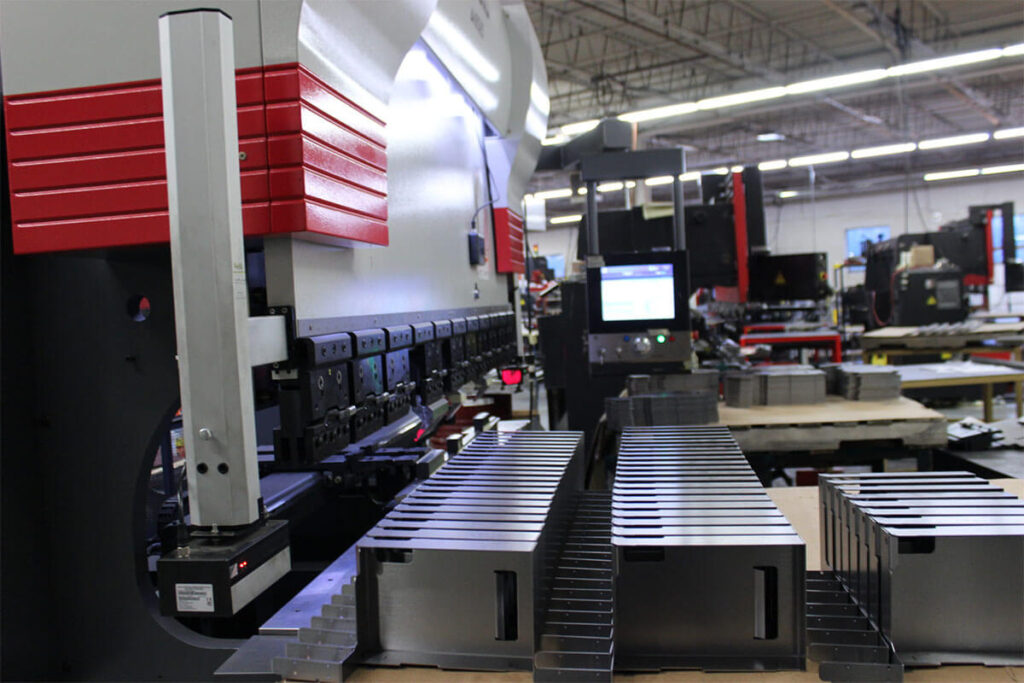
Material Selection for Precision Sheet Metal Fabrication
Material choice fundamentally impacts the performance, manufacturability, and lifecycle cost of sheet metal components. At Wuxi Lead Precision Machinery, we emphasize selecting the optimal alloy and finish based on rigorous application requirements, not just initial cost. Misalignment here leads to premature failure, excessive scrap, or costly secondary operations. Understanding the interplay between material properties, fabrication processes, and environmental exposure is critical for high-integrity parts.
Aluminum alloys, particularly 5052-H32 and 6061-T6, dominate aerospace, electronics enclosures, and transportation due to their exceptional strength-to-weight ratio and inherent corrosion resistance. Aluminum 5052 offers superior formability for complex bends, while 6061-T6 provides higher strength for structural elements. Its natural oxide layer offers decent protection, but anodizing significantly enhances surface durability and electrical insulation. Aluminum machines efficiently but requires careful toolpath strategies to prevent built-up edge and burring. Steel remains the workhorse for structural frames, chassis, and industrial machinery. Cold Rolled Steel (CRS) provides a smooth surface ideal for painting, while Stainless Steel 304 and 316 deliver essential corrosion resistance in harsh environments like medical or marine applications. Stainless steel necessitates rigid machine setups and specific tool geometries to manage work hardening and galling during cutting and forming. Titanium Grade 5 (Ti-6Al-4V) is reserved for extreme conditions demanding unparalleled strength-to-weight ratio and corrosion resistance, such as aerospace critical components or chemical processing. Its low thermal conductivity and high chemical reactivity pose significant machining challenges, requiring specialized tooling, lower speeds, and ample coolant to prevent seizing and excessive tool wear.
Key mechanical properties guide this critical decision:
| Material | Typical Tensile Strength (ksi) | Density (lb/in³) | Key Fabrication Consideration | Primary Application Driver |
|---|---|---|---|---|
| Aluminum 6061-T6 | 40-45 | 0.098 | Excellent machinability; prone to burrs | Weight reduction; moderate strength |
| Stainless 304 | 75-100 | 0.289 | Work hardening; requires sharp tools | Corrosion resistance; strength |
| Titanium Grade 5 | 130-140 | 0.170 | Low thermal conductivity; high tool wear | Extreme strength/weight; corrosion |
Surface finish, particularly anodizing, is integral to the material system. Type II (Sulfuric Acid) anodizing provides good corrosion resistance and dyeing capability for aluminum enclosures. Type III (Hard Anodizing) creates a much thicker, harder, wear-resistant ceramic layer essential for high-abrasion parts like hydraulic components or aerospace fittings. Achieving consistent, pore-free anodizing requires precise control over material surface prep, anodizing parameters, and sealing – a capability demanding deep process expertise. Wuxi Lead’s integrated CNC fabrication and finishing lines ensure material integrity is maintained from blank to final coated part, eliminating supply chain handoffs that risk quality deviations. Partner with us to navigate these complex material and finish variables, ensuring your sheet metal solution meets exacting performance and longevity standards.
Manufacturing Process & QC
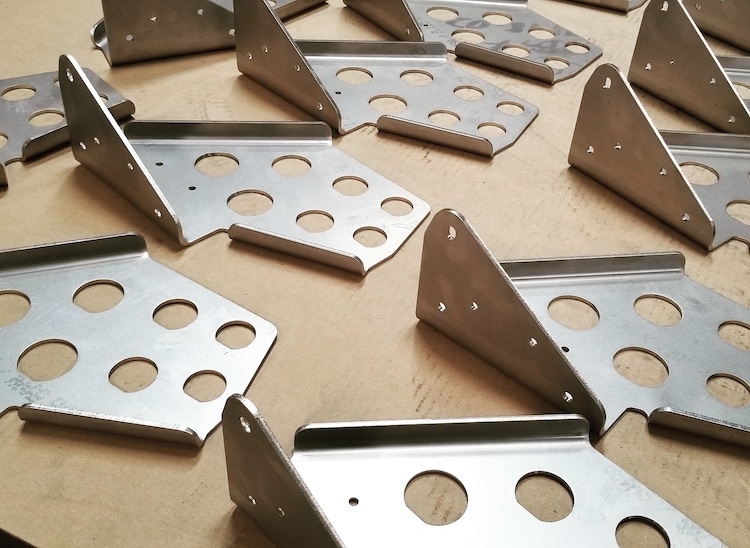
At Wuxi Lead Precision Machinery, our sheet metal fabrication process is engineered to deliver precision, consistency, and zero-defect outcomes across every production phase. We integrate advanced technology with rigorous quality control to ensure seamless execution from initial design through to mass production.
The process begins with collaborative design engineering. Our team works closely with clients to interpret technical drawings, 3D models, and functional requirements. Using industry-leading CAD/CAM software, we optimize part geometry, material selection, and manufacturability. This stage includes comprehensive Design for Manufacturability (DFM) analysis to identify potential issues early, reduce waste, and ensure cost efficiency without compromising on structural integrity or performance.
Once the design is finalized, we proceed to prototyping. Utilizing high-precision laser cutting, CNC punching, and bending equipment, we produce functional prototypes that reflect exact production specifications. These prototypes undergo thorough inspection using coordinate measuring machines (CMM) and optical measurement systems to validate dimensional accuracy and assembly compatibility. This phase allows for real-world testing and client feedback, ensuring that any adjustments are implemented before full-scale production begins.
With prototype approval, we transition to mass production. Our automated production lines are capable of handling low to high-volume runs with consistent repeatability. Each stage—cutting, forming, welding, surface treatment, and assembly—is monitored in real time using integrated quality checkpoints. Our ISO 9001-certified quality management system ensures that every component meets stringent international standards. Statistical process control (SPC) is employed to detect and correct deviations instantly, maintaining a zero-defect objective throughout the production cycle.
Final products are subjected to 100% inspection or sampling based on AQL standards, depending on client requirements. Packaging and logistics are coordinated to ensure safe, on-time delivery.
Our end-to-end process is not only about manufacturing precision components, but about building trust through transparency, technical excellence, and unwavering commitment to quality.
Key Production Specifications
| Parameter | Capability |
|---|---|
| Material Thickness Range | 0.5 mm – 25 mm |
| Tolerance Accuracy | ±0.05 mm – ±0.2 mm (depending on process) |
| Max Part Size | 3000 mm × 1500 mm (laser/punch) |
| Minimum Bend Radius | 1× material thickness (standard) |
| Production Capacity | Up to 500,000 units/month |
| Lead Time (Prototype) | 7–10 working days |
| Lead Time (Mass Production) | 15–25 working days (volume dependent) |
| Surface Treatments | Powder coating, anodizing, galvanizing, plating |
All processes are supported by real-time data tracking and full traceability, ensuring every component can be verified from raw material to final shipment.
Why Choose Wuxi Lead Precision
Partner with Lead Precision for Uncompromised Sheet Metal Excellence
In the demanding landscape of high-precision sheet metal fabrication, selecting a partner transcends basic manufacturing capability. It demands a commitment to engineering rigor, process transparency, and unwavering adherence to the tightest tolerances your most critical applications require. Wuxi Lead Precision Machinery stands as your definitive solution for complex, low-to-medium volume production where quality directly impacts your product’s performance and reputation. We understand the consequences of dimensional drift, surface imperfections, or delayed deliveries in aerospace, medical device, and advanced industrial sectors. Our integrated approach eliminates these risks through a foundation of certified processes, advanced technology, and engineer-to-engineer collaboration from concept to shipment.
Our facility operates at the forefront of sheet metal capability, leveraging German-engineered machinery and stringent quality protocols that meet or exceed international standards. The technical foundation enabling our precision is quantifiable:
| Key Capability | Specification | Industry Relevance |
|---|---|---|
| Laser Cutting Tolerance | ±0.05 mm | Critical for mating surfaces & assemblies |
| CNC Punching Accuracy | ±0.03 mm | Ensures precise hole placement & form integrity |
| Press Brake Tolerance | ±0.1° angular / ±0.05 mm linear | Guarantees consistent bend geometry |
| Welding Certifications | ISO 3834-2, ASME Section IX | Validates structural integrity for safety-critical components |
| Material Traceability | Full lot control & MTRs | Mandatory for regulated industries (aerospace, medical) |
This technical precision is matched by our operational philosophy. We function as an extension of your engineering team, not merely a vendor. When you partner with Lead Precision, you gain direct access to our applications engineers during the design-for-manufacturability phase. We proactively identify potential fabrication challenges in your CAD models, suggest optimizations to reduce cost and lead time without sacrificing function, and provide detailed process validation documentation. Our dedicated project managers maintain clear communication channels, offering real-time production updates and rigorous first-article inspection reports aligned to your specific requirements. This collaborative model ensures your complex geometries, stringent surface finishes, and exacting assembly needs are met consistently, batch after batch.
The true measure of a manufacturing partner lies in their ability to safeguard your timeline and quality standards under real-world pressure. Wuxi Lead Precision Machinery delivers this assurance through our vertically integrated processes, in-house quality lab with CMM and optical comparators, and a culture rooted in continuous improvement. We specialize in transforming intricate designs into flawless sheet metal components, allowing you to focus on innovation and market delivery. Do not compromise your product’s integrity with inadequate fabrication partners.
Initiate your precision partnership today. Share your most challenging sheet metal fabrication requirements with our engineering team. Email detailed specifications, CAD files, and quality expectations to [email protected]. Our technical sales engineers will respond within 12 business hours with a comprehensive capability assessment and actionable next steps. Elevate your supply chain with manufacturing excellence engineered for results. Contact Lead Precision and secure the foundation for your next high-stakes project.
⚙️ Precision Cost Estimator
Estimate relative manufacturing effort based on tolerance.