Technical Contents
Engineering Guide: Sheet Metal Cnc Machine
Engineering Insight: The Critical Role of Precision in Sheet Metal CNC Machines
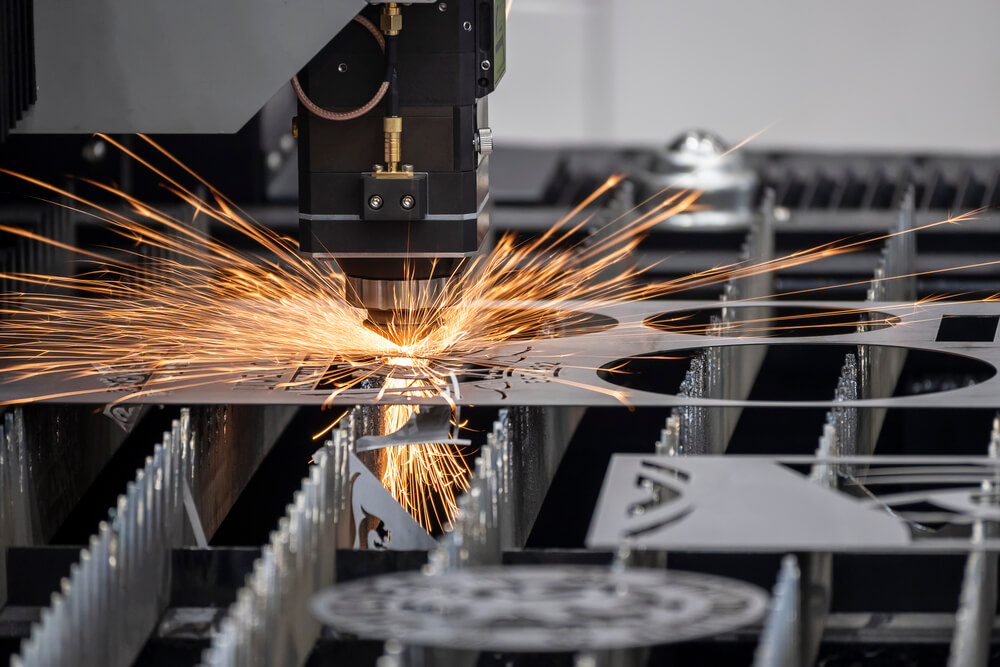
In the realm of advanced manufacturing, the performance and reliability of a sheet metal CNC machine are directly tied to its precision. At Wuxi Lead Precision Machinery, we understand that even micron-level deviations can compromise the structural integrity, functionality, and longevity of critical components—particularly in high-stakes industries such as aerospace, defense, and large-scale infrastructure. Precision is not merely a technical specification; it is the foundation upon which safety, efficiency, and innovation are built.
Our engineering philosophy centers on achieving repeatable accuracy across all operational parameters. This begins with rigid machine construction using high-grade cast iron and reinforced steel frames, which minimize vibration and thermal deformation. Linear guideways, preloaded ball screws, and high-resolution feedback systems ensure positional accuracy down to ±0.005 mm, while advanced CNC controllers enable real-time adjustments to maintain tight tolerances during high-speed operations.
The importance of precision becomes especially evident in applications where sheet metal components must integrate seamlessly into complex assemblies. For instance, in military-grade enclosures or Olympic stadium structural supports, dimensional consistency ensures proper fit, load distribution, and electromagnetic shielding. A deviation of even 0.1 mm can lead to assembly failures, increased scrap rates, or field performance issues—costly outcomes in mission-critical environments.
Wuxi Lead Precision Machinery has leveraged decades of experience in high-precision manufacturing to deliver CNC solutions trusted in projects demanding the highest standards. Our involvement in Olympic infrastructure development and defense-related fabrication underscores our capability to meet stringent quality benchmarks. These projects required not only extreme accuracy but also full traceability, rigorous testing protocols, and compliance with international standards such as ISO 2768 and MIL-STD-810.
Our sheet metal CNC machines are engineered to support this level of performance. From laser cutting and turret punching to press braking and automated bending cells, each system is calibrated for consistency, durability, and adaptability across diverse material types and thicknesses.
Below are key technical specifications representative of our high-precision sheet metal CNC platforms:
| Specification | Value |
|---|---|
| Positioning Accuracy | ±0.005 mm |
| Repeatability | ±0.002 mm |
| Maximum Material Thickness (Steel) | 6.0 mm (laser), 4.5 mm (punching) |
| Tool Turret Capacity | Up to 36 stations |
| Control System | Siemens 840D / Fanuc 31i |
| Bed Size Options | 1250 x 2500 mm to 2000 x 4000 mm |
| Spindle Speed Range | 15,000 – 45,000 rpm (laser) |
| Positioning Speed | Up to 120 m/min |
At Wuxi Lead, precision is not an afterthought—it is engineered into every component, every process, and every machine we deliver. For industries where failure is not an option, our CNC systems provide the accuracy, reliability, and performance required to lead in innovation and quality.
Precision Specs & Tolerances
Advanced Technical Capabilities for Sheet Metal Fabrication
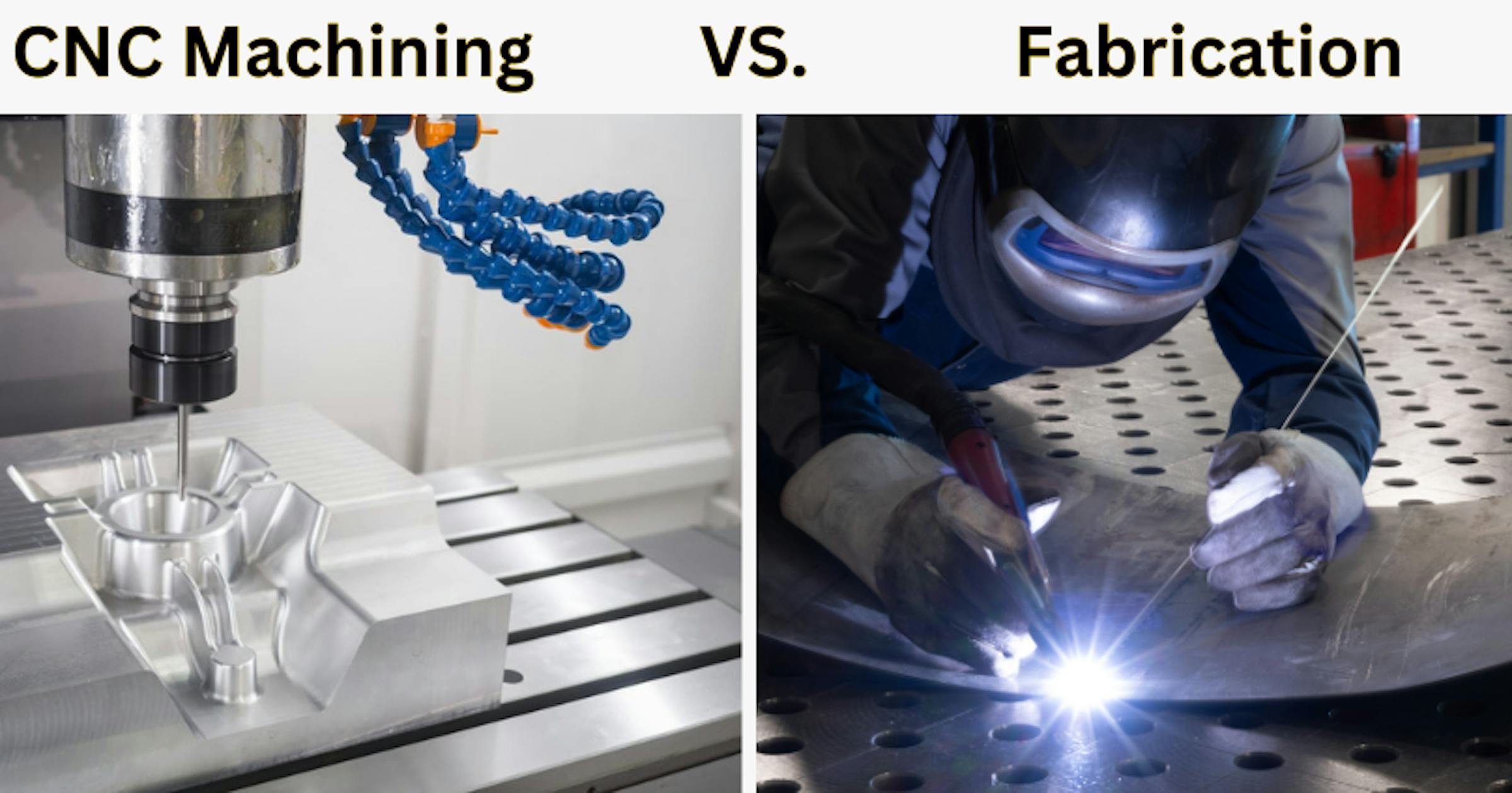
Wuxi Lead Precision Machinery delivers uncompromising precision and complexity management for demanding sheet metal applications through integrated 5-axis CNC machining centers. Our strategic investment in industry-leading DMG MORI and Makino platforms provides the foundation for manufacturing intricate components previously requiring multiple setups or secondary operations. These machines feature simultaneous 5-axis interpolation, enabling the precise machining of complex contours, deep cavities, and undercuts directly from solid billet or near-net-shape blanks. This capability significantly reduces lead times, minimizes part handling errors, and ensures superior geometric integrity critical for aerospace, medical device, and high-end industrial equipment assemblies. Our machining envelope accommodates workpieces up to 1200 x 800 x 600 mm, handling materials including aluminum alloys, stainless steels, titanium, and specialized engineering plastics with equal proficiency.
Rigorous quality control is non-negotiable in our process. Every critical dimension and geometric feature undergoes verification using state-of-the-art Zeiss and Hexagon Coordinate Measuring Machines (CMM). Our inspection protocol is embedded within the production workflow, not merely a final checkpoint. This proactive approach utilizes CAD/CAM-based inspection routines to validate part conformance against the original 3D model at defined process stages, ensuring deviations are identified and corrected in real-time. Certified metrologists operate these systems, providing traceable measurement data compliant with ISO 9001 and customer-specific requirements. Material certifications and full inspection reports are standard deliverables, offering complete transparency and audit readiness.
Achieving micron-level tolerances consistently requires harmonizing advanced machinery, skilled programming, and meticulous process control. Our engineering team leverages Mastercam and Siemens NX CAM to develop optimized toolpaths that minimize thermal distortion and vibration, directly impacting achievable precision. Below are representative tolerance capabilities for common sheet metal features, reflecting our standard production performance under controlled environmental conditions.
| Feature Type | Standard Capability (mm) | Precision Capability (mm) | Notes |
|---|---|---|---|
| Linear Dimensions | ±0.05 | ±0.012 | Up to 300mm; tighter on shorter lengths |
| Hole Diameter | ±0.03 | ±0.01 | Reamed/precision bored features |
| Positional Tolerance | ±0.05 | ±0.02 | Relative to primary datums |
| Flatness | 0.05 / 100mm | 0.02 / 100mm | Critical sealing surfaces |
| Profile of a Surface | ±0.05 | ±0.025 | Complex 3D contours |
| Angularity | ±0.1° | ±0.05° | Critical mating surfaces |
These capabilities are sustained through continuous environmental monitoring within our temperature-stabilized production cells and a comprehensive preventative maintenance program for all CNC and metrology equipment. Partner with Wuxi Lead Precision Machinery for sheet metal components where dimensional accuracy, geometric complexity, and absolute reliability are paramount to your product’s success. Our technical team stands ready to review your specific requirements and demonstrate how our precision machining solutions mitigate risk and enhance value in your supply chain.
Material & Finish Options
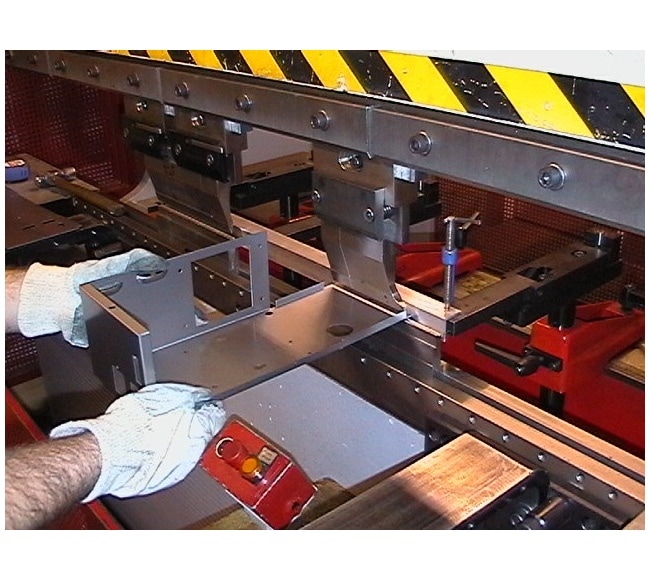
When selecting materials for sheet metal CNC machining, precision, durability, and application-specific performance are paramount. At Wuxi Lead Precision Machinery, we specialize in high-accuracy CNC fabrication of aluminum, steel, and titanium—three of the most widely used metals in advanced manufacturing. Each material offers distinct mechanical properties, making it suitable for different industrial environments including aerospace, automotive, medical, and electronics.
Aluminum is favored for its excellent strength-to-weight ratio, corrosion resistance, and machinability. It is particularly ideal for applications where weight reduction is critical without sacrificing structural integrity. Grade 6061-T6 is commonly used in CNC sheet metal work due to its weldability and moderate strength. Aluminum’s natural oxide layer provides inherent corrosion resistance, but when enhanced surface protection and aesthetics are required, anodizing is the preferred finishing process. Anodizing increases surface hardness and wear resistance while allowing for color dyeing, making it suitable for both functional and visual applications.
Steel, especially stainless steel grades such as 304 and 316, offers superior strength, thermal resistance, and durability. These properties make steel the material of choice for structural components, enclosures, and parts exposed to harsh environments. 316 stainless steel provides enhanced corrosion resistance due to molybdenum content, making it suitable for marine and chemical processing applications. While heavier than aluminum, steel’s mechanical robustness ensures long-term reliability under high stress and elevated temperatures.
Titanium, though more challenging to machine, delivers exceptional performance in extreme conditions. With a strength-to-density ratio surpassing both steel and aluminum, titanium is extensively used in aerospace, defense, and medical implant manufacturing. Grade 5 (Ti-6Al-4V) is the most common titanium alloy in CNC machining, offering excellent fatigue resistance and biocompatibility. Its high cost and machining complexity are justified in mission-critical applications where failure is not an option.
Surface finishing plays a critical role in performance and longevity. Anodizing, primarily applied to aluminum, is an electrochemical process that thickens the natural oxide layer. This enhances corrosion and wear resistance, improves adhesion for paint primers, and allows for aesthetic customization through coloration. Type II (sulfuric acid) anodizing is standard for most industrial applications, while Type III (hardcoat anodizing) is used where extreme surface hardness is required.
Below is a comparative overview of key material properties relevant to CNC sheet metal fabrication.
| Material | Common Grades | Tensile Strength (MPa) | Density (g/cm³) | Corrosion Resistance | Typical Applications |
|---|---|---|---|---|---|
| Aluminum | 6061-T6 | 310 | 2.7 | High | Aerospace, electronics, enclosures |
| Stainless Steel | 304, 316 | 505–585 | 8.0 | Very High | Medical devices, food processing |
| Titanium | Ti-6Al-4V (Grade 5) | 900–950 | 4.4 | Excellent | Aerospace, defense, implants |
At Wuxi Lead Precision Machinery, we ensure optimal material and finish selection based on your design requirements, environmental conditions, and performance goals. Our expertise in precision CNC machining guarantees tight tolerances, consistent quality, and reliable delivery for every project.
Manufacturing Process & QC
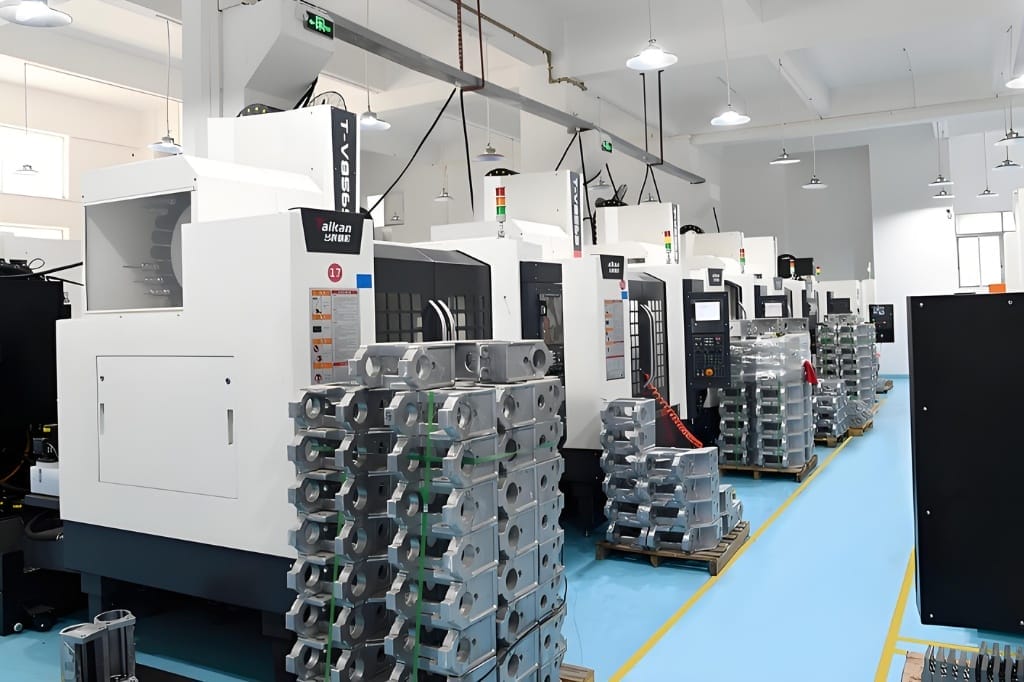
Sheet Metal CNC Production Process: Achieving Zero Defects
At Wuxi Lead Precision Machinery, our sheet metal CNC production process is engineered for uncompromising quality, adhering strictly to a Zero Defects philosophy. This integrated workflow—Design, Prototyping, Mass Production—ensures dimensional precision, material integrity, and functional reliability for every component, eliminating costly rework and delays in your supply chain.
Design Phase
The foundation of defect prevention begins with rigorous Design for Manufacturability (DFM) analysis. Our engineering team collaborates with clients to optimize part geometry, material selection (including stainless steel, aluminum alloys, and specialty metals), and tolerance specifications against ISO 2768 or custom GD&T standards. Finite Element Analysis (FEA) validates structural performance under load, while laser cutting and bending simulations identify potential stress points or tooling conflicts. This phase ensures the digital model is inherently manufacturable, minimizing inherent risks before metal is cut. Material certifications and traceability protocols are established here, critical for aerospace and medical applications.
Prototyping Phase
Physical validation is non-negotiable. We produce functional prototypes using the exact production-grade CNC equipment intended for series manufacturing—primarily 5-axis fiber laser cutters and robotic press brakes. Each prototype undergoes comprehensive metrology: CMM inspections verify critical dimensions against the CAD model, while surface roughness testers and hardness gauges confirm material properties. Fit-checks with mating components validate assembly interfaces. Any deviation triggers immediate root-cause analysis and design or process refinement. This stage locks the approved process parameters, ensuring mass production replicates the validated prototype exactly.
Mass Production Phase
Full-scale manufacturing leverages our automated production cells with embedded quality control. Laser cutting systems utilize real-time kerf compensation and pierce control to maintain ±0.05 mm accuracy. Robotic bending cells employ angle sensors and in-process vision systems for bend angle repeatability within ±0.25°. Crucially, Zero Defects is sustained through 100% inline inspection of critical features using automated optical comparators and statistical process control (SPC) monitoring of key parameters like tool wear and material thickness variance. Every batch includes first-article inspection reports and final audit documentation per ISO 9001, with full traceability from raw material to shipped part.
Our commitment transcends execution; it’s systemic. Process capability indices (Cp/Cpk > 1.67) are mandated for all critical characteristics, and continuous improvement loops feed data from production back into design rules. Partnering with Wuxi Lead means receiving components where defects are statistically improbable—not merely inspected out.
Key Production Capabilities for Zero Defects Execution
| Parameter | Specification | Impact on Zero Defects |
|---|---|---|
| Positioning Accuracy | ±0.03 mm | Ensures precise feature placement on complex geometries |
| Bending Repeatability | ±0.25° | Guarantees consistent angles across high-volume runs |
| Max Sheet Size | 4000 x 2000 mm | Accommodates large assemblies without seams |
| Material Thickness Range | 0.5 – 25.0 mm | Supports diverse applications from enclosures to structural parts |
| In-Process Inspection | 100% Critical Features via AOI/SPC | Catches deviations before downstream operations |
Why Choose Wuxi Lead Precision
Partner with Wuxi Lead Precision Machinery to elevate your sheet metal fabrication capabilities to the highest industrial standards. As a trusted leader in precision CNC machining, we specialize in advanced sheet metal CNC machines engineered for accuracy, efficiency, and long-term reliability. Our solutions are designed for high-volume production environments and mission-critical applications in aerospace, automotive, energy, and advanced electronics.
At Wuxi Lead, we understand that precision is non-negotiable. Our CNC machines integrate state-of-the-art control systems, robust frame construction, and dynamic tooling configurations to deliver micron-level accuracy across every operation. Whether you are cutting, bending, punching, or forming complex geometries, our machines maintain consistent performance under continuous industrial loads. We build each system with durability in mind, ensuring minimal downtime and maximum return on investment.
Our engineering team collaborates directly with clients to tailor machine specifications to your production requirements. From automated material handling integration to custom tooling layouts and IoT-enabled monitoring systems, we provide end-to-end solutions that scale with your operational goals. With strict adherence to ISO 9001 quality standards and CE certification, every machine undergoes rigorous testing before shipment.
Choosing Wuxi Lead means partnering with a manufacturer that values performance, innovation, and long-term support. Our global service network ensures rapid technical assistance, remote diagnostics, and spare parts availability, minimizing disruptions to your workflow. We don’t just supply machinery—we deliver precision partnerships.
For engineering inquiries, custom configuration requests, or to schedule a live demonstration, contact us directly at [email protected]. Our technical sales team is available to guide you through the selection process and help identify the optimal machine for your production demands.
Explore the future of sheet metal CNC machining with Wuxi Lead Precision Machinery—where industrial excellence meets intelligent engineering.
Technical Specifications – Lead Series CNC Sheet Metal Machine
| Parameter | Specification |
|---|---|
| Machine Model | LP-CNC-3015 |
| Maximum Processing Area | 3000 mm × 1500 mm |
| Material Thickness Range | 0.5 mm – 6.0 mm (steel), up to 4.0 mm (aluminum) |
| Positioning Accuracy | ±0.02 mm |
| Repeatability | ±0.01 mm |
| Spindle Speed Range | 15,000 – 60,000 rpm (optional high-speed head) |
| Control System | Siemens 840D Solution Line |
| Tool Magazine Capacity | 30-tool automatic changer |
| Punching Force | 300 kN |
| Bending Tolerance | ±0.2° |
| Power Supply | 380V ±10%, 50/60 Hz, 3-phase |
| Compressed Air Requirement | 0.6 – 0.8 MPa, clean and dry |
| Machine Footprint | 6.2 m × 2.8 m × 2.4 m (L×W×H) |
| Weight | Approx. 8,500 kg |
Contact [email protected] today to receive a detailed technical proposal and discover how Wuxi Lead Precision Machinery can transform your manufacturing output with unmatched precision and reliability.
⚙️ Precision Cost Estimator
Estimate relative manufacturing effort based on tolerance.