

Technical Contents
Engineering Guide: Sheet Metal Cnc
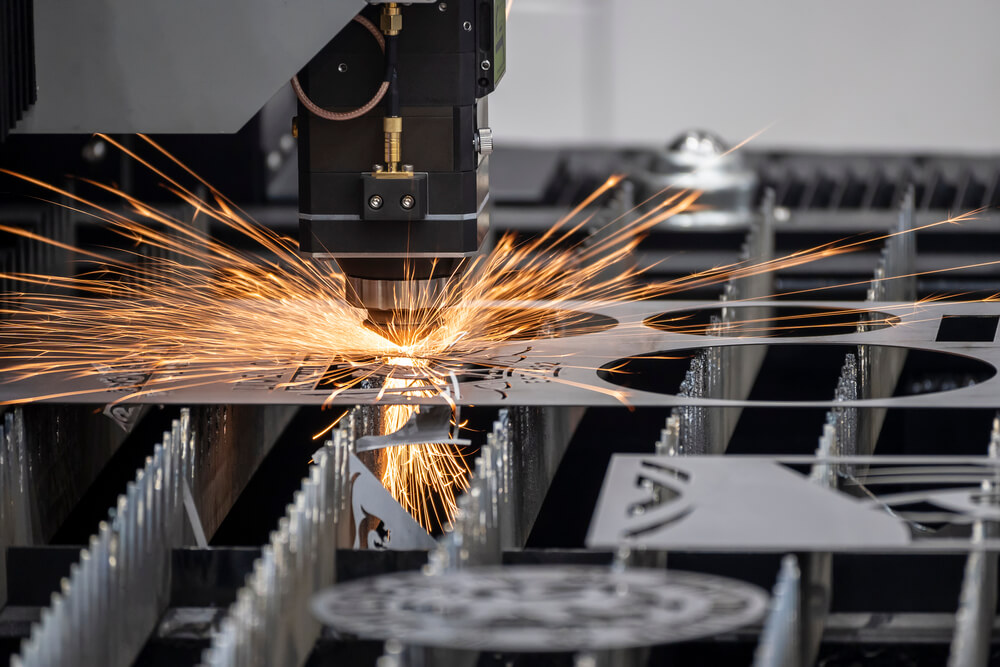
Engineering Insight Precision in Sheet Metal CNC Operations
Precision in sheet metal CNC fabrication transcends mere technical specification—it is the foundational metric determining functional integrity, assembly efficiency, and lifecycle reliability of end products. In high-stakes industries like aerospace, defense, and advanced medical equipment, tolerances measured in microns directly impact safety, performance, and compliance. A 0.1mm deviation in bracket alignment may propagate through entire assemblies, causing catastrophic misalignment in robotic systems or structural failures in load-bearing frameworks. At Wuxi Lead Precision Machinery, we treat precision as a non-negotiable engineering commitment, not a target. Our CNC processes integrate real-time thermal compensation, laser calibration, and closed-loop feedback systems to maintain tolerances consistently within ±0.02mm, even during extended production runs. This rigor ensures that every bend, cut, and hole meets exacting design intent, eliminating costly rework and field failures.
Achieving such consistency demands more than advanced machinery—it requires embedded process discipline. Our facility employs multi-stage validation protocols, including in-process CMM verification and post-production 3D scanning, to validate geometric accuracy against CAD models. Material behavior prediction algorithms account for springback and grain directionality, while proprietary toolpath optimization minimizes residual stress. This holistic approach transforms precision from an aspiration into a repeatable outcome.
The criticality of this capability is validated through our work on projects where failure is not an option. Wuxi Lead Precision Machinery has delivered mission-critical sheet metal components for Olympic venue structural systems, where thermal expansion tolerances under extreme weather conditions demanded sub-0.05mm accuracy across 50-meter spans. Similarly, our defense sector partnerships involve fabricating radar housing assemblies for military platforms, where electromagnetic shielding integrity relies on micron-level seam precision to prevent signal leakage. These engagements underscore our capacity to execute under stringent regulatory frameworks including AS9100 and MIL-STD-883.
Our technical capabilities are anchored in purpose-built infrastructure, as demonstrated in the operational specifications below
| Parameter | Capability Range | Industry Standard Benchmark |
|---|---|---|
| Tolerance Control | ±0.02mm to ±0.05mm | ±0.1mm to ±0.2mm |
| Material Thickness | 0.5mm to 6.0mm | 0.8mm to 4.0mm |
| Max. Working Area | 3000mm x 1500mm | 2000mm x 1000mm |
| Repeatability (CpK) | ≥1.67 | ≥1.33 |
| Surface Roughness (Ra) | ≤0.8μm | ≤1.6μm |
Precision in sheet metal CNC is ultimately a value multiplier. It reduces total cost of ownership through accelerated assembly, minimized scrap, and extended product service life. For OEMs navigating complex supply chains, partnering with a manufacturer that treats precision as an engineering imperative—not a negotiable spec—ensures downstream resilience. At Wuxi Lead Precision Machinery, decades of solving the industry’s most demanding fabrication challenges prove that true precision begins where specifications end.
Precision Specs & Tolerances
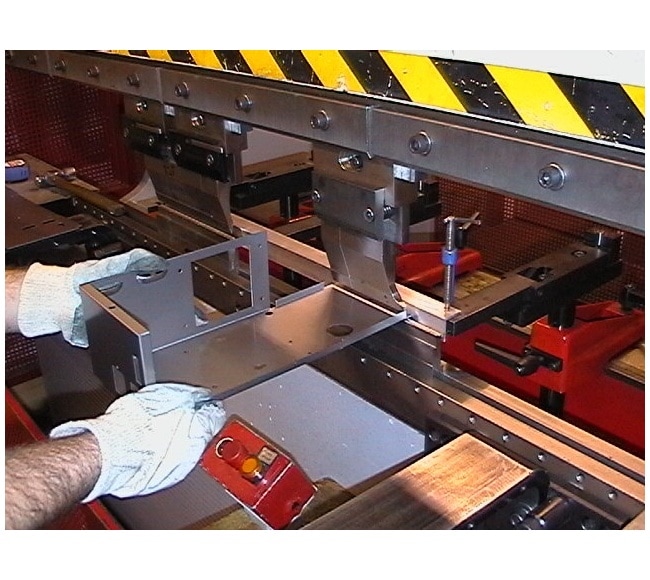
Wuxi Lead Precision Machinery delivers advanced technical capabilities in precision CNC machining, specializing in complex sheet metal fabrication for high-performance industries such as aerospace, medical, automotive, and industrial automation. Our facility is equipped with state-of-the-art 5-axis CNC machining centers, enabling us to execute intricate geometries and tight-tolerance components with exceptional repeatability and surface finish. The integration of multi-axis technology allows for simultaneous machining from multiple angles, reducing setup times and enhancing dimensional accuracy across complex sheet metal parts.
Our 5-axis CNC systems are programmed using industry-leading CAM software, ensuring optimized toolpaths, minimized tool wear, and maximum material efficiency. This advanced programming, combined with high-rigidity machine platforms, supports the precise machining of thin-gauge and high-strength sheet metals, including stainless steel, aluminum alloys, titanium, and specialty composites. We maintain full in-house control over the machining process, from raw material preparation to final finishing, ensuring consistent quality and rapid turnaround.
Quality assurance is embedded at every stage of production. All critical dimensions are verified using a Coordinate Measuring Machine (CMM) with 3D probing systems, capable of micron-level inspection accuracy. Our CMM routines are aligned with ISO 10360 standards and are fully documented to provide traceable inspection reports for every production batch. In addition to CMM validation, we employ first-article inspection (FAI), in-process checks, and final visual and dimensional audits to ensure compliance with customer engineering specifications and industry regulations.
We maintain strict environmental controls in our metrology lab to eliminate thermal drift during measurement, ensuring data integrity across long production runs. Our quality management system is ISO 9001 certified, reflecting our commitment to continuous improvement and customer satisfaction in high-precision manufacturing.
The following table outlines the standard technical tolerances we consistently achieve across our CNC machining operations:
| Feature | Standard Tolerance | Precision Capability | Notes |
|---|---|---|---|
| Linear Dimensions | ±0.025 mm | ±0.010 mm | Up to 1,200 mm length |
| Hole Diameter | ±0.015 mm | ±0.005 mm | Reamed and honed features |
| Positional Tolerance | ±0.020 mm | ±0.010 mm | Relative to datum |
| Flatness | 0.03 mm per 100 mm | 0.01 mm per 100 mm | For sheet thickness ≥1 mm |
| Angular Accuracy | ±0.1° | ±0.05° | 5-axis simultaneous control |
| Surface Roughness (Ra) | 1.6 µm | 0.4 µm | As machined or post-processed |
These capabilities are supported by skilled CNC programmers, tooling engineers, and certified inspectors who collaborate to deliver components that meet the most demanding technical requirements. At Wuxi Lead Precision Machinery, we combine cutting-edge equipment with rigorous quality control to provide reliable, high-precision sheet metal CNC solutions for global industrial markets.
Material & Finish Options
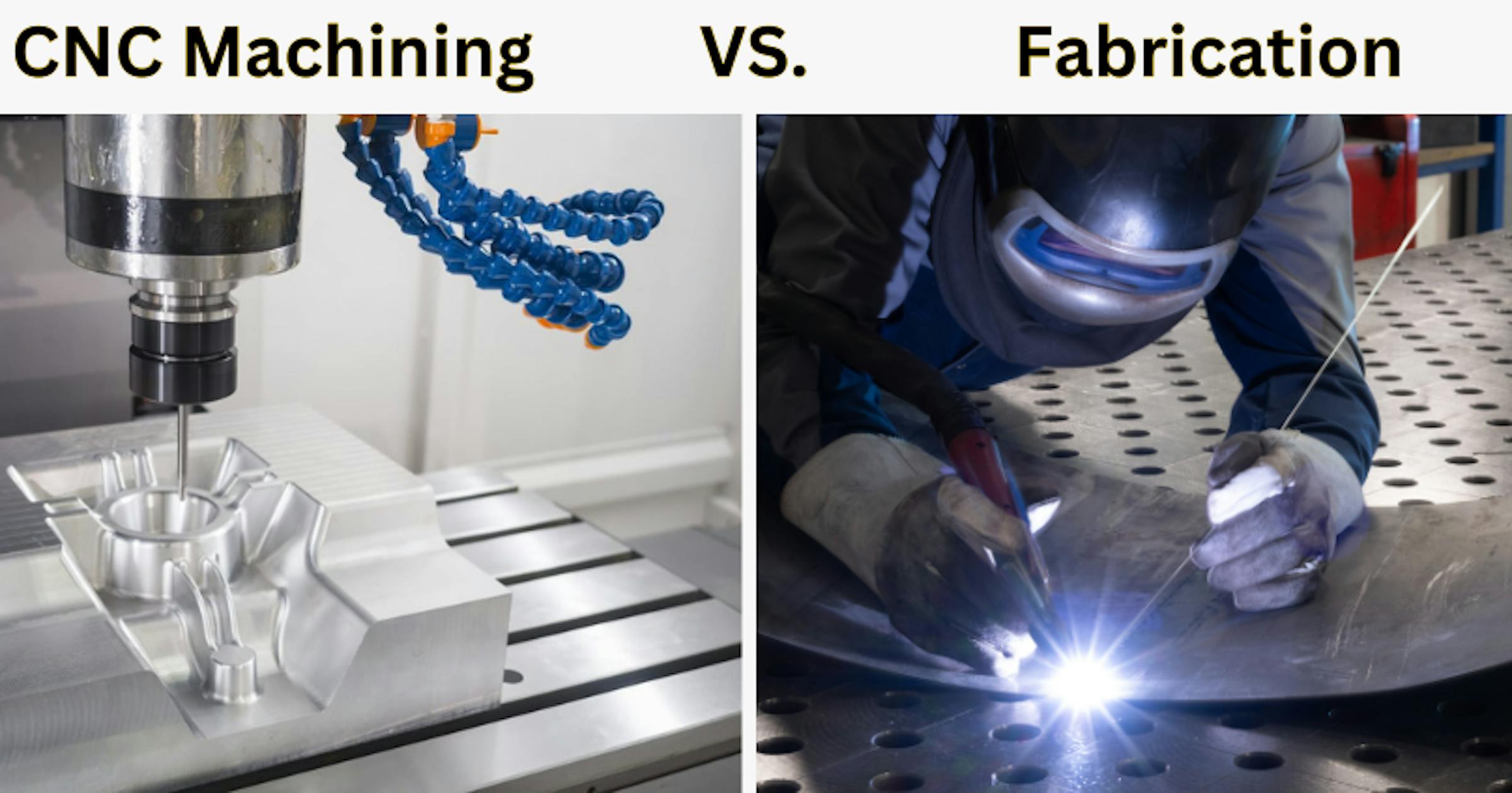
Material Selection for Precision Sheet Metal CNC Fabrication
Selecting optimal materials for sheet metal CNC projects requires balancing mechanical properties, manufacturability, and environmental demands. At Wuxi Lead Precision Machinery, we prioritize materials that maximize part performance while minimizing production complexity. Aluminum alloys dominate aerospace and electronics due to their exceptional strength-to-weight ratio and thermal conductivity. Steel variants—particularly 304 and 316 stainless—deliver superior structural integrity and corrosion resistance for industrial machinery and marine applications. Titanium Grade 5 (Ti-6Al-4V) serves extreme environments like medical implants and defense systems, where fatigue resistance and biocompatibility are non-negotiable. Each material presents distinct CNC machining characteristics that directly impact lead times and cost efficiency.
Key mechanical and processing properties are summarized below for rapid comparison:
| Material | Yield Strength (MPa) | Machinability Rating | Thermal Conductivity (W/m·K) | Primary CNC Challenges |
|---|---|---|---|---|
| Aluminum 6061-T6 | 276 | Excellent (100%) | 167 | Minimal tool wear; high chip evacuation speed |
| Stainless 304 | 215 | Moderate (45%) | 16.2 | Work hardening; requires rigid setups and sharp tooling |
| Titanium Grade 5 | 880 | Poor (22%) | 7.2 | Low thermal conductivity; demands low RPM and high coolant flow |
Aluminum’s softness enables high-speed machining but necessitates precise clamping to prevent deformation. Stainless steel’s toughness increases tool deflection risks, requiring optimized feed rates and specialized end mills. Titanium’s reactivity with cutting tools demands strict parameter control to avoid galling and thermal cracking—our CNC cells use carbide tooling with PCD coatings to extend tool life by 30%. Material thickness tolerance must align with your design’s functional requirements; for instance, titanium sheets below 1.0mm require laser cutting to maintain flatness, while aluminum tolerates ±0.1mm with standard milling.
Anodizing remains the gold standard finish for aluminum components, enhancing wear resistance and enabling color-coding for assembly. Type II (sulfuric acid) anodizing achieves 5–25μm thickness for general corrosion protection, while Type III (hard coat) reaches 50μm for hydraulic manifolds or rail components exposed to abrasive media. Crucially, anodizing thickness must be factored into critical dimensions during CNC programming—our engineers adjust toolpaths by 15–20μm per side to accommodate coating growth. Steel parts typically require passivation or powder coating instead, as anodizing is aluminum-specific.
Wuxi Lead’s material science team collaborates with clients to validate selections against real-world duty cycles. We analyze stress points, environmental exposure, and lifecycle costs to prevent over-engineering. For instance, substituting 6061-T6 for 7075 aluminum in non-critical brackets reduces material costs by 35% without compromising function. Request our CNC Machinability Index Report to quantify production implications for your specific geometry and volume. Precision begins with informed material decisions—let us optimize yours.
Manufacturing Process & QC
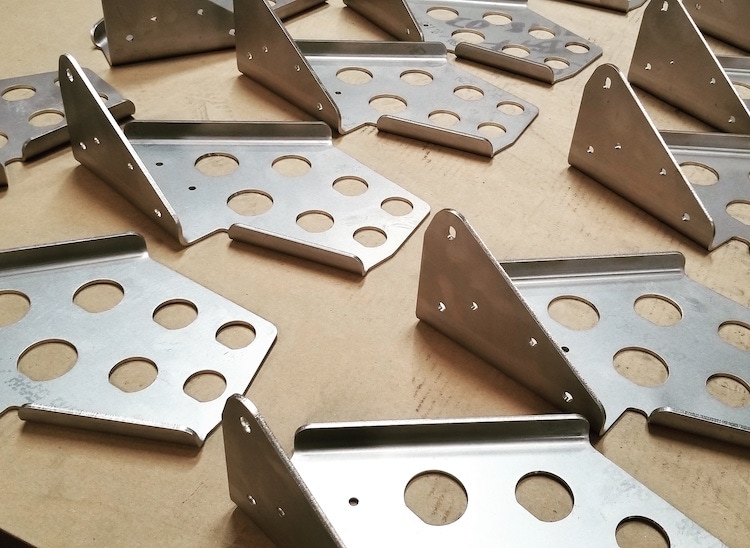
The journey from concept to final product in precision sheet metal CNC manufacturing begins with a meticulous, integrated workflow designed to ensure zero defects and maximum repeatability. At Wuxi Lead Precision Machinery, our production process is structured around three core phases: Design, Prototyping, and Mass Production. Each stage is engineered for precision, efficiency, and full traceability to meet the rigorous demands of high-end industrial clients.
Design is the foundation. Our engineering team collaborates closely with clients to analyze technical drawings, material specifications, and functional requirements. Using advanced CAD/CAM software, we develop 3D models and simulate CNC toolpaths to optimize material usage, minimize stress deformation, and ensure geometric accuracy. Finite element analysis (FEA) is applied where necessary to validate structural integrity under operational loads. This phase also includes selecting the appropriate sheet metal grade—such as stainless steel, aluminum, or galvanized steel—based on environmental exposure, strength needs, and surface finish requirements.
Following design approval, we proceed to prototyping. This critical stage validates both form and function. Utilizing our high-precision CNC punching, laser cutting, and bending equipment, we produce a limited run of components for physical testing. Each prototype undergoes dimensional inspection via coordinate measuring machines (CMM), ensuring tolerances are held within ±0.05 mm. Surface quality, edge consistency, and bend accuracy are rigorously assessed. Any deviations trigger immediate process refinement before progression. Client feedback is integrated at this stage to ensure alignment with end-use performance criteria.
Only after prototype validation do we transition to mass production. Our automated production lines, integrated with real-time monitoring systems, maintain consistent quality across large volumes. CNC machines operate under strict process control, with tool wear sensors and in-process gauging to prevent drift. Every component is traceable through our digital manufacturing execution system (MES), recording machine parameters, operator IDs, and inspection data. Final inspection includes 100% visual checks and statistical sampling for dimensional verification. All finished parts are packaged to prevent transit damage, with documentation including material certificates and first-article inspection reports.
This end-to-end approach ensures that every sheet metal component we produce meets the highest standards of precision and reliability.
| Specification | Detail |
|---|---|
| Material Thickness Range | 0.5 – 6.0 mm |
| Tolerance (Standard) | ±0.05 mm |
| Max Sheet Size | 1500 × 3000 mm |
| Available Materials | Stainless Steel (304, 316), Aluminum (5052, 6061), Galvanized Steel, SPCC |
| Processes | CNC Laser Cutting, CNC Punching, Precision Bending, Welding, Surface Finishing |
| Quality Standards | ISO 9001:2015, ISO 14001, IATF 16949 (Automotive) |
| Lead Time (Prototype) | 5–7 Days |
| Lead Time (Mass Production) | 15–25 Days (varies by volume) |
Why Choose Wuxi Lead Precision
Elevate Your Sheet Metal Fabrication Through Strategic Partnership
In today’s competitive manufacturing landscape, precision sheet metal components demand more than equipment—they require a partner with unwavering technical mastery and process rigor. Wuxi Lead Precision Machinery delivers engineered solutions where tolerances of ±0.05mm and complex geometries become standard deliverables, not exceptions. Our ISO 9001:2015-certified facility integrates German-engineered TruLaser systems with decades of Chinese manufacturing expertise, ensuring your critical components meet aerospace, medical, and industrial automation standards without compromise.
Global clients choose Lead Precision for our closed-loop quality ecosystem. Every sheet metal project undergoes automated dimensional validation via FARO Arm metrology, real-time laser power calibration, and material traceability from raw stock to finished part. This eliminates costly rework cycles while accelerating time-to-market for high-mix, low-volume production. Our 15,000m² Wuxi campus houses 42 CNC laser cutters, turret presses, and robotic bending cells—all networked for live production visibility through our cloud-based MES platform.
Sheet Metal CNC Capabilities at a Glance
| Parameter | Specification | Industry Benchmark |
|---|---|---|
| Tolerance Range | ±0.05mm to ±0.1mm | ±0.2mm |
| Material Thickness | 0.5mm – 25.4mm (Steel/Aluminum/Stainless) | ≤12.7mm |
| Max Work Envelope | 4000mm x 2000mm | 3000mm x 1500mm |
| Laser Power | Up to 12kW Fiber Technology | 6kW |
| Secondary Processes | Deburring, Welding, Anodizing, Powder Coating | Limited Integration |
Unlike transactional suppliers, we embed engineering collaboration into your workflow. Our APQP framework begins with DFM analysis to optimize material yield and reduce setup times by 30%. When your design requires micro-perforations under 0.8mm or multi-plane bending sequences, our process engineers co-develop solutions using SolidWorks Simulation—preventing failures before metal meets laser. This proactive approach has driven 98.7% on-time delivery for Tier-1 automotive clients over 14 consecutive quarters.
China-based manufacturing no longer means supply chain vulnerability. Lead Precision operates dedicated export logistics with bonded warehouse access at Shanghai Port, providing HS code compliance, customs brokerage, and container consolidation. Every shipment includes full material test reports (MTRs) and first-article inspection (FAI) documentation per AS9102 standards, eliminating customs delays for North American and EU destinations.
Your next precision sheet metal project demands a partner who treats your specifications as non-negotiable. Initiate your workflow with engineering validation, not quotations. Contact our technical sales team at [email protected] with your 3D model and volume requirements. We will return within 24 hours with a comprehensive DFM report, process flowchart, and certified cost analysis—proving how Lead Precision becomes your competitive advantage.
The future of sheet metal fabrication is precision-engineered partnership. Begin the transition from vendor to strategic asset today. [email protected] stands ready to transform your specifications into certified reality.
⚙️ Precision Cost Estimator
Estimate relative manufacturing effort based on tolerance.