

Technical Contents
Engineering Guide: Rubber Mould Man
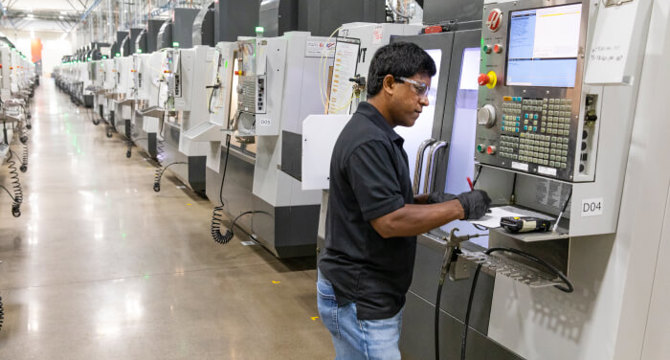
Engineering Insight Precision Imperatives in Rubber Mould Tooling
A 0.005mm dimensional deviation in a rubber injection mould cavity may seem negligible. Yet in high-cycle production environments, this micro-variation induces flash defects, accelerates wear, and compromises part sealing integrity. For the rubber mould specialist, precision machining is not merely desirable—it is the non-negotiable foundation of tool longevity, process stability, and final product performance. At Wuxi Lead Precision Machinery, we engineer metal components where tolerances directly dictate the success of your elastomer applications. Our CNC processes treat micron-level accuracy as the baseline standard, not an exception.
Rubber mould tooling demands exceptional geometric fidelity across complex contours and tight core-pin interfaces. Thermal cycling during operation exacerbates minute inconsistencies, leading to premature cavity erosion or misalignment. We counter this through multi-axis simultaneous machining with real-time thermal compensation, ensuring dimensional stability from initial cut to final polish. Material selection further intersects with precision; our aerospace-grade H13 tool steel undergoes stringent homogenization heat treatment before machining, eliminating internal stresses that could distort critical forming surfaces post-delivery. Surface finish consistency directly impacts rubber release characteristics and aesthetic quality—our sub-micron polishing protocols eliminate micro-fractures that trap material.
Our technical capabilities are engineered for mission-critical applications where failure is unacceptable. The following specifications reflect our standard production envelope for rubber mould components:
| Specification Parameter | Capability Range | Measurement Standard |
|---|---|---|
| Geometric Tolerance | ±0.001mm to ±0.005mm | ISO 2768-mK |
| Surface Roughness (Cavity) | Ra 0.05µm to Ra 0.4µm | ISO 1302 |
| Core Pin Straightness | ≤0.002mm over 50mm | ASME Y14.5 |
| Material Hardness Range | 48-52 HRC (post-machining) | ASTM E18 |
| Lead Time (Complex Cavities) | 18-25 working days | From approved CAD |
This precision pedigree was rigorously validated through projects demanding absolute reliability. We manufactured timing system components for the Beijing Winter Olympics where thermal expansion tolerances could not exceed 2µm across operational ranges. Similarly, our hydraulic sealing moulds for military-grade vehicle suspensions underwent 500,000-cycle endurance testing with zero dimensional drift. These engagements required not just machining excellence, but deep collaboration with rubber formulation teams to anticipate material flow dynamics at micron scales.
For the rubber mould professional, partnering with a manufacturer that treats precision as a systemic engineering discipline—not a shop-floor afterthought—translates to reduced scrap rates, extended tool life, and accelerated time-to-market. Wuxi Lead Precision Machinery operates at this intersection of metrology and metallurgy. Submit your tolerance stack-up analysis; our engineering team will deliver a machining solution where every micron serves your production reality. Precision isn’t our claim—it’s your measurable outcome.
Precision Specs & Tolerances
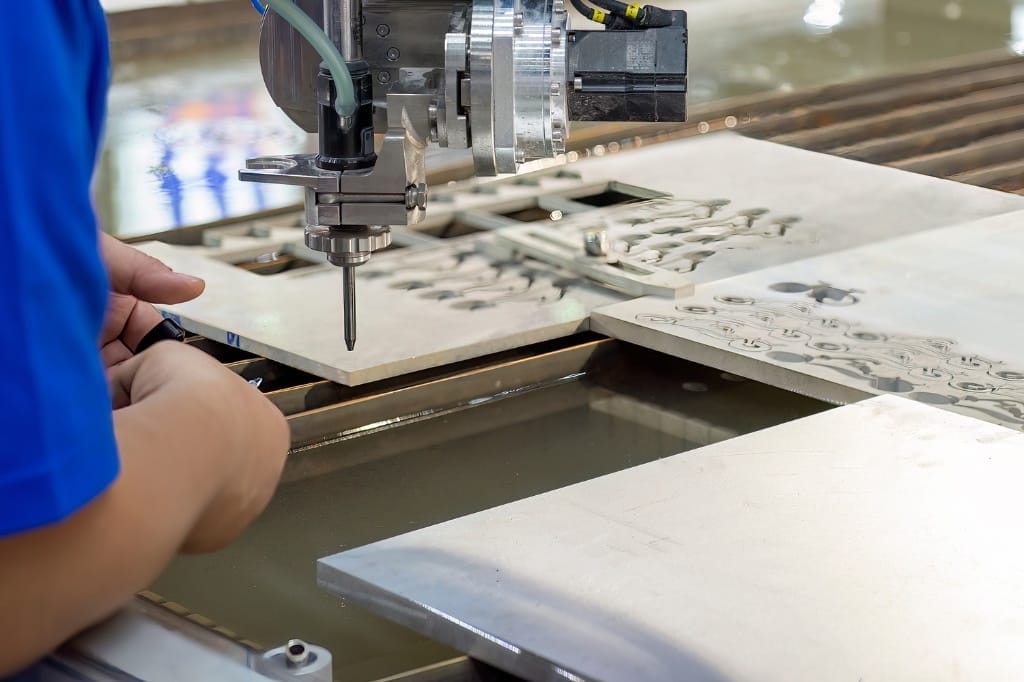
Advanced Technical Capabilities in Precision Metal Manufacturing
At Wuxi Lead Precision Machinery, our technical infrastructure is engineered to meet the exacting demands of high-performance industries such as aerospace, medical devices, automotive, and industrial automation. As a trusted partner for custom metal manufacturing, we specialize in delivering complex, high-precision components with consistency and repeatability. Our core strength lies in integrating state-of-the-art 5-axis CNC machining with rigorous quality control protocols, enabling us to produce intricate geometries that adhere to the tightest tolerances.
Our 5-axis CNC machining centers are equipped with high-speed spindles, dynamic tool path optimization, and real-time error compensation systems. This advanced setup allows for simultaneous multi-directional cutting, reducing setup times and enhancing dimensional accuracy. By eliminating the need for multiple fixturing stages, we ensure superior surface finishes and geometric integrity across complex parts—critical for applications where form, fit, and function are non-negotiable. Materials we routinely machine include hardened steels, titanium alloys, aluminum, stainless steel, and specialty alloys, all processed under controlled environmental conditions to minimize thermal distortion.
Complementing our machining capabilities is a comprehensive quality assurance system anchored by Coordinate Measuring Machine (CMM) inspection. Every critical dimension is verified using Zeiss and Hexagon CMM platforms, which offer micron-level measurement precision. These systems utilize tactile probing and optical scanning technologies to validate part geometry against CAD models, ensuring full compliance with GD&T (Geometric Dimensioning and Tolerancing) requirements. All inspection data is documented and traceable, supporting full audit readiness for regulated industries.
To maintain process stability and part consistency, we implement Statistical Process Control (SPC) across production runs. In-process inspections, first-article inspections, and final quality audits are standard practice. Our quality management system is ISO 9001 certified, reflecting our commitment to continuous improvement and customer-specific requirements.
The table below outlines our standard machining tolerances, which serve as a baseline for most applications. For mission-critical components, tighter tolerances can be achieved upon engineering review and process validation.
| Feature | Standard Tolerance | Capable Tolerance (Optimized Conditions) |
|---|---|---|
| Linear Dimensions (mm) | ±0.01 mm | ±0.005 mm |
| Hole Diameter | ±0.01 mm | ±0.003 mm |
| Positional Tolerance | ±0.02 mm | ±0.01 mm |
| Flatness | 0.01 mm per 100 mm | 0.005 mm per 100 mm |
| Surface Roughness (Ra) | 0.8 µm | 0.4 µm (polished finishes available) |
| Angular Tolerance | ±0.05° | ±0.02° |
Our technical capabilities are not limited to machining and inspection alone. We offer full design for manufacturability (DFM) support, rapid prototyping, and scalable production planning—all under one roof. This integrated approach ensures that every component we deliver meets the highest standards of precision, reliability, and performance.
Material & Finish Options
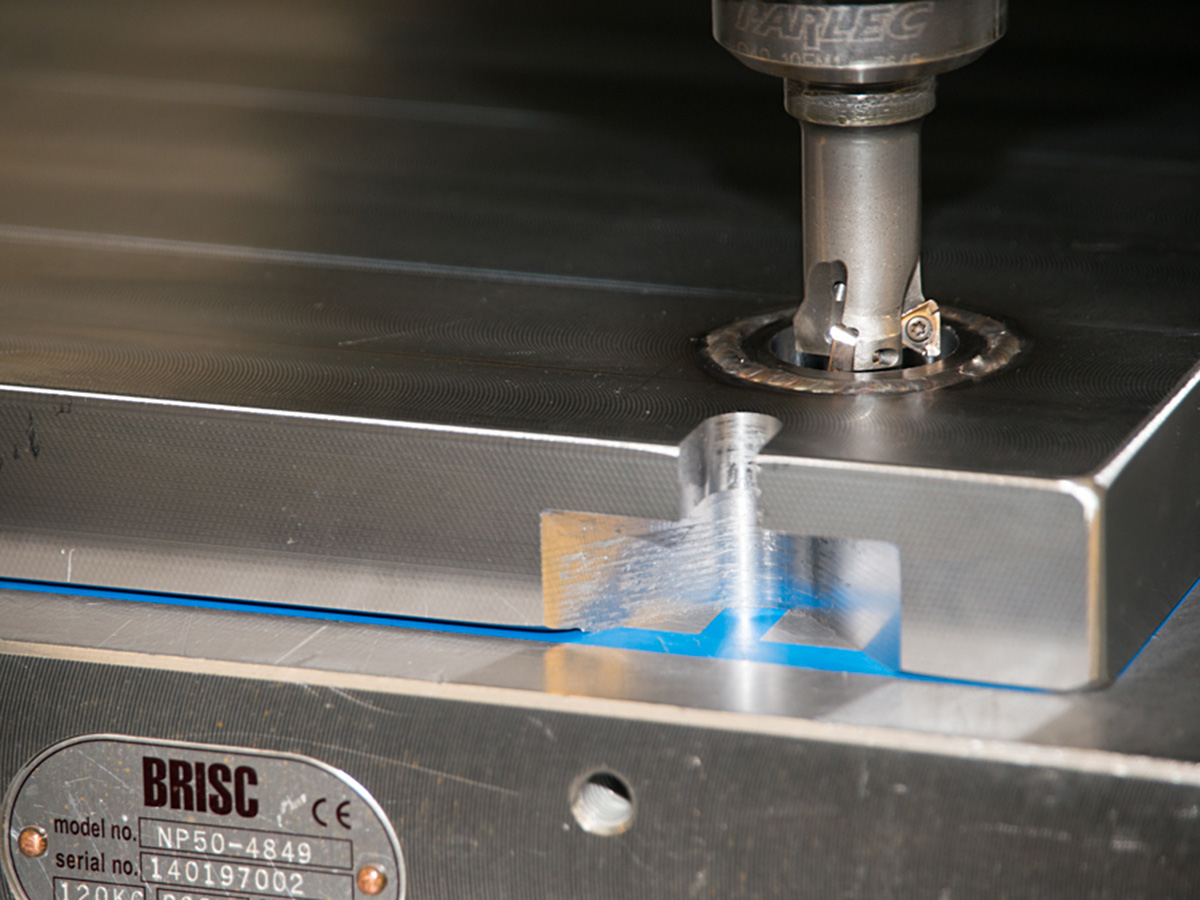
Material Selection for High-Performance Rubber Molds
Selecting the optimal material for rubber injection or compression molds is critical for achieving consistent part quality, maximizing production uptime, and controlling lifecycle costs. At Wuxi Lead Precision Machinery, we engineer molds based on rigorous analysis of your specific rubber compound, production volume, part geometry, and thermal requirements. Aluminum, steel, and titanium each present distinct advantages and limitations in this demanding application. Understanding these properties ensures your mold delivers precision and longevity under repeated thermal cycling and high-pressure conditions.
Aluminum alloys, particularly 7075-T6 and 6061-T6, are the dominant choice for prototype and medium-volume production molds. Their exceptional thermal conductivity (significantly higher than steel) enables rapid and uniform cooling cycles, directly translating to shorter cycle times and reduced energy consumption. This is paramount for thermoset rubber processing where precise temperature control dictates cure quality. Aluminum’s machinability also allows for complex core/cavity geometries and faster lead times. However, its lower hardness necessitates protective surface treatments like hard anodizing to resist wear and galling from abrasive rubber compounds and ejector pin movement during extended production runs.
Tool steels, such as P20, H13, and S7, are essential for high-volume, long-life production molds. Their superior hardness and wear resistance withstand the abrasive nature of many rubber formulations and the constant mechanical stress of ejection over millions of cycles. Steels offer excellent dimensional stability under high clamping forces and maintain structural integrity at elevated operating temperatures better than aluminum. While thermal conductivity is lower, strategic conformal cooling channel design mitigates this limitation. Steel molds represent a higher initial investment but deliver the lowest cost-per-part for very high volumes due to exceptional durability.
Titanium alloys find niche application in highly corrosive rubber environments or where extreme weight reduction is critical (e.g., large molds on specific presses). While offering good corrosion resistance and strength-to-weight ratio, titanium’s high cost, challenging machinability, and relatively poor thermal conductivity compared to aluminum generally make it less economical for standard rubber molding than optimized steel or anodized aluminum solutions. Its use requires careful justification against performance needs.
Surface finishing, especially for aluminum molds, is non-negotiable. Hard Anodizing (Type III) creates a dense, wear-resistant ceramic layer integral to the aluminum substrate. This finish dramatically increases surface hardness (up to 60-70 HRC equivalent), provides excellent release properties to prevent rubber sticking, and significantly enhances resistance to corrosion from rubber additives and cleaning agents. Proper sealing of the anodized layer is crucial for optimal chemical resistance in rubber molding environments.
The following table summarizes key comparative properties relevant to rubber mold performance:
| Material | Typical Hardness (Brinell) | Thermal Conductivity (W/m·K) | Typical Mold Life (Cycles) |
|---|---|---|---|
| Aluminum 7075-T6 | 150 | 130 | 50,000 – 500,000+ |
| P20 Tool Steel | 280 | 30 | 500,000 – 1,000,000+ |
| H13 Tool Steel | 230 | 25 | 1,000,000 – 5,000,000+ |
| Titanium Grade 5 | 330 | 7 | Highly Application Specific |
Wuxi Lead Precision Machinery leverages decades of rubber molding experience to recommend and fabricate the optimal material and finish combination for your specific application, ensuring peak performance and return on investment. Consult our engineering team for a detailed analysis.
Manufacturing Process & QC
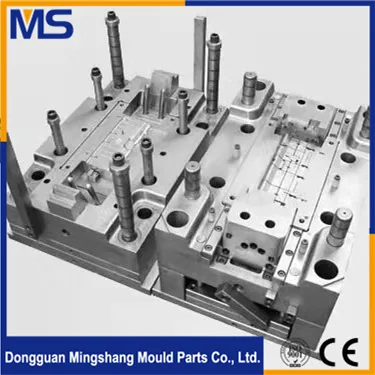
From Concept to Perfection: The Zero-Defect Manufacturing Process at Wuxi Lead Precision Machinery
At Wuxi Lead Precision Machinery, we understand that excellence in custom metal manufacturing begins long before the first cut is made. Our production process is engineered for precision, consistency, and zero defects—critical for high-performance applications in industries such as automotive, aerospace, and advanced industrial equipment. We follow a disciplined three-phase approach: Design, Prototyping, and Mass Production. Each phase is integrated with rigorous quality control and advanced engineering to ensure flawless outcomes.
The process begins with collaborative design. Our engineering team works directly with clients to translate technical requirements into optimized 3D models and manufacturing blueprints. Utilizing CAD/CAM software and finite element analysis (FEA), we simulate mechanical behavior, thermal performance, and dimensional stability. This ensures that every component not only meets but exceeds functional and environmental demands. Design for manufacturability (DFM) reviews are conducted to eliminate potential production risks early, reducing lead times and minimizing rework.
Once the design is finalized, we move into the prototyping phase. A small batch of functional prototypes is produced using CNC machining, stamping, or precision casting—depending on the final production method. These prototypes undergo comprehensive testing, including dimensional inspection via coordinate measuring machines (CMM), material hardness analysis, and performance validation under real-world conditions. Feedback from this stage is used to refine the design or process parameters. This iterative validation ensures that the transition to mass production is seamless and defect-free.
Mass production is executed on fully automated, monitored lines with real-time process control. Our facility in Wuxi integrates IoT-enabled machines that continuously collect data on tool wear, temperature, and dimensional accuracy. Any deviation from set parameters triggers immediate alerts, allowing for corrective action before defects occur. Every component is traceable through our digital manufacturing system, with full documentation from raw material certification to final inspection. Our quality management system is ISO 9001-certified, and we adhere to Six Sigma principles to maintain a defect rate below 100 PPM (parts per million).
We believe that zero defects is not a goal—it is a standard. By integrating precision engineering, advanced technology, and a culture of continuous improvement, Wuxi Lead Precision Machinery delivers custom metal components that perform reliably in the most demanding environments.
Typical Production Specifications
| Parameter | Capability |
|---|---|
| Material Range | Carbon steel, stainless steel, aluminum, copper alloys, tool steel |
| Tolerance (Machining) | ±0.005 mm |
| Surface Finish (Ra) | 0.2 – 3.2 µm |
| Max Part Weight | 50 kg |
| Max Dimension (L×W×H) | 1200 × 800 × 600 mm |
| Production Capacity | Up to 500,000 units/month |
| Quality Standard | ISO 9001, PPAP, APQP, 100% inspection |
| Lead Time (Mass Production) | 15–30 days (after prototype approval) |
Why Choose Wuxi Lead Precision
Elevate Your Rubber Molding Precision Through Strategic Partnership
In the demanding world of rubber molding, the foundation of exceptional part quality and production efficiency lies in the precision of your tooling. Sub-micron deviations in cavity geometry or surface finish directly translate to flash, parting line issues, and costly rework downstream. Wuxi Lead Precision Machinery exists to eliminate these variables. We are not merely a machine shop; we are a dedicated engineering partner focused exclusively on delivering the ultra-precise metal components that form the heart of high-performance rubber molding operations. Our commitment transcends standard manufacturing – we integrate deep material science understanding with advanced CNC capabilities to solve the specific thermal, wear, and dimensional challenges inherent in rubber processing environments. Partnering with Lead Precision means gaining access to a team whose primary objective is ensuring your molds perform reliably at the highest volumes, minimizing downtime and maximizing your return on tooling investment.
Our engineering-driven approach begins with collaborative consultation. We dissect your application requirements, material specifications, and production targets to define the optimal machining strategy. This is where our technical capabilities become your competitive advantage. We leverage state-of-the-art multi-axis CNC machining centers operating within tightly controlled environmental conditions, coupled with rigorous in-process metrology, to achieve the dimensional stability and surface integrity critical for rubber molding success. The table below outlines core specifications directly relevant to your mold performance:
| Parameter | Capability | Relevance to Rubber Molding |
|---|---|---|
| Positional Tolerance | ±0.001 mm (±0.00004″) | Ensures perfect cavity alignment, eliminating flash |
| Surface Roughness (Ra) | 0.05 µm (2 µin) achievable | Critical for part release, surface finish, and preventing rubber adhesion |
| Material Compatibility | Tool Steels (H13, S7, etc.), Stainless, Aluminum Alloys | Optimized for thermal cycling, wear resistance, and specific rubber compounds |
| Cavity Depth Accuracy | ±0.002 mm per 25 mm depth | Maintains consistent wall thickness and part geometry |
| Thermal Stability | Post-machining stress relief protocols | Prevents distortion during mold heating cycles |
This level of precision is non-negotiable for molds running aggressive cycles with demanding elastomers. We understand that a mold is a long-term production asset, not just a one-time component. Our process incorporates proactive considerations for maintenance access, cooling channel optimization, and material longevity, ensuring your tool delivers consistent output over its entire lifecycle. We provide comprehensive documentation, including detailed inspection reports traceable to international standards, giving you full confidence in the tool’s capability before it ever reaches your press.
The cost of imprecise tooling manifests in wasted material, slow cycles, and rejected parts – expenses far exceeding the initial mold investment. Partnering with Lead Precision mitigates these risks at the source. We invite you to submit your most challenging rubber mold component drawings or project specifications. Our engineering team will conduct a thorough review and provide actionable insights on how our precision manufacturing can enhance your mold’s performance, longevity, and your bottom line. Do not compromise on the core element of your production process. Contact us today to initiate a technical consultation. Reach out to [email protected] and specify your rubber molding application requirements. Let us demonstrate how true precision engineering partnership delivers measurable results. Your path to superior mold performance starts with a single email.
⚙️ Precision Cost Estimator
Estimate relative manufacturing effort based on tolerance.