

Technical Contents
Engineering Guide: Rubber Mold Kit
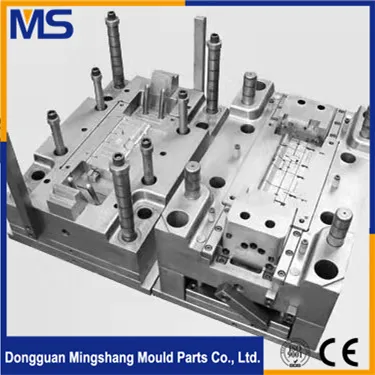
Engineering Insight: The Critical Role of Precision in Rubber Mold Kits
In the realm of custom metal manufacturing, the performance and longevity of a rubber mold kit are directly tied to the precision of its design and fabrication. At Wuxi Lead Precision Machinery, we understand that even the smallest dimensional deviation can lead to significant downstream consequences—flash formation, inconsistent curing, premature wear, and ultimately, product failure. This is especially critical in high-stakes industries where rubber components are subjected to extreme environments, such as aerospace, defense, and advanced industrial systems.
Precision in rubber mold kits is not merely about tight tolerances; it encompasses material selection, thermal management, alignment mechanisms, and surface finish. Each element must be engineered to work in harmony, ensuring consistent replication of rubber parts across thousands of cycles. For example, cavity and core alignment must maintain micron-level accuracy under repeated thermal expansion and mechanical stress. Misalignment, even by a few microns, can compromise sealing integrity and result in material bleed or part deformation.
Our engineering team at Wuxi Lead leverages over a decade of experience in high-demand applications, including projects supporting Olympic-standard equipment and military-grade systems. These engagements demanded not only flawless execution but also rigorous validation under real-world operational conditions. The knowledge gained from such projects has been integrated into our rubber mold kit development process, enabling us to deliver solutions that meet the most stringent performance criteria.
We employ advanced CNC machining, precision grinding, and laser measurement technologies to ensure every component adheres to exact specifications. Finite element analysis (FEA) is routinely used to simulate thermal and mechanical behavior, allowing us to optimize cooling channels, ejection systems, and structural rigidity before any metal is cut. This proactive approach reduces trial-and-error in mold trials and accelerates time-to-market for our clients.
Our commitment to precision extends beyond the machine shop. We collaborate closely with clients during the design phase, offering DFM (Design for Manufacturability) feedback that enhances both performance and cost-efficiency. Whether producing multi-cavity molds for high-volume production or specialized single-impression kits for prototyping, our process ensures repeatability, durability, and dimensional stability.
The following table outlines key specifications achievable in our rubber mold kits, reflecting the standards upheld in our most demanding projects:
| Specification | Capability | Notes |
|---|---|---|
| Tolerance | ±0.002 mm | Achieved via precision grinding and CMM inspection |
| Surface Finish | Ra 0.05–0.4 µm | Adjustable based on rubber compound and release requirements |
| Material Options | H13, P20, 420SS, S136 | Selected for hardness, corrosion resistance, and thermal stability |
| Cooling Channel Design | Conformal or straight bore | Optimized using thermal simulation |
| Mold Life | 500,000+ cycles | Dependent on application and maintenance |
| Alignment System | Hardened guide pins & bushings | Ensures cavity/core concentricity over extended use |
At Wuxi Lead Precision Machinery, we treat every rubber mold kit as a mission-critical system. Our engineering discipline, forged in the crucible of Olympic and military-grade demands, ensures that precision is not an aspiration—it is a guarantee.
Precision Specs & Tolerances
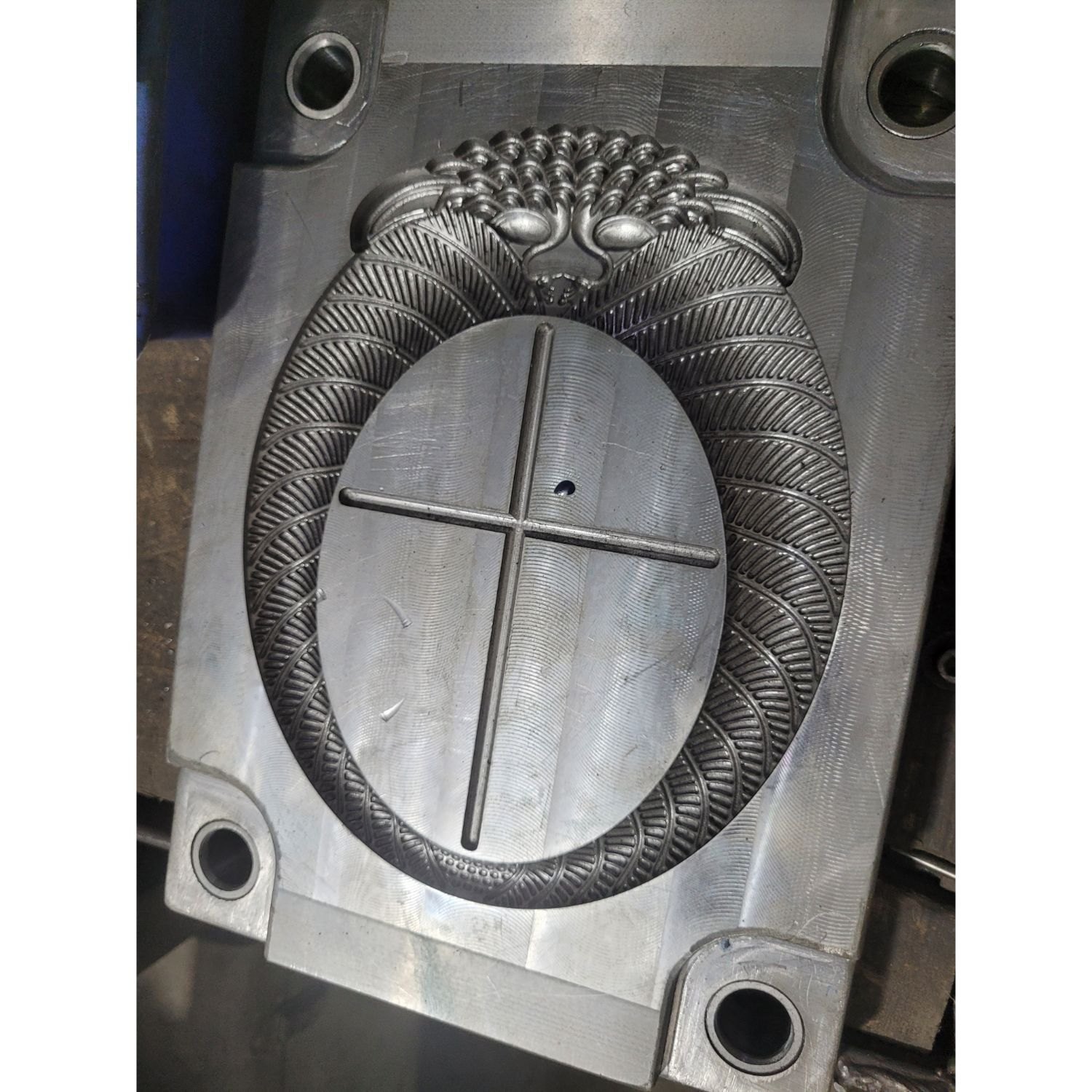
Technical Capabilities: Precision Engineered for Rubber Mold Excellence
At Wuxi Lead Precision Machinery, our core competency lies in delivering uncompromising precision for complex rubber mold kits, directly translating to superior part quality and extended mold life for our clients. Central to this capability is our advanced 5-Axis CNC Machining Center fleet. These state-of-the-art systems enable us to machine intricate mold bases, cavities, cores, and intricate lifters in a single, highly accurate setup. This eliminates cumulative errors inherent in multi-setup processes, critical for maintaining the exacting geometric relationships required in multi-cavity or family molds. Our 5-axis technology excels at producing complex undercuts, precise draft angles, and fine surface finishes essential for clean rubber part ejection and minimizing flash, significantly reducing scrap rates in high-volume production. Material versatility is key; we expertly machine a wide range of tool steels (including H13, P20, S7), stainless steels, and aluminum alloys to meet specific thermal, wear, and corrosion resistance demands of diverse rubber compounds and molding processes.
Rigorous Quality Control: The Foundation of Reliability
Precision machining is meaningless without equally rigorous verification. Every critical dimension on every rubber mold component undergoes comprehensive inspection using Zeiss CONTURA G2 Coordinate Measuring Machines (CMM). Our certified metrology team executes full 3D scans and point-cloud analysis against the original CAD model, ensuring geometric dimensioning and tolerancing (GD&T) compliance far beyond simple dimensional checks. This process validates complex contours, positional tolerances of ejector pins and cooling channels, and surface profile accuracy, guaranteeing the mold will perform as designed from the first shot. We provide detailed inspection reports traceable to international standards, offering complete transparency and confidence in the dimensional integrity of your mold kit before it leaves our facility.
Precision Tolerance Standards for Rubber Mold Components
Our machining and inspection processes consistently achieve the following tolerance levels, forming the benchmark for high-performance rubber molding:
| Feature Type | Typical Tolerance (Metric) | Typical Tolerance (Imperial) | Critical Application |
|---|---|---|---|
| Cavity/Core Diameter | ±0.005 mm | ±0.0002 in | Part dimensional accuracy |
| Flatness (Plate) | 0.010 mm / 100 mm | 0.0004 in / 4 in | Seal integrity, plate alignment |
| Positional (Pins/Holes) | ±0.008 mm | ±0.0003 in | Ejector system, core alignment |
| Angular Features | ±0.05° | ±0.05° | Draft angles, parting lines |
| Surface Finish (Ra) | 0.4 – 0.8 µm | 16 – 32 µin | Part release, surface appearance |
These capabilities, underpinned by our 5-axis machining mastery and Zeiss CMM validation, ensure your rubber mold kits are manufactured to the highest standards of precision and repeatability. We understand that in rubber molding, microscopic deviations directly impact part consistency, cycle times, and tooling longevity. Wuxi Lead delivers the dimensional certainty required for zero-defect production, empowering your manufacturing success from the very first cavity. Partner with us for mold kits where precision is not just a specification, but a guaranteed outcome.
Material & Finish Options
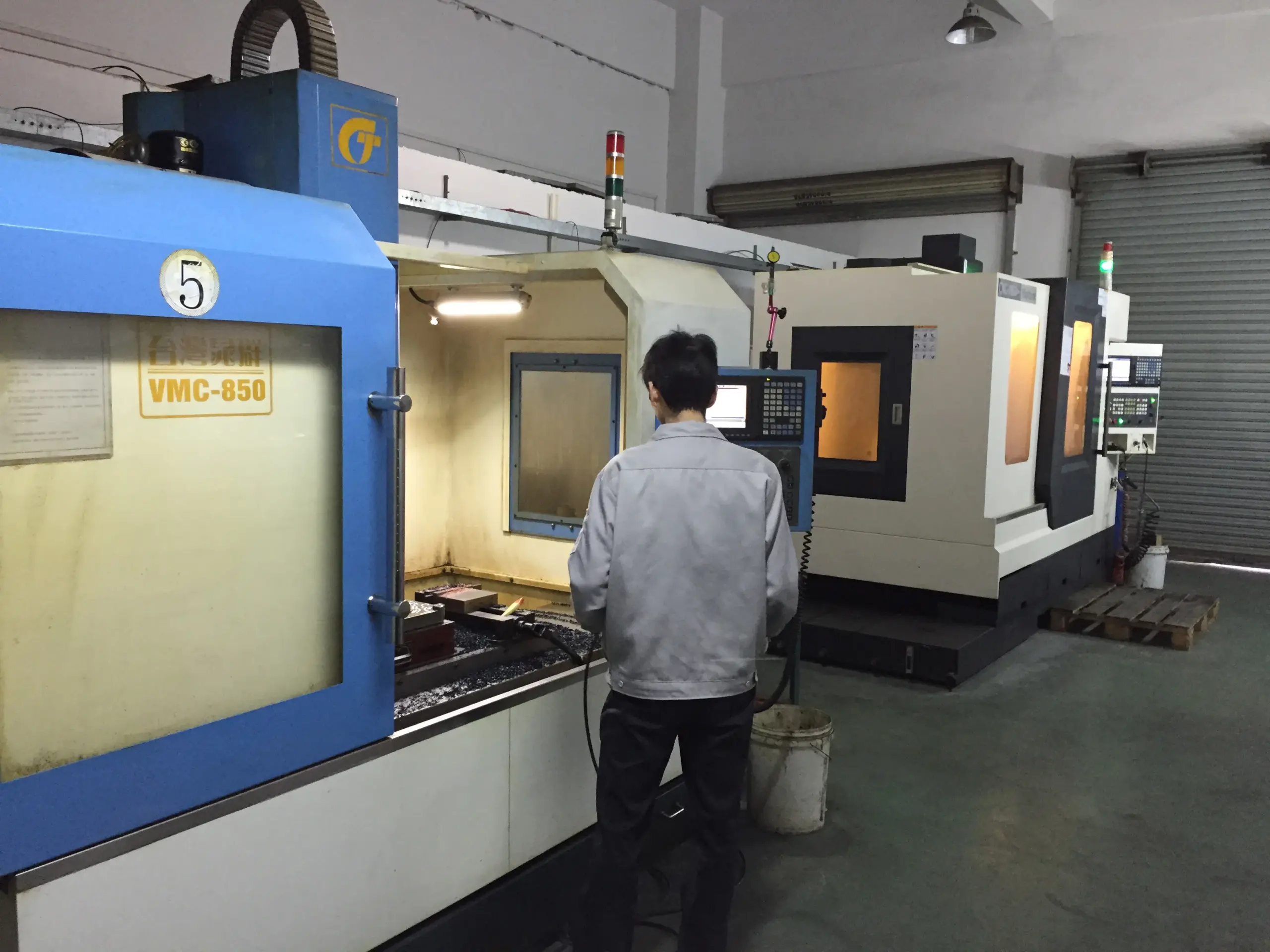
Material selection is a critical phase in the development of high-performance rubber mold kits, directly influencing tool life, production efficiency, and final part quality. At Wuxi Lead Precision Machinery, we specialize in custom metal manufacturing solutions tailored to the demanding requirements of rubber molding applications. The choice between aluminum, steel, and titanium depends on production volume, cycle times, thermal management needs, and environmental conditions.
Aluminum alloys, particularly 6061 and 7075, are widely used for prototype and low-to-medium volume production molds. Their excellent thermal conductivity ensures rapid heat dissipation, reducing cycle times during rubber curing processes. Aluminum is also lightweight and easier to machine, allowing for faster lead times and lower machining costs. However, its lower hardness compared to steel makes it less suitable for long production runs or abrasive rubber compounds. To enhance surface durability and corrosion resistance, anodizing is strongly recommended. Hard anodizing (Type III) creates a wear-resistant ceramic layer that significantly improves mold life while maintaining dimensional stability.
Steel, especially tool steels like P20, H13, and 420 stainless, is the preferred choice for high-volume rubber molding operations. These materials offer superior hardness, wear resistance, and dimensional stability under repeated thermal cycling. P20 steel is commonly used for general-purpose molds requiring good polishability and moderate toughness. H13, with its excellent hot hardness and resistance to thermal fatigue, is ideal for high-temperature vulcanization processes. Stainless steels such as 420 provide additional corrosion resistance, essential when processing halogenated or sulfur-rich rubber compounds. While steel molds have longer machining times and higher initial costs, their extended service life justifies the investment in mass production environments.
Titanium alloys, though less common, offer a unique combination of high strength-to-density ratio, exceptional corrosion resistance, and thermal stability. They are typically reserved for specialized applications where weight reduction is critical, such as in aerospace or portable tooling systems. Titanium’s low thermal conductivity can be a limitation in rubber molding, potentially increasing cycle times, but its resistance to aggressive chemicals and oxidation at elevated temperatures makes it suitable for niche, high-reliability environments.
Surface finishing, particularly anodizing for aluminum molds, plays a vital role in mold performance. Anodized layers prevent galling, improve release characteristics, and reduce maintenance frequency. For steel molds, alternative surface treatments such as chrome plating or nitriding may be applied based on application demands.
The following table outlines key mechanical and thermal properties of the primary mold materials used in rubber mold kit fabrication:
| Material | Hardness (HRC) | Thermal Conductivity (W/m·K) | Tensile Strength (MPa) | Typical Application |
|---|---|---|---|---|
| Aluminum 7075 | 15–20 | 130 | 570 | Prototypes, low-volume production |
| P20 Steel | 28–32 | 30 | 900 | Medium to high-volume molding |
| H13 Steel | 45–50 | 28 | 1,000 | High-temperature, high-wear molding |
| 420 Stainless | 50–55 | 25 | 700 | Corrosive environments |
| Titanium Ti-6Al-4V | 35–40 | 6.7 | 900 | Specialized, lightweight tooling |
Selecting the optimal material and finish requires a thorough understanding of the operational environment and production goals. Wuxi Lead Precision Machinery provides expert consultation to ensure your rubber mold kit delivers precision, durability, and cost-efficiency across its service life.
Manufacturing Process & QC
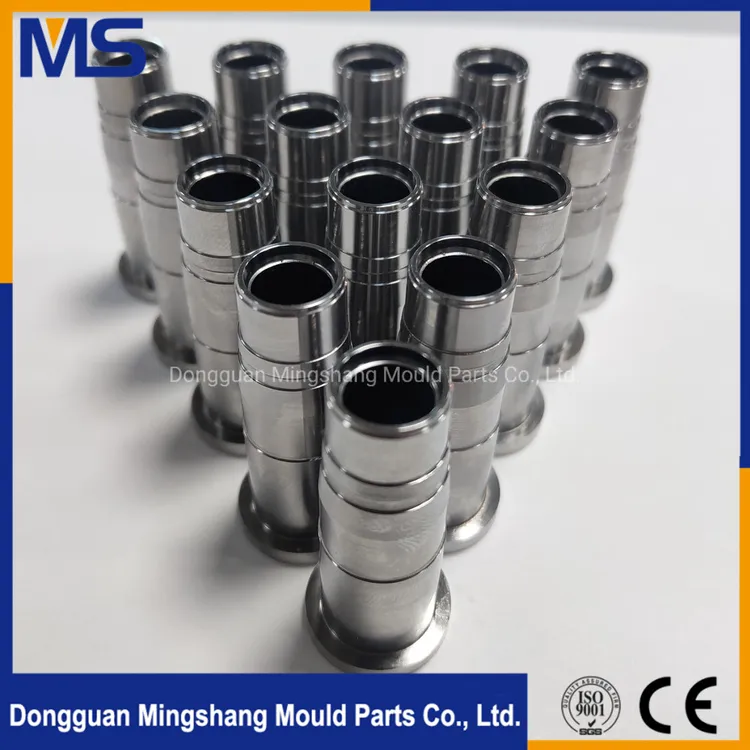
Rubber Mold Kit Production Process: Engineering Precision from Concept to Volume
At Wuxi Lead Precision Machinery, our rubber mold kit production adheres to a rigorously controlled three-phase workflow: Design, Prototyping, and Mass Production. This integrated approach ensures zero-defect outcomes for demanding industrial applications, from automotive seals to aerospace gaskets. Our process begins with collaborative engineering. Using Siemens NX and SolidWorks, we translate client specifications into 3D models with integrated thermal stability analysis and flow simulation. Critical parameters—including parting line optimization, venting geometry, and cooling channel placement—are validated through finite element analysis (FEA) to prevent warpage or incomplete curing. All designs undergo cross-functional review by our tooling engineers and materials scientists to confirm compatibility with silicone, EPDM, NBR, and specialty elastomers.
Prototyping follows immediate design sign-off, utilizing CNC-machined prototype molds from H13 tool steel or aluminum. Each prototype undergoes iterative testing under production-equivalent conditions: 150–200 cycles at 150–200°C with real-time pressure monitoring. We measure dimensional stability at 0.005mm accuracy using Zeiss coordinate measuring machines (CMM), validating critical features like sealing lips and tolerance zones. Client feedback on prototype performance triggers rapid design adjustments via our closed-loop correction system, typically resolving 95% of issues before mass production. This phase includes material lot certification and first-article inspection reports per AS9102 standards.
Mass production leverages our automated molding cells with integrated SPC (Statistical Process Control). Each mold kit is manufactured on Makino CNC grinders and EDM machines holding ±0.002mm positional accuracy. In-process checks occur every 30 minutes via automated vision systems, while final inspection applies 100% CMM scanning against the original CAD model. Our zero-defect mandate is enforced through real-time data logging of cavity pressure, temperature uniformity, and cycle times—any deviation beyond 0.5% tolerance triggers immediate line stoppage. All kits ship with full traceability: material certs, heat treatment records, and dimensional reports.
Key Production Specifications
| Parameter | Specification | Verification Method |
|---|---|---|
| Mold Material | H13 Tool Steel (AISI H13) / 420SS | Mill Test Reports |
| Dimensional Tolerance | ±0.005mm (critical features) | Zeiss CMM |
| Surface Finish (Cavity) | Ra 0.2–0.4μm (polished) | Profilometer |
| Hardness | 48–52 HRC (heat-treated) | Rockwell Tester |
| Cavity Count | 1–16 cavities | Visual Inspection |
| Thermal Stability | ±2°C uniformity across mold surface | Infrared Thermography |
| Lead Time (Prototype) | 15–20 days | Project Management System |
This end-to-end discipline—rooted in predictive engineering, empirical validation, and closed-loop manufacturing control—delivers rubber mold kits that achieve ≤50 PPM defect rates. We engineer not just for function, but for flawless repeatability across 500,000+ cycles. Partner with Wuxi Lead to transform elastomer challenges into precision-engineered solutions.
Why Choose Wuxi Lead Precision
Partner with Lead Precision for Advanced Rubber Mold Kit Manufacturing Solutions
At Wuxi Lead Precision Machinery, we specialize in delivering high-precision custom metal manufacturing solutions tailored to the demanding requirements of modern industrial applications. As a trusted partner in the global manufacturing ecosystem, we bring over a decade of engineering excellence, advanced CNC capabilities, and rigorous quality control to every rubber mold kit we produce. Our expertise is not limited to fabrication—we provide end-to-end support from concept and design to prototyping, production, and global delivery.
Choosing the right manufacturing partner is critical when precision, durability, and consistency are non-negotiable. Our rubber mold kits are engineered for performance in high-cycle environments, ensuring tight tolerances, superior surface finishes, and extended service life. Whether you operate in automotive, aerospace, medical device manufacturing, or industrial sealing systems, our solutions are built to meet exacting international standards and integrate seamlessly into your production workflows.
We understand that each client faces unique challenges. That’s why we adopt a collaborative approach—working closely with your engineering team to optimize mold design, select the most suitable tool steels or alloys, and implement smart cooling and ejection systems that enhance efficiency and reduce downtime. Our facility in Wuxi, China, is equipped with state-of-the-art 5-axis CNC machines, EDM systems, and CMM inspection stations, enabling us to produce complex geometries with micron-level accuracy.
Our commitment to quality is reinforced through ISO 9001-certified processes and real-time quality tracking at every production stage. Every rubber mold kit undergoes comprehensive dimensional verification, hardness testing, and functional validation to ensure it meets or exceeds your operational expectations.
Below are key technical specifications that define our rubber mold kit capabilities:
| Specification | Detail |
|---|---|
| Material Options | P20, H13, 420SS, S136, or customer-specified tool steels and alloys |
| Tolerance | ±0.005 mm (standard), tighter upon request |
| Surface Finish | Ra 0.1–0.8 µm, polished or textured as required |
| Mold Base Standards | DME, HASCO, or custom configurations |
| Maximum Mold Size | 1200 × 800 × 700 mm |
| Production Lead Time | 4–8 weeks, depending on complexity |
| Quality Assurance | Full inspection report, CMM data, and first-article testing available |
| Certifications | ISO 9001:2015, RoHS compliant materials upon request |
Partnering with Wuxi Lead Precision Machinery means gaining more than a supplier—you gain a strategic ally committed to your product’s success. Our team of experienced engineers and project managers ensures transparent communication, on-time delivery, and continuous improvement throughout the lifecycle of your mold.
For immediate assistance or to request a detailed quote on custom rubber mold kits, contact us at [email protected]. Let us help you achieve precision, reliability, and performance—every cycle, every time.
⚙️ Precision Cost Estimator
Estimate relative manufacturing effort based on tolerance.