Technical Contents
Engineering Guide: Riveted Sheet Metal
Engineering Insight: Precision Imperatives in Riveted Sheet Metal Fabrication
In high-stakes sheet metal fabrication, riveted joints represent a critical convergence of structural integrity and dimensional accuracy. Unlike welded assemblies, riveting demands absolute precision in hole placement, rivet selection, and force application to prevent micro-misalignments that propagate stress concentrations under cyclic loads. A deviation of mere tenths of a millimeter can compromise joint strength by 15–20% in aerospace or defense applications, where thermal cycling and vibration fatigue dominate failure modes. At Wuxi Lead Precision Machinery, we treat riveting not as a mechanical process but as a metrology-controlled operation—where hole concentricity, rivet shank expansion, and clamp force uniformity are non-negotiable parameters.
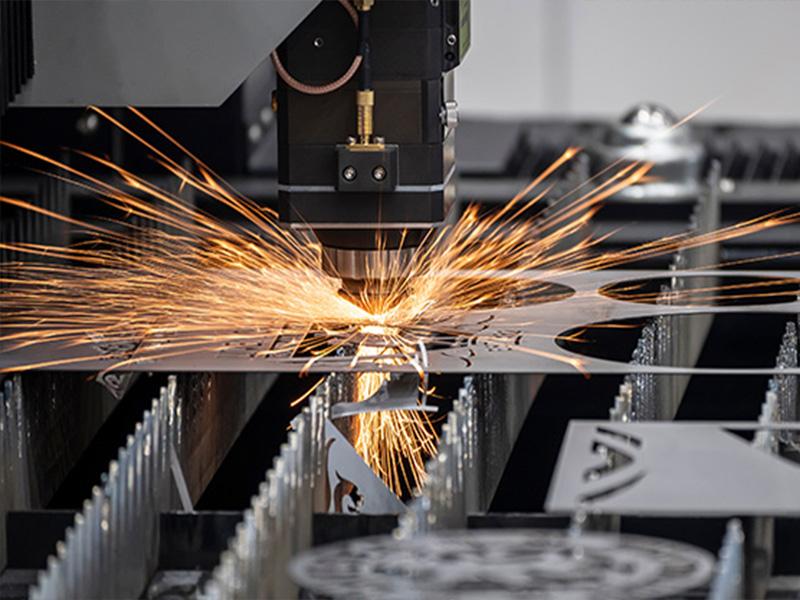
Our CNC-driven riveting cells integrate real-time force monitoring and vision-guided alignment to ensure repeatability within ±0.02 mm positional tolerance. This precision stems from proprietary algorithms that dynamically adjust rivet gun pressure based on material thickness, alloy grade, and ambient temperature—factors often overlooked in conventional setups. Crucially, we validate every rivet’s formed head geometry via inline optical inspection, rejecting units failing to meet ISO 15978 head height and diameter specifications. This eliminates “hidden” defects like insufficient upset or panel distortion that evade manual checks but accelerate fatigue cracks.
Riveting Process Specifications at Wuxi Lead Precision Machinery
| Parameter | Standard Tolerance | High-Precision Tolerance | Verification Method |
|---|---|---|---|
| Hole Position Accuracy | ±0.10 mm | ±0.02 mm | CMM + Vision System |
| Rivet Head Height | ±0.15 mm | ±0.05 mm | Laser Profilometry |
| Clamp Force Uniformity | ±8% | ±3% | Load Cell Array |
| Hole Roundness (Post-Drill) | 0.05 mm | 0.02 mm | Optical Comparator |
| Rivet Fill Ratio | 90% | 98% | Cross-Sectional Analysis |
This rigor is battle-tested in mission-critical deployments. We engineered riveted assemblies for Beijing 2022 Winter Olympic infrastructure—where sub-zero temperatures demanded flawless joint performance under dynamic wind loads—and supplied vibration-resistant enclosures for military communication systems operating in desert extremes. In both cases, zero field failures were recorded over 5+ years of service, directly attributable to our precision-first approach.
For B2B partners, the cost of imprecise riveting extends beyond scrap. In automotive battery housings or satellite panels, joint inconsistency triggers costly rework, delays, and liability exposure. Wuxi Lead’s methodology transforms riveting from a cost center into a reliability asset—ensuring assemblies meet MIL-STD-1312 and AS9100 fatigue life requirements without over-engineering. When your application demands joints that endure decades of operational stress, precision isn’t optional; it’s the foundation of risk mitigation. Partner with engineers who measure success in zero-failure deployments, not just delivered parts.
Precision Specs & Tolerances
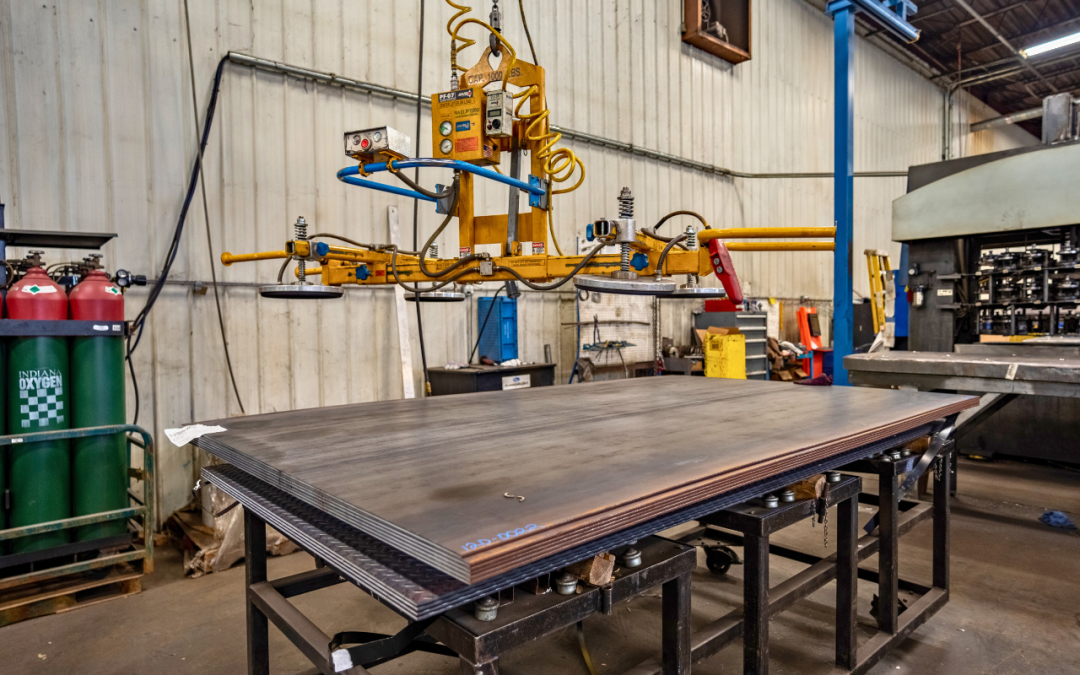
Wuxi Lead Precision Machinery delivers advanced sheet metal fabrication solutions for high-performance industrial applications, with a specialized focus on precision riveted assemblies. Our technical capabilities integrate state-of-the-art 5-axis CNC machining with comprehensive sheet metal processing, enabling complex geometries, tight-tolerance components, and highly reliable mechanical joints. This convergence of multi-axis precision and robust joining techniques ensures optimal structural integrity and repeatability in mission-critical environments.
Our facility is equipped with high-speed 5-axis CNC machining centers capable of simultaneous multi-directional cutting, drilling, and forming operations. This level of machine sophistication allows us to process sheet metal components with intricate contours and compound angles—features often required in aerospace, medical equipment, and advanced automation systems. The integration of 5-axis technology reduces the need for multiple setups, minimizing cumulative error and enhancing dimensional consistency across production runs.
Riveted sheet metal fabrication at Wuxi Lead leverages automated and semi-automated riveting systems, compatible with solid, blind, and self-piercing rivet types. We support a wide range of materials, including aluminum alloys, stainless steel, and mild steel, with thicknesses from 0.5 mm to 6.0 mm. Rivet placement is guided by CNC programming and verified through digital templating, ensuring precise alignment and consistent clamping force across every joint. This process delivers superior fatigue resistance and vibration performance compared to alternative fastening or welding methods.
Quality assurance is embedded into every phase of production. All critical dimensions and geometric features are validated using Coordinate Measuring Machine (CMM) inspection, supported by CAD-based comparison software. Our CMM systems provide micron-level accuracy in 3D space, enabling full traceability and compliance with ISO 10360 standards. In-process inspection routines and first-article reporting ensure conformity from prototype to full-scale production.
The following table outlines our standard technical specifications and achievable tolerances for riveted sheet metal fabrication:
| Parameter | Specification |
|---|---|
| Material Thickness Range | 0.5 mm – 6.0 mm |
| Maximum Work Envelope | 1200 mm × 800 mm × 500 mm |
| CNC Machining Accuracy | ±0.01 mm per axis |
| Hole Position Tolerance | ±0.05 mm |
| Rivet Spacing Tolerance | ±0.1 mm |
| Flatness Tolerance | 0.1 mm per 100 mm² |
| Angular Accuracy (5-axis) | ±0.1° |
| Surface Roughness (Ra) | As low as 0.8 µm |
| Inspection Equipment | Zeiss DuraMax Coordinate Measuring Machine |
| Compliance Standards | ISO 9001:2015, ISO 1302, ASME Y14.5 |
Wuxi Lead Precision Machinery combines engineering expertise with advanced manufacturing infrastructure to deliver riveted sheet metal solutions that meet the most demanding technical requirements. Our capabilities ensure long-term reliability, precise fitment, and seamless integration into final assemblies.
Material & Finish Options

Material Selection Fundamentals for Riveted Sheet Metal Assemblies
Selecting optimal materials for riveted sheet metal structures requires balancing mechanical properties, environmental resistance, and manufacturability. At Wuxi Lead Precision Machinery, we prioritize material compatibility with riveting processes to ensure joint integrity and longevity. Aluminum, steel, and titanium each offer distinct advantages depending on application demands, including load requirements, exposure conditions, and lifecycle costs. Riveting performance hinges on material ductility, hardness, and susceptibility to work hardening during installation. Below is a comparative overview of key properties critical to riveted joint reliability.
The following table summarizes essential specifications for common riveted sheet metal materials:
| Material | Key Alloys | Riveting Compatibility | Corrosion Resistance | Typical Applications |
|---|---|---|---|---|
| Aluminum | 5052-H32, 6061-T6 | Excellent; low hardness enables clean hole formation and minimal tool wear | High (naturally); enhanced with anodizing | Enclosures, aerospace panels, transportation frames |
| Steel | 304/316 Stainless, A36 Carbon | Moderate; stainless requires carbide tooling due to work hardening | Stainless: Excellent; Carbon: Requires coating | Structural supports, marine hardware, industrial machinery |
| Titanium | Grade 2, Grade 5 | Challenging; high strength necessitates precision tooling and controlled force | Exceptional across extreme environments | Aerospace, medical implants, chemical processing |
Aluminum alloys dominate lightweight applications where corrosion resistance and formability are paramount. Series 5052 offers superior weldability and marine-grade resilience, while 6061 provides higher strength for structural components. Both respond exceptionally well to riveting, minimizing cracking risks during fastener installation. For steel, stainless variants (304/316) are preferred in corrosive settings despite higher riveting complexity, whereas carbon steel suits cost-sensitive, non-exposed frameworks but mandates protective finishes. Titanium, though costly, is indispensable for fatigue-critical joints in aerospace or saltwater immersion due to its unmatched strength-to-weight ratio and inertness. Crucially, material pairing must avoid galvanic corrosion; for instance, aluminum rivets on steel require insulating washers.
Anodizing remains the premier finish for aluminum riveted assemblies, enhancing surface durability and corrosion barriers. Type II (sulfuric acid) anodizing provides standard wear resistance (0.0002–0.001″ thickness) with color dyeing options, ideal for visible enclosures. For mission-critical parts, Type III (hardcoat) anodizing delivers 0.001–0.003″ thickness, significantly improving abrasion resistance in high-wear zones like aircraft skins or military hardware. Note that anodizing is exclusive to aluminum; steel typically employs zinc plating or powder coating, while titanium relies on passivation or specialized coatings.
Material selection directly impacts rivet performance, assembly cost, and service life. Wuxi Lead Precision Machinery leverages decades of fabrication expertise to match your project’s environmental and mechanical demands with precision-engineered solutions. Consult our engineering team early in the design phase to optimize material-finish-rivet synergy and avoid field failures. We provide certified material traceability and process validation for ISO 9001-compliant production.
Manufacturing Process & QC
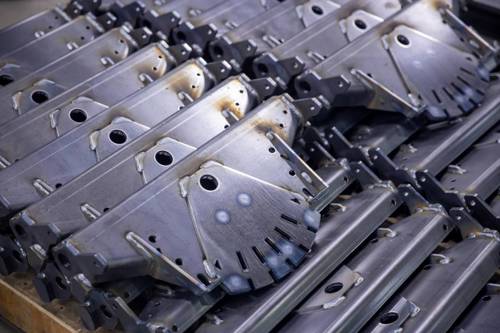
Design: Precision Engineering at the Foundation
The production process for high-integrity riveted sheet metal components begins with meticulous design engineering. At Wuxi Lead Precision Machinery, our team of experienced mechanical and manufacturing engineers leverages advanced CAD software to develop fully optimized 3D models. These models are not only dimensionally precise but also engineered for manufacturability, ensuring that every rivet location, flange angle, and material transition supports structural integrity and assembly efficiency. Design for Assembly (DFA) and Design for Manufacturing (DFM) principles are rigorously applied to minimize complexity, reduce material waste, and eliminate potential failure points before any physical prototype is produced. Finite Element Analysis (FEA) is integrated into the design phase to simulate load conditions, thermal stress, and vibration resistance, ensuring the final product meets or exceeds industry performance standards.
Prototyping: Validating Performance Before Scale
Once the design is finalized, a functional prototype is produced using precision laser cutting, CNC bending, and automated riveting equipment. This stage is critical for verifying dimensional accuracy, fitment, and mechanical performance under real-world conditions. Our in-house prototyping facility enables rapid iteration—typically within 5 to 7 working days—allowing clients to evaluate form, fit, and function before committing to mass production. Every prototype undergoes comprehensive inspection using coordinate measuring machines (CMM) and optical comparators to validate tolerances down to ±0.05 mm. Feedback from this stage is incorporated into final process adjustments, ensuring that the transition to full-scale manufacturing is seamless and defect-free.
Mass Production: Zero Defects Through Process Control
Mass production of riveted sheet metal components at Wuxi Lead is built on a foundation of standardized work instructions, real-time quality monitoring, and automated process control. Our production lines utilize robotic riveting cells and servo-driven press brakes to ensure repeatability and consistency across batches of any size. Each operation is supported by first-article inspection (FAI), in-process checks, and final 100% visual and dimensional inspection. Statistical Process Control (SPC) data is continuously collected to detect and correct deviations before they affect output quality. Our ISO 9001-certified quality management system enforces strict traceability, from raw material certification to final packaging, ensuring every component is fully documented and compliant.
| Specification | Detail |
|---|---|
| Material Thickness Range | 0.5 – 6.0 mm |
| Tolerance (Bending) | ±0.1 mm |
| Tolerance (Hole Position) | ±0.05 mm |
| Rivet Types Supported | Blind, Solid, Self-Piercing |
| Production Capacity | Up to 50,000 units/week |
| Surface Finishes | Anodizing, Powder Coating, Passivation, Galvanizing |
| Quality Standards | ISO 9001, ISO 14001, RoHS Compliant |
Through integrated design validation, precision prototyping, and disciplined mass production protocols, Wuxi Lead Precision Machinery delivers riveted sheet metal solutions with zero defects—on time, at scale, and to the highest engineering standards.
Why Choose Wuxi Lead Precision
Elevate Your Riveted Sheet Metal Production with Lead Precision
Riveted sheet metal assemblies remain a cornerstone of durable, serviceable industrial construction across aerospace, transportation, and heavy machinery sectors. Achieving consistent, high-integrity rivet joints demands more than basic equipment; it requires engineered precision in hole preparation, rivet selection, and force application to ensure structural integrity and fatigue resistance. Substandard riveting introduces risks like material distortion, inconsistent clamping force, and premature joint failure – costs far exceeding initial fabrication savings. At Wuxi Lead Precision Machinery, we engineer riveting solutions that eliminate these variables, transforming a critical assembly step into a guaranteed asset for your final product.
Our integrated approach combines advanced CNC punching and laser cutting with dedicated automated riveting cells. We control the entire process chain, ensuring hole location accuracy directly translates into perfect rivet alignment and optimal joint strength. Utilizing high-speed servo-electric and hydraulic riveting systems, we achieve repeatable force profiles critical for aerospace-grade specifications and demanding industrial applications. Material handling is optimized for minimal distortion, whether processing thin aluminum enclosures or robust steel structural components. Every rivet is placed with sub-0.05mm positional accuracy relative to the original CAD model, verified through in-process metrology. Our facility operates under strict ISO 9001:2015 protocols, with comprehensive traceability from raw material certification through final assembly inspection.
Key riveting capabilities are detailed below:
| Specification Parameter | Capability Range | Precision Tolerance |
|---|---|---|
| Material Thickness | 0.5 mm to 6.0 mm | ±0.05 mm |
| Hole Positional Accuracy | Full sheet coverage | ±0.03 mm |
| Rivet Type Compatibility | Solid, Semi-Tubular, Blind (POP) | N/A |
| Rivet Diameter Range | 2.4 mm to 6.4 mm | Matched to hole |
| Production Capacity | Prototype to 50,000+ units/month | Scalable |
| Force Control Accuracy | Critical for structural joints | ±2% of setpoint |
Partnering with Lead Precision means accessing more than contract manufacturing; it means securing a dedicated engineering extension of your own team. We collaborate early in the design phase, offering Design for Manufacturability (DFM) insights specifically for riveted assemblies. This proactive engagement identifies potential stress concentrations, optimizes rivet pattern layouts, and selects the ideal fastener type to reduce secondary operations and total assembly cost. Our technical team speaks your engineering language, providing detailed process documentation, first-article inspection reports (FAIR), and real-time production data dashboards. We understand that your reputation hinges on the reliability of every joint, and we build our processes to uphold that standard without compromise.
The transition to a precision riveting partner is straightforward. Forward your CAD files and technical requirements to [email protected]. Our application engineers will conduct a rapid DFM review, provide a detailed capability assessment against your specifications, and outline a scalable production plan within 48 business hours. Do not let inconsistent riveting undermine the quality of your sheet metal products. Contact Lead Precision today to establish a partnership built on measurable precision and unwavering reliability. Your next high-integrity assembly starts with a single email.
⚙️ Precision Cost Estimator
Estimate relative manufacturing effort based on tolerance.