

Technical Contents
Engineering Guide: Prototype Machine Shops
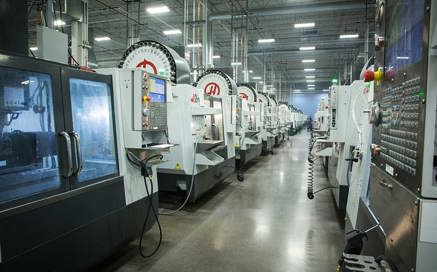
Engineering Insight: The Critical Role of Precision in Prototype Machine Shops
In the world of custom metal manufacturing, prototype machine shops serve as the foundation for innovation, bridging conceptual design with functional reality. These specialized facilities are where engineering intent meets physical form, and the margin for error is not measured in millimeters—but in microns. At Wuxi Lead Precision Machinery, we understand that precision is not merely a performance metric; it is a standard of integrity. In high-stakes industries such as aerospace, defense, and advanced medical technology, a deviation of even 5 microns can compromise system performance, safety, and compliance.
Precision in prototyping ensures that every component behaves predictably under real-world conditions. It validates design assumptions, supports iterative development, and accelerates time-to-market. More importantly, it builds confidence—both for engineers validating their designs and for stakeholders reviewing performance data. At Lead Precision, our decades of experience in delivering mission-critical components for Olympic-standard equipment and military-grade systems have reinforced one unwavering principle: consistency in precision defines reliability in performance.
Our prototype machine shops integrate advanced CNC machining centers with multi-axis capabilities, high-resolution metrology systems, and in-process inspection technologies. This ensures dimensional accuracy, surface integrity, and geometric fidelity across even the most complex geometries. We specialize in working with challenging materials such as titanium alloys, Inconel, and high-strength aluminum, where thermal stability and toolpath optimization are paramount.
What sets Lead Precision apart is not just our equipment, but our engineering culture. Every prototype is treated as a mission-critical build. Our team applies lessons learned from classified defense projects and precision components used in Olympic timing and measurement systems—where failure is not an option. This mindset translates into tighter tolerances, reduced iteration cycles, and faster validation for our clients.
Below is a summary of our core machining capabilities in prototype production:
| Specification | Performance Standard |
|---|---|
| Positional Accuracy | ±0.002 mm |
| Surface Roughness (Ra) | As low as 0.2 µm |
| Maximum Work Envelope | 1200 x 800 x 600 mm |
| Material Compatibility | Titanium, Inconel, Stainless Steel, Aluminum Alloys, Tool Steels |
| Tolerance Range | ±0.005 mm to ±0.025 mm (depending on geometry) |
| Inspection Equipment | CMM (Coordinate Measuring Machine), Optical Comparators, Laser Scanning |
| Lead Time (Prototype) | 7–15 working days (varies by complexity) |
At Wuxi Lead Precision Machinery, we view prototype development not as a transactional service, but as a collaborative engineering partnership. Our goal is to deliver not just parts, but precision-backed confidence—enabling our clients to move from concept to production with certainty. In industries where performance is non-negotiable, precision is the only acceptable standard.
Precision Specs & Tolerances
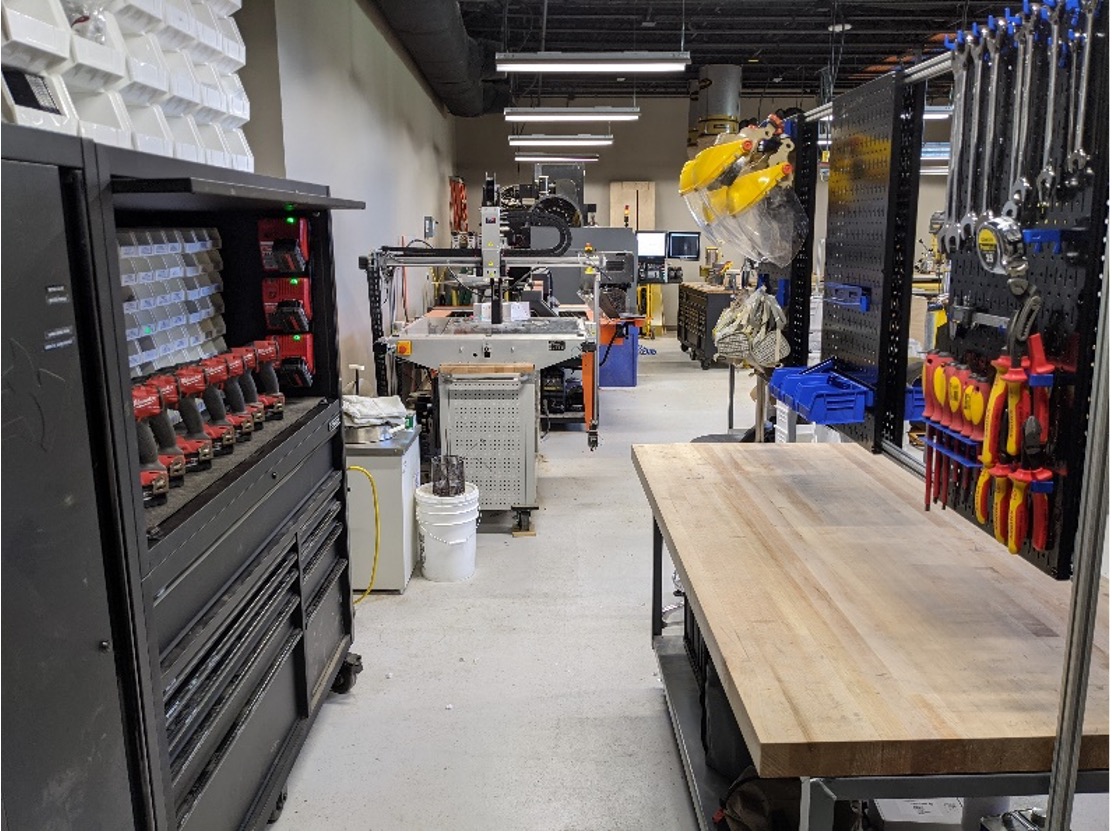
Technical Capabilities: Precision Engineered for Complex Prototypes
Wuxi Lead Precision Machinery delivers the advanced technical foundation essential for demanding prototype development in custom metal manufacturing. Our integrated capabilities are specifically engineered to transform intricate designs into high-fidelity, functionally validated metal components, accelerating your path from concept to production readiness. Central to this mission is our strategic investment in multi-axis machining and rigorous quality validation, ensuring every prototype meets the exacting standards required for performance testing and design iteration.
Our core manufacturing strength lies in a modern fleet of high-precision 5-axis CNC machining centers. These systems provide unparalleled flexibility for machining complex geometries in a single setup, significantly reducing part handling errors and lead times critical for prototype cycles. Capable of simultaneous multi-directional tool movement, our 5-axis platforms excel at producing organic shapes, deep cavities, undercuts, and tightly integrated features common in aerospace, medical, and advanced industrial prototypes. We machine a comprehensive range of metals including aluminum alloys, titanium, stainless steels, inconel, and brass with consistent surface integrity and dimensional accuracy. Advanced toolpath simulation and experienced programming teams optimize material removal rates while safeguarding part integrity, even for thin-walled or delicate structures inherent in early-stage designs.
Precision is meaningless without verification. Wuxi Lead implements a comprehensive, multi-stage quality control protocol anchored by certified Coordinate Measuring Machine (CMM) inspection. Every critical prototype undergoes full geometric dimensioning and tolerancing (GD&T) validation against the original CAD model. Our Zeiss and Hexagon CMM systems, operating within a climate-controlled metrology lab, provide traceable, micron-level measurement accuracy for complex contours, positional relationships, and surface profiles. This data-driven QC process extends beyond final inspection; in-process checks at key machining stages ensure deviations are identified and corrected immediately, preventing scrap and rework. Full inspection reports, including detailed CMM output and dimensional summaries, are provided with every delivery, offering complete transparency and confidence in the prototype’s conformance.
The following table details our standard and achievable tolerance capabilities across common feature types, reflecting the precision attainable through our combined 5-axis machining and CMM validation processes. These values represent typical performance for machined metal prototypes under standard production conditions.
| Feature Type | Standard Capability | Tight Capability (Requires Specific Design Consideration) |
|---|---|---|
| Linear Dimensions | ±0.010 mm (±0.0004″) | ±0.005 mm (±0.0002″) |
| Angular Dimensions | ±0.05° | ±0.02° |
| Positional Tolerance | ±0.015 mm (±0.0006″) | ±0.008 mm (±0.0003″) |
| Surface Roughness (Ra) | 0.8 µm (32 µin) | 0.4 µm (16 µin) |
| True Position (Ø) | 0.020 mm (0.0008″) | 0.010 mm (0.0004″) |
This commitment to demonstrable precision, backed by certified equipment and systematic quality control, ensures Wuxi Lead prototypes are not just physical representations but reliable engineering assets. We provide the dimensional certainty necessary for accurate functional testing, regulatory submissions, and informed design decisions, minimizing risk in your critical development phase. Partner with us for prototype manufacturing where capability meets verifiable accuracy.
Material & Finish Options
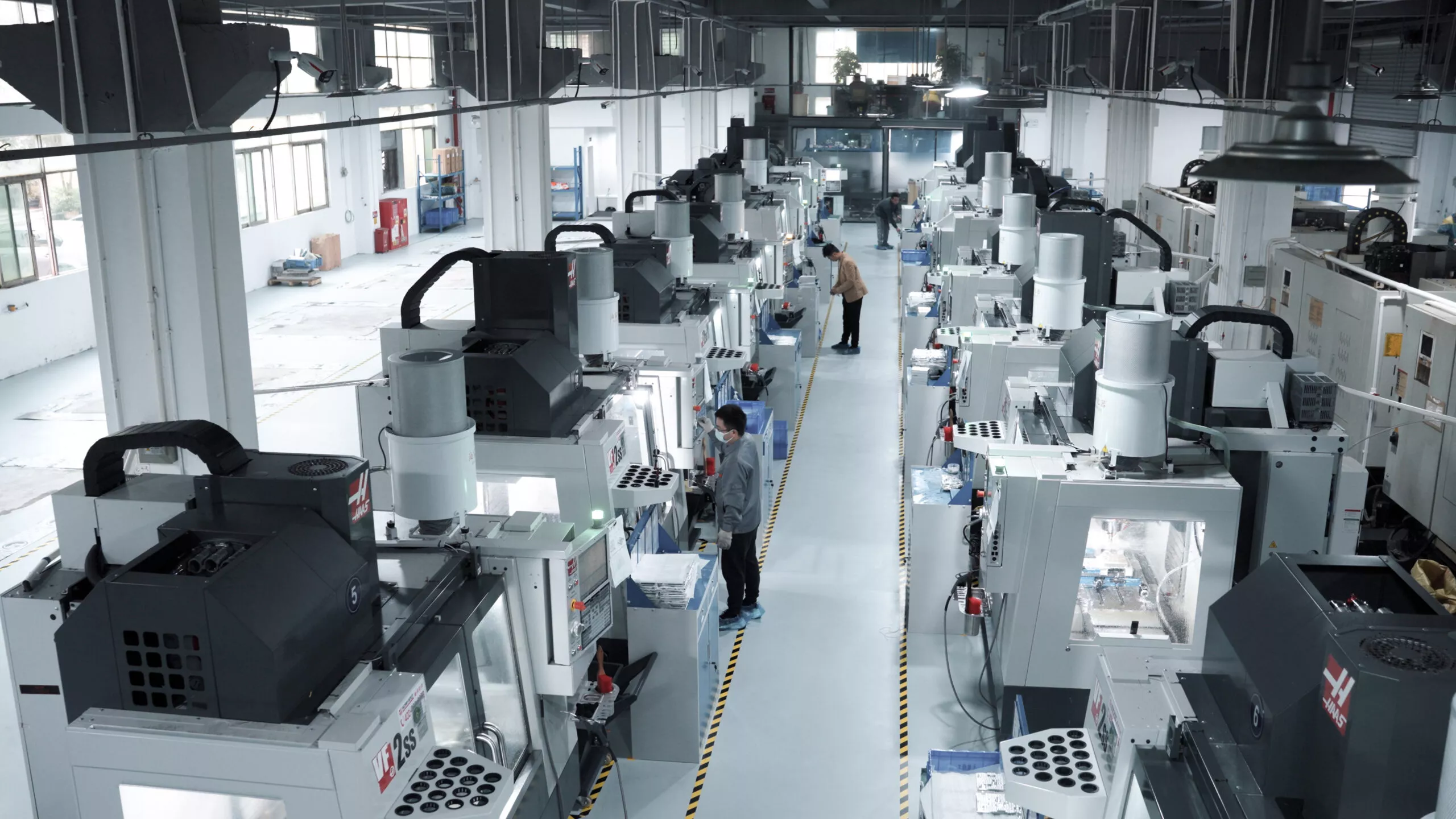
Material selection is a foundational decision in precision prototype manufacturing, directly influencing performance, durability, and cost-efficiency. At Wuxi Lead Precision Machinery, we guide engineering teams through optimal material choices based on mechanical requirements, environmental exposure, and functional intent. The three most critical metals in high-performance prototyping—aluminum, steel, and titanium—each offer distinct advantages depending on the application.
Aluminum is widely favored for prototypes requiring a high strength-to-weight ratio, excellent thermal conductivity, and good machinability. Grades such as 6061-T6 and 7075-T6 are commonly used in aerospace, automotive, and electronics due to their corrosion resistance and weldability. Aluminum’s lightweight nature makes it ideal for components where weight reduction is paramount without sacrificing structural integrity.
Steel, particularly in alloy forms like 4140 and 1018, delivers superior strength, wear resistance, and dimensional stability. It is the material of choice for load-bearing or high-stress applications such as tooling, jigs, and mechanical assemblies. While heavier than aluminum, steel offers excellent machinability and can be heat-treated to enhance hardness and fatigue resistance. Its broad availability and predictable behavior under stress make it a reliable option for functional prototypes intended for rigorous testing.
Titanium, specifically Grade 5 (Ti-6Al-4V), stands out in extreme environments where strength, corrosion resistance, and temperature stability are critical. Commonly used in aerospace, medical, and defense applications, titanium maintains performance under high thermal loads and in corrosive atmospheres. Though more challenging to machine and higher in cost, its exceptional durability and biocompatibility justify its use in mission-critical prototypes.
Surface finishing plays a vital role in enhancing both function and appearance. Anodizing is the most effective post-processing method for aluminum components. This electrochemical process thickens the natural oxide layer, significantly improving wear and corrosion resistance. Type II (sulfuric acid) anodizing allows for color dyeing, supporting branding or visual coding, while Type III (hardcoat) anodizing delivers a harder, more durable surface suitable for high-wear applications. Anodized finishes are non-conductive and maintain dimensional stability, making them ideal for precision parts.
Below is a comparative overview of key mechanical and processing properties:
| Material | Tensile Strength (MPa) | Density (g/cm³) | Common Grades | Typical Applications | Machinability | Anodizing Compatible |
|---|---|---|---|---|---|---|
| Aluminum | 310 (7075-T6) | 2.7 | 6061, 7075 | Aerospace, Electronics | Excellent | Yes |
| Steel | 655 (4140) | 7.85 | 1018, 4140 | Tooling, Structural Parts | Good | No |
| Titanium | 900 (Ti-6Al-4V) | 4.43 | Gr2, Gr5 | Medical, Defense, Aerospace | Moderate | Yes (limited) |
Selecting the right material and finish early in the design phase ensures faster iteration, reduced prototyping costs, and a smoother transition to volume production. At Wuxi Lead Precision Machinery, we support clients with material certification, in-house testing, and finish validation to guarantee prototype performance meets exacting standards.
Manufacturing Process & QC
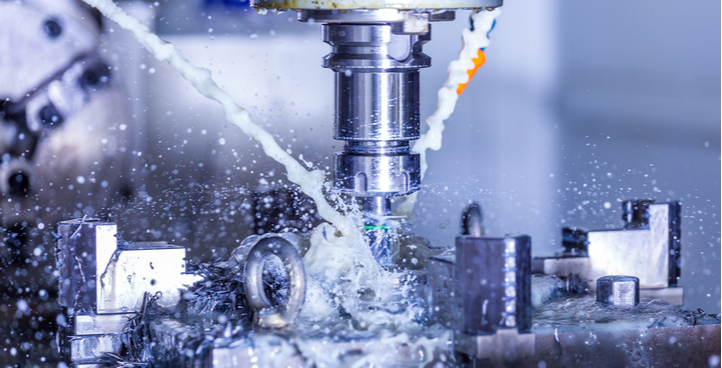
Integrated Production Process: From Design to Zero-Defect Mass Production
At Wuxi Lead Precision Machinery, we execute a rigorously controlled production sequence specifically engineered for high-integrity custom metal components demanded by advanced prototype machine shops. Our process transcends simple task completion; it is a closed-loop system designed to eliminate defects before they occur, ensuring seamless transition from initial concept to flawless volume output. This methodology is fundamental to serving clients requiring aerospace, medical, and semiconductor-grade precision.
The journey begins with collaborative Design for Manufacturability analysis. Our engineering team partners directly with your designers, scrutinizing CAD models not just for function, but for producibility within micron-level tolerances. We identify potential stress points, material challenges, and geometric complexities early, proposing optimized solutions that maintain performance while enhancing manufacturability and yield. This proactive engineering review prevents costly iterations and delays downstream, establishing the foundation for zero defects. Significant deviations are resolved digitally before any material is cut.
Prototyping is treated as the critical validation phase, not merely a sample run. Utilizing the exact production-grade CNC equipment, tooling, and materials intended for final manufacture, we produce functional prototypes under full production parameters. Every dimension undergoes metrology-grade validation against the approved design, including CMM inspection, surface finish analysis, and material certification. This phase verifies the DFM recommendations and process stability, providing tangible evidence of capability and ensuring the design is truly production-ready. Only prototypes meeting all specifications are approved for mass production sign-off.
Mass production leverages the validated process without compromise. Our factory operates under strict Statistical Process Control (SPC) protocols. Real-time monitoring of critical parameters—tool wear, thermal drift, vibration—feeds directly into our quality management system. Each component undergoes in-process inspections at defined intervals, with final 100% critical dimension verification where required. Material traceability is maintained from raw bar stock to finished part. This systematic approach, rooted in the validated prototype data, guarantees consistent output meeting the most stringent zero-defect criteria demanded by high-reliability sectors. Continuous feedback from production further refines the process.
Process Phase Specifications
| Process Phase | Key Activities | Tolerance Capability | Lead Time | Quality Control Method |
|---|---|---|---|---|
| Design & DFM | CAD analysis, manufacturability review, design optimization | N/A | 3-7 Days | Engineering sign-off, digital simulation validation |
| Prototyping | Production-equivalent machining, functional testing | ±0.002mm (standard), ±0.0005mm (micromachining) | 7-15 Days | Full CMM report, material certs, surface finish analysis, functional testing |
| Mass Production | SPC-controlled machining, in-process inspection, final verification | ±0.002mm (standard), ±0.0005mm (micromachining) | Volume-dependent (optimized) | Real-time SPC, defined in-process checks, 100% critical dimension verification (as specified), full traceability |
This integrated workflow, where design insights directly inform prototyping and prototyping validates mass production, is our core differentiator. Wuxi Lead delivers not just parts, but guaranteed process integrity, eliminating the traditional risks at the prototype-to-production handoff for our discerning machine shop partners.
Why Choose Wuxi Lead Precision
Partner with Wuxi Lead Precision Machinery for Uncompromising Quality in Custom Metal Manufacturing
When your prototype machine shop demands precision, consistency, and rapid turnaround, partnering with a trusted manufacturer is not just an advantage—it’s a necessity. At Wuxi Lead Precision Machinery, we specialize in high-end custom metal manufacturing tailored to the exacting standards of advanced engineering and prototyping environments. With over 15 years of experience serving global clients in aerospace, medical devices, robotics, and industrial automation, we deliver machined components that meet the most stringent technical and dimensional requirements.
Our facility in Wuxi, China, is equipped with state-of-the-art CNC machining centers, multi-axis turning machines, and advanced inspection systems. Every process—from initial design review to final quality validation—is executed under strict ISO 9001:2015 certification protocols. We understand that prototype development cycles are time-sensitive and technically complex. That’s why we prioritize agility without sacrificing precision. Whether you require a single prototype or low-volume production runs, our team ensures repeatability, material integrity, and tight tolerances down to ±0.002 mm.
We work with a wide range of engineering-grade metals, including aluminum alloys (6061, 7075), stainless steels (303, 304, 316), titanium (Grade 5), brass, and specialty alloys such as Inconel and tool steels. Surface treatments including anodizing, passivation, plating, and powder coating are available to meet functional and aesthetic specifications. Our engineering support team collaborates directly with your design staff to optimize manufacturability, reduce lead times, and avoid costly revisions.
Below are the core capabilities that define our manufacturing excellence:
| Specification | Detail |
|---|---|
| CNC Machining | 3-axis, 4-axis, 5-axis milling; CNC turning |
| Tolerances | ±0.002 mm |
| Maximum Work Envelope | 1200 x 800 x 600 mm (XYZ) |
| Materials | Aluminum, Stainless Steel, Titanium, Brass, Inconel, Tool Steels |
| Lead Times | Prototypes: 5–7 days; Production: 10–14 days (standard) |
| Quality Standards | ISO 9001:2015, Full First Article Inspection (FAI) reports |
| Surface Finishes | As-machined, Anodizing (Type II & III), Passivation, Plating |
At Wuxi Lead Precision Machinery, we view every partnership as a collaboration in innovation. Our clients rely on us not only for precision parts but for responsive communication, technical insight, and supply chain reliability. We support DFM feedback, rapid quoting, and digital collaboration through secure file sharing and real-time project tracking.
If your prototype machine shop demands a manufacturing partner who combines technical mastery with operational agility, contact us today. Send your RFQs and design files to [email protected] and experience the difference precision engineering makes. Let Lead Precision become an extension of your team—driving speed, accuracy, and value from concept to final component.
⚙️ Precision Cost Estimator
Estimate relative manufacturing effort based on tolerance.