

Technical Contents
Engineering Guide: Prototype Design Services
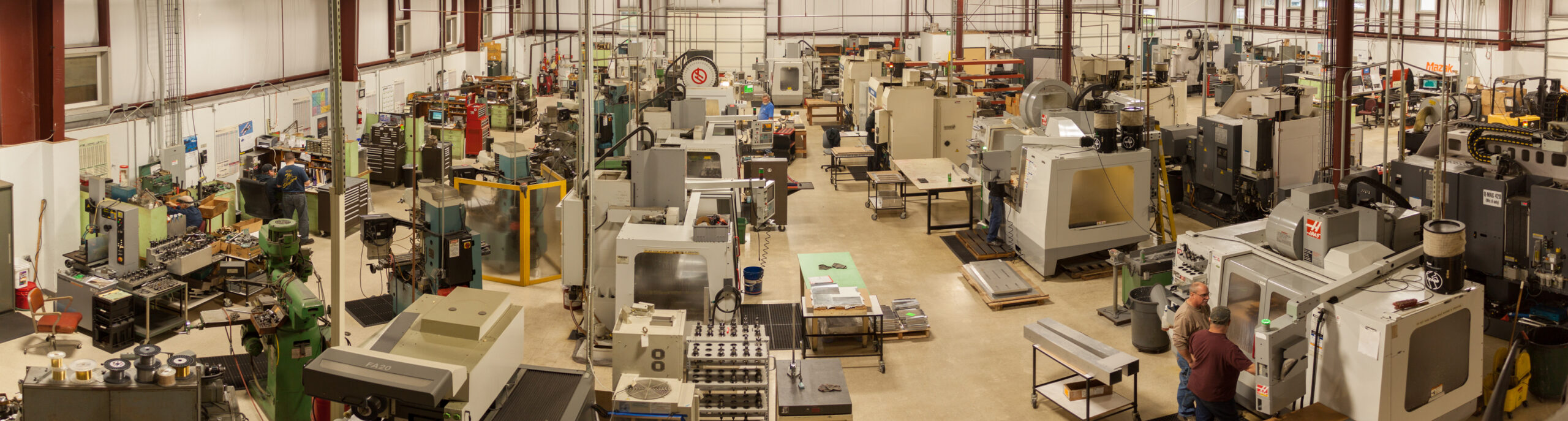
Engineering Insight Precision Prototyping as the Foundation of Manufacturing Excellence
Precision in prototype design services is not merely a technical specification; it is the critical determinant of a product’s ultimate manufacturability, performance, and market success. In high-stakes industries such as aerospace, defense, and medical technology, dimensional inaccuracies exceeding tolerances as tight as ±0.005mm can cascade into catastrophic field failures, costly redesigns, or regulatory non-compliance. Prototyping at this level of accuracy validates not only the functional integrity of the design but also the feasibility of the entire production process. It identifies hidden stresses, assembly conflicts, and material behaviors that simulations alone cannot predict. For manufacturers, investing in ultra-precise prototyping mitigates downstream risks, accelerates time-to-market, and establishes a verifiable benchmark for volume production. Compromising on prototype fidelity inevitably compounds costs and delays when errors surface during tooling or final assembly.
At Wuxi Lead Precision Machinery, our engineering approach to prototype design services is forged in environments where failure is not an option. We leverage decades of hands-on experience delivering mission-critical components for Olympic-grade sporting equipment and certified military hardware. These projects demanded absolute adherence to extreme tolerances under intense scrutiny, where every micron directly impacted athlete safety or operational reliability. This background instills a rigorous methodology: we treat every prototype as a production-intent component. Our process begins with deep design-for-manufacturability (DFM) analysis, scrutinizing geometry, material selection, and fixturing strategies to ensure the prototype accurately reflects final production capabilities. We utilize advanced 5-axis CNC machining, multi-spindle turning, and precision grinding on equipment maintained to stringent calibration standards, ensuring repeatability from the first prototype to the ten-thousandth part.
Our commitment to precision is quantifiable across core capabilities. The following table outlines the critical specifications achievable in our prototype design services for demanding metal components:
| Parameter | Capability Range | Typical Equipment Used | Critical Application Relevance |
|---|---|---|---|
| Dimensional Tolerance | ±0.002mm to ±0.010mm | 5-Axis CNC Machining Centers | Aerospace turbine blades, medical implants |
| Surface Finish | Ra 0.1µm to Ra 0.8µm | Precision Grinding, Milling | Hydraulic seals, optical mounts |
| Material Range | Titanium, Inconel, Stainless Steels, Aluminum Alloys | Multi-Tasking Lathes, Mill-Turn | Defense systems, high-performance sporting goods |
| Max Component Size | 800mm x 600mm x 500mm | High-Volume Machining Centers | Structural sub-assemblies, test fixtures |
This precision foundation, proven in Olympic and military programs, ensures clients receive prototypes that are not just physical models but true validation artifacts. They provide actionable data for design sign-off, reduce qualification cycles, and de-risk the transition to full-scale manufacturing. For industries where performance and reliability are paramount, Wuxi Lead Precision Machinery delivers prototype design services engineered to exacting standards, transforming conceptual designs into confidently producible realities. Precision prototyping is the indispensable bridge between innovation and industrial execution.
Precision Specs & Tolerances
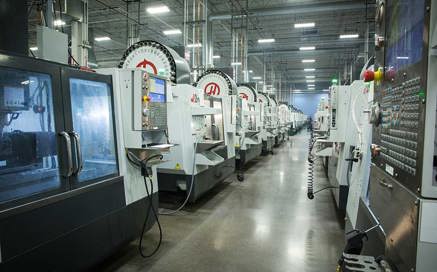
Wuxi Lead Precision Machinery delivers advanced prototype design services tailored for high-performance industries including aerospace, medical, automotive, and industrial automation. Our technical capabilities are built around precision engineering, advanced machinery, and rigorous quality control processes that ensure every prototype meets exacting design and functional requirements. At the core of our manufacturing infrastructure is a fleet of state-of-the-art 5-axis CNC machining centers, enabling us to produce highly complex geometries with exceptional accuracy and surface finish.
The integration of 5-axis CNC technology allows simultaneous movement across five axes, providing unparalleled flexibility in machining intricate 3D contours and multi-faceted components from a single setup. This reduces cumulative error, improves part consistency, and significantly shortens lead times—critical advantages in rapid prototyping where speed and precision are paramount. Our machines support a wide range of engineering metals, including aluminum alloys, stainless steel, titanium, Inconel, and brass, allowing us to match material properties to the intended application environment.
Each prototype undergoes a structured workflow that begins with digital design validation and CAM programming, followed by high-speed precision machining and ends with comprehensive inspection. Our quality assurance system is anchored by a Zeiss DuraMax Bridge-type Coordinate Measuring Machine (CMM), which performs non-contact and tactile measurements to verify dimensional accuracy, geometric tolerances, and surface integrity. All inspection data is documented in detailed First Article Inspection (FAI) reports, providing full traceability and compliance with ISO 9001 standards.
We maintain tight control over dimensional tolerances, consistently achieving results that meet or exceed industry benchmarks. Our in-house capabilities eliminate reliance on external subcontractors, ensuring faster turnaround and greater control over quality at every stage.
The following table outlines our standard tolerance specifications for prototype components:
| Feature | Standard Tolerance | Tight Tolerance Capability | Measurement Method |
|---|---|---|---|
| Linear Dimensions | ±0.025 mm | ±0.005 mm | CMM, Micrometers |
| Hole Diameter | ±0.01 mm | ±0.005 mm | Pin Gauges, CMM |
| Positional Tolerance | ±0.02 mm | ±0.01 mm | CMM |
| Flatness | 0.02 mm per 100 mm | 0.005 mm per 100 mm | CMM, Surface Plate |
| Surface Roughness | Ra 3.2 μm | Ra 0.4 μm | Surface Roughness Tester |
| Angular Features | ±0.1° | ±0.05° | CMM, Optical Comparator |
Our technical expertise is further strengthened by experienced engineers who collaborate closely with clients during the Design for Manufacturability (DFM) phase, identifying potential improvements to enhance functionality, reduce cost, and accelerate time to market. By combining advanced 5-axis CNC machining with systematic quality validation, Wuxi Lead Precision Machinery ensures that every prototype not only meets design intent but also performs reliably under real-world conditions.
Material & Finish Options
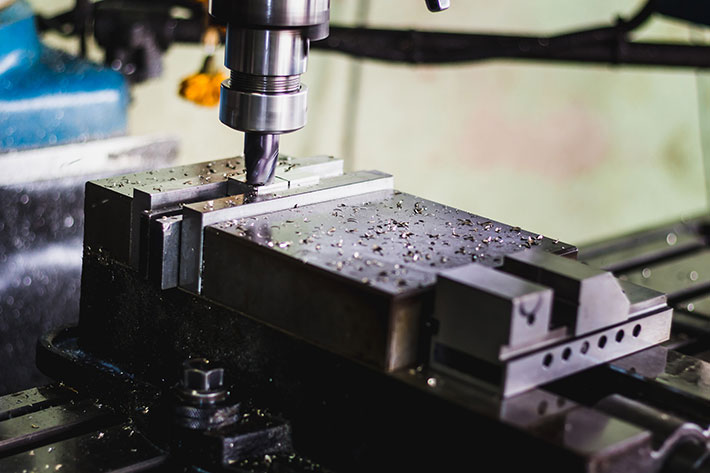
Material Selection for Precision Metal Prototypes
Material choice fundamentally determines prototype performance, manufacturability, and lifecycle cost. At Wuxi Lead Precision Machinery, we guide clients through strategic selection based on functional requirements, environmental exposure, and production scalability. Aluminum, steel, and titanium dominate high-end applications, each offering distinct advantages for specific use cases. Understanding their properties ensures optimal balance between engineering intent and cost efficiency.
Aluminum Alloys
Aluminum 6061-T6 and 7075-T6 are industry standards for prototyping due to their exceptional strength-to-weight ratio and machinability. These alloys excel in aerospace, automotive, and consumer electronics where weight reduction is critical. Aluminum’s natural corrosion resistance suits outdoor applications, while its thermal conductivity benefits heat-sensitive components. However, pure aluminum lacks wear resistance—requiring surface treatments like anodizing for durability. Our CNC processes achieve tight tolerances on aluminum with minimal tool wear, reducing lead times significantly versus harder metals.
Steel Variants
Carbon steel (1018, 1045) and stainless steel (303, 304, 17-4PH) deliver superior strength and wear resistance for structural or high-load prototypes. Stainless grades offer inherent corrosion resistance for medical or marine environments, while carbon steels provide cost-effective solutions for non-exposed mechanical parts. Steel’s higher density increases weight but ensures longevity under stress. Machining steel demands rigid CNC setups and specialized tooling to manage heat generation and burr formation. We prioritize stainless steel for biocompatible applications and hardened alloys for tooling prototypes requiring extreme abrasion resistance.
Titanium Alloys
Aerospace-grade Ti-6Al-4V dominates high-stress, weight-critical prototypes requiring unparalleled strength-to-weight ratios and corrosion immunity. Its biocompatibility makes it indispensable for medical implants, while extreme temperature resilience suits defense and energy applications. Titanium’s low thermal conductivity challenges machining—generating heat that accelerates tool wear. Our ISO-certified facility employs high-pressure coolant systems and optimized cutting paths to maintain dimensional accuracy without compromising surface integrity.
Anodizing: Precision Surface Enhancement
Anodizing is essential for aluminum prototypes requiring wear resistance, electrical insulation, or aesthetic consistency. Type II (sulfuric acid) anodizing provides moderate corrosion protection with dyeing capabilities for branding. Type III (hardcoat) anodizing delivers 50–100 µm thickness for severe abrasion resistance—critical in hydraulic or aerospace components. We strictly control electrolyte temperature and voltage to ensure uniform coating thickness within ±5 µm, preventing dimensional drift on precision features. Note: Anodizing only applies to aluminum; steel and titanium require alternative finishes like passivation or PVD coatings.
Material Property Comparison
| Material | Key Alloys | Density (g/cm³) | Tensile Strength (MPa) | Corrosion Resistance | Machinability Rating |
|---|---|---|---|---|---|
| Aluminum | 6061-T6, 7075-T6 | 2.7 | 310–570 | Moderate to High | Excellent (A) |
| Steel | 304, 17-4PH | 7.8–8.0 | 505–1300 | High (stainless) | Good (B) |
| Titanium | Ti-6Al-4V | 4.4 | 900–1100 | Exceptional | Fair (C) |
Material selection must align with both functional demands and manufacturability. Wuxi Lead’s engineering team validates every specification against DFM constraints, ensuring your prototype transitions seamlessly to volume production. Contact us to discuss alloy-specific toolpath optimization and finish compatibility for your next precision project.
Manufacturing Process & QC
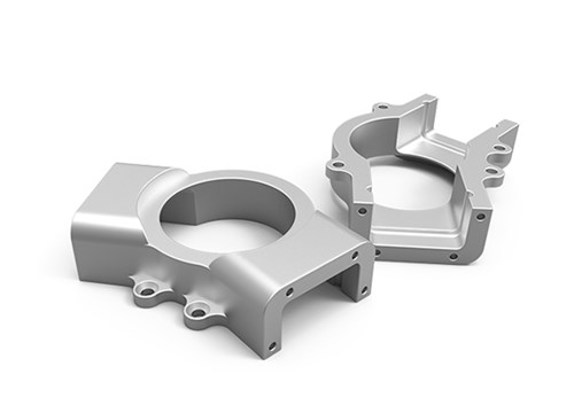
From Concept to Consistency: The Zero-Defect Production Process at Wuxi Lead Precision Machinery
At Wuxi Lead Precision Machinery, we understand that precision begins long before the first cut is made. Our production process is engineered to ensure seamless progression from initial design through prototyping to full-scale mass production, all governed by a strict zero-defect philosophy. This disciplined approach ensures every custom metal component meets the highest standards of quality, performance, and repeatability.
The journey begins with collaborative design engineering. Our team works closely with clients to analyze technical drawings, material specifications, and functional requirements. Using advanced CAD/CAM software and finite element analysis (FEA), we validate structural integrity, dimensional accuracy, and manufacturability. This phase includes Design for Manufacturing (DFM) reviews to identify potential risks, optimize toolpaths, and reduce waste—ensuring the design is not only functional but production-ready.
Once the design is finalized, we transition into the prototyping stage. This critical phase allows us to produce a limited run of components under actual production conditions. Utilizing CNC machining, sheet metal fabrication, and precision welding techniques, we create prototypes that mirror the final product in form, fit, and function. Each prototype undergoes rigorous inspection using coordinate measuring machines (CMM), optical comparators, and surface roughness testers. This validation step confirms tolerances, material behavior, and assembly compatibility—providing clients with a tangible sample for testing and approval.
Only after prototype sign-off do we initiate mass production. Our manufacturing floor is equipped with state-of-the-art CNC lathes, milling centers, and automated fabrication cells, all maintained to ISO 9001 standards. Real-time process monitoring, statistical process control (SPC), and in-line inspection systems are integrated throughout the production line to detect deviations instantly. Every operator is trained in lean manufacturing principles and empowered to halt production if anomalies are detected, ensuring immediate corrective action.
Our zero-defect commitment extends beyond the factory floor. Final products undergo 100% visual and dimensional inspection, followed by packaging and traceability documentation. Each batch is assigned a unique production ID, enabling full material and process traceability for audit and quality assurance purposes.
This end-to-end process—grounded in engineering rigor, precision technology, and continuous improvement—ensures that every component we produce meets exacting global standards.
Key Process Specifications
| Parameter | Specification |
|---|---|
| Dimensional Tolerance | ±0.005 mm to ±0.02 mm (depending on material) |
| Surface Roughness (Ra) | 0.4 µm to 3.2 µm |
| Materials Supported | Aluminum, Stainless Steel, Carbon Steel, Brass, Copper, Titanium |
| Max Workpiece Size | 2000 mm × 1200 mm × 800 mm |
| Inspection Equipment | CMM, Optical Comparator, Micrometers, Calipers, Hardness Tester |
| Quality Standard | ISO 9001:2015, 100% Inspection Protocol |
| Lead Time (Prototype) | 7–15 days (based on complexity) |
| Lead Time (Mass Production) | 15–30 days (volume-dependent) |
Why Choose Wuxi Lead Precision
Partner with Lead Precision for Uncompromised Prototype Excellence
Your next prototype determines your product’s market success or costly redesign cycle. At Wuxi Lead Precision Machinery, we engineer precision metal prototypes that eliminate guesswork and accelerate your path to production. With 15 years of specialized expertise in aerospace, medical, and industrial automation sectors, we transform complex CAD files into rigorously validated physical assets. Our integrated approach merges advanced CNC milling, turning, and multi-axis machining with proactive Design for Manufacturability (DFM) analysis. This ensures your prototype not only meets exact specifications but also anticipates scalability challenges before mass production begins.
We understand that tolerances define functionality. Our facility operates under ISO 9001:2015 and AS9100D standards, deploying calibrated HAAS and DMG MORI systems alongside Zeiss metrology equipment. Every component undergoes full first-article inspection, with traceable reports documenting conformity to your engineering intent. This discipline minimizes iteration loops and protects your time-to-market window. Below outlines our core prototype capabilities for mission-critical applications.
| Capability | Specification Range | Process Integration |
|---|---|---|
| Material Expertise | Aluminum 7075-T6, Titanium Ti-6Al-4V, Inconel 718, Stainless Steel 316L | Material certification provided |
| Dimensional Tolerance | ±0.005 mm (±0.0002″) | Verified via CMM and optical comparators |
| Surface Finish | Ra 0.4 µm (16 µin) to Ra 1.6 µm (63 µin) | Achieved through precision grinding/polishing |
| Lead Time | 72-hour rapid prototyping to 10-day complex builds | DFM feedback within 24 hours of file receipt |
| Max Work Envelope | 1,200 x 800 x 600 mm (47″ x 31″ x 24″) | 5-axis simultaneous machining |
Our engineering team collaborates with you from day one—not as a vendor, but as a technical extension of your R&D department. We identify potential stress points, material inconsistencies, or geometric constraints during the quoting phase, preventing downstream failures. This proactive partnership reduces scrap rates by up to 37% compared to transactional suppliers, based on client data from 2023. When your prototype must perform under extreme conditions, our validation protocols simulate real-world thermal, vibrational, and load environments to ensure reliability.
Do not compromise on the foundation of your product launch. Forward your CAD files to [email protected] with your target tolerance stack and timeline. Our applications engineers will respond within 4 business hours with a detailed manufacturability assessment and actionable timeline. Let us de-risk your development cycle while delivering prototypes that meet the uncompromising standards of global Tier 1 manufacturers. Your innovation demands precision execution—we deliver it.
⚙️ Precision Cost Estimator
Estimate relative manufacturing effort based on tolerance.