

Technical Contents
Engineering Guide: Prototype Cnc
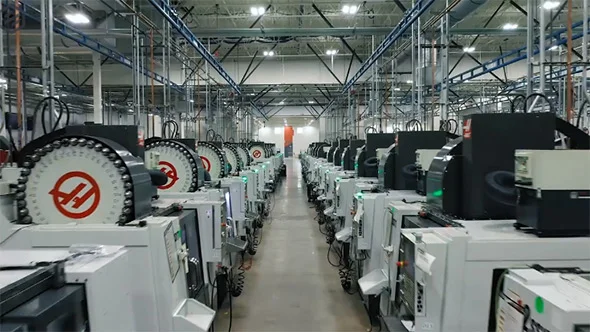
Engineering Insight: The Critical Role of Precision in Prototype CNC Machining
In the realm of advanced manufacturing, prototype CNC machining serves as the foundation for innovation, enabling engineers and designers to transform conceptual designs into functional, real-world components. At Wuxi Lead Precision Machinery, we understand that the success of any prototype hinges not just on its geometry or material, but on the precision with which it is manufactured. Precision in prototype CNC machining is not a luxury—it is a necessity, especially when developing parts for high-stakes applications in aerospace, defense, medical devices, and advanced robotics.
Prototype development demands tight tolerances, often within ±0.005 mm, to ensure that form, fit, and function align with design intent. Even microscopic deviations can lead to performance failures, costly redesigns, or extended time-to-market. At Lead Precision, our CNC machining processes are engineered to deliver micron-level accuracy across all prototype builds. Utilizing state-of-the-art 3-, 4-, and 5-axis CNC machines, coupled with real-time in-process inspection systems, we maintain consistent dimensional stability and surface integrity. This level of control is essential when producing prototypes that will undergo rigorous testing or serve as master models for future production runs.
Our expertise in high-precision prototyping has been validated through mission-critical projects, including components developed for Olympic-grade athletic equipment and specialized hardware for military defense systems. These applications demand not only extreme accuracy but also repeatability, material integrity, and compliance with stringent regulatory standards. For example, components used in defense systems must withstand extreme environmental conditions while maintaining structural reliability—requirements that begin with precise prototyping. Similarly, Olympic equipment prototypes must deliver peak performance down to the smallest detail, where even a fraction of a millimeter can influence outcome.
Beyond hardware, our engineering team integrates advanced simulation and CAM programming to optimize toolpaths, minimize thermal deformation, and ensure optimal material removal rates. This holistic approach reduces cycle times while enhancing accuracy, allowing clients to accelerate their development timelines without compromising quality.
The table below outlines the core specifications that define our prototype CNC machining capabilities:
| Specification | Detail |
|---|---|
| Positioning Accuracy | ±0.002 mm |
| Repeatability | ±0.001 mm |
| Maximum Work Envelope | 1200 × 800 × 650 mm |
| Standard Tolerances | ±0.005 mm (typical), down to ±0.001 mm (tight) |
| Materials Supported | Aluminum (6061, 7075), Stainless Steel (303, 304, 316), Titanium, Brass, Engineering Plastics (PEEK, Delrin) |
| Surface Finish | As low as Ra 0.4 µm (polished), standard Ra 1.6–3.2 µm |
| CNC Systems | 3-axis, 4-axis, 5-axis simultaneous machining |
| Quality Assurance | ISO 9001:2015 certified, CMM inspection, First Article Inspection (FAI) reports |
At Wuxi Lead Precision Machinery, we treat every prototype not as a single part, but as the first step in a product’s journey to excellence. Our commitment to precision, backed by proven experience in elite engineering fields, ensures that your prototype performs exactly as intended—on the test bench, in the field, and beyond.
Precision Specs & Tolerances
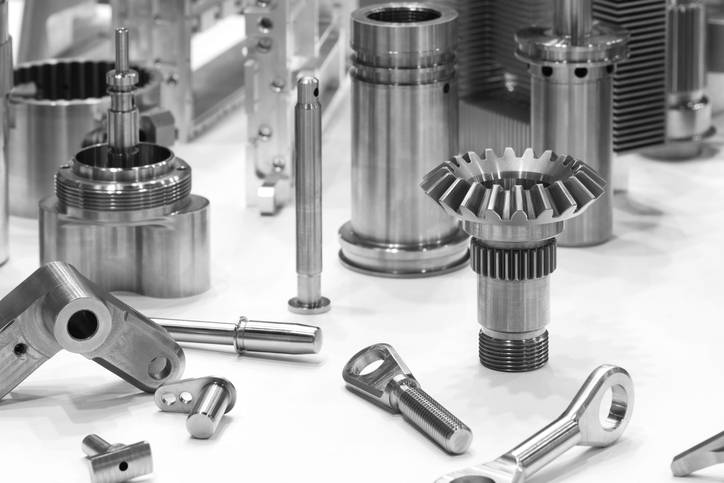
Advanced Technical Capabilities for Precision Prototype CNC Machining
Wuxi Lead Precision Machinery delivers uncompromising accuracy for complex prototype development through integrated five-axis CNC machining and rigorous metrology. Our technical infrastructure is engineered to eliminate iterative delays, transforming conceptual designs into functionally validated components within accelerated timelines. Core to this capability is our fleet of state-of-the-art five-axis vertical machining centers, including DMG MORI CMX 600 V and Makino D200Z systems. These platforms execute simultaneous five-axis interpolation with sub-micron repeatability, enabling single-setup fabrication of organic geometries, deep cavities, and multi-faceted assemblies that would require costly secondary operations on lesser equipment. High-torque spindles (15,000 RPM) and thermal stability compensation ensure material integrity across aerospace alloys, medical-grade titanium, and engineering polymers, while integrated probing systems validate workpiece alignment in real-time, minimizing human error.
Quality assurance is not a final checkpoint but a continuous process embedded within our workflow. Every prototype undergoes comprehensive dimensional validation via Zeiss CONTURA G3 coordinate measuring machines (CMM), operating under ISO 17025-accredited protocols. Our metrology suite captures full 3D point clouds against native CAD models, generating AS9102-compliant first-article inspection reports with GD&T analysis. This closed-loop verification confirms not only dimensional conformity but also surface texture compliance per ISO 1302 standards, critical for prototypes destined for wind tunnel testing or biocompatibility trials. Statistical process control (SPC) data from each run feeds directly into design-for-manufacturability feedback for clients, reducing downstream production risks.
The following table defines achievable tolerance benchmarks for prototype components under controlled conditions. Actual specifications are dynamically adjusted per material properties, geometry complexity, and client-specified critical features.
| Feature Type | Material Category | Tolerance Range |
|---|---|---|
| Critical Dimensions | Metals (Al, Ti, SS) | ±0.005 mm |
| Critical Dimensions | Engineering Plastics | ±0.010 mm |
| Positional Tolerances | All Materials | ±0.008 mm |
| Surface Finish (Ra) | Machined Surfaces | 0.4 – 1.6 µm |
| Non-Critical Features | All Materials | ±0.025 mm |
This precision foundation directly translates to reduced prototype iteration cycles. Clients leverage our capabilities to validate form, fit, and function with production-intent accuracy—eliminating costly design revisions during pilot production. Our five-axis flexibility accommodates rapid material substitution trials (e.g., switching from aluminum to PEEK for thermal testing) without re-fixturing delays, while CMM traceability provides auditable data for regulatory submissions in aerospace and medical sectors. By converging advanced hardware, metrology-grade validation, and process intelligence, Wuxi Lead ensures your prototype is not merely a physical model but a definitive engineering benchmark. This technical rigor accelerates time-to-market while de-risking the transition from prototype to volume manufacturing.
Material & Finish Options
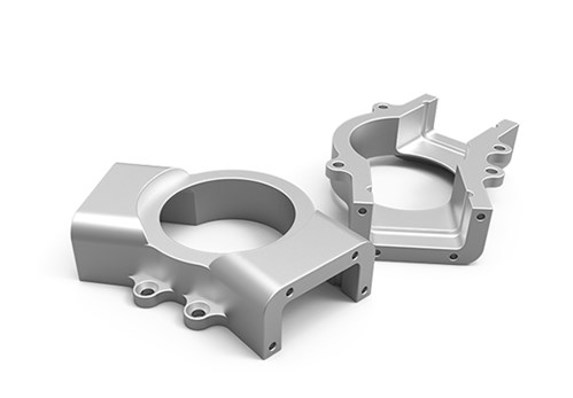
Material Selection for High-Precision CNC Prototyping
Selecting the appropriate material for CNC machining is critical to ensuring the performance, durability, and cost-efficiency of prototype components. At Wuxi Lead Precision Machinery, we specialize in precision CNC machining for advanced prototyping applications, where material properties directly influence functionality, especially under mechanical stress, thermal exposure, or corrosive environments. Among the most widely used materials in our operations are aluminum, steel, and titanium—each offering distinct advantages depending on the application.
Aluminum is a preferred choice for lightweight, high-strength prototypes, particularly in aerospace, automotive, and consumer electronics. Its excellent strength-to-weight ratio, thermal conductivity, and machinability make it ideal for complex geometries with tight tolerances. The most common grade used in prototyping is 6061-T6, which offers good weldability and corrosion resistance. For more demanding structural applications, 7075-T6 provides higher strength, though with slightly reduced corrosion resistance.
Steel remains the standard for prototypes requiring high wear resistance, structural integrity, and dimensional stability. 4140 and 4340 alloy steels are frequently selected for their toughness and ability to be heat-treated for enhanced hardness. Stainless steel grades such as 304 and 316 offer superior corrosion resistance, making them suitable for medical devices, food processing equipment, and marine environments.
Titanium, particularly Grade 5 (Ti-6Al-4V), is used when exceptional strength-to-density ratio and resistance to extreme environments are required. It is commonly found in aerospace, defense, and biomedical applications. While more challenging to machine due to its low thermal conductivity and tendency to gall, titanium’s performance under high stress and temperature justifies its use in mission-critical prototypes.
Surface finishing plays a crucial role in both functional and aesthetic performance. Anodizing is a widely used electrochemical process for aluminum parts, enhancing surface hardness, wear resistance, and corrosion protection. Type II (sulfuric acid) anodizing allows for color dyeing and is suitable for most industrial applications. Type III, or hard anodizing, produces a thicker, more durable oxide layer ideal for parts exposed to high friction or harsh environments.
At Wuxi Lead, we support anodizing in clear, black, red, blue, and custom colors, with precise control over coating thickness and sealing processes to meet international standards. All finishes are applied in-house to ensure consistency and traceability.
The table below summarizes key mechanical and machining properties of commonly used materials in prototype CNC machining.
| Material | Tensile Strength (MPa) | Hardness (HB) | Density (g/cm³) | Common Applications | Machinability Rating |
|---|---|---|---|---|---|
| Aluminum 6061-T6 | 310 | 95 | 2.7 | Aerospace, Electronics, Automotive | Excellent |
| Aluminum 7075-T6 | 570 | 150 | 2.8 | High-stress Structural Components | Good |
| Steel 4140 | 655 | 197 | 7.85 | Tooling, Shafts, Prototypes | Moderate |
| Stainless 316 | 580 | 160 | 8.0 | Medical, Marine, Food Processing | Moderate |
| Titanium Ti-6Al-4V | 900 | 360 | 4.43 | Aerospace, Defense, Biomedical | Fair |
Choosing the right material and finish requires a balance between performance requirements, environmental exposure, and production efficiency. Our engineering team at Wuxi Lead works closely with clients to optimize material selection and surface treatment for every prototype, ensuring reliability from concept to validation.
Manufacturing Process & QC
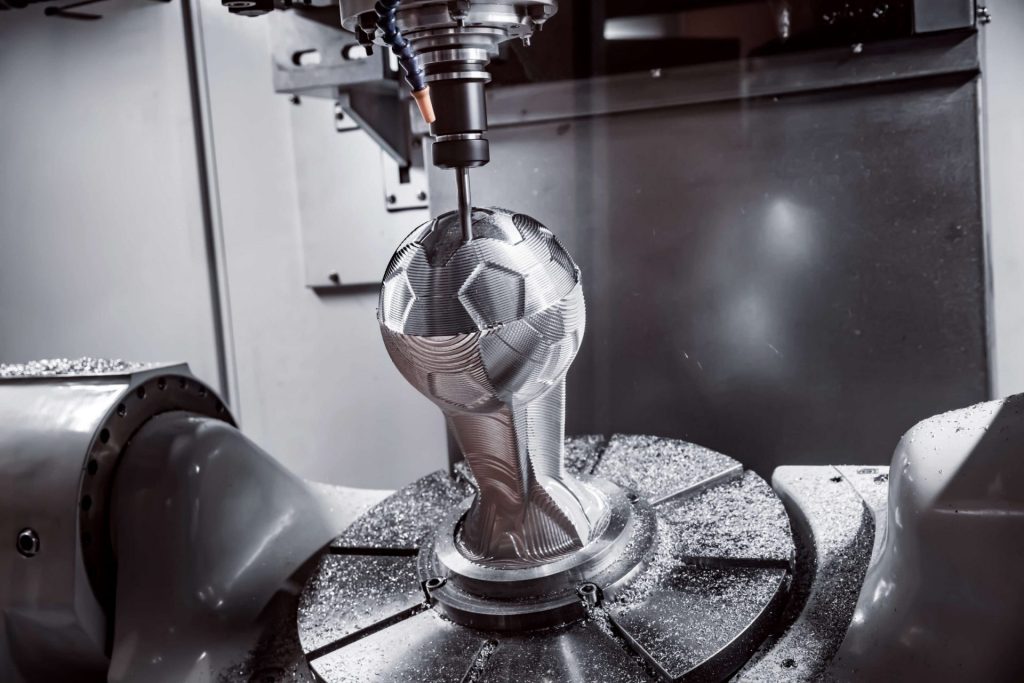
Precision CNC Production Process: From Design to Zero-Defect Mass Production
At Wuxi Lead Precision Machinery, our production process is engineered for uncompromising quality and seamless scalability, ensuring zero defects from initial concept to high-volume delivery. We integrate advanced CNC technology with rigorous quality protocols across three critical phases, transforming client specifications into flawless components.
The Design Phase establishes the foundation for success. Our engineering team collaborates closely with clients to review 3D CAD models, performing comprehensive Design for Manufacturability (DFM) analysis. We identify potential machining constraints, material suitability issues, and geometric complexities early, optimizing toolpaths and fixture strategies within our Siemens-controlled 5-axis milling and turning centers. This proactive validation prevents costly errors downstream, ensuring the digital model is fully manufacturable to micron-level tolerances before any metal is cut.
Prototyping serves as the definitive physical validation step. Utilizing the exact production-grade CNC equipment and materials specified for final parts, we produce functional prototypes under controlled conditions. Every dimension undergoes meticulous inspection using Zeiss Coordinate Measuring Machines (CMM) and optical comparators, verifying conformance to GD&T requirements. Critical features are stress-tested, and surface finishes are measured against Ra values. This phase is not merely a sample build; it is a rigorous process capability study. We analyze the prototype data to refine cutting parameters, coolant strategies, and inspection routines, establishing statistically validated process windows that guarantee repeatability. Client feedback on the prototype directly informs final process locking.
Mass Production leverages the validated process without deviation. Our automated production cells, monitored by real-time SPC software, maintain the exact parameters proven during prototyping. Every component undergoes 100% critical dimension verification via in-process probing and final CMM checks against the approved prototype baseline. Non-critical dimensions follow stringent AQL sampling plans. Material traceability, tool wear compensation, and environmental controls are continuously managed. This closed-loop system, rooted in the prototype’s success data, ensures every part meets the zero-defect standard, batch after batch, eliminating scrap and rework costs for our clients.
Our commitment to zero defects is quantifiable through measurable process capabilities. The table below outlines the precision benchmarks consistently achieved across our production workflow:
| Parameter | Capability | Inspection Coverage |
|---|---|---|
| Tolerance Range | ±0.001 mm to ±0.025 mm | 100% Critical Dimensions |
| Surface Finish (Ra) | 0.4 µm to 3.2 µm | Per Drawing Specification |
| Material Options | Aluminum, Steel, Titanium, Brass, Plastics | Full Traceability |
| Lead Time (Prototype) | 5-10 Working Days | Includes Full Validation Report |
| Process Control | Cp/Cpk ≥ 1.67 | Real-Time SPC Monitoring |
This integrated approach—where design validation, prototype rigor, and production discipline converge—delivers not just parts, but guaranteed performance and predictable scalability for your most demanding applications. Wuxi Lead transforms precision requirements into manufacturing reality.
Why Choose Wuxi Lead Precision
Partner with Lead Precision for Unmatched Prototype CNC Excellence
When precision, speed, and reliability define your engineering ambitions, partnering with Wuxi Lead Precision Machinery becomes the strategic advantage your project demands. As a globally recognized leader in high-end CNC machining, we specialize in transforming complex design concepts into fully functional, production-ready prototypes with exacting accuracy. Our expertise in prototype CNC services is built on decades of engineering discipline, advanced manufacturing infrastructure, and an unwavering commitment to client success.
At Lead Precision, we understand that prototyping is more than just fabrication—it is the foundation of innovation. Whether you are developing aerospace components, medical devices, automotive systems, or industrial equipment, our team collaborates with engineers and design teams to ensure every prototype meets stringent performance, tolerance, and material requirements. From initial CAD evaluation to final inspection, we integrate precision machining, rapid turnaround, and full traceability into every stage of the process.
Our state-of-the-art facility in Wuxi, China, is equipped with a comprehensive array of 3-axis, 4-axis, and 5-axis CNC machining centers, enabling us to handle intricate geometries and tight tolerances down to ±0.005 mm. We support a wide range of engineering materials, including aluminum alloys, stainless steel, titanium, brass, PEEK, and engineered plastics, ensuring compatibility with your functional testing and validation goals.
We pride ourselves on being more than a service provider—we are your manufacturing partner. Our engineering team offers Design for Manufacturability (DFM) feedback early in the process, helping you optimize part geometry, reduce costs, and accelerate time-to-market. With in-house quality control featuring CMM inspection, surface roughness testing, and first-article reporting, every prototype we deliver is verified for consistency and compliance.
Below are the key capabilities that define our prototype CNC machining service
| Specification | Detail |
|---|---|
| Machining Types | 3-Axis, 4-Axis, 5-Axis CNC Milling, CNC Turning |
| Tolerances | As tight as ±0.005 mm |
| Materials | Aluminum (6061, 7075), Stainless Steel (303, 304, 316), Titanium, Brass, PEEK, Delrin, and more |
| Maximum Work Envelope | 1200 x 800 x 600 mm (XYZ) |
| Lead Time | As fast as 5–7 days for standard prototypes |
| Finishes | As-machined, Anodizing (Type II & III), Plating, Powder Coating, Bead Blasting |
| Quality Standards | ISO 9001:2015 Certified, Full Inspection Reporting, First Article Inspection (FAI) |
Partnering with Lead Precision means gaining access to a scalable, responsive, and technically superior manufacturing resource. We serve clients across Europe, North America, and Asia, supporting low-volume prototyping through to high-mix production runs—all with the same level of precision and accountability.
Your next breakthrough begins with a conversation. Contact us today at [email protected] to discuss your prototype CNC requirements. Let our team of experts help you turn innovation into reality—faster, smarter, and with uncompromising quality.
⚙️ Precision Cost Estimator
Estimate relative manufacturing effort based on tolerance.