

Technical Contents
Engineering Guide: Professional Sheet Metal Fabrication
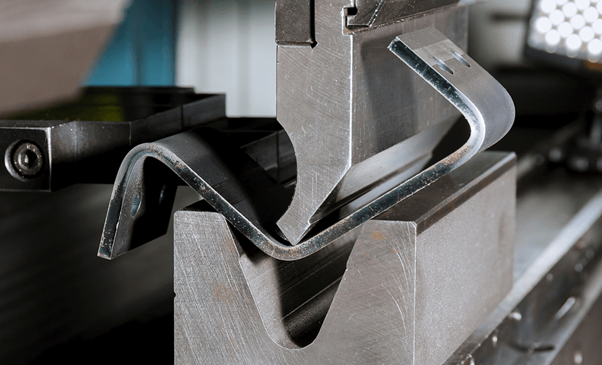
Engineering Insight: The Critical Role of Precision in Professional Sheet Metal Fabrication
In the realm of advanced manufacturing, professional sheet metal fabrication stands as a cornerstone of innovation, structural integrity, and functional reliability. At Wuxi Lead Precision Machinery, we recognize that precision is not merely a performance metric—it is the foundation upon which mission-critical components are built. Whether for aerospace, defense, or high-performance industrial systems, even micron-level deviations can compromise safety, efficiency, and compliance. Our engineering philosophy is rooted in the principle that precision must be engineered into every process, from initial design to final inspection.
Sheet metal fabrication demands more than cutting and bending; it requires a comprehensive understanding of material behavior, thermal dynamics, tooling interaction, and geometric tolerancing. At Lead Precision, we leverage state-of-the-art CNC-controlled machinery, laser measurement systems, and real-time process monitoring to ensure dimensional accuracy across all production stages. Our facility operates under ISO 9001-certified quality management protocols, enabling consistent repeatability and traceability for every component we produce.
Our expertise has been rigorously tested in projects where failure is not an option. Wuxi Lead Precision Machinery has contributed to infrastructure components for Olympic-standard venues, where architectural precision and load-bearing reliability were paramount. Additionally, we have supported defense-sector programs requiring adherence to MIL-STD-129 and MIL-STD-810 specifications, demonstrating our capacity to meet the most stringent military-grade fabrication standards. These experiences underscore our ability to deliver under extreme technical and regulatory scrutiny.
Precision in fabrication also extends to material optimization and waste reduction. Through advanced nesting algorithms and high-efficiency laser cutting systems, we achieve material utilization rates exceeding 92%, minimizing cost and environmental impact without compromising part integrity. Furthermore, our in-house engineering team collaborates directly with clients during the design-for-manufacturability (DFM) phase, identifying potential stress points, weld accessibility issues, or tolerance stack-ups before production begins.
The table below outlines key precision capabilities that define our sheet metal fabrication services:
| Specification | Capability |
|---|---|
| Material Thickness Range | 0.5 mm – 25 mm |
| Tolerance Accuracy | ±0.05 mm (standard), ±0.02 mm (tight-tolerance) |
| Maximum Part Size | 4000 mm × 2000 mm |
| Cutting Technologies | Fiber Laser, Plasma, Waterjet |
| Forming Equipment | CNC Press Brakes (up to 1000-ton capacity) |
| Quality Standards | ISO 9001, MIL-STD-129, ISO 13920 (welding) |
| Surface Finish Options | Bead blast, powder coating, anodizing, passivation |
At Wuxi Lead Precision Machinery, precision is not achieved by chance—it is engineered, validated, and guaranteed. Our track record in high-stakes industries reflects our unwavering commitment to excellence in every fabricated component we deliver.
Precision Specs & Tolerances
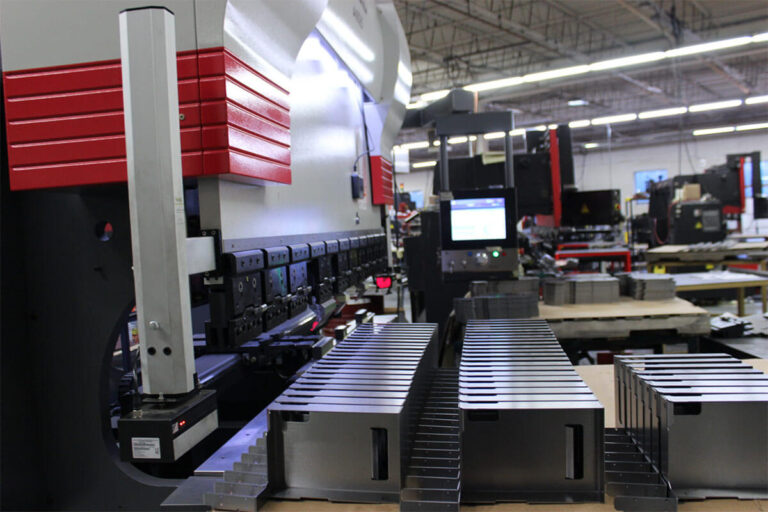
Technical Capabilities: Precision Sheet Metal Fabrication
Wuxi Lead Precision Machinery delivers uncompromising accuracy for complex sheet metal components through integrated advanced manufacturing and metrology systems. Our facility leverages cutting-edge 5-axis CNC machining centers to execute intricate geometries in a single setup, eliminating cumulative errors from multiple repositioning stages. This capability is critical for aerospace, medical, and defense applications where part integrity and dimensional stability are non-negotiable. Our machines process materials ranging from 0.5mm to 12mm thickness across aluminum alloys, stainless steel, titanium, and specialty composites, maintaining repeatability within ±0.005mm. The 5-axis platform enables simultaneous contouring of compound angles and undercuts, reducing lead times by up to 40% compared to conventional 3-axis workflows while preserving critical surface finishes.
Quality control is embedded at every process stage, anchored by Zeiss CONTURA G2 Coordinate Measuring Machines (CMM) with 0.5μm volumetric accuracy. Each component undergoes full-spectrum inspection against ASME Y14.5 GD&T standards, with real-time SPC data analysis ensuring statistical process control. Our CMM cells generate comprehensive inspection reports traceable to NIST standards, providing customers with certified dimensional validation for critical features like hole patterns, form deviations, and assembly interfaces. This closed-loop system identifies micro-trends in production, enabling proactive tooling adjustments before deviations impact yield.
Material handling and in-process verification further enhance reliability. Automated load/unload systems minimize human intervention, while laser-based in-machine probing validates workpiece alignment prior to machining. All operators are certified to ISO 9001:2015 and ITAR requirements, with digital work instructions eliminating manual interpretation errors.
The following table details our standard and tight-tolerance capabilities for flat and formed sheet metal components. Note that achievable tolerances depend on material grade, part geometry, and feature density, with all specifications validated through our CMM infrastructure.
| Parameter | Standard Tolerance | Tight Tolerance Option |
|---|---|---|
| Flatness (per 100mm) | ±0.1mm | ±0.025mm |
| Hole Position (Ø<10mm) | ±0.05mm | ±0.01mm |
| Hole Diameter (Drilled) | ±0.05mm | ±0.015mm |
| Bend Angle | ±0.5° | ±0.1° |
| Bend Radius | ±0.1mm | ±0.03mm |
| Edge Chamfer | ±0.2mm | ±0.05mm |
| Critical Feature Location | ±0.08mm | ±0.02mm |
These capabilities translate to reduced scrap rates, seamless assembly integration, and extended component service life for our clients. We collaborate with engineering teams during DFM analysis to optimize designs for manufacturability within these tolerance frameworks, ensuring first-article success. For mission-critical applications, our technical team develops custom inspection protocols exceeding standard requirements, providing documented evidence of performance under operational conditions. This commitment to measurable precision makes Wuxi Lead the partner of choice for OEMs demanding zero-defect sheet metal solutions.
Material & Finish Options
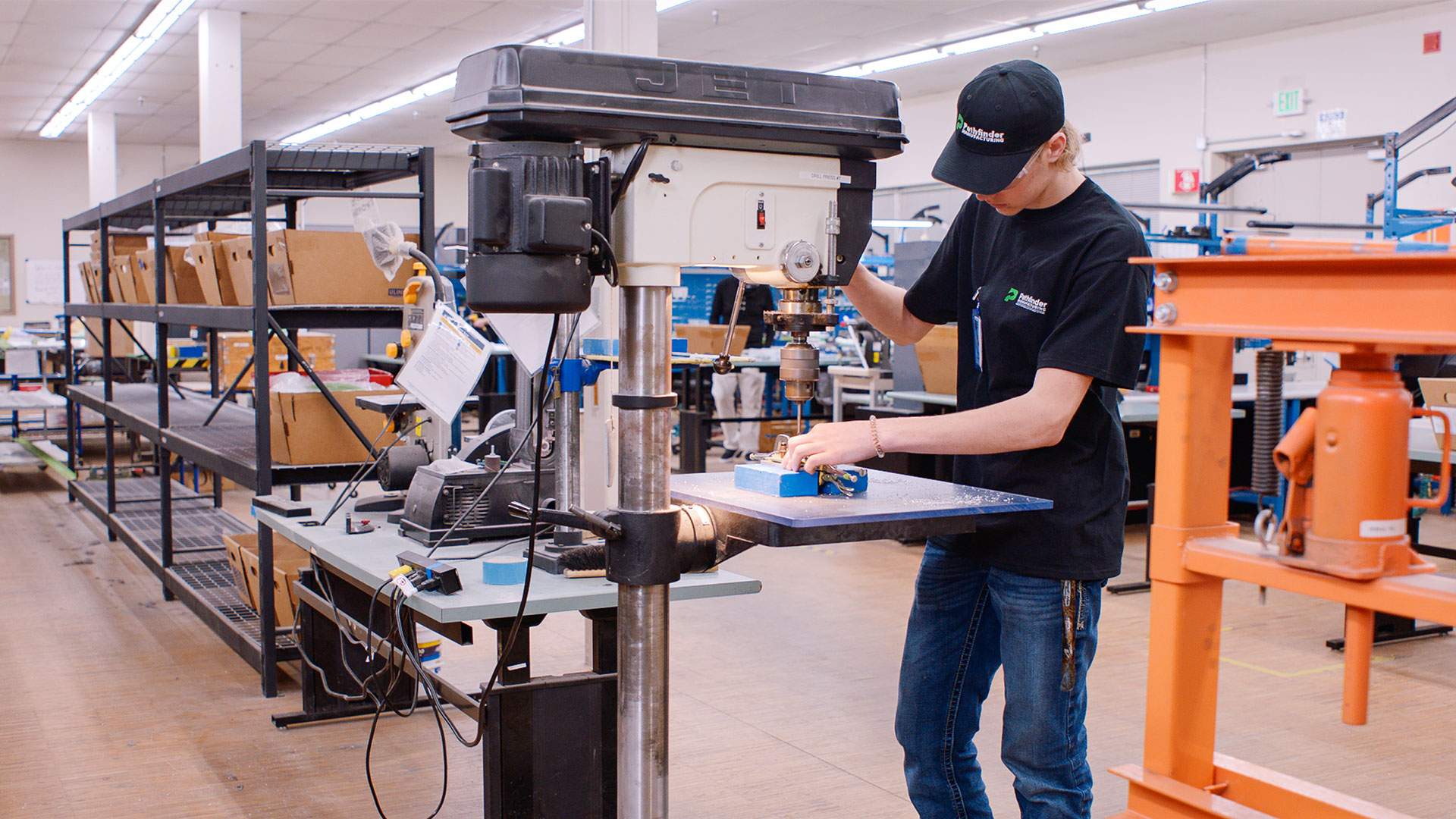
Material selection is a critical phase in professional sheet metal fabrication, directly influencing product performance, durability, and cost-efficiency. At Wuxi Lead Precision Machinery, we prioritize material compatibility with design intent, environmental exposure, and functional requirements. The most widely used materials in precision sheet metal fabrication are aluminum, steel, and titanium, each offering distinct mechanical and chemical properties suited to specific industrial applications.
Aluminum is favored for its excellent strength-to-weight ratio, corrosion resistance, and electrical conductivity. It is ideal for aerospace, transportation, and electronics enclosures where lightweight construction is paramount. Grade 6061-T6 is commonly selected for its weldability and machinability, while 5052-H32 offers superior formability for complex bends. Aluminum naturally forms a protective oxide layer, but for enhanced surface protection and aesthetic finish, anodizing is recommended. Anodizing increases surface hardness, improves wear resistance, and allows for color coding through dye integration.
Steel remains the backbone of industrial fabrication due to its high tensile strength and cost-effectiveness. Cold-rolled steel (CRS) provides tight dimensional tolerances and a smooth surface, making it suitable for precision components. Stainless steel, particularly grades 304 and 316, offers superior corrosion resistance. Grade 316 contains molybdenum, enhancing its performance in chloride-rich environments such as marine or chemical processing applications. While stainless steel does not typically require additional protective finishes, passivation is often applied to maximize its natural corrosion resistance.
Titanium stands at the pinnacle of performance materials, offering exceptional strength-to-density ratio and outstanding resistance to extreme temperatures and corrosive media. Grade 2 (commercially pure) and Grade 5 (Ti-6Al-4V) are most common in aerospace, medical, and defense applications. Despite higher material and processing costs, titanium’s longevity in harsh environments justifies its use where reliability is non-negotiable.
Surface finishing, particularly for aluminum, plays a vital role in both functionality and appearance. Anodizing is an electrochemical process that thickens the natural oxide layer, resulting in a durable, non-conductive surface. Type II anodizing (sulfuric acid anodizing) is standard for decorative and moderate protective needs, while Type III (hard anodizing) delivers a thicker, wear-resistant coating suitable for high-stress environments.
The following table summarizes key properties of commonly used materials in sheet metal fabrication:
| Material | Common Grades | Tensile Strength (MPa) | Density (g/cm³) | Key Applications | Typical Finishes |
|---|---|---|---|---|---|
| Aluminum | 6061-T6, 5052-H32 | 290–320 | 2.7 | Aerospace, electronics, transport | Anodizing, powder coating |
| Carbon Steel | CR1018, CR1020 | 370–440 | 7.85 | Industrial frames, enclosures | Paint, zinc plating |
| Stainless Steel | 304, 316 | 505–585 | 8.0 | Food processing, medical, marine | Passivation, brushed finish |
| Titanium | Grade 2, Grade 5 | 345–900 | 4.5 | Aerospace, defense, medical implants | Bare, anodized (color-coded) |
Selecting the appropriate material and finish ensures optimal performance across the product lifecycle. At Wuxi Lead Precision Machinery, we support clients in making informed decisions based on application demands, environmental conditions, and production scalability.
Manufacturing Process & QC
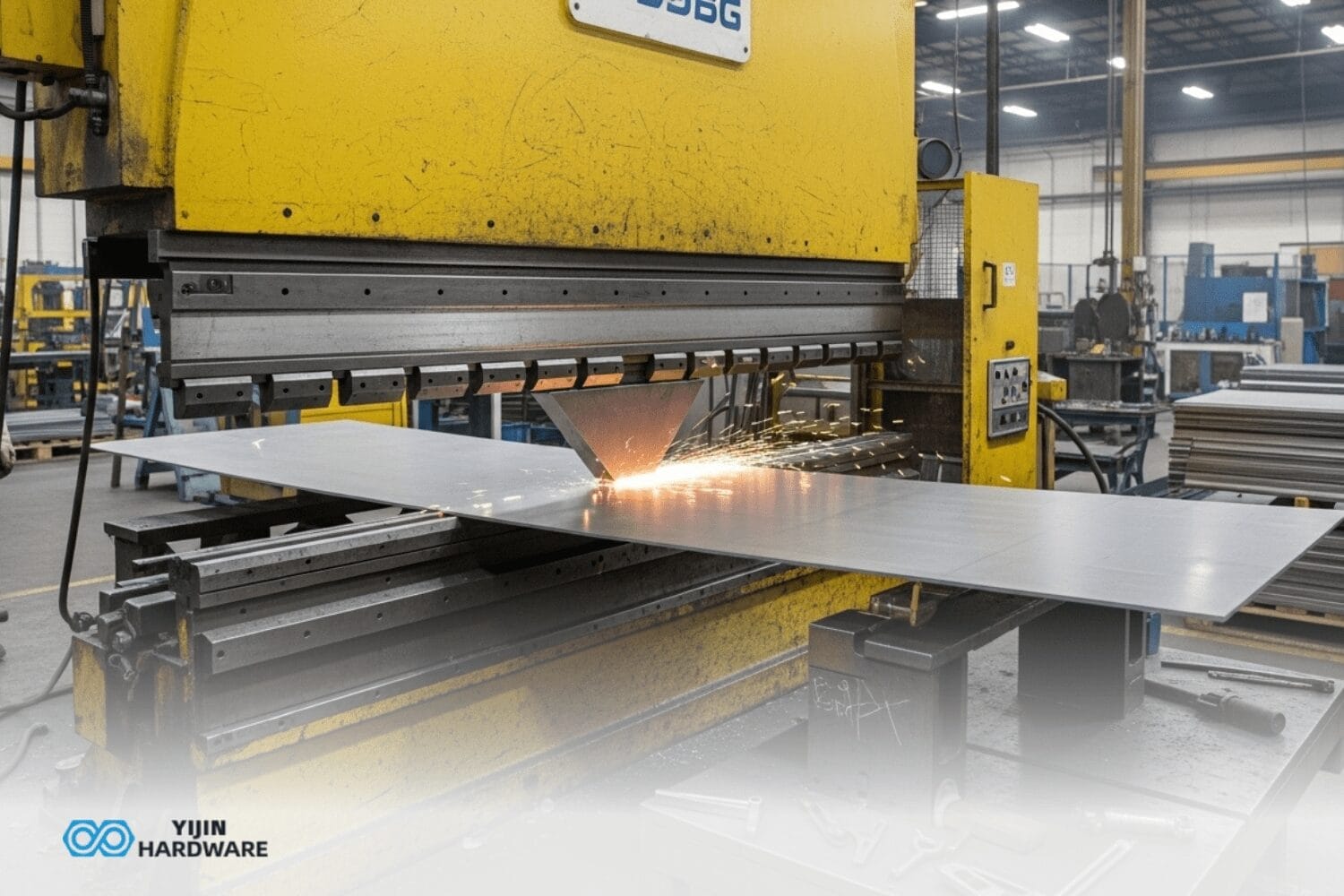
Sheet Metal Fabrication: Precision Production Process for Zero Defects
At Wuxi Lead Precision Machinery, we execute a rigorously controlled production sequence for professional sheet metal fabrication, engineered to deliver zero defects from concept to final shipment. This systematic approach ensures dimensional accuracy, functional integrity, and absolute compliance with client specifications, eliminating costly rework and delays in your supply chain.
The process commences with Design Validation & DFM Optimization. Our engineering team conducts comprehensive Design for Manufacturability analysis on all client CAD files. We scrutinize geometric complexity, material suitability, bend allowances, and potential tolerance stack-ups. Utilizing advanced simulation software, we identify and resolve manufacturability conflicts before any material is cut. This phase includes explicit client sign-off on the optimized manufacturing drawing, establishing the single source of truth for all subsequent stages. Material certification and traceability protocols are initiated here, ensuring grade and mechanical properties meet exact requirements.
Precision Prototyping follows design validation, serving as the critical physical verification step. We fabricate initial units using the identical processes, tooling, and quality controls planned for mass production. This prototype undergoes rigorous dimensional inspection via CMM and functional testing against the approved specification. Any deviations trigger immediate root cause analysis and process refinement. Client approval of the prototype is mandatory before scaling, confirming form, fit, function, and surface finish. This stage mitigates 95% of potential production issues, safeguarding your timeline and budget.
Zero-Defect Mass Production leverages our fully integrated manufacturing cells. Laser cutting, CNC punching, precision bending, and welding are executed on state-of-the-art equipment calibrated daily. Real-time in-process inspection occurs at defined control points: laser cut edges are verified for kerf width and taper, bend angles are measured after each operation, and weld penetration is monitored. Statistical Process Control (SPC) data streams continuously to our central quality dashboard, enabling predictive adjustments. Final inspection encompasses 100% critical dimension checks and AQL sampling for non-critical features, documented in a comprehensive First Article Inspection Report. Traceability links every component to its material lot, machine parameters, and operator.
This closed-loop system, governed by ISO 9001:2015 and IATF 16949 standards, transforms the zero-defect objective from aspiration to operational reality. We partner with you to ensure your sheet metal components perform flawlessly in assembly and throughout their service life.
Wuxi Lead Precision Sheet Metal Capabilities
| Parameter | Specification Range | Precision Standard |
|---|---|---|
| Material Thickness | 0.5 mm – 6.0 mm | ±0.05 mm |
| Tolerance (Bending) | ±0.1° | ±0.05° (Critical) |
| Tolerance (Cutting) | ±0.1 mm | ±0.05 mm (Critical) |
| Max. Part Size | 3000 mm x 1500 mm | – |
| Surface Finish | Ra 0.8 μm (As-Built) | Ra 0.4 μm (Optional) |
| Material Types | SS304/316, AL5052/6061, SPCC, SGCC | Certified to ASTM/JIS |
Why Choose Wuxi Lead Precision
Partner with Lead Precision for Unmatched Sheet Metal Fabrication Excellence
At Wuxi Lead Precision Machinery, we understand that in high-performance manufacturing, precision, consistency, and reliability are non-negotiable. As a global leader in advanced sheet metal fabrication, we deliver engineered solutions that meet the exacting standards of aerospace, automotive, energy, and industrial equipment sectors. Our commitment is not just to meet your specifications—but to exceed them, every time.
When you partner with Lead Precision, you gain access to a vertically integrated manufacturing ecosystem backed by over 15 years of technical expertise. Our facility in Wuxi, China, spans 20,000 square meters and operates under ISO 9001 and IATF 16949 certifications, ensuring every process—from laser cutting to CNC bending and robotic welding—is executed with uncompromising quality control. We specialize in low-to-mid volume production runs with rapid turnaround, making us the ideal partner for prototyping, pilot batches, and scalable series manufacturing.
Our engineering team works collaboratively with clients to optimize designs for manufacturability, reducing material waste and assembly time while enhancing structural integrity. Whether you’re working with stainless steel, aluminum, mild steel, or specialty alloys, our advanced machinery ensures micron-level accuracy across complex geometries. From flat blanking to fully assembled sub-units, we manage every stage in-house, minimizing supply chain risk and ensuring end-to-end traceability.
What sets us apart is our investment in next-generation technology combined with a customer-first approach. We utilize fiber laser cutting systems with automated material handling, high-tonnage press brakes with adaptive tooling, and real-time metrology via CMM and 3D scanning. This technological foundation enables us to maintain tight tolerances and deliver components that integrate seamlessly into your final assembly.
We invite global manufacturers to experience the Lead Precision difference—where engineering precision meets operational agility. Whether you require a single prototype or a recurring production order, our team is ready to support your goals with responsive communication, on-time delivery, and consistent quality.
Contact us today to begin your next project. Send your RFQs, technical drawings, or material specifications to [email protected]. Our engineering staff responds within 12 business hours and provides detailed feedback on design optimization, lead times, and cost-saving opportunities. Let us become an extension of your manufacturing team.
| Specification | Capability |
|---|---|
| Material Thickness Range | 0.5 mm – 25 mm |
| Max Laser Cutting Area | 4000 mm × 2000 mm |
| CNC Bending Capacity | Up to 300 tons, 6-meter bed length |
| Tolerances | ±0.1 mm (standard), ±0.05 mm (precision) |
| Welding Processes | MIG, TIG, Spot, Robotic Pulsed Arc |
| Surface Treatments | Powder Coating, Anodizing, Passivation, Zinc Plating |
| Industries Served | Aerospace, Automotive, Energy, Medical, Industrial Equipment |
Reach out now. Partner with precision. Build with confidence.
⚙️ Precision Cost Estimator
Estimate relative manufacturing effort based on tolerance.