

Technical Contents
Engineering Guide: Precision Cnc Milling Machine
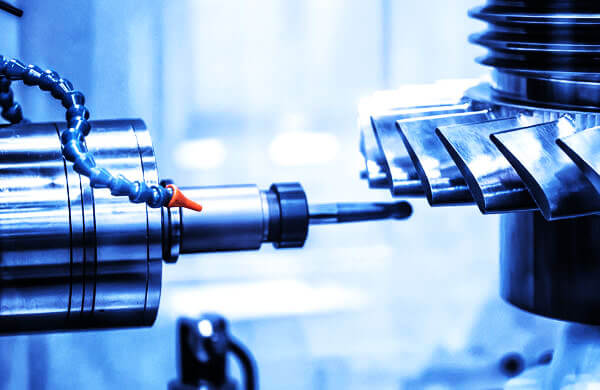
Engineering Insight Precision CNC Milling Machine
Precision in CNC milling transcends mere dimensional accuracy; it defines the functional integrity, performance, and longevity of critical components across aerospace, medical, energy, and advanced industrial sectors. At Wuxi Lead Precision Machinery, we understand that sub-micron deviations are not tolerances but fundamental requirements. Modern manufacturing demands components that interact flawlessly within complex assemblies under extreme conditions. Inadequate precision directly translates to premature wear, system failure, safety hazards, and significant financial losses through scrap, rework, and production downtime. The pursuit of true precision requires an integrated approach encompassing ultra-stable machine construction, advanced thermal management, sophisticated motion control systems, and rigorous calibration protocols throughout the manufacturing process.
The consequences of insufficient precision are severe. In aerospace turbine engines, a micron-level error in blade geometry can disrupt airflow dynamics, drastically reducing efficiency and thrust. Medical implant components demand surface finishes and geometries within strict biocompatibility limits; deviations compromise patient safety and device function. Even in high-volume automotive production, inconsistent part dimensions halt assembly lines, incurring massive operational costs. Precision is not an isolated machine specification but the cornerstone of reliability, performance, and total cost of ownership. It enables tighter integration, higher operating efficiencies, and extended service life for the end product.
Wuxi Lead Precision Machinery has honed its expertise in delivering uncompromising precision through decades of solving the most demanding manufacturing challenges. Our engineering team possesses deep, hands-on experience developing and producing components where failure is not an option. This includes critical subsystems for Olympic Games timing and scoring systems, where nanosecond accuracy and absolute reliability are mandated under intense global scrutiny. Similarly, we consistently meet the stringent requirements of military and aerospace programs, producing mission-critical structural and propulsion components that operate in the harshest environments. This heritage instills a culture of zero-defect manufacturing and continuous process refinement within our facility.
Achieving this level of performance requires machines engineered beyond standard specifications. Our high-end precision CNC milling centers incorporate features specifically designed to minimize error sources. The table below outlines critical specifications defining true precision capability:
| Specification | Performance Level | Significance |
|---|---|---|
| Linear Positioning Accuracy (X/Y/Z) | ±2 µm | Ensures absolute dimensional correctness |
| Linear Repeatability (X/Y/Z) | ±1 µm | Guarantees consistent results over time |
| Spindle Radial Runout (at nose) | ≤ 1 µm | Critical for fine surface finishes & hole geometry |
| Volumetric Compensation | ISO 230-6 Certified | Corrects geometric errors across full travel |
| Thermal Compensation System | Multi-point, real-time | Mitigates drift from ambient & process heat |
| Machine Base Material | Mineral Cast (Epoxy Granite) | Provides superior damping & thermal stability |
Precision is the non-negotiable foundation of advanced manufacturing. Wuxi Lead Precision Machinery leverages its proven experience in Olympic and defense-critical applications to deliver CNC milling solutions where micron-level consistency is standard. We partner with clients to transform design intent into reality, ensuring components meet the exacting demands of tomorrow’s engineering challenges through uncompromising machine capability and process mastery. This commitment to precision delivers tangible competitive advantage through enhanced product performance and reduced lifecycle costs.
Precision Specs & Tolerances
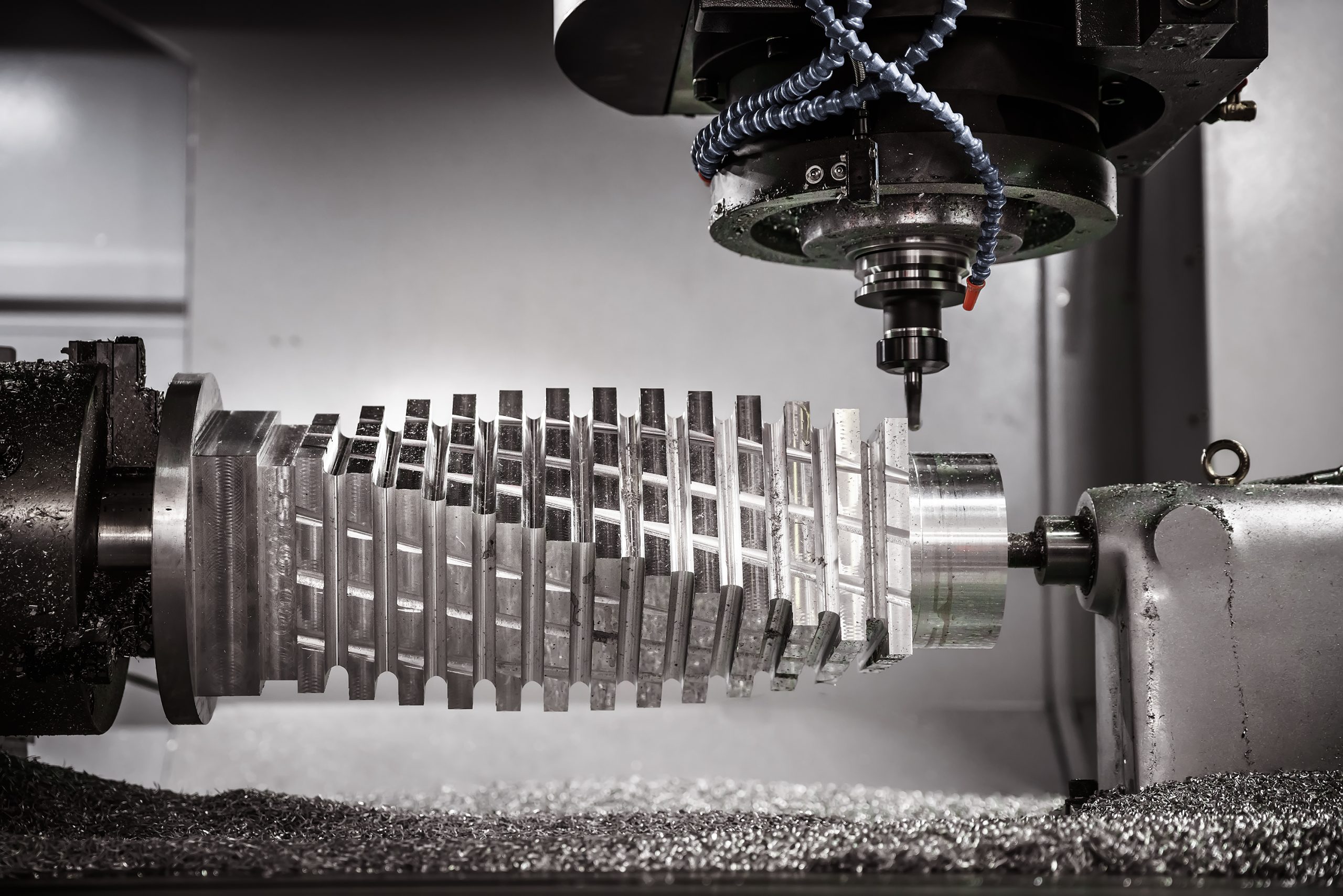
Wuxi Lead Precision Machinery delivers advanced technical capabilities in precision CNC milling, anchored by state-of-the-art 5-axis CNC machining centers and rigorous quality control protocols. Our manufacturing infrastructure is engineered to support complex, high-integrity components across aerospace, medical, energy, and industrial automation sectors. The integration of 5-axis simultaneous machining enables us to achieve geometric complexity and surface accuracy unattainable with conventional 3-axis systems. With rotational and linear axes operating in perfect synchronization, we reduce part handling, minimize cumulative tolerances, and ensure superior dimensional consistency across production runs.
Our 5-axis CNC platforms are equipped with high-speed spindles, dynamic tool compensation, and real-time vibration monitoring, allowing for precise material removal in titanium, Inconel, aluminum alloys, and engineered plastics. Advanced CAD/CAM software drives optimized toolpath generation, ensuring smooth contouring and fine surface finishes. This capability is particularly critical for components requiring organic shapes, deep cavities, or compound angles—such as turbine blades, impellers, and surgical instrument housings.
Quality assurance is embedded at every stage of production. All machined parts undergo comprehensive inspection via Coordinate Measuring Machines (CMM) using Renishaw probing systems and PC-DMIS software. These systems deliver micron-level verification of critical dimensions, positional tolerances, and geometric features. In addition to post-process inspection, we implement in-process gaging and statistical process control (SPC) to detect and correct deviations in real time. This proactive approach ensures compliance with ISO 9001 and AS9100 standards, as well as customer-specific quality requirements.
The table below outlines the technical tolerances consistently achieved across our precision CNC milling operations:
| Feature | Standard Capability | Tight Tolerance Option | Measurement Method |
|---|---|---|---|
| Linear Dimensions | ±0.005 mm | ±0.002 mm | CMM, Micrometers |
| Geometric Tolerances (GD&T) | ±0.01 mm (Position, Flatness, etc.) | ±0.005 mm | CMM, Optical Comparator |
| Surface Roughness (Ra) | 0.8 µm | 0.4 µm | Surface Roughness Tester |
| Angular Accuracy | ±0.05° | ±0.02° | CMM, Precision Sine Plate |
| Hole Concentricity | 0.01 mm | 0.005 mm | CMM, Bore Gauges |
| Repeatability (Cp/Cpk ≥ 1.67) | 5-axis process capability | Full SPC monitored | Statistical Analysis |
These specifications reflect our commitment to precision, repeatability, and traceability. Every component is accompanied by a full inspection report, and raw material certifications are maintained in our digital quality log. Wuxi Lead Precision Machinery combines cutting-edge 5-axis technology with disciplined quality engineering to deliver components that meet the most demanding performance criteria in high-reliability industries.
Material & Finish Options
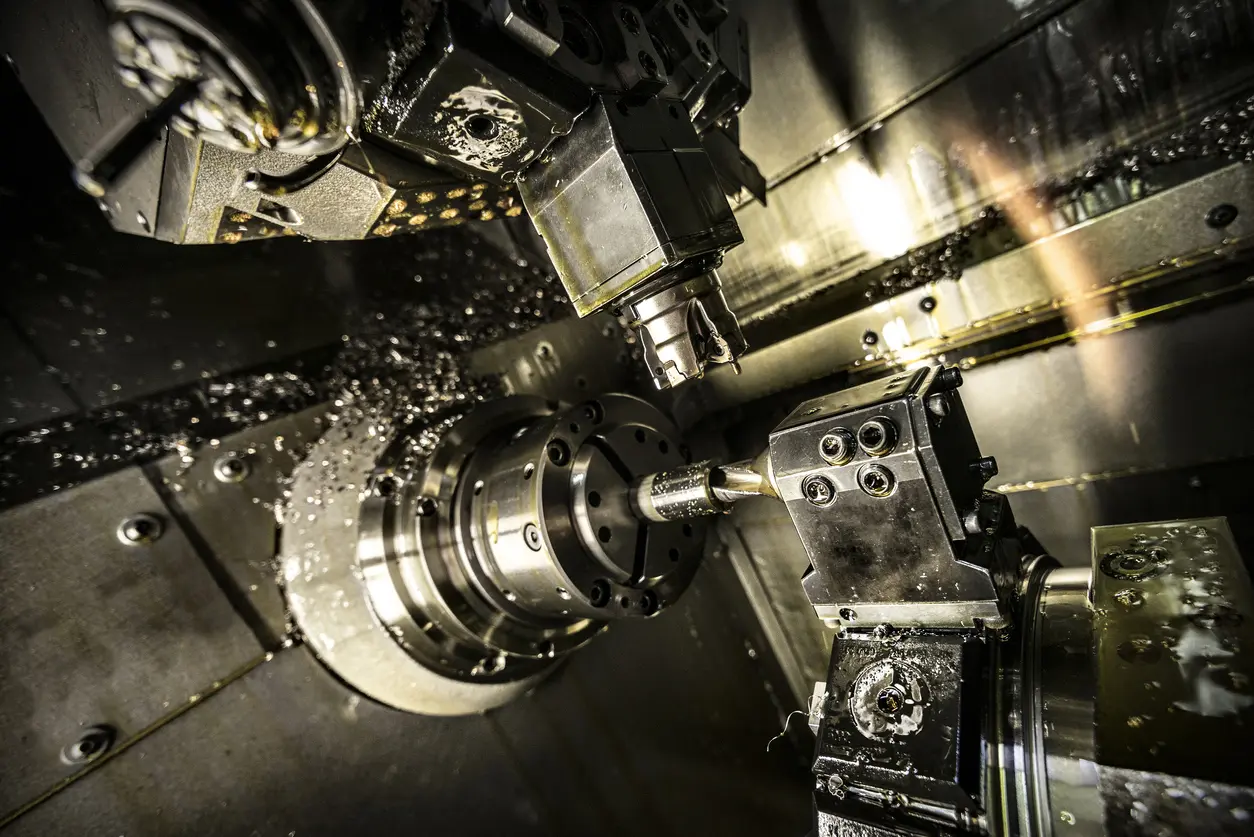
Material Selection for Precision CNC Milling: Aluminum, Steel, Titanium & Anodizing
Selecting the optimal material is critical for achieving precision, durability, and cost efficiency in CNC-milled components. At Wuxi Lead Precision Machinery, our engineering team observes that misaligned material choices directly impact tool wear, cycle time, and final part integrity. This guide focuses on three foundational metals—aluminum, steel, and titanium—and clarifies anodizing as a finish exclusive to aluminum alloys. Understanding their properties ensures your design aligns with manufacturability and performance demands.
Aluminum alloys, particularly 6061-T6 and 7075-T6, dominate aerospace and electronics due to their high strength-to-weight ratio and excellent machinability. Aluminum dissipates heat rapidly during milling, reducing thermal deformation risks and enabling tighter tolerances. Its lower density minimizes tool stress, allowing aggressive feed rates without compromising surface finish. However, aluminum’s softness requires sharp carbide tools to prevent built-up edge and burring. For structural brackets or heat sinks, aluminum delivers unmatched efficiency where weight reduction is non-negotiable.
Steel, especially 4140 and 17-4PH stainless, is indispensable for high-stress applications like hydraulic manifolds or tooling fixtures. Its superior hardness and wear resistance ensure longevity under load, but this comes at a machining cost. Steel generates significant heat and tool friction, necessitating rigid setups, lower spindle speeds, and specialized coatings to combat work hardening. While 303 stainless improves machinability, it sacrifices corrosion resistance; 316 stainless offers better chemical resilience but demands meticulous coolant management. Steel remains the default for load-bearing industrial components where deformation cannot be tolerated.
Titanium Grade 5 (Ti-6Al-4V) is the aerospace and medical implant standard, prized for biocompatibility and strength at extreme temperatures. Yet its low thermal conductivity traps heat in the cutting zone, accelerating tool wear and risking micro-cracking. Milling titanium requires high-precision spindles, rigid clamping, and conservative depths of cut to avoid galling. Despite its cost and machining complexity, titanium’s fatigue resistance justifies its use in critical, high-value assemblies.
Anodizing is a surface treatment exclusively for aluminum, enhancing corrosion resistance and wear properties. Type II (sulfuric acid) anodizing provides standard protection with dye options for identification, while Type III (hardcoat) delivers thicker, harder layers for abrasive environments. Crucially, anodizing cannot be applied to steel or titanium—these require alternatives like nitriding or plasma electrolytic oxidation. Always specify anodizing after CNC machining, as the process adds micron-level dimensional changes.
Material Comparison for Precision CNC Milling
| Property | Aluminum 6061-T6 | Steel 4140 | Titanium Grade 5 |
|---|---|---|---|
| Thermal Conductivity (W/m·K) | 167 | 48 | 7.2 |
| Machinability Rating (%) | 90-100 | 65 | 20-30 |
| Typical Tolerance (±mm) | 0.025 | 0.012 | 0.025 |
| Common Applications | Enclosures, heat sinks | Shafts, tooling | Aircraft frames, implants |
Material choice must balance performance requirements against CNC process economics. Aluminum optimizes speed and cost for non-structural parts; steel delivers rugged reliability for industrial systems; titanium serves mission-critical roles despite machining challenges. Partner with Wuxi Lead’s application engineers early to validate material suitability—we integrate material science with precision machining to eliminate costly revisions. Your design’s success begins with the right alloy on the machine bed.
Manufacturing Process & QC
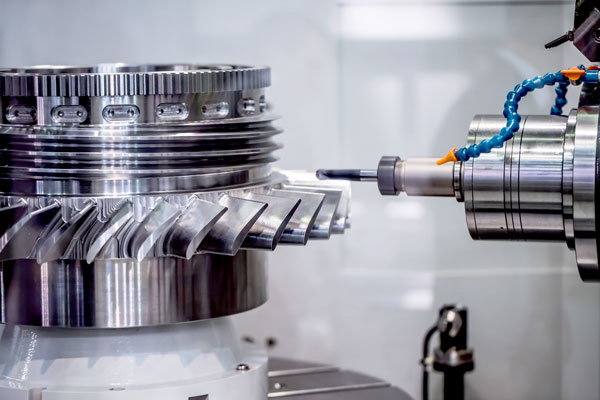
The production process for precision CNC milling machines at Wuxi Lead Precision Machinery follows a rigorously controlled sequence: Design, Prototyping, and Mass Production. Each phase is engineered to ensure zero defects, superior repeatability, and compliance with international quality standards. Our methodology integrates advanced simulation, real-time monitoring, and full traceability to deliver machines that meet the exacting demands of high-end manufacturing sectors such as aerospace, medical device production, and automotive R&D.
Design begins with a comprehensive analysis of customer requirements, material specifications, and operational environments. Our engineering team utilizes 3D CAD/CAM software and finite element analysis (FEA) to model machine architecture, optimize structural rigidity, and simulate thermal and dynamic behavior. This virtual prototyping phase identifies potential stress points, vibration modes, and thermal drift, allowing for preemptive correction before any metal is cut. Design for manufacturability (DFM) principles are applied throughout to ensure precision, serviceability, and long-term reliability.
Once the design is validated, we proceed to physical prototyping. A single-unit build is executed under full production conditions using our own CNC milling platforms. This prototype undergoes a battery of performance tests, including positional accuracy verification (via laser interferometry), spindle runout measurement, and surface finish evaluation on test workpieces. All critical components—linear guides, ball screws, spindles, and control systems—are sourced from certified global suppliers and logged in our digital quality management system. Feedback from prototype testing is used to refine toolpaths, fixturing, and assembly procedures, ensuring the design is fully optimized before scaling.
Mass production is conducted in a climate-controlled facility with strict adherence to ISO 9001 protocols. Each machine is assembled on anti-vibration granite tables by certified technicians, with torque values, alignment tolerances, and electrical connections digitally recorded at every step. In-process inspections are conducted at key milestones, and final validation includes a 72-hour continuous dry run to verify thermal stability and control system integrity. Every unit is calibrated using a Renishaw QC20-W ballbar and laser measurement system to confirm volumetric accuracy.
Traceability is maintained through a serialized data log, enabling full auditability of components and process parameters. This closed-loop quality system ensures zero defects are possible—not as a target, but as a standard.
| Specification | Value |
|---|---|
| Positioning Accuracy | ±0.003 mm |
| Repeatability | ±0.002 mm |
| Spindle Speed Range | 8,000 – 24,000 rpm (optional up to 40,000 rpm) |
| Control System | Fanuc 31i-B5 / Siemens 840D sl (selectable) |
| Tool Magazine Capacity | 24T / 30T (ATC standard) |
| Rapid Traverse Rate | 60 m/min (X/Y/Z) |
| Surface Finish Capability | Ra ≤ 0.8 µm (on aluminum 6061) |
| Linear Guideway Type | THK/Hiwin Super-precision preloaded |
This end-to-end process ensures that every precision CNC milling machine delivered by Wuxi Lead meets the highest benchmarks in accuracy, durability, and performance.
Why Choose Wuxi Lead Precision
Partner with Lead Precision for Uncompromising CNC Milling Excellence
In high-stakes manufacturing sectors like aerospace, medical device production, and advanced energy systems, component precision is non-negotiable. Tolerances measured in microns directly impact product performance, safety, and regulatory compliance. Choosing the right CNC milling partner transcends equipment procurement; it demands a strategic alliance grounded in engineering rigor, process mastery, and unwavering commitment to your success. Wuxi Lead Precision Machinery exists to be that critical partner for forward-thinking manufacturers demanding the absolute pinnacle of precision and reliability.
Our engineering philosophy centers on eliminating variables that compromise quality. We design and build CNC milling machines not merely to meet specifications, but to consistently exceed the stringent demands of your most complex applications. This commitment manifests in thermal stability systems that maintain accuracy during extended production runs, rigid machine structures that resist deflection under heavy cutting loads, and integrated probing solutions ensuring first-part accuracy. We understand that machine uptime and process repeatability are as vital as raw positioning figures – your throughput and yield depend on it.
The technical foundation of our partnership is evident in the core specifications of our flagship precision milling platforms. These machines are engineered for the realities of high-mix, low-volume critical component production where every micron counts.
| Specification | Value | Significance for Your Production |
|---|---|---|
| Positioning Accuracy | ≤ ±1.5 µm (ISO 230-2) | Guarantees micron-level feature placement |
| Repeatability | ≤ ±0.8 µm (ISO 230-2) | Ensures consistent part quality batch after batch |
| Spindle Runout | ≤ 0.5 µm (at tool nose) | Critical for fine surface finishes and tight tolerances |
| Thermal Compensation | Active 3D System | Maintains accuracy despite ambient temperature shifts |
| Control System | Siemens 840D Solution Line | Provides robust, deterministic machining performance |
Partnering with Lead Precision means gaining access to more than just advanced machinery. Our dedicated application engineering team collaborates with you from the initial feasibility study through full production ramp-up. We analyze your specific part geometries, material challenges, and throughput requirements to configure the optimal machine solution and support process validation. This proactive engineering partnership minimizes risk, accelerates time-to-market, and directly contributes to reducing your scrap rates and total cost of ownership.
The pursuit of manufacturing excellence requires a partner who shares your commitment to precision and possesses the technical depth to deliver it consistently. Wuxi Lead Precision Machinery provides the advanced technology, engineering expertise, and responsive support infrastructure essential for navigating the complexities of modern high-precision CNC milling. Do not compromise on the foundation of your critical component production. Contact our engineering team today to discuss how Lead Precision can elevate your manufacturing capability.
Reach out to initiate a technical consultation. Email [email protected] to connect with our precision machining specialists and receive a detailed capability assessment tailored to your specific production challenges. Let us demonstrate how a partnership with Lead Precision delivers measurable improvements in quality, efficiency, and competitive advantage. Your next breakthrough in precision manufacturing starts with this conversation.
⚙️ Precision Cost Estimator
Estimate relative manufacturing effort based on tolerance.