Technical Contents
Engineering Guide: Powder Coated Sheet Metal
Engineering Insight: Precision as the Foundation of Powder Coated Sheet Metal Excellence
Precision in powder coated sheet metal fabrication is non-negotiable for mission-critical applications. Minor deviations in substrate preparation, dimensional accuracy, or coating application directly compromise corrosion resistance, adhesion, and long-term performance. At Wuxi Lead Precision Machinery, we treat powder coating not as a finishing step but as an integrated engineering process where tolerances measured in microns determine functional integrity. Surface imperfections exceeding 25μm—such as micro-burrs from laser cutting or inconsistent bending radii—create weak points for coating delamination under thermal cycling or mechanical stress. Similarly, uncontrolled powder film thickness leads to uneven curing, reduced chemical resistance, and premature failure in harsh environments.
Our engineering protocols address these risks at the source. CNC forming sequences are optimized to minimize residual stress in the substrate, ensuring flatness within ±0.1mm/m before coating. Robotic powder application systems maintain film thickness uniformity across complex geometries, critical for components exposed to UV degradation or salt spray. This rigor stems from direct experience delivering to sectors where failure is unacceptable. For the Beijing 2022 Winter Olympics infrastructure, we produced structural cladding panels requiring 1,000+ hour salt spray resistance (ASTM B117) with color consistency tolerances of ΔE <0.5. Military-grade communication enclosures we manufactured undergo accelerated life testing simulating 20 years of desert/coastal exposure, demanding adhesion ratings that exceed MIL-STD-810G specifications.
Such projects validate our integrated approach: precision fabrication enables precision coating. Tolerances controlled during bending and welding prevent post-coating warpage that would void warranties. Cleanroom-class pre-treatment lines eliminate particulate contamination that causes fisheyes or pinholes. Every process parameter—from phosphate conversion coating weight to oven dwell time—is traceable to ISO 9001-certified workflows. The result is not merely aesthetic perfection but engineered reliability where coating integrity directly impacts system lifespan.
Your reputation depends on components that perform identically in Year 10 as in Year 1. We ensure powder coated sheet metal meets this standard through engineering discipline, not侥幸.
Wuxi Lead Precision Machinery: Powder Coating Process Specifications
| Parameter | Standard Specification | Lead Precision Capability | Test Method |
|---|---|---|---|
| Film Thickness Tolerance | ±15μm | ±8μm | ISO 2808 |
| Adhesion Rating | Class 3 (ASTM D3359) | Class 5 (ASTM D3359) | Cross-Hatch Test |
| Salt Spray Resistance | 500 hours | 1,200+ hours | ASTM B117 |
| Gloss Variation (60°) | ±5 GU | ±2 GU | ASTM D523 |
| Curing Temperature Range | ±10°C | ±3°C | Real-Time Monitoring |
Precision coating begins long before the powder gun activates. It starts with engineered substrates, controlled environments, and data-driven validation—principles we deploy daily for global industrial leaders. Partner with us to transform sheet metal from a component into a certified asset.
Senior CNC Engineer & Sales Director
Wuxi Lead Precision Machinery
Precision Specs & Tolerances
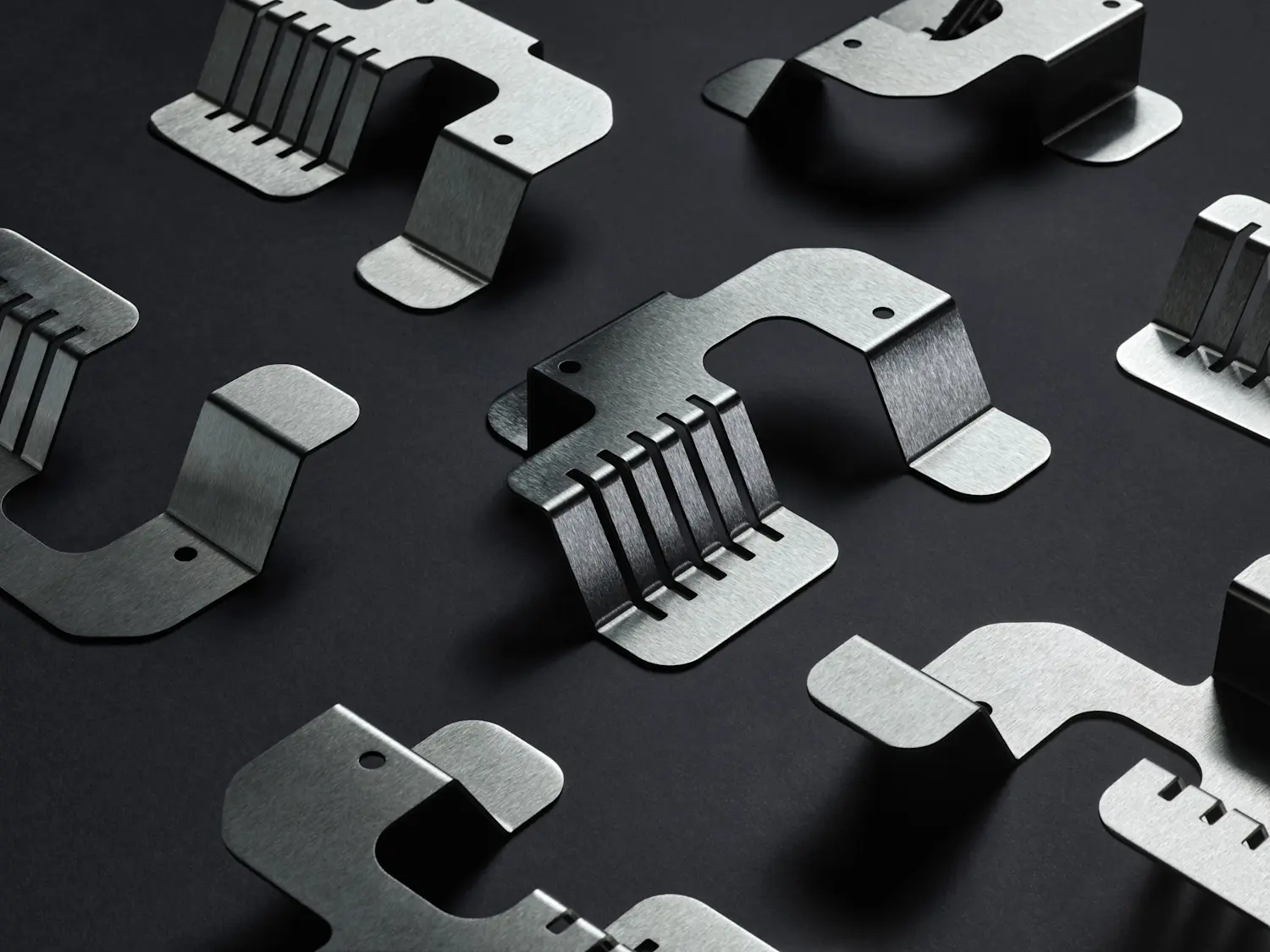
Wuxi Lead Precision Machinery delivers advanced sheet metal fabrication solutions for high-performance industrial applications, specializing in precision-manufactured components with powder coated finishes. Our technical capabilities integrate state-of-the-art 5-axis CNC machining with rigorous quality assurance protocols to ensure dimensional accuracy, structural integrity, and superior surface consistency across complex geometries. This level of precision is essential for clients in aerospace, medical equipment, automation, and high-end industrial machinery, where reliability and repeatability are non-negotiable.
At the core of our production capacity is a fleet of 5-axis CNC machining centers, enabling simultaneous multi-directional cutting and forming operations. This technology allows us to process sheet metal components with intricate contours, tight internal radii, and compound angles—features that are difficult or impossible to achieve with conventional 3-axis systems. The dynamic range of motion reduces the need for multiple setups, minimizing cumulative error and significantly improving throughput. Materials commonly processed include cold-rolled steel, aluminum alloys, stainless steel, and specialty metals, all compatible with downstream powder coating systems for enhanced durability and corrosion resistance.
All fabricated components undergo comprehensive dimensional verification using Coordinate Measuring Machine (CMM) inspection. Our CMM systems operate in temperature-controlled environments to eliminate thermal variance, ensuring measurement repeatability down to ±0.002 mm. Each inspection report is traceable and archived, supporting full compliance with ISO 9001 standards and customer-specific quality documentation requirements. This metrology-driven approach guarantees that every part conforms to design intent before surface treatment and final delivery.
To support engineering transparency and design-for-manufacturability, we provide standardized tolerance benchmarks across key fabrication stages. These values reflect our typical production capabilities under controlled conditions and serve as a reference for design validation.
| Process | Typical Tolerance | Notes |
|---|---|---|
| 5-Axis CNC Machining | ±0.01 mm | Applied to critical features; achieved with high-speed spindles and rigid fixturing |
| Sheet Metal Cutting | ±0.05 mm | Laser and CNC punching; material-dependent |
| Forming / Bending | ±0.1° angular, ±0.1 mm linear | For bends up to 3 mm thickness; adjusted for springback |
| Hole Positioning | ±0.08 mm | Relative to datum; verified via CMM |
| Overall Dimensional | ±0.2 mm | For parts up to 600 mm; scales with size |
| Powder Coating Thickness | 60–90 μm | Uniform coverage; adhesion tested per ASTM D3359 |
Our integrated workflow—from CNC fabrication through CMM validation to final powder coating—ensures that every component meets the highest standards of precision and finish. Wuxi Lead Precision Machinery is committed to delivering technically superior sheet metal solutions that support innovation and performance in demanding industrial environments.
Material & Finish Options
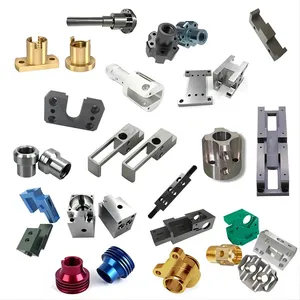
Material Selection for Powder Coated Sheet Metal Fabrication
Selecting the optimal base material is foundational for successful powder coated sheet metal components. At Wuxi Lead Precision Machinery, our production experience shows that matching substrate properties to the application environment and functional requirements directly impacts coating adhesion, durability, and final part performance. This guide details key considerations for aluminum, steel, and titanium substrates destined for powder coating, alongside the distinct role of anodizing.
Aluminum Alloys offer an excellent strength-to-weight ratio and inherent corrosion resistance, making them prevalent in aerospace, electronics, and architectural applications. Common grades like 5052-H32 and 6061-T6 provide good formability and weldability. Aluminum readily accepts powder coating after proper chemical pretreatment (typically chromate or non-chromate conversion coating) to ensure adhesion. Its natural oxide layer requires this step; skipping it risks premature coating failure. Note that anodizing is a separate, electrolytic finish only applicable to aluminum, creating a hard, porous oxide layer that can be dyed but is distinct from powder coating. Anodized surfaces generally require specialized primers before powder application.
Carbon and Galvanized Steel remains the workhorse for structural and industrial enclosures due to its high strength and cost-effectiveness. Cold-rolled steel (CRS) provides a smooth surface ideal for precise forming and consistent coating. Galvanized steel (G90, G60) offers superior corrosion resistance from the zinc layer, crucial for outdoor applications. Both require rigorous surface preparation – abrasive blasting or chemical cleaning followed by iron phosphate or zinc phosphate conversion coating – to remove mill scale, oils, and ensure the powder bonds effectively to the metal substrate. Powder coating significantly enhances the corrosion protection of steel substrates.
Titanium is specified for extreme environments demanding exceptional strength, corrosion resistance (especially to chlorides and acids), and high-temperature stability, common in aerospace and chemical processing. Grade 2 (commercially pure) is the most formable. Titanium’s tenacious oxide layer necessitates specialized, aggressive pretreatment processes like grit blasting with specific media or specialized chemical etching before powder coating can achieve reliable adhesion. Material cost and fabrication complexity are significantly higher than aluminum or steel.
Understanding substrate-coating interaction is critical. The following table summarizes key material specifications relevant to powder coating success:
| Material Type | Common Alloys/Grades | Typical Thickness Range (mm) | Powder Coating Compatibility | Key Consideration for Coating |
|---|---|---|---|---|
| Aluminum | 5052-H32, 6061-T6 | 0.5 – 6.0 | Excellent (with pretreatment) | Requires conversion coating; anodizing is separate |
| Carbon Steel | CRS 1008, 1010 | 0.8 – 12.0 | Excellent (with pretreatment) | Phosphate conversion essential; susceptible to rust |
| Galvanized Steel | G60, G90 | 0.5 – 6.0 | Very Good (with pretreatment) | Zinc layer protects; requires specific pretreatment |
| Titanium | Grade 2 | 0.5 – 6.0 | Good (with specialized prep) | Aggressive pretreatment mandatory; high cost |
Choosing the right base material involves balancing mechanical needs, environmental exposure, lifecycle cost, and manufacturability. Wuxi Lead Precision Machinery leverages decades of CNC fabrication and finishing expertise to advise clients on the optimal substrate-preparation-coating combination. We rigorously validate surface preparation protocols for each material to guarantee the powder coating delivers its full protective and aesthetic potential, ensuring your components meet the highest standards of performance and longevity in demanding industrial applications. Consult our engineering team early in the design phase for material-specific guidance.
Manufacturing Process & QC
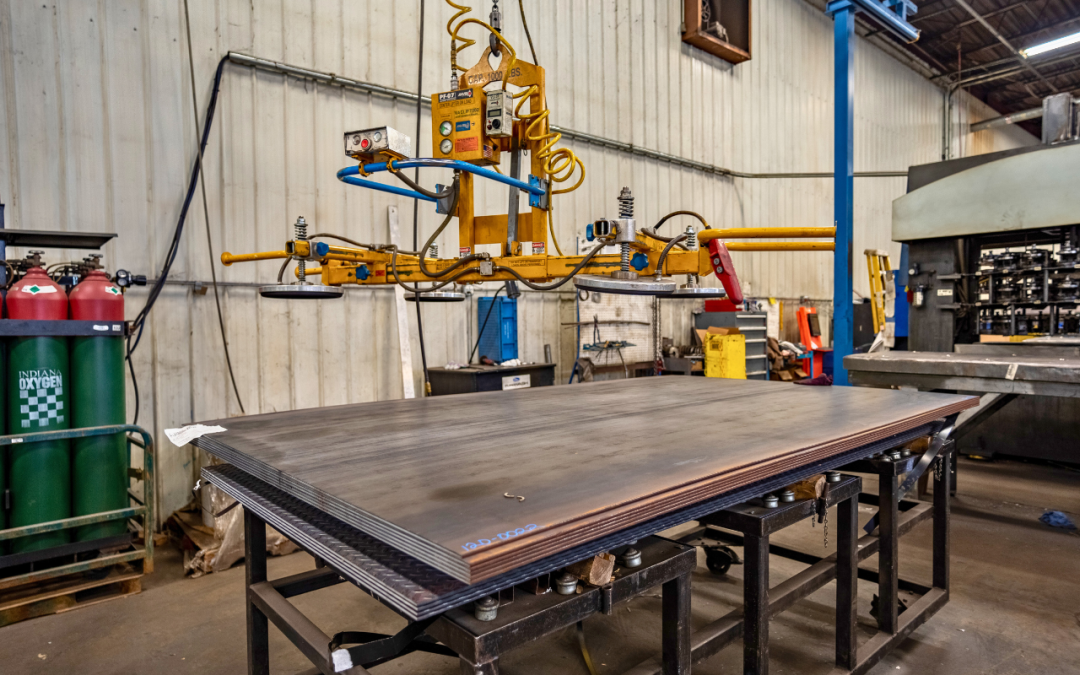
Design: Precision Engineering at the Foundation
The production process for powder coated sheet metal begins with meticulous design engineering, where form, function, and manufacturability converge. At Wuxi Lead Precision Machinery, our engineering team utilizes advanced CAD/CAM software to develop 3D models that adhere strictly to client specifications and industry standards. Design for Manufacturability (DFM) principles are applied from the outset to ensure every component can be efficiently fabricated, assembled, and finished without compromise. Material selection, thickness tolerances, bend allowances, and weld accessibility are optimized during this phase to eliminate potential defects before metal is cut. Thermal expansion characteristics and coating adhesion requirements are also factored into the design to support the downstream powder coating process.
Prototyping: Validating Performance and Fit
Once the design is finalized, a high-fidelity prototype is produced under controlled conditions that mirror full-scale production. This stage serves as a critical validation checkpoint. The prototype undergoes comprehensive dimensional inspection using coordinate measuring machines (CMM) and 3D scanning to verify geometric accuracy within ±0.1 mm. Functional testing, including fitment trials and environmental exposure simulations, confirms performance under real-world conditions. Any discrepancies are analyzed through root cause evaluation, and design or process adjustments are implemented before progression. Powder coating trials are conducted on prototype units to assess finish quality, color consistency, and adhesion strength, ensuring the final product meets both aesthetic and protective requirements.
Mass Production: Zero Defects Through Process Control
With prototype approval, the project transitions to mass production, where Wuxi Lead enforces a zero-defect manufacturing philosophy. Automated laser cutting, CNC punching, and precision bending ensure repeatable accuracy across high-volume runs. Each stage is integrated with in-process quality checks, including first-article inspection and statistical process control (SPC) monitoring. Components are deburred, cleaned, and pretreated using iron phosphate or zinc phosphate systems to maximize powder coating adhesion. The powder coating application employs electrostatic spray deposition with computer-controlled parameters, followed by curing in convection ovens at precisely regulated temperatures. Final inspection includes coating thickness verification, salt spray testing (per ASTM B117), and visual examination under standardized lighting.
The following table outlines key production specifications maintained throughout the process:
| Parameter | Specification | Standard/Method |
|---|---|---|
| Material Thickness Range | 0.5 – 6.0 mm | ASTM A653, AISI 304/316, SPCC |
| Dimensional Tolerance | ±0.1 mm (critical features) | ISO 2768-m |
| Bend Tolerance | ±0.5° | ISO 2768 |
| Coating Thickness | 60 – 120 µm | ASTM D7091 |
| Adhesion Rating | 0–1 (Cross-Hatch Test) | ASTM D3359 |
| Salt Spray Resistance | ≥500 hours (no red rust) | ASTM B117 |
| Surface Roughness (post-coat) | Ra ≤ 3.2 µm | ISO 4287 |
Through integrated design validation, rigorous prototyping, and disciplined mass production, Wuxi Lead Precision Machinery delivers powder coated sheet metal components with uncompromised quality, durability, and consistency.
Why Choose Wuxi Lead Precision
Partner with Lead Precision for Uncompromising Powder Coated Sheet Metal Excellence
In high-stakes industrial applications, powder coated sheet metal components demand more than surface aesthetics. They require dimensional integrity, environmental resilience, and absolute process consistency—where tolerances measured in microns dictate operational success. At Wuxi Lead Precision Machinery, we engineer powder coated solutions that eliminate field failures and accelerate your time-to-market. Our vertically integrated facility in Wuxi, China, merges German-caliber CNC fabrication with ISO 9001-certified powder coating processes, ensuring every part meets aerospace and medical-grade standards. We do not merely apply coatings; we validate material adhesion, corrosion resistance, and thermal stability through rigorous in-house testing protocols, including 1,000-hour salt spray validation per ASTM B117.
Unlike conventional suppliers, Lead Precision controls the entire value chain—from laser cutting and precision bending to multi-stage pretreatment and electrostatic powder application. This eliminates third-party variables that cause color drift, edge coverage defects, or adhesion failures. Our automated coating lines utilize AkzoNobel and PPG formulations, supporting matte, gloss, and textured finishes up to 120μm thickness with ±5μm uniformity. Critically, our CNC bending cells achieve ±0.05mm angular accuracy before coating, preventing post-fabrication warpage that compromises finish quality. When your project requires zero-defect delivery for energy infrastructure, EV chassis, or semiconductor enclosures, our process guarantees repeatability across 10,000+ unit runs.
Technical Capabilities for Mission-Critical Components
| Process Stage | Specification Range | Quality Assurance Method |
|---|---|---|
| Material Thickness | 0.5mm – 6.0mm (Steel/Aluminum/Stainless) | Laser micrometer verification |
| Bending Tolerance | ±0.05° angular / ±0.1mm linear | CMM inspection per ISO 2768-mK |
| Coating Thickness | 60μm – 120μm (customizable) | Elcometer 456 magnetic induction gauge |
| Adhesion Rating | 5B (ASTM D3359) | Cross-hatch tape testing |
| Salt Spray Resistance | 1,000+ hours (5% NaCl, 35°C) | ASTM B117 accelerated corrosion test |
Partnering with Lead Precision mitigates your supply chain risks through real-time production transparency. You receive digital process validation reports at each milestone—from flat pattern nesting to final cure—via our secure client portal. Our engineering team collaborates pre-PO to optimize designs for manufacturability, reducing material waste by 18% on average while enhancing coating performance. For global OEMs, we maintain bonded warehouse inventory in Rotterdam and Los Angeles, ensuring 72-hour emergency shipment readiness without air freight premiums.
The cost of coating defects extends far beyond rework—it erodes brand trust and incurs recall liabilities. Let Lead Precision become your single-source solution for powder coated sheet metal that performs relentlessly in extreme environments. Contact our technical sales team today to request a precision audit of your current components. We will identify hidden cost drivers in your supply chain and deliver a validated production quote within 48 hours.
Email [email protected] to initiate your project. Include your component drawings and performance requirements for immediate engineering feedback. Our CNC and coating specialists stand ready to elevate your manufacturing outcomes—where precision isn’t promised, it’s proven.
⚙️ Precision Cost Estimator
Estimate relative manufacturing effort based on tolerance.