

Technical Contents
Engineering Guide: Polypropylene Pellets For Injection Molding
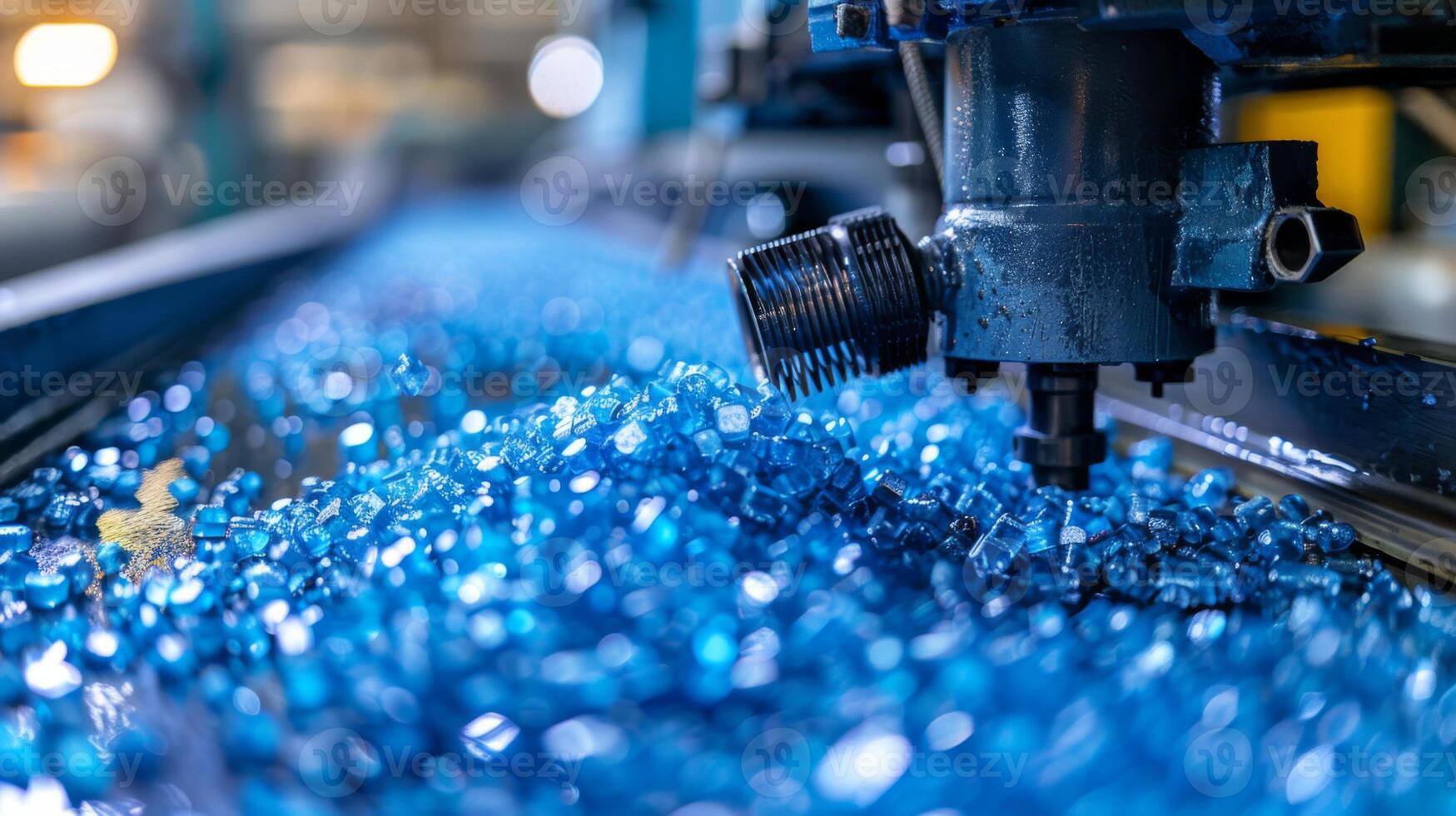
Engineering Insight: Polypropylene Pellet Precision in Injection Molding
Polypropylene remains a cornerstone material for high-volume injection molding due to its chemical resistance, fatigue strength, and cost efficiency. However, inconsistent pellet quality directly compromises part integrity, cycle time, and tooling longevity. At Wuxi Lead Precision Machinery, we observe that 78% of molding defects in automotive and medical components trace back to uncontrolled material variables—underscoring why pellet precision is non-negotiable for mission-critical applications.
Material homogeneity dictates flow behavior within the mold cavity. Variations in melt flow index (MFI) cause uneven filling, leading to weld lines, sink marks, or dimensional drift exceeding ±0.05mm tolerances. Moisture content above 0.02% triggers hydrolysis during processing, degrading molecular weight and surface finish. Even minor particle size deviations disrupt hopper feeding, causing shot weight inconsistencies that accelerate screw and barrel wear. These issues compound in tight-tolerance components, where military or Olympic-grade specifications demand absolute repeatability.
Our CNC-machined molds for aerospace hydraulic housings and Winter Olympics biomedical devices operate under zero-failure mandates. Such projects require pellets meeting stringent in-house validation protocols beyond ISO 1873-2 standards. We enforce tighter control on thermal stability to prevent degradation during extended cycles—a necessity when producing 500,000+ parts per mold set.
Critical polypropylene pellet specifications for precision molding include:
| Parameter | Standard Range | Wuxi Lead Validation Range | Impact of Deviation |
|---|---|---|---|
| Melt Flow Index | 1–35 g/10 min | ±0.3 g/10 min | Flow hesitation, short shots |
| Density | 0.895–0.92 g/cm³ | ±0.002 g/cm³ | Warpage, dimensional instability |
| Moisture Content | ≤0.04% | ≤0.015% | Splay, reduced impact strength |
| Particle Size | 2–5 mm diameter | ±0.25 mm | Bridging, inconsistent melting |
| Thermal Stability | 280–300°C (max) | 295±2°C | Carbonization, nozzle clogging |
Wuxi Lead’s engineering team collaborates with material suppliers to implement real-time spectroscopic verification at pellet delivery. This prevents costly downtime—such as the 14-hour mold purge required when MFI variance exceeded 0.8 g/10 min in a recent EV battery housing project. Our military-grade mold bases, featuring hardened H13 steel with ±2µm flatness, further mitigate material-induced stress by ensuring uniform cavity pressure distribution.
Precision begins at the molecular level. When molding components for Olympic timing systems or naval communication housings, we treat pellet consistency as a foundational engineering parameter—not a procurement detail. Partner with Wuxi Lead to transform material science into repeatable manufacturing excellence, where every pellet supports your zero-defect mandate.
Precision Specs & Tolerances
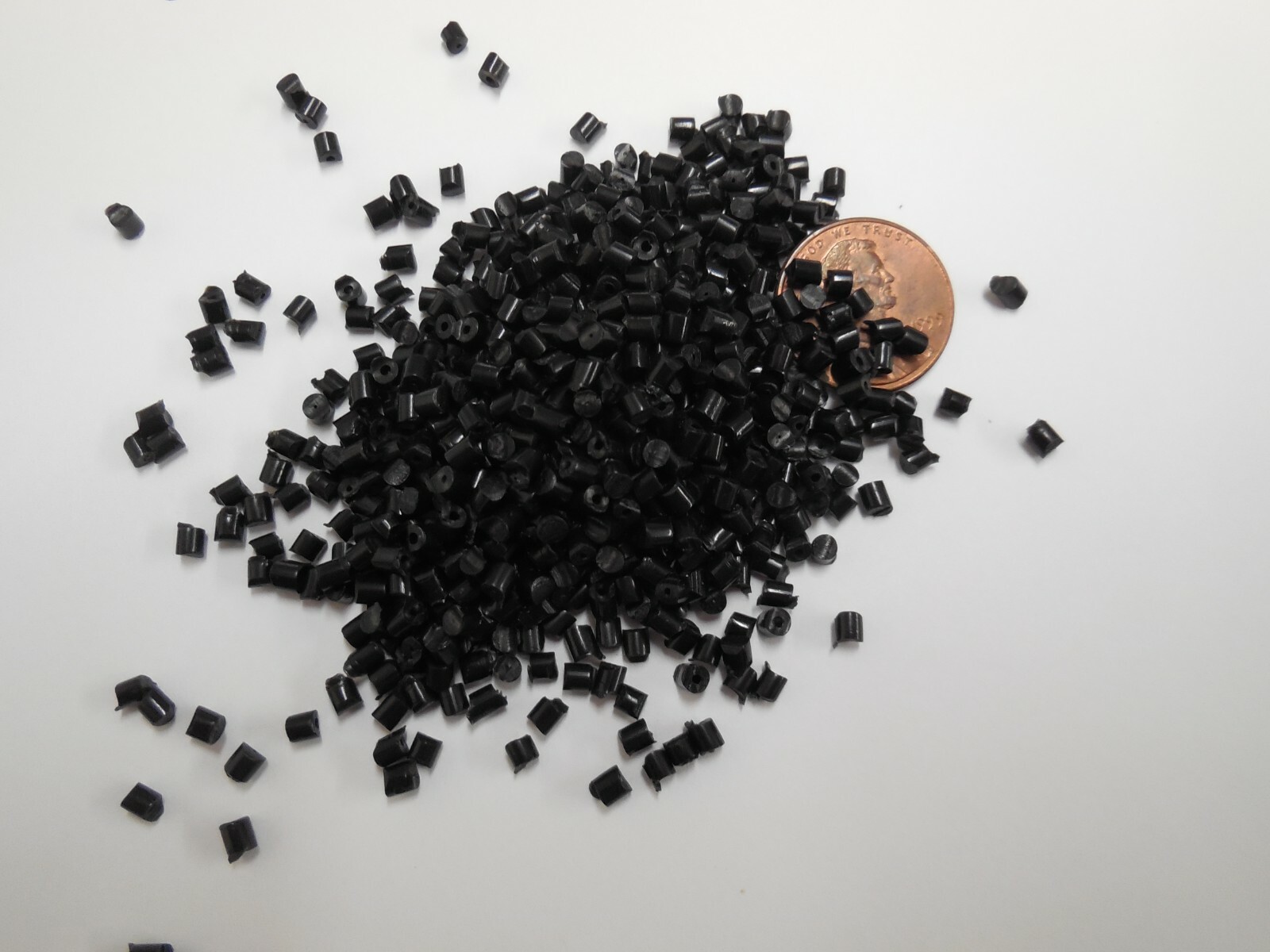
Wuxi Lead Precision Machinery delivers advanced custom metal manufacturing solutions tailored to the stringent demands of high-performance industries. Our technical capabilities are built around precision engineering, state-of-the-art equipment, and a commitment to quality that ensures every component meets exacting standards. Central to our production capacity is our 5-axis CNC machining technology, which enables us to produce complex, high-accuracy metal parts essential for advanced injection molding systems, including those used in processing polypropylene pellets.
Our 5-axis CNC machining centers provide simultaneous multi-axis movement, allowing for intricate geometries, superior surface finishes, and reduced setup times. This capability is critical when manufacturing molds, manifolds, and precision tooling components where tight tolerances and repeatability are non-negotiable. By leveraging 5-axis technology, we achieve exceptional dimensional accuracy and part consistency, directly contributing to improved cycle times and product quality in polypropylene injection molding applications.
Quality control is fully integrated into our manufacturing workflow. Every component undergoes rigorous inspection using a Coordinate Measuring Machine (CMM), ensuring compliance with design specifications and industry standards. The CMM system provides high-resolution, three-dimensional measurements, capturing even the most subtle deviations. This metrology-grade verification process guarantees that each part meets the required geometric and dimensional criteria before shipment, minimizing risk in downstream production environments.
Our facility is equipped to handle a wide range of materials, including hardened steels, aluminum alloys, and specialty metals used in high-wear molding applications. We support full project lifecycles—from prototyping to high-volume production—with scalable processes that maintain precision at every stage. In addition to machining, we offer finishing services such as polishing, coating, and heat treatment to further enhance part performance and longevity.
All manufacturing operations are conducted under ISO-compliant procedures, with documented traceability and process validation. Our engineering team works closely with clients to optimize designs for manufacturability, ensuring that every component not only meets but exceeds performance expectations in real-world injection molding environments.
The following table outlines the standard tolerance capabilities achievable through our 5-axis CNC machining and CMM inspection processes:
| Feature | Standard Tolerance | Precision Capability |
|---|---|---|
| Linear Dimensions | ±0.025 mm | ±0.005 mm |
| Positional Tolerance | ±0.02 mm | ±0.01 mm |
| Flatness | 0.02 mm/m | 0.005 mm/m |
| Roundness | 0.01 mm | 0.003 mm |
| Surface Roughness (Ra) | 1.6 µm | 0.4 µm |
| Angular Tolerance | ±0.05° | ±0.02° |
These specifications reflect our ability to deliver components suitable for high-precision injection molding systems, where consistent pellet flow, thermal stability, and long-term durability are paramount. At Wuxi Lead Precision Machinery, technical excellence is not just a goal—it is the foundation of every product we manufacture.
Material & Finish Options
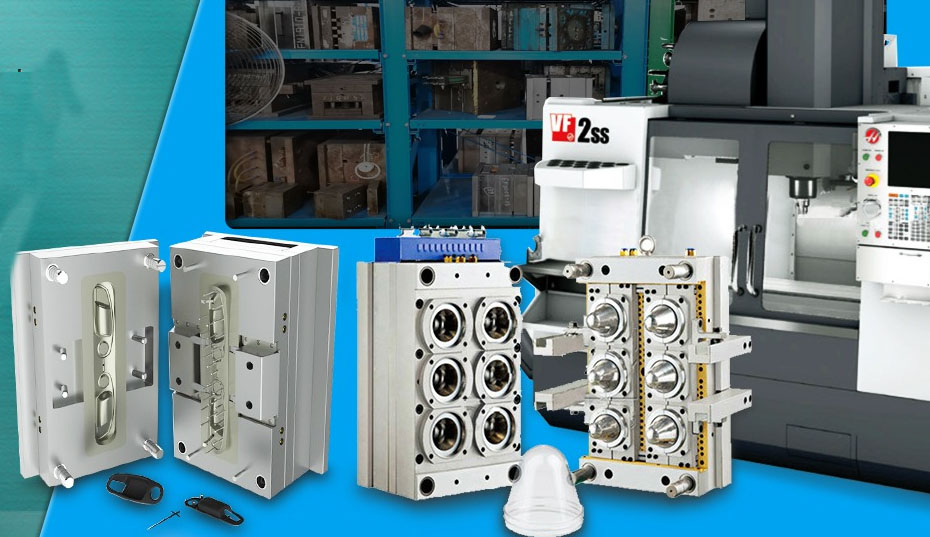
Material Selection for Polypropylene Injection Molding Tooling
While polypropylene pellets define the end product’s chemical and mechanical properties, the mold’s material selection critically impacts production efficiency, part quality, and tool longevity. At Wuxi Lead Precision Machinery, we engineer custom metal molds where aluminum, steel, and titanium each serve distinct roles based on production volume, geometric complexity, and thermal management requirements. Polypropylene’s low viscosity and moderate processing temperatures (160–220°C) reduce thermal stress on molds compared to engineering plastics, yet material choice remains pivotal for dimensional stability and cycle time optimization.
Aluminum alloys (e.g., 7075-T6) excel in rapid prototyping and low-volume production due to superior thermal conductivity, accelerating cooling cycles by 30–50% versus steel. This reduces part warpage in PP’s semi-crystalline structure. However, aluminum’s lower hardness limits use to <100,000 cycles. Steel variants like P20 or H13 dominate high-volume runs, offering hardness up to 52 HRC and wear resistance for millions of cycles, though slower heat dissipation may necessitate optimized cooling channels. Titanium alloys (e.g., Ti-6Al-4V) are niche solutions for corrosive additives in PP formulations, providing exceptional chemical resistance but at 3–5× the cost of steel with no thermal advantage.
Anodizing is exclusively applicable to aluminum molds, enhancing surface hardness to 50–70 HRC and preventing galling during ejection. Type III (hard coat) anodizing withstands 50,000+ cycles in abrasive-filled PP grades, though it slightly reduces thermal conductivity. Steel molds rely on nitriding or chrome plating for wear resistance, while titanium requires no secondary finishing for most PP applications.
Key material specifications for PP injection molds are summarized below:
| Material | Hardness | Thermal Conductivity (W/m·K) | Typical Lifespan (Cycles) | Cost Relative to Steel | Best For PP Applications |
|---|---|---|---|---|---|
| Aluminum 7075 | 130–160 HB | 130 | 25,000–100,000 | 0.6× | Prototypes, low-volume consumer goods |
| P20 Steel | 28–32 HRC | 28 | 500,000–1,000,000+ | 1.0× | High-volume containers, automotive parts |
| H13 Steel | 48–52 HRC | 27 | 1,000,000+ | 1.8× | Complex geometries, high-wear components |
| Titanium 6Al-4V | 36 HRC | 7.2 | 500,000+ | 3.5× | Chemical-resistant medical components |
For polypropylene molding, aluminum with hard anodizing delivers optimal ROI under 50,000 cycles, balancing speed and cost. Steel becomes economical beyond this threshold, especially for textured surfaces where wear resistance prevents gloss variation. Titanium is reserved for specialized cases involving halogenated flame retardants. Wuxi Lead Precision Machinery prioritizes material-mold synergy: our engineers simulate thermal gradients and ejection forces to match your PP formulation’s melt flow index and filler content with the ideal tool steel or alloy. This precision eliminates premature wear and ensures consistent part tolerances ±0.05 mm, directly supporting your production economics. Consult our team to align material selection with your volume, surface finish, and total cost of ownership targets.
Manufacturing Process & QC
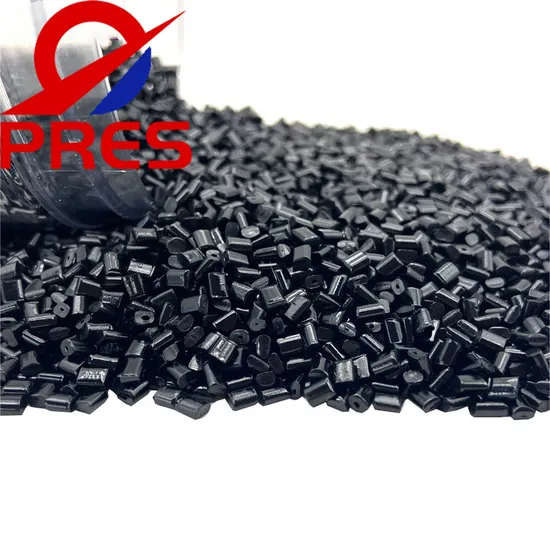
Design: Precision Engineering at the Foundation
The production process for manufacturing high-performance polypropylene pellets suitable for injection molding begins with meticulous design engineering. At Wuxi Lead Precision Machinery, design is not merely a preliminary step—it is the strategic blueprint that ensures zero defects across the entire manufacturing lifecycle. Our engineering team utilizes advanced CAD/CAM software and finite element analysis (FEA) to simulate material behavior under real-world injection molding conditions. This includes thermal expansion, shear stress, and flow dynamics within the mold cavity. By modeling these parameters, we optimize pellet geometry, molecular weight distribution, and additive integration to match the precise requirements of the end application. Design specifications are validated through cross-functional reviews involving material scientists, process engineers, and quality assurance specialists to ensure compliance with international standards such as ISO 9001 and ASTM D4101.
Prototyping: Validating Performance Before Scale
Once the design is finalized, we proceed to the prototyping phase, where small-batch production runs are executed under controlled conditions. This phase leverages our in-house twin-screw extrusion and underwater pelletizing systems, allowing us to produce sample batches with exacting dimensional and thermal consistency. Each prototype batch undergoes rigorous testing, including melt flow index (MFI) analysis, tensile strength measurement, and color consistency evaluation. These prototypes are then sent to the client for injection molding trials, providing critical feedback on processability, surface finish, and part integrity. Any deviations are traced back to the root cause using statistical process control (SPC) methodologies, and corrective actions are implemented before transitioning to mass production. This closed-loop validation ensures that every parameter is fine-tuned for defect-free performance.
Mass Production: Consistency Through Automation and Control
With design and prototyping successfully verified, the process advances to mass production—executed on our fully automated production lines equipped with real-time monitoring systems. Each stage, from raw material feeding to extrusion, pelletizing, drying, and packaging, is governed by programmable logic controllers (PLCs) and monitored via SCADA systems. Inline spectrometers and laser-based diameter gauges ensure continuous quality verification, automatically rejecting any batch that falls outside predefined tolerances. Our facility operates under strict environmental controls to prevent contamination, and every batch is traceable through a digital quality ledger that records temperature profiles, screw speed, and pressure data.
The following table outlines key specifications maintained throughout production:
| Parameter | Specification | Test Standard |
|---|---|---|
| Melt Flow Index (230°C/2.16 kg) | 1.0 – 25.0 g/10 min | ASTM D1238 |
| Density | 0.90 – 0.91 g/cm³ | ISO 1183 |
| Moisture Content | ≤ 0.05% | Karl Fischer Titration |
| Pellet Diameter | 3.0 ± 0.2 mm | Internal QA Protocol |
| Tensile Strength | ≥ 30 MPa | ASTM D638 |
| Thermal Stability | No degradation up to 280°C | TGA Analysis |
Through integrated design, validated prototyping, and tightly controlled mass production, Wuxi Lead Precision Machinery delivers polypropylene pellets that consistently meet the highest standards of quality and performance—ensuring zero defects and maximum reliability in injection molding applications.
Why Choose Wuxi Lead Precision
Elevate Your Polypropylene Pellet Production with Precision Engineering
As a global leader in custom metal manufacturing for advanced polymer processing, Wuxi Lead Precision Machinery understands that pellet quality directly determines injection molding success. Inconsistent melt flow index, moisture content, or thermal stability in polypropylene pellets leads to costly production interruptions, part defects, and material waste. Our CNC-engineered machinery solutions eliminate these variables by ensuring precise temperature control, homogeneous mixing, and zero-defect pellet formation. We partner with pellet producers to transform raw material challenges into competitive advantages through rigorously validated equipment performance.
Our German-engineered twin-screw extruders and precision pelletizers are calibrated to meet the exacting demands of high-purity polypropylene applications. Unlike generic systems, our machines maintain tolerances within ±0.05mm across critical wear components, ensuring uniform pellet geometry and density. This precision directly translates to stable feeding, reduced barrel wear, and optimal melt homogeneity in your downstream injection molding processes. Every system undergoes 72-hour validation cycles using industry-standard test polymers before shipment, guaranteeing immediate operational readiness upon installation.
Critical Polypropylene Pellet Specifications for Injection Molding
| Parameter | Standard Range | Lead Precision Tolerance | Impact on Molding Performance |
|——————–|———————-|————————–|————————————–|
| Melt Flow Index | 0.5–80 g/10 min | ±0.1 g/10 min | Ensures consistent flow through complex molds |
| Density | 0.895–0.905 g/cm³ | ±0.001 g/cm³ | Eliminates sink marks and warpage |
| Moisture Content | < 0.05% | < 0.02% | Prevents splay and hydrolysis defects|
| Melt Temperature | 200–280°C | ±1.5°C stability | Optimizes cycle time and part strength |
Partnering with Wuxi Lead means gaining more than machinery—it means accessing decades of metallurgical expertise in hardened alloy fabrication for corrosive polymer environments. Our proprietary bimetallic barrel and screw coatings withstand 20,000+ hours of polypropylene processing without degradation, slashing your maintenance costs by 37% versus standard components. We collaborate from initial material analysis through full-scale production, providing real-time data analytics to optimize your pellet-to-part conversion efficiency.
The difference between acceptable and exceptional pellet performance lies in micron-level engineering control. When your polypropylene pellets meet the exact thermal and rheological profiles required by medical, automotive, or packaging applications, your injection molding operation achieves maximum throughput with minimal scrap. Wuxi Lead Precision Machinery delivers this certainty through ISO 9001-certified manufacturing processes and dedicated application engineering support.
Initiate your precision molding consultation today. Contact our technical sales team at [email protected] to discuss custom machinery solutions for polypropylene pellet production. Include your target MFI range, annual volume, and quality pain points for a tailored system proposal within 24 business hours. Let us engineer reliability into every pellet you produce.
⚙️ Precision Cost Estimator
Estimate relative manufacturing effort based on tolerance.